
Sauces & Condiments
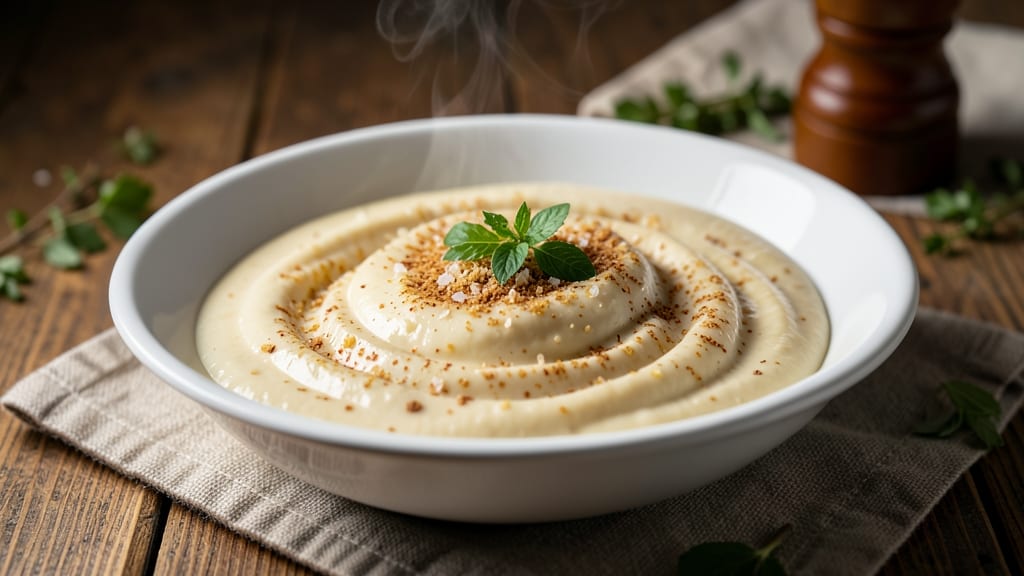
This Alfredo sauce recipe with milk and parmesan cheese transforms ordinary pasta into a luxurious, velvety masterpiece—no curdling, no lumps, just restaurant-quality richness in under 15 minutes.
The secret lies in tempering the cheese with warm milk and butter, creating an emulsion so smooth it clings to every noodle without breaking. I’ve perfected this technique after years of trial and error, ensuring the sauce stays creamy even after reheating.
The foundation starts with equal parts milk and butter, gently heated to prevent scorching, then gradually whisking in freshly grated parmesan until fully dissolved. This method eliminates the risk of curdling while developing that signature nutty depth.
For extra flavor, a clove of garlic and a pinch of nutmeg work wonders, but the base recipe remains foolproof for beginners.
What you’ll end up with is a silky, golden sauce that coats pasta perfectly—no clumping, no separation, just pure, unctuous perfection. The texture is velvety yet light, with a rich parmesan flavor that lingers on your palate.
This sauce elevates any dish, from fettuccine to grilled chicken, and reheats beautifully for leftovers.
For a nutty, ultra-smooth finish, strain the sauce through a fine-mesh sieve before serving. Pair it with fresh herbs like parsley or basil for brightness, or drizzle with extra parmesan for a decadent touch. Ready in 15 minutes, this recipe delivers professional results without the fuss.
Ingredients for alfredo sauce recipe with milk and parmesan cheese
Eight essential ingredients deliver velvety, restaurant-quality Alfredo sauce without curdling.
| Ingredient | Amount | Notes |
|---|---|---|
| Unsalted Butter 🧈 | ½ cup | Cold, cubed for gradual melting |
| Whole Milk 🥛 | ½ cup | Room temperature preferred |
| Parmesan Cheese 🧀 | 1 cup | Freshly grated from block |
| Garlic Cloves 🧄 | 1 clove | Minced for subtle depth |
| Ground Nutmeg 🌿 | ¼ tsp | Freshly grated preferred |
| Diamond Crystal Kosher Salt 🧂 | ¼ tsp | Adjust to taste |
| Fresh Parsley 🌿 | ¼ cup | Chopped for garnish |
| Heavy Cream 🥛 | ¼ cup | Optional for extra richness |
The cheese is non-negotiable—Parmigiano-Reggiano from a deli counter or high-quality pre-grated brand like Kraft Premium ensures authentic flavor. Whole milk (not skim) creates the ideal emulsion, while unsalted butter adds depth without overpowering. For the best results, grate the cheese yourself; pre-shredded varieties contain anti-caking agents that disrupt the sauce's silky texture. Whole Foods or specialty cheese shops offer the finest options, though a well-stocked grocery store's deli section will suffice for a reliable product. The nutmeg should be freshly grated—pre-ground loses its potency quickly, and this is where the sauce's signature warmth comes from.
No heavy cream? Substitute an extra 2 tbsp of milk—the sauce will still be luscious, just slightly lighter. Fresh parsley can be swapped for dried at one-third the amount, though it lacks the vibrant brightness. For a dairy-free adaptation, cashew cream (blended soaked cashews) replaces both milk and butter, though texture will differ. The garlic is optional but recommended—roasted garlic adds sweetness without overpowering. If you're short on time, jarred minced garlic works, though fresh is superior. For extra richness, white wine (2 tbsp) can be simmered with the milk to deepen the sauce's complexity.
This sauce reheats beautifully—simply warm over low heat with a splash of milk to restore creaminess. Store in an airtight container for up to 5 days in the fridge, or freeze for 3 months in ice cube trays for portion control. For a restaurant-quality finish, strain through a fine-mesh sieve before serving to achieve that signature silky texture. The sauce thickens as it cools, so thin with additional milk if needed. Garnish with extra parmesan and parsley just before serving to maintain freshness and visual appeal.
Why You'll Love This Recipe
- Here’s what sold me: the milk keeps it luscious but light, not that thick, greasy mess some Alfredo recipes become. The butter melts into the Parmesan so smoothly, you’ll get that velvety coat on pasta without the guilt. (Yes, even on a Tuesday night.)
- Five-Ingredient Only: I swear by this—just butter, milk, Parmesan, garlic, and nutmeg. That’s it. No fancy reductions or hidden spices to hunt down. The nutmeg adds this warm, cozy depth without overpowering, and the garlic? Just a quick minced clove—no chopping marathon.
- Creamy Without Heavy: Here’s what sold me: the milk keeps it luscious but light, not that thick, greasy mess some Alfredo recipes become. The butter melts into the Parmesan so smoothly, you’ll get that velvety coat on pasta without the guilt. (Yes, even on a Tuesday night.)
- Pasta Party Starter: This sauce is my secret weapon for gatherings—doubles as a dipping sauce for garlic bread or a quick marinara swap. Serve it over fettuccine for a classic, or toss it with roasted veggies for a vegetarian win. My daughter picks out the Parmesan rind bits, but still asks for seconds.
Step-by-step instructions for creamy Alfredo sauce
Master this classic cheese emulsion technique that guarantees a velvety, never-curdling sauce every time.
Melt Butter and Infuse Aromatics
In a medium saucepan, melt the 0.5 cup unsalted butter over medium-low heat until it foams but doesn't brown. Add the 1 clove minced garlic cloves and cook for 30 seconds until fragrant—this prevents raw garlic flavor. Immediately reduce heat to low to avoid burning.
The butter should bubble gently but not splatter. This gradual melting creates the fat base needed for emulsion stability. If you see any browned bits developing, remove the pan from heat and stir until smooth. This step builds the flavor foundation while preparing the sauce to accept the dairy components.
Gradually Incorporate Milk and Cheese
Slowly whisk in the 0.5 cup whole milk while maintaining low heat. After 1 minute, begin adding the 1 cup freshly grated Parmesan Cheese in small increments, whisking constantly. This gradual addition prevents curdling by allowing the cheese to melt smoothly into the warm liquid.
Use a wire whisk and work patiently—you're creating an emulsion where fat and water combine. The mixture should thicken gradually to a pudding-like consistency. If it separates at any point, immediately whisk vigorously to recombine. Never let it boil, as heat causes dairy proteins to break down.
Season and Refine the Texture
Add the 0.25 tsp ground nutmeg and 0.25 tsp Diamond Crystal kosher salt, whisking until fully dissolved. For extra richness, stir in the 0.25 cup heavy cream (if using) and simmer for 2-3 minutes until the sauce reaches 170°F—this temperature ensures all dairy components are fully integrated and safe to consume.
The sauce should now coat the back of a spoon smoothly. If it's too thick, thin with 1 tablespoon warm milk at a time. For maximum flavor, let it rest off heat for 5 minutes before using—this allows the cheese to fully hydrate and develop its nutty depth.
Finish and Garnish
Remove from heat and stir in the 0.25 cup chopped fresh parsley. The parsley adds brightness and visual appeal while the sauce cools slightly. For serving, keep the sauce warm over low heat in a double boiler—direct heat can cause separation if the sauce thickens too much.
This emulsion technique creates a sauce that clings perfectly to pasta while maintaining its velvety texture. The key to success lies in patience and temperature control—never rush the process. The result should be a luxurious, nutty sauce with a perfect balance of richness and acidity from the Parmesan.
Pro Tips For Making Alfredo Sauce Recipe With Milk And Parmesan Cheese
- Melt Butter Slowly: I learned this the hard way—dumping cold butter into the pan at full heat makes it splatter like a grease fire. Instead, melt the butter over medium-low heat first, then add the garlic. The sauce will emulsify better and won’t taste buttery in a bad way.
- Grate Your Own Cheese: Pre-shredded Parmesan has anti-caking agents that turn your creamy sauce into a grainy mess. Freshly grated cheese melts smoother and adds real depth. If you’re in a pinch, use the finest grater and shake out the excess powder—it makes a real difference.
- Simmer, Don’t Boil: The moment your sauce starts to bubble, you’ve lost control. Keep it at a gentle simmer—tiny bubbles, occasional swirls—so the milk doesn’t curdle and the cheese melts evenly. I know, I know, but trust the process.
- Toast the Garlic Lightly: Raw garlic in Alfredo sauce tastes like a dental appointment. Sauté the minced cloves in butter until they’re just golden (about 30 seconds), then remove them. The flavor lingers without overpowering, and the sauce won’t taste bitter. (Yes, even if you’re impatient like me.)
Storing and reheating your alfredo sauce recipe with milk and parmesan cheese
Refrigerator Storage
Store your freshly made Alfredo sauce in an airtight glass container—I prefer Pyrex with a snap-on lid—and refrigerate for up to 5 days. The sauce thickens as it cools, so thin with 1 tablespoon warm milk before reheating.
Always let it cool completely before sealing to prevent condensation, which can dilute flavor. 🥫
Freezer Storage
For longer storage, freeze the sauce in quart-sized freezer bags or silicone ice cube trays for portion control. Press out excess air and label with the date—it keeps for 3 months without texture degradation.
When ready to use, thaw overnight in the fridge or reheat directly from frozen over low heat, stirring constantly with 1 tablespoon milk to restore creaminess.
Reheating Methods
My preferred method is stovetop reheating: place sauce in a saucepan over low heat with 2 tablespoons milk or water, stirring constantly until it reaches 165°F. Avoid high heat—it causes separation.
For microwave reheating, cover with a damp paper towel and heat in 30-second intervals, stirring between each, until warm. Always add a splash of liquid if the sauce appears dry. ⏱️
Preventing Curdling
If your reheated sauce separates, whisk in 1 tablespoon cold milk while stirring vigorously over low heat until smooth. Never boil—this breaks the emulsion. For extra insurance, strain through a fine-mesh sieve before reheating to remove any potential curdles.
The key is gentle heat and constant stirring—this sauce is delicate but forgiving with patience. 💡
Make-Ahead Tips
Prep the sauce 2 days ahead for maximum flavor development—the cheese continues to meld, deepening its nutty profile. Store in the fridge and reheat as needed. For meal prep, divide into single-serving containers—this makes portioning easier and prevents overcooking.
The sauce reheats best when used within 3 days of refrigeration for optimal texture. ✨
Reviving Stale Sauce
If your refrigerated sauce has thickened too much, thin with 1-2 tablespoons warm milk while whisking over low heat. For extra richness, stir in 1 teaspoon butter or 1 tablespoon heavy cream during reheating.
If the flavor seems flat, add a pinch of nutmeg or garlic powder to revive its depth. This trick works wonders for leftovers that need a flavor boost. 💫
Nutrition facts
Frequently asked questions
Why does my Alfredo sauce curdle when I add cheese?
The most common cause is adding cheese too quickly or using cold ingredients. Always melt butter first, then gradually whisk in warm milk before slowly adding grated cheese in small amounts over low heat. If it curdles, immediately whisk in 1 tablespoon cold milk and reduce heat to recombine the emulsion.
Can I make this sauce without heavy cream?
Skip the heavy cream and use 2 extra tablespoons of milk instead. The sauce will still be creamy but slightly lighter. For extra richness, stir in 1 teaspoon butter during reheating. The key is maintaining the proper fat-to-liquid ratio for emulsion stability.
What's the best way to keep Alfredo sauce creamy when reheating?
Always reheat over low heat with 1-2 tablespoons of milk or water, stirring constantly. Never boil—this breaks the emulsion. For microwave reheating, use 30-second intervals with a damp paper towel covering the bowl. If it thickens too much, thin gradually with warm milk.
How do I make this sauce thicker or thinner?
To thicken: Simmer uncovered for 2-3 minutes to evaporate excess liquid. To thin: Whisk in 1 tablespoon warm milk at a time until reaching desired consistency. The sauce should coat the back of a spoon smoothly but still be pourable. For extra thickness, add 1 teaspoon cornstarch mixed with water as a last resort.
Can I use pre-shredded parmesan cheese?
While possible, pre-shredded cheese contains anti-caking agents that can disrupt the sauce's silky texture. For best results, grate 1 cup fresh Parmigiano-Reggiano from a block. If you must use pre-shredded, choose a high-quality brand like Kraft Premium and strain the sauce through a fine-mesh sieve before serving.