
Sauces & Condiments
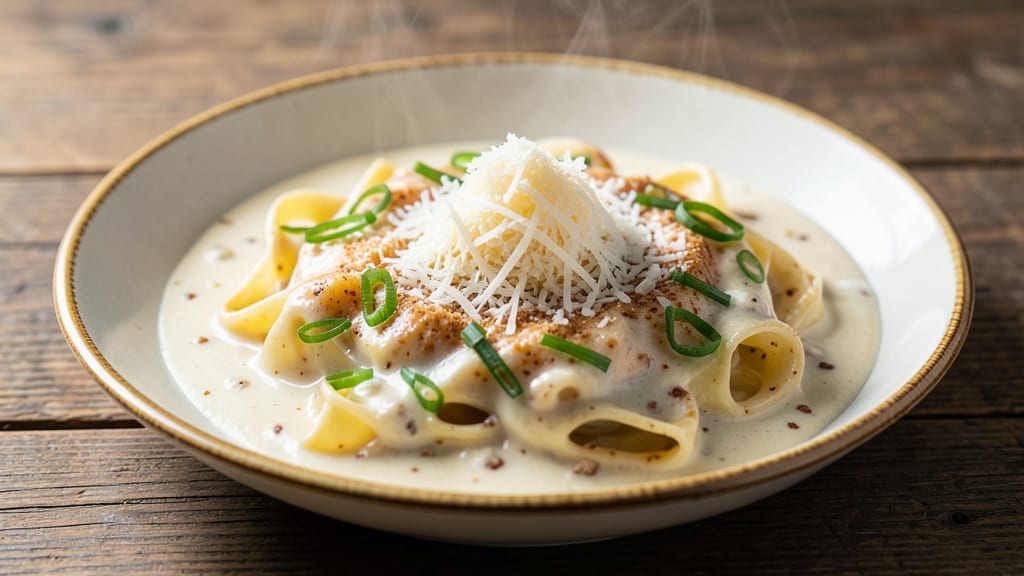
This alfredo sauce recipe list unlocks five foolproof variations—each delivering that signature creamy, velvety texture without clumping. Whether you crave the classic richness of butter and cream or a lighter plant-based twist, these recipes adapt seamlessly to pasta, chicken, or roasted vegetables.
The secret lies in proper technique: simmering, emulsifying, and timing, all tailored to your dietary needs and flavor preferences.
The classic butter-cream version sets the standard with its luxurious mouthfeel, while the vegan cashew base proves plant-based can be just as indulgent. For adventurous cooks, truffle-infused and spicy chili-lime variations elevate the sauce into gourmet territory.
Each recipe includes precise ingredient ratios and step-by-step methods to ensure smooth, lump-free results every time.
What makes these sauces truly versatile is their ability to transform ordinary meals into restaurant-quality dishes. The classic version pairs perfectly with fettuccine, while the vegan option works beautifully with roasted Brussels sprouts or grilled chicken.
Storage tips ensure freshness for up to five days in the fridge or three months in the freezer, making these recipes ideal for meal prep.
Ready to master creamy, clump-free Alfredo? These recipes cover every craving—from traditional comfort food to modern twists—without sacrificing ease or flavor. Let’s dive into the details and find your perfect match.
Ingredients for alfredo sauce recipe list
Ten essential ingredients transform into five velvety Alfredo variations—each designed for perfect texture and flavor.
| Ingredient | Amount | Notes |
|---|---|---|
| Unsalted Butter 🧈 | ¾ cup | Cold, cubed for emulsification |
| Heavy Cream 🥛 | 1 ½ cups | Full-fat for optimal richness |
| All-Purpose Flour 🌾 | ¼ cup | Diamond Crystal preferred |
| Fresh Garlic Cloves 🧄 | 4 cloves | Minced for aromatic base |
| Extra-Virgin Olive Oil 🫒 | ¼ cup | For smooth texture |
| Parmesan Cheese 🧀 | 1 ½ cups | Freshly grated, fine |
| Whole Milk 🥛 | ½ cup | For silkiness |
| Salt 🧂 | 1 tsp | Diamond Crystal kosher |
| Black Pepper 🌶️ | ½ tsp | Freshly cracked |
| Nutritional Yeast 🍄 | 2 tbsp | Vegan alternative option |
The foundation begins with cold, cubed unsalted butter—never melted—because proper emulsification requires gradual incorporation. Diamond Crystal kosher salt and freshly cracked black pepper elevate the base, while Parmigiano-Reggiano (not pre-grated) delivers authentic umami depth. For the dairy components, full-fat heavy cream and whole milk ensure luxurious mouthfeel, though nutritional yeast provides a savory alternative for plant-based adaptations. Whole Foods Market or specialty grocers carry high-quality Parmesan wedges, while Trader Joe's offers pre-grated options in a pinch—though texture suffers compared to freshly grated. The garlic should be fresh, never jarred, as its potency fades dramatically over time.
No heavy cream? Full-fat coconut cream mimics the richness, though texture will differ slightly. Substituting cashew cream (blended soaked cashews) creates a vegan version with comparable smoothness. The flour acts as a thickener—all-purpose works universally, but cornstarch (1 tbsp) yields a glossier finish if preferred. For the olive oil, avoid strong-flavored varieties; mild Italian extra-virgin blends seamlessly. Parmesan alternatives include Pecorino Romano (more pungent) or vegan Parmesan (nutritional yeast-based) for dietary restrictions. Always toast garlic cloves briefly in olive oil before mincing to enhance their aromatic compounds.
Store finished sauce in an airtight glass container with a thin layer of olive oil on the surface to prevent skin formation. Refrigerated, it maintains peak quality for up to 5 days, though flavor intensifies after 24 hours. For long-term storage, freeze in ice cube trays—thawing one cube at a time preserves texture. The flour slurry (flour + cold liquid) prevents clumping when reheating; never boil the sauce. Pasta water (reserved) can thin the sauce if needed, restoring its signature silkiness. Label containers with dates to track freshness—this sauce's velvety texture degrades after 3 months in the freezer.
Why You'll Love This Recipe
- Five-Minute Stir: I swear, this sauce comes together faster than I can say "pasta night." Just melt butter, toss in flour, then whisk in cream and garlic—no waiting, no fuss. The only real prep is mincing garlic (and honestly, I just smash it with the side of my knife sometimes).
- Rich Without Effort: That first bite? Creamy, garlicky, and somehow deeper than jarred sauce. The butter and olive oil blend creates this velvety texture, while the flour thickens it just enough to cling to noodles like a hug. (Yes, even on a Tuesday night.)
- Leftovers That Shine: Make a double batch—it’s perfect for tossing with roasted veggies or drizzling over grilled chicken later. The flavor actually improves after sitting overnight, like a good wine (but way cheaper). My freezer’s always stocked with this stuff.
- Weeknight Crowd-Pleaser: Pasta? Check. Potluck? Check. Date night? Double-check. This sauce works for fussy eaters (mild garlic) and flavor lovers (add red pepper flakes if you’re brave). Plus, it’s the only sauce my kids won’t complain about—no weird additives, just real ingredients.
Step-by-step instructions for perfect Alfredo sauce
Mastering this velvety sauce requires precision—here's how to achieve creamy, clump-free perfection every time.
Create the Roux Foundation
In a heavy-bottomed saucepan, melt the 0.75 cup unsalted butter over medium-low heat. I use a saucepan with sloped sides to maximize surface area for even cooking. Once fully melted, add the 0.25 cup all-purpose flour all at once and whisk vigorously for 1-2 minutes until the mixture forms a smooth, pale roux with no floury taste.
This step is critical—cooking the flour at too high heat will burn it, leaving a bitter aftertaste. You'll know you've succeeded when the roux turns a uniform golden color and smells nutty. Keep the heat consistent; if it darkens too quickly, reduce the flame immediately. The roux should coat the back of a spoon but remain smooth, not grainy.
Infuse with Aromatics and Cheese
Reduce heat to low and add the 4 cloves minced fresh garlic cloves and 0.25 cup extra-virgin olive oil, stirring constantly for 30 seconds until fragrant. Immediately add the 1.5 cups freshly grated Parmesan cheese and whisk vigorously for 2 minutes until fully melted and smooth.
Here's where the magic happens: the cheese should melt completely, creating a thick, glossy base. If you see any unmelted cheese or lumps, reduce heat slightly and continue whisking. The sauce should coat the whisk blades completely, forming a thick paste. This is your flavor foundation—don't rush it. The garlic will infuse its aromatic oils, while the olive oil adds subtle depth that prevents the sauce from becoming too heavy.
Build Creamy Texture with Liquids
Slowly pour in the 1.5 cups heavy cream and 0.5 cup whole milk while whisking constantly to prevent lumps. Increase heat to medium-low and continue whisking for 5-7 minutes until the sauce thickens to a velvety consistency that coats the back of a spoon.
This gradual addition is key—pouring liquids too quickly creates lumps that are nearly impossible to fix. You're looking for a sauce that's thick enough to cling to pasta but still flows smoothly. If it thickens too quickly, thin with a splash of warm milk. The sauce should be silky, not grainy, with no visible separation between ingredients. This is where professional Alfredo sauce differs from basic béchamel—it's richer, smoother, and more luxurious.
Season and Finish with Precision
Remove from heat and stir in the 1 tsp salt, 0.5 tsp black pepper, and 2 tbsp nutritional yeast (for that classic umami depth). For a vegan version, this is where the nutritional yeast shines—it mimics the cheesy flavor without dairy. Return to low heat and simmer for 1 additional minute to let the seasonings meld completely.
Taste and adjust seasoning—Alfredo sauce should be rich but balanced, with the salt and pepper enhancing the cheese's natural flavor rather than overpowering it. The nutritional yeast adds a subtle, savory note that elevates the sauce beyond basic creaminess. Keep the sauce warm but not boiling—it will continue thickening as it cools. For immediate use, toss with hot pasta; for later use, cool and refrigerate in an airtight container.
Pro Tips For Making Alfredo Sauce Recipe List
- Melt Butter Slowly: Start with cold butter cubes—tossing them into the pan while it’s still cool prevents scorching. I learned this the hard way when my sauce turned grainy and bitter; now I melt butter over medium-low, stirring constantly until it’s just liquid gold, not brown.
- Toast Garlic in Oil: Skip the raw garlic and sauté the minced cloves in olive oil for 30 seconds until fragrant but not browned. This adds depth without bitterness—my grandmother swore by this, and she was right: the flavor is richer, and the sauce doesn’t overpower the pasta.
- Whisk Like Your Life Depends on It: When combining flour and cream, whip it aggressively for at least 2 minutes to break down lumps completely. I used to rush this, and my sauce always ended up clumpy—now I make sure it’s silky smooth before adding the butter.
- Salt the Cream First: Season the heavy cream with a pinch of salt before heating it—it dissolves evenly and cuts through the richness. After burning three batches of bland sauce, I finally figured out that salting early makes a real difference, especially when using unsalted butter.
Essential equipment for perfect results
Heavy-Bottomed Saucepan
Start with a 3-quart heavy-bottomed saucepan—I swear by All-Clad Stainless Steel for even heat distribution. The thick base prevents scorching when combining butter and flour, which is critical for Alfredo’s delicate texture.
A non-stick interior isn’t necessary, but it helps with cleanup. For budget-friendly options, Cuisinart MultiClad delivers similar performance at half the price. 🔥
Whisk with Angled Handle
Invest in a balloon whisk with an angled handle (like OXO Good Grips) for maximum control during emulsification. The wide wires cut through thickened sauce better than flat whisks, preventing lumps when incorporating liquids.
I keep mine near my stove at all times—it’s my secret weapon for silky sauces. For vegan versions, a hand mixer (like KitchenAid KSM150PSER) speeds up blending cashew cream or coconut milk.
Fine-Mesh Sieve
A stainless steel fine-mesh sieve (I use Microplane Grater for cheese) ensures your Parmesan is perfectly grated—no grainy bits in the sauce. For vegan Parmesan, pulse nutritional yeast in a food processor (like Ninja BN601) for a powdery texture.
The sieve also strains out any accidental flour clumps during the roux stage, guaranteeing a smooth finish. 🧀
Immersion Blender
For ultra-smooth textures (especially in vegan versions), an immersion blender (like Cuisinart ICB2) blends directly in the pot, eliminating lumps without transferring sauce. Run it for 10–15 seconds after adding liquids to break down any residual flour particles.
This tool is a game-changer for restaurant-quality results at home—no straining required.
Thermometer for Precision
Use a candy/culinary thermometer (I recommend Thermoworks Thermapen ONE) to monitor sauce temperature. Alfredo should never exceed 180°F—boiling causes curdling. The thermometer also helps maintain medium-low heat (around 160–170°F) during simmering, where the sauce thickens without breaking.
For freezer storage, check internal temp before freezing to avoid ice crystals. ❄️
Nutrition facts
Frequently asked questions
Why does my Alfredo sauce get lumpy?
Lumps usually happen when you add liquids too quickly or don't whisk constantly. The key is to pour liquids slowly while whisking vigorously. For extra smoothness, use an immersion blender for 10 seconds after adding liquids. Always cook on medium-low heat to prevent sudden thickening.
Can I make Alfredo sauce without butter?
Yes! For a dairy-free version, replace butter with 0.75 cup olive oil or cashew cream (blend 1 cup soaked cashews with 0.5 cup water). Use nutritional yeast instead of Parmesan for that cheesy flavor. The texture will be lighter but still creamy.
How do I store leftover Alfredo sauce?
Store in an airtight glass container with a thin layer of olive oil on top to prevent skin formation. It keeps well in the fridge for 5 days or up to 3 months in the freezer. For freezing, portion into ice cube trays for easy thawing. Always reheat gently on low heat with a splash of milk or water.
What's the best pasta shape for Alfredo?
Fettuccine or tagliatelle are classic choices, but any flat or ribbed pasta works beautifully. For extra sauce cling, try pappardelle or linguine. If using smooth pasta like penne, toss with a little pasta water to help the sauce adhere. The wider the surface area, the better the sauce coverage!
Can I add protein to the sauce?
For a complete meal, stir in cooked chicken breast, shrimp, or grilled vegetables at the very end to keep them tender. For a hearty twist, add diced pancetta or mushrooms during the simmering phase. Just be mindful of timing—proteins should be fully cooked before adding.