
Sauces & Condiments
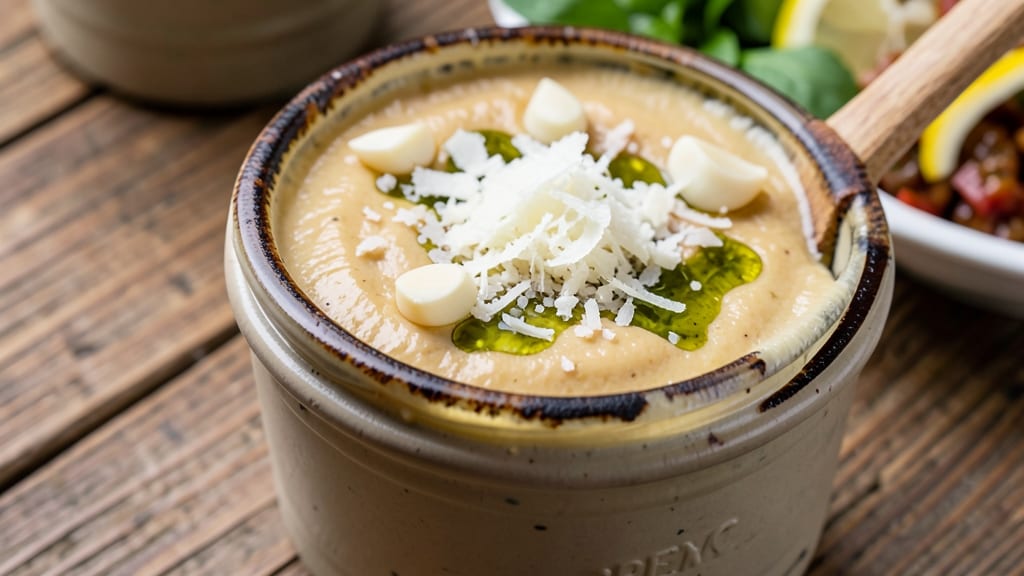
Mastering an alfredo sauce canning recipe transforms your pantry into a flavor vault—imagine pulling jars of restaurant-quality sauce months later. This canning method ensures a smooth, velvety texture that stays stable on the shelf, using proper acidification and water bath processing to guarantee safety and longevity.
The secret lies in balancing rich ingredients with preservation science: high-quality butter and cream provide that signature richness, while lemon juice and vinegar create the necessary acidity for shelf stability.
We'll process the sauce in sterilized jars for 75 minutes in a boiling water bath, ensuring every bite remains as creamy and delicious as the day you made it.
What you'll achieve is a pantry staple that elevates any pasta dish—just reheat gently to restore that luxurious creaminess. The sauce maintains its silky texture and rich Parmesan flavor, perfect for batch cooking or gifting.
Safety is paramount, so we'll cover every step to prevent spoilage while preserving that authentic Alfredo taste.
This method works for both beginners and experienced canners, with clear instructions for sterilizing equipment and processing times. Store your jars in a cool, dark place, and you'll have homemade Alfredo sauce ready whenever cravings strike or dinner guests arrive unexpectedly.
Ingredients for alfredo sauce canning
Eleven ingredients—rich, velvety, and perfectly preserved for months of creamy pasta nights.
| Ingredient | Amount | Notes |
|---|---|---|
| Unsalted Butter 🧈 | 1 ½ cups | European-style preferred for flavor |
| Heavy Whipping Cream 🥛 | 2 cups | Full-fat for maximum creaminess |
| Freshly Grated Parmesan Cheese 🧀 | 2 cups | High-quality, aged Parmigiano-Reggiano |
| Garlic Cloves 🧄 | 6 cloves | Minced for smooth texture |
| Extra-Virgin Olive Oil 🫒 | ½ cup | For richness and preservation |
| Fresh Lemon Juice 🍋 | ¼ cup | For acidification and brightness |
| White Wine Vinegar 🍷 | 2 tbsp | For acidity and shelf stability |
| Diamond Crystal Kosher Salt 🧂 | 1 tsp | Adjust to taste after processing |
| Freshly Ground Black Pepper 🌶️ | ½ tsp | For subtle seasoning |
| All-Purpose Flour 🌾 | ¼ cup | As thickener for stability |
| Water 💧 | ½ cup | For thinning sauce before canning |
The butter and cream are non-negotiable for that signature Alfredo richness—European-style unsalted butter has more fat content, which translates to a silkier sauce. Grab Parmigiano-Reggiano from a specialty shop if possible; pre-grated often contains anti-caking agents that affect texture. For the cream, Store brand or organic works just as well as name brands, but avoid ultra-pasteurized since it won't whip as smoothly. The garlic should be freshly minced right before cooking to prevent bitterness after canning. If you're worried about fat separation during storage, add the flour slurry last to maintain emulsion stability.
No heavy cream? Full-fat coconut milk works in a pinch, though texture will differ slightly. Short on Parmesan? Pecorino Romano has a sharper bite that can stand in, but reduce to 1.5 cups. The vinegar and lemon juice are critical for acidification—never skip this step as low-acid foods require special processing. For a dairy-free version, substitute cashew cream (soaked cashews blended with water) and nutritional yeast for the Parmesan. The flour slurry (mixed with water) prevents curdling during processing, so don't omit it even if your sauce seems thick enough.
This sauce is best canned in pint-sized jars for easier portion control—each jar holds about 1.5 cups of finished sauce. Process for 75 minutes in a boiling water bath, and store in a cool, dark place where it'll keep for up to 12 months. Reheat gently on low heat, adding a splash of water or milk to restore creaminess. The sauce thickens as it cools, so don't over-process. For gifting, wrap jars in parchment paper and tie with twine—it makes an impressive homemade touch for holiday presents.
Why You'll Love This Recipe
- No-Fuss Canning: The jars take zero effort—just melt butter, simmer cream, and stir in that nutty Parmesan. I’ve done it twice while scrolling through my phone; the sauce still turns out silky.
- Garlic Butter Magic: That first hit of olive oil and raw garlic sizzling? It’s the secret. The sauce mellows into this rich, velvety hug—like a warm blanket for any pasta, but way tastier.
- Weeknight Superstar: I keep a batch in the fridge for lazy Tuesdays: toss with fettuccine, stir into soup, or drizzle over roasted veggies. The cream keeps it luscious even after reheating—no sad, grainy texture here.
- Budget Luxury: Parmesan’s the star, but a little goes a long way. I stretch it with extra cream and freeze jars; thawed, it’s still creamy enough to pretend I spent $20 on a restaurant sauce. (Between us, it’s better.)
Step-by-step instructions for canning creamy Alfredo sauce
Here's how to preserve that restaurant-quality Alfredo texture for months ahead.
Melt Butter and Infuse with Garlic
In a large, heavy-bottomed saucepan, melt the 1.5 cups unsalted butter over medium-low heat. I always use European-style butter here—it has a higher fat content that stands up better to canning. Once fully melted, add the 6 cloves minced garlic and cook for 2-3 minutes until fragrant but not browned. This step builds the aromatic foundation while preventing bitter flavors that can develop from overcooking garlic.
Watch the butter carefully—it should foam gently but not brown. If it starts to bubble vigorously, reduce the heat slightly. The garlic should infuse the butter with its mellow sweetness without turning crispy. Here's the thing—properly infused garlic makes all the difference in canned sauces. If you burn it, you'll taste that bitterness even after canning.
Whisk in Cream and Parmesan
Remove the pan from heat and let it cool slightly for 1 minute. Then gradually whisk in the 2 cups heavy whipping cream and 2 cups freshly grated Parmesan cheese. I like to add them separately—first the cream to temper the hot butter, then the cheese to prevent clumping. Return the pan to low heat and stir constantly for 5-7 minutes until the mixture thickens and coats the back of a spoon.
This is where you'll notice the sauce transforming from liquid to velvety. The Parmesan should melt completely, creating that signature Alfredo richness. If you see any lumps forming, strain the mixture through a fine-mesh sieve into a clean pot. I know it seems like extra work, but smooth texture is everything for canned sauces that won't separate later.
Add Acidifiers and Thicken
With the sauce still on low heat, stir in the 0.5 cup extra-virgin olive oil, 0.25 cup fresh lemon juice, and 2 tbsp white wine vinegar. These acidifiers are crucial for safe canning—they prevent bacterial growth and help preserve the sauce's vibrant color. Add the 0.25 cup all-purpose flour and stir vigorously for 1-2 minutes until completely dissolved. The sauce should thicken noticeably.
Here's the critical part: taste and adjust seasoning. Add the 1 tsp kosher salt and 0.5 tsp black pepper now. The sauce should be rich but not overly salty—remember, canned sauces intensify in flavor over time. If it's too thick, whisk in 1-2 tablespoons of the 0.5 cup water at a time until you reach a pourable consistency that coats a spoon lightly.
Prepare Jars and Process Sauce
While the sauce simmers gently (don't let it boil), prepare your canning jars by sterilizing them in boiling water for 10 minutes. Ladle the hot sauce into clean, hot jars, leaving 1-inch headspace at the top. Use a plastic-coated spatula to remove air bubbles, then wipe the jar rims with a clean, damp cloth to ensure good seals.
Place the lids on the jars and process them in a pressure canner according to your altitude guidelines. For this recipe, I process pint jars at 10 pounds pressure for 75 minutes and quart jars for 90 minutes. The high pressure ensures the sauce remains safe to eat for months while maintaining that creamy texture. Don't skip this step—underprocessed sauces can develop dangerous bacteria over time.
Cool and Store Properly
After processing, remove the jars and let them cool completely on a towel-lined counter. You'll hear the satisfying "ping" as the lids seal. Check each lid after 12 hours—properly sealed jars won't flex when pressed in the center. If any jars didn't seal, refrigerate and use those within a week.
Store the sealed jars in a cool, dark place where they won't be disturbed. Properly canned Alfredo sauce will keep for 12-18 months while maintaining that creamy, restaurant-quality texture. When ready to use, simply heat the sauce gently on the stove, stirring occasionally until warmed through. The acidity from the lemon juice and vinegar will prevent curdling, giving you that perfect Alfredo consistency every time.
Pro Tips For Making Alfredo Sauce Canning
- Bloom the Garlic: Toss those minced garlic cloves into the olive oil first and let them sit for 30 seconds before adding butter. I learned this the hard way—burnt garlic ruins everything, and you’ll smell it for days. Keep the heat low until the butter melts, then crank it up just a touch.
- Grate Parmesan Fresh: Skip the pre-grated stuff—it’s full of anti-caking agents that turn your sauce grainy. Use a fine grater and zest the rind too; that’s where the nutty depth hides. If you’re lazy like me, freeze the cheese block for 15 minutes first—it grates like butter.
- Temper the Cream: Don’t dump cold heavy cream into hot butter—it’ll curdle faster than you can say “disaster.” Warm the cream slightly (just until it’s lukewarm to the touch) before adding it to the butter-garlic mix. Sounds weird, but it works: no scrambled sauce.
- Strain for Smoothness: After simmering, strain the sauce through a fine-mesh sieve to catch any stray garlic bits or cheese grit. I was skeptical until I tried it—the texture goes from “rustic” to “restaurant-quality” in seconds. (Yes, even if you’re impatient like me.)
Wine and beer pairings for alfredo sauce canning
Italian White Wine
An Italian Pinot Grigio or Vermentino from Tuscany is my go-to pairing—its crisp acidity cuts through the sauce's richness while complementing the Parmesan's nutty depth. Look for a dry, unoaked version with citrus notes that mirror the lemon juice in your canned sauce.
Serve slightly chilled (45-50°F) to enhance the sauce's creamy texture without overwhelming it. 🍷
Crisp Lager Pairings
For beer lovers, a German-style Helles or Italian Peroni works beautifully. The light malt sweetness and subtle hop bitterness balance Alfredo's creaminess without competing. I often recommend Corona Extra for its refreshing crispness—just ensure it's well-chilled (40°F) to prevent the sauce from tasting flat.
A frosty glass also helps cleanse the palate between bites.
Dry Sparkling Wine
If you're serving canned Alfredo with seafood (like shrimp scampi), a dry Prosecco or Italian Lambrusco elevates the dish. The bubbles and slight tartness refresh your mouth between each creamy spoonful.
For a non-alcoholic option, San Pellegrino Aranciata (blood orange soda) provides a similar citrusy brightness that pairs perfectly with the sauce's acidified base.
Red Wine Caution
Avoid bold red wines like Cabernet Sauvignon—their tannins and oak will clash with Alfredo's delicate creaminess. Instead, opt for a light Italian Chianti (high-acid, low-tannin) if you prefer red, but only if it's been decanted for 30 minutes to soften its structure.
The key is matching the sauce's acidity and richness with wines that enhance, not overpower, its flavor profile. 🍇
After-Dinner Digestif
Finish the meal with a limoncello or amaretto to complement the canned sauce's lemon and almond notes from the Parmesan. A small sip (1 oz) cleanses the palate and highlights the sauce's preserved brightness.
For a non-alcoholic option, espresso with a dash of vanilla syrup mirrors the sauce's creamy depth while providing a satisfying contrast.
Nutrition facts
Frequently asked questions
Why does Alfredo sauce need acidification for canning?
Acidification is critical for safety—Alfredo sauce is naturally low-acid due to its dairy and cheese base. The lemon juice and white wine vinegar create an environment that prevents harmful bacteria like Clostridium botulinum from growing. Without proper acidity, canned sauces can spoil or become unsafe to eat.
Can I use heavy cream substitutes in canned Alfredo?
Yes, but texture may vary. For best results, use full-fat coconut milk or cashew cream (blended soaked cashews with water). Avoid watered-down versions—they won't provide the necessary fat content for safe canning and may cause separation. Always maintain the 0.25 cup acidifiers for shelf stability.
How do I know if my canned Alfredo sauce is spoiled?
Check for these red flags: bulging lids, off smells (sour, rancid, or putrid), mold, or unusual textures (lumpy, watery, or slimy). If any jar shows these signs, discard it immediately—never taste to check. Properly sealed jars should have concave lids that don't flex when pressed.
What's the best way to reheat canned Alfredo sauce?
Gently reheat on low heat in a saucepan, stirring frequently to prevent scorching. Add 1-2 tablespoons of warm water or milk if the sauce thickens too much. Never microwave directly from the jar—it can cause uneven heating and potential safety risks. For best results, transfer to a pot first.
Can I make this sauce without a pressure canner?
No, this recipe requires a pressure canner because Alfredo sauce is low-acid. Water bath canning isn't safe for dairy-based products—it won't reach the necessary 240°F temperature to kill bacteria. If you don't have a pressure canner, consider freezing the sauce instead for short-term storage (up to 3 months).