
Sauces & Condiments
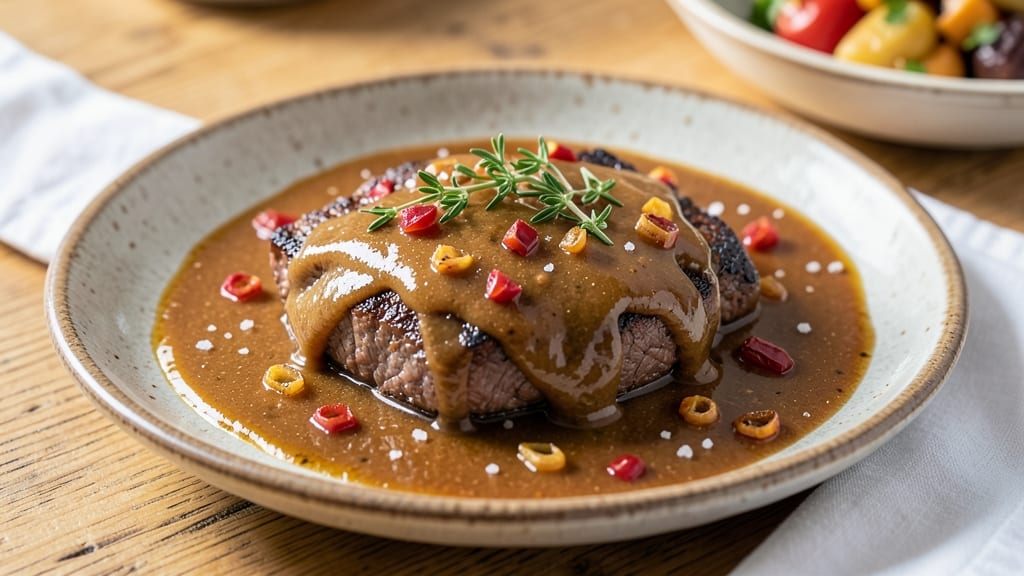
This ale sauce recipe transforms simple ingredients into a rich, velvety sauce that elevates everything from roasted meats to crispy vegetables. The perfect blend of ale, tomato, and herbs creates depth—malty, tangy, and just sweet enough to complement bold flavors without overpowering them.
Unlike store-bought versions, this sauce builds complexity through slow simmering, where the beer’s caramelized notes marry with the acidity of vinegar and the richness of butter.
The secret lies in balancing the beer’s bitterness with tomato paste and a touch of sugar, while herbs like thyme and bay leaf infuse aromatic warmth.
Simmering reduces the sauce to a glossy, coatable consistency, ideal for drizzling over grilled chicken, drizzling over roasted Brussels sprouts, or even as a dip for fries.
It’s the kind of sauce that turns a simple weeknight meal into something restaurant-worthy—with just 15 minutes of active time and 30 minutes of simmering.
What makes this sauce truly versatile is its adaptability. Use it as a glaze for pork chops, a finishing sauce for steak, or a dipping sauce for seafood. The beer’s depth cuts through richness, while the tomato base ensures it works with both hearty and delicate dishes.
Store it in the fridge for up to 5 days or freeze for months, so you always have a flavor-packed shortcut on hand.
For those who love beer but worry about overpowering flavors, don’t—this sauce mellows into something sophisticated, not boozy. The key is letting it reduce fully, so the beer’s character shines without dominating. Trust the process, and you’ll have a sauce that’s foolproof, flexible, and impossible to resist.
Ingredients for ale sauce
Nine simple ingredients for a sauce that tastes like a pub chef's secret.
| Ingredient | Amount | Notes |
|---|---|---|
| Dark Ale Beer 🍺 | 1 cup | Non-alcoholic option works too |
| Tomato Paste 🍅 | 2 tbsp | San Marzano preferred for quality |
| Unsalted Butter 🧈 | ½ cup | Cold, cubed for even melting |
| Apple Cider Vinegar 🍏 | 1 tbsp | Balances beer's bitterness |
| Granulated Sugar 🍬 | 1 tbsp | Adjust to taste |
| Fresh Thyme Leaves 🌿 | 1 tbsp | Or 1 tsp dried thyme |
| Bay Leaves 🍃 | 1 whole | Remove before serving |
| Shallots 🧅 | 2 whole | Mince finely for sweetness |
| Garlic Cloves 🧄 | 3 cloves | Minced for depth |
| Vegetable Stock 💧 | ¼ cup | For extra richness |
The beer is the soul of this sauce—dark ales like Guinness or stouts work best, but any non-alcoholic ale (like O'Doul's) keeps the flavor without the booze. Grab a bottle from the craft beer section of your grocery store or local market. If you're feeling fancy, Belgian ales add fruity notes, but stick with what you like. The tomato paste? San Marzano is worth the splurge for its sweetness, but regular works fine. Just don't use the watery canned stuff—it'll ruin the consistency. Shallots are non-negotiable here; they add sweetness without overpowering like onions.
No dark ale? Substitute with stout coffee (sounds weird, but it works) or even extra-dark balsamic vinegar in a pinch. Fresh thyme is ideal, but dried thyme at one-third the amount gets you close. The butter needs to be cold when you add it—cut it into small cubes so it melts smoothly into the sauce. If you're watching fat, reduce the butter by half and add a splash of heavy cream instead. The vegetable stock can be swapped for white wine if you've got it—just reduce it first to concentrate the flavor.
This sauce tastes even better the next day as the flavors meld. Store it in a glass jar in the fridge for up to 5 days, or freeze portions for up to 3 months. I like to make a double batch—one for immediate use, one to freeze. When reheating, do it low and slow to keep it glossy. The sauce thickens as it cools, so if it looks too stiff, just add a splash of water or stock. Trust me, it's worth the extra minute of simmering to get that perfect velvety texture.
Why You'll Love This Recipe
- Pantry Magic: That dark ale beer and tomato paste combo? You’re probably already stocked. No special trips, no last-minute panic—just open the fridge, grab what you’ve got, and go.
- Rich Without Effort: The butter and sugar melt into something velvety, while the vinegar cuts through like a bright little wake. It’s the kind of sauce that makes you pause mid-bite, thinking, “Wait, how is this so good?”
- Game for Any Protein: Drizzle it over roasted chicken, toss it with pork chops, or even slather it on grilled fish. It’s the kind of sauce that turns a simple weeknight meal into something that feels like a celebration.
- Leftovers That Don’t Let You Down: Make a double batch—it keeps for days in the fridge and reheats like a dream. Honestly, I’ve had it cold on sandwiches, and it’s still better than most store-bought sauces. No waste, all flavor.
Step-by-step instructions for ale sauce recipe
This velvety ale sauce comes together with simple techniques and bold flavors.
Sauté Shallots and Garlic Until Fragrant
In a medium saucepan, melt the 0.5 cup unsalted butter over medium heat. Add the 2 whole shallots, minced finely, and cook for 5 minutes until they turn translucent and just begin to soften. The shallots should release their sweetness without browning—this is key for balancing the beer's bitterness later.
Add the 3 cloves garlic, minced, and cook for another 30 seconds until fragrant. You'll know it's ready when the kitchen fills with that unmistakable garlic aroma. Be careful not to let it color—burnt garlic will make the sauce bitter. Remove the pan from heat temporarily while you prepare the next ingredients.
Build the Base with Tomato Paste and Beer
Return the saucepan to medium heat and stir in the 2 tbsp tomato paste. Cook for 2 minutes, stirring constantly, until it darkens slightly and loses its raw taste. This step develops the sauce's depth—don't skip it.
Pour in the 1 cup dark ale beer, scraping up any browned bits from the bottom of the pan with a wooden spoon. This technique, called deglazing, captures all the flavorful fond that would otherwise stick to your pan. Bring the mixture to a gentle simmer and let it reduce by half—this should take about 5 minutes. The alcohol will cook off, leaving behind rich, malty notes.
Season and Simmer for Velvety Texture
Add the 1 tbsp apple cider vinegar, 1 tbsp granulated sugar, 1 tbsp fresh thyme leaves, 1 whole bay leaves, and 0.25 cup vegetable stock to the saucepan. Stir well to combine all ingredients. The vinegar brightens the beer's flavor while the sugar balances its bitterness—taste as you go and adjust if needed.
Reduce heat to low and let the sauce simmer uncovered for 15-20 minutes, stirring occasionally. You're looking for a glossy, velvety consistency that coats the back of a spoon. If the sauce thickens too much, add 1-2 tablespoons of water to reach your desired texture. The bay leaf will infuse subtle earthy notes, so don't remove it yet.
Finish and Strain for Smooth Perfection
Once the sauce reaches your desired consistency, remove the saucepan from heat. Fish out the bay leaf with tongs—it's done its job and can be discarded. For an ultra-smooth sauce, strain it through a fine-mesh sieve into a clean bowl, pressing gently on the solids with a spoon to extract all the flavor.
Taste and adjust seasoning with salt if needed. The sauce should be rich, slightly tangy, and perfectly balanced between the beer's maltiness and the tomato's acidity. Let it cool slightly before serving—this allows the flavors to meld completely. This sauce pairs beautifully with roasted meats, mashed potatoes, or even as a dipping sauce for crusty bread.
Pro Tips For Making Ale Sauce
- Simmer Slow and Steady: I learned this the hard way—rushing the reduction turns your sauce bitter and alcohol-forward. Keep heat at a gentle simmer, not a rolling boil, and let that dark ale cook for at least 10-15 minutes. You’re not just reducing liquid; you’re deepening flavor. (Yes, even if you’re impatient like me.)
- Deglaze Before You Add Butter: That browned tomato paste on the pan? Don’t ignore it. Splash in a splash of apple cider vinegar first to lift those caramelized bits—then whisk in the butter. Skipping this step means your sauce will taste thin and one-dimensional. (Your future self will notice.)
- Use Cold Butter: Cold, cubed butter melts slower and emulsifies better than softened butter dumped straight in. Toss in chunks as you stir, and the sauce will thicken like a dream without breaking. (I used to melt butter first, and the sauce always separated—until I tried this.)
- Balance the Vinegar Last: Taste before adding the full vinegar—you might only need half. Dark ale and tomato paste are already tangy; vinegar can turn your sauce into a mouth-puckering disaster if you go overboard. Add it gradually, then adjust sugar to taste. (Trust me, you’ll regret it if you don’t.)
Wine and beer pairings for ale sauce
Beer Pairings
The sauce’s malty, slightly sweet profile calls for beers that complement its depth without competing. A Belgian Dubbel like Westmalle Dubbel or a British Brown Ale such as Fuller’s London Pride enhances the sauce’s caramelized notes.
These beers share similar malt-forward flavors, creating a harmonious pairing. For a lighter option, try a Pilsner—its crispness balances the sauce’s richness when drizzled over roasted vegetables. 🍺
Wine Pairings
For wine lovers, a medium-bodied red like Pinot Noir or Grenache works beautifully. The fruitiness of these wines mirrors the sauce’s subtle sweetness, while their acidity cuts through the butter’s richness. A dry Riesling is another excellent choice—its citrus notes brighten the dish, especially when paired with grilled meats.
Avoid heavy, oaky whites or bold reds that might overpower the sauce’s delicate balance.
Cocktail Pairings
Turn your ale sauce into a cocktail pairing with a Whiskey Sour or Old Fashioned. The whiskey’s caramel and vanilla notes echo the sauce’s depth, while the citrus in the sour adds a refreshing contrast.
For a non-alcoholic option, a ginger beer with a splash of lime highlights the sauce’s tangy brightness. Serve the cocktail alongside your dish for a cohesive dining experience that ties everything together. 🍹
Unexpected Pairings
Think beyond the obvious—this sauce shines with crispy fried chicken or smoked salmon. The beer’s umami pairs surprisingly well with the richness of fried foods, while the sauce’s acidity cuts through smoked fish beautifully.
For a vegetarian option, drizzle it over roasted eggplant or mushroom risotto to add a savory depth. The versatility of this sauce makes it a game-changer for unexpected flavor combinations.
Nutrition facts
Frequently asked questions
Can I make this ale sauce without alcohol?
Use 1 cup non-alcoholic dark ale or substitute with 1 cup stout coffee (yes, really—it mimics the malty depth) or 1 cup extra-dark balsamic vinegar for a similar tangy richness. The flavor will still shine, just without the boozy notes. For extra depth, add 1 tsp molasses to the coffee substitution.
How do I fix ale sauce that's too thin or too thick?
If your sauce is too thin, simmer uncovered for 5-10 more minutes to reduce further. For a quicker fix, mix 1 tbsp cornstarch with 2 tbsp cold water, stir into the sauce, and simmer for 1-2 minutes until thickened. Too thick? Thin with 1 tbsp warm water or vegetable stock, stirring constantly over low heat.
What's the best way to store leftover ale sauce?
Store in a glass jar in the fridge for up to 5 days—it actually tastes better the next day as flavors meld. For longer storage, freeze in ice cube trays (perfect for single servings) or airtight containers for up to 3 months. Thaw overnight in the fridge before reheating gently on low heat to preserve texture.
Can I use this sauce on vegetarian dishes?
Definitely! The sauce's rich, tangy profile works beautifully with roasted eggplant, mushroom risotto, or even as a dip for crispy tofu. The beer's umami complements plant-based proteins, while the tomato base adds a familiar savory note. Try drizzling it over grilled halloumi for a cheesy twist.
Why does my ale sauce taste bitter?
Bitterness usually comes from over-reducing the beer or using too much dark ale. Balance it by adding ½ tsp sugar or 1 tsp honey while simmering. For future batches, reduce the beer by 25% (use ¾ cup instead of 1 cup) and add 1 extra tbsp tomato paste to mellow the flavor. Taste as you go—adjustments are easy at this stage!