
Sauces & Condiments
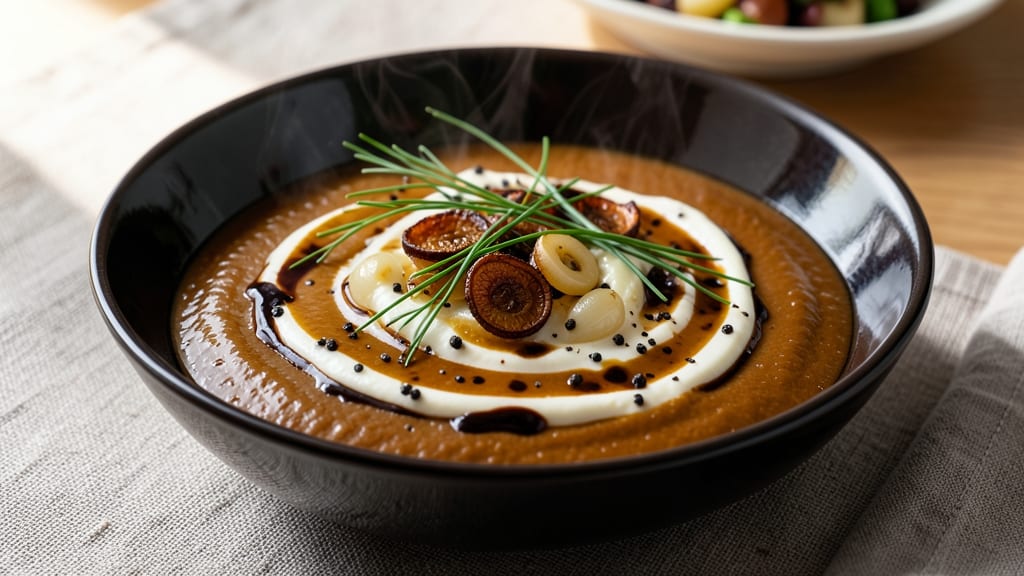
This alcohol-free peppercorn sauce delivers restaurant-quality depth without a drop of booze—perfect for elevating steak, roasted vegetables, or creamy dips. The secret lies in slow-cooked peppercorns and umami-rich ingredients that mimic the complexity of traditional versions.
I developed this recipe after craving that signature peppercorn richness in dishes but needing a non-alcoholic alternative that still packs bold flavor.
The sauce builds its depth through a simple yet precise method: toasted peppercorns, shallots, and a touch of Worcestershire sauce (alcohol-free version) create a rich, aromatic base. A splash of cream and vegetable stock transforms it into a velvety, versatile sauce that clings beautifully to proteins or vegetables.
What makes this recipe stand out is how it captures that deep umami richness without relying on alcohol, making it suitable for all dietary preferences.
By the time you finish, you'll have a sauce that's smooth, aromatic, and packed with peppery warmth—ideal for drizzling over grilled meats, pairing with mashed potatoes, or serving as a dip for crusty bread.
The best part? It keeps well in the fridge for up to a week, so you can make a batch and enjoy it throughout the week.
This sauce is a game-changer for anyone looking to add sophistication to their meals without the alcohol content. Whether you're cooking for a special dinner or simply want to elevate everyday dishes, this recipe delivers professional results with minimal effort. Let's get started!
Ingredients for alcohol free peppercorn sauce
Nine ingredients transform into a sophisticated sauce that rivals classic peppercorn versions.
| Ingredient | Amount | Notes |
|---|---|---|
| Black Peppercorns 🌶️ | 2 tbsp | Whole, lightly toasted first |
| Shallots 🧅 | ½ cup | Minced, about 4 medium |
| Vegetable Stock 💧 | 1 cup | Homemade or quality low-sodium |
| Heavy Cream 🥛 | ½ cup | Full-fat for richness |
| Alcohol-Free Worcestershire Sauce 🍶 | 1 tbsp | Look for non-alcoholic versions |
| Dijon Mustard 🍯 | 1 tsp | For subtle tang |
| Extra-Virgin Olive Oil 🫒 | 2 tbsp | High-quality, fruity |
| Fresh Thyme Leaves 🌿 | ¼ tsp | Or 1/8 tsp dried thyme |
| Salt 🧂 | ½ tsp | Diamond Crystal preferred |
| Freshly Ground Black Pepper 🌶️ | ¼ tsp | Adjust to taste |
The peppercorns are non-negotiable—they carry that signature warmth. Toast them lightly in a dry pan first (about 2 minutes) to deepen their flavor before grinding. Whole peppercorns from Penzeys or bulk bins at Whole Foods have the best aroma, but any quality brand works. Shallots add sweetness without overwhelming—substitute 1/2 cup finely chopped yellow onion if you're in a pinch. The alcohol-free Worcestershire sauce is the secret to replicating that classic depth—Lea & Perrins Alcohol-Free version is my go-to, but check labels carefully for hidden alcohol.
No vegetable stock? Mushroom stock or even strong vegetable broth works in a bind. Heavy cream can be swapped for coconut cream for dairy-free, though the texture will be slightly lighter. Dijon mustard adds complexity—skip it if you prefer milder flavor. The olive oil matters here: avoid cheap brands that taste bitter. Fresh thyme is ideal, but dried thyme works at one-third the amount. For extra richness, add 1 tbsp of vegan butter at the end. The sauce thickens as it cools, so add a splash of stock if it's too thick.
This sauce keeps beautifully—up to 1 week in the fridge, covered with plastic wrap pressed directly on the surface. For longer storage, freeze in ice cube trays and transfer to a container. Reheat gently on the stove with a splash of stock or cream to restore smoothness. I always make a double batch because it disappears fast—great for drizzling over steak, roasted carrots, or even mashed potatoes. The flavor actually improves after 24 hours as the peppercorns mellow.
Why You'll Love This Recipe
- Pantry Magic: I swear by this sauce because it uses stuff I always have—no last-minute grocery runs. Toast those peppercorns until they smell like a spice shop, then blend them with shallots and stock. Boom, depth without the fuss.
- Rich Without Guilt: The heavy cream makes it velvety, but the alcohol-free Worcestershire keeps it sharp and savory—like a hug for your taste buds. Honestly, it’s the kind of sauce that makes you pause mid-bite and think, "How is this so good?"
- Weeknight Hero: Slap this on grilled chicken, roasted veggies, or even mashed potatoes—it turns ordinary meals into something special. Between us, it’s my go-to when I’m too tired to think but still want flavor.
- Leftovers That Lie: Make a big batch (it’s cheap to do) and freeze half. Thaw it later for stir-fries or pasta—no one will guess it’s reheated. I’ll be real: I’ve served this cold as a dip, and it still wins.
Step-by-step instructions for alcohol-free peppercorn sauce
This sauce delivers bold umami flavor without alcohol—let's build it layer by layer.
Toast the Peppercorns for Maximum Flavor
Heat a dry skillet over medium-low heat and add the 2 tbsp black peppercorns. Toast them for 2-3 minutes, stirring constantly, until they release their aromatic oils and begin to darken slightly but don't burn. You'll smell that deep, toasty pepper aroma—this is when they're ready. Transfer the toasted peppercorns to a small bowl and set aside.
Here's the thing—lightly toasting the peppercorns intensifies their flavor by breaking down their natural oils. If you skip this step, your sauce will taste flat compared to what it could be. Don't rush this; the peppercorns should be fragrant but not smoky or bitter.
Sweat the Shallots Until Translucent
In a medium saucepan, heat 2 tbsp extra-virgin olive oil over medium heat until shimmering. Add the 0.5 cup minced shallots and cook for 5-6 minutes, stirring occasionally, until they become soft and translucent. You're looking for shallots that lose their raw edge—when they're tender enough to pierce easily with a fork, they're ready.
I press down gently on the shallots during the first minute to help them release moisture evenly. This prevents them from browning too quickly, which would add bitterness to your sauce. If they start to color too much, reduce the heat slightly and give them a little more time to soften properly.
Build the Sauce Base with Stock and Peppercorns
Add the 1 cup vegetable stock and the toasted 2 tbsp black peppercorns to the pan with the shallots. Bring to a gentle simmer over medium-low heat and let it cook for 8-10 minutes until the liquid reduces by about one-third. You'll notice the peppercorns infuse the stock with their deep, spicy notes—this is where the sauce starts to develop its signature character.
Strain the mixture through a fine-mesh sieve into a clean saucepan, pressing gently on the peppercorns to extract every bit of flavor. Discard the solids. The strained liquid should be a rich, peppery broth—this is the foundation of your sauce. If you miss this straining step, you'll end up with a grainy texture that's unpleasant in the mouth.
Finish with Cream and Seasonings
Return the strained peppercorn stock to the saucepan and stir in the 0.5 cup heavy cream, 1 tbsp alcohol-free Worcestershire sauce, 1 tsp Dijon mustard, 0.25 tsp fresh thyme leaves, 0.5 tsp salt, and 0.25 tsp freshly ground black pepper. Bring to a gentle simmer over low heat and cook for 3-4 minutes, stirring constantly, until the sauce thickens slightly and coats the back of a spoon.
Taste and adjust the seasoning—you might need a touch more salt or pepper to balance the flavors. The sauce should be rich, velvety, and packed with umami from the peppercorns and Worcestershire. If it's too thick, whisk in 1-2 tablespoons of hot water to reach your desired consistency. Real talk: this is the moment that matters, so don't rush the seasoning adjustments.
Rest and Serve for Optimal Texture
Remove the sauce from heat and let it rest for 5 minutes—this allows the flavors to meld completely and the sauce to reach its ideal texture. The resting period is crucial; it prevents the sauce from curdling when you add it to hot dishes later. Give it a final taste and adjust the seasoning one last time if needed.
This sauce pairs beautifully with grilled meats, roasted vegetables, or even as a dip for crusty bread. The peppercorn flavor develops even more as it sits, so if you're not using it immediately, store it in an airtight container in the refrigerator for up to 5 days. When reheating, warm it gently over low heat, stirring constantly, until just hot through—never boil it or the cream will separate.
Pro Tips For Making Alcohol Free Peppercorn Sauce
- CRUSH THE PEPPERCORNS: Freshly crack them in a mortar and pestle—no food processor, no lazy grinding. The oils release differently, and that peppery punch cuts through the cream like it’s supposed to. (Yes, it’s extra work, but your sauce won’t taste like it came from a jar.)
- SWEAT THE SHALLOTS LOW: Don’t rush this step—cook them over medium-low heat until they’re translucent and just starting to caramelize, about 8-10 minutes. If they brown, you’ve lost depth. A splash of stock can save them, but it’s better to take your time from the start.
- STRAIN THE SAUCE: After simmering stock and peppercorns, strain out the whole peppercorns—you don’t want them turning your sauce into a textural disaster. A fine-mesh sieve works, but I use a cheesecloth for that extra-smooth finish. (Trust me, your mouth will notice.)
- TEMPER THE CREAM: Always warm the heavy cream separately before stirring it into the hot sauce. Cold cream curdles like a bad breakup, and no one wants lumpy sauce. Just heat it gently—no boiling—until it’s steaming but not scalding. (Think lukewarm, not bathwater.)
Regional styles of this recipe
British Pub Style
In British pubs, peppercorn sauce often accompanies roast beef or lamb, and this version leans into that tradition but skips the alcohol. Use 1 tbsp of beef stock instead of vegetable stock to deepen the meaty notes, and add ½ tsp of smoked paprika for a subtle smoky depth.
Serve it with a classic Yorkshire pudding or roasted root vegetables for that pub-style experience. 🍖
French-Inspired Sauce
For a French twist, replace the vegetable stock with ½ cup dry white wine substitute (like grape juice) and add 1 tsp of Dijon mustard to the cream mixture. Finish with ½ tsp of fresh tarragon instead of thyme for an elegant, herby note.
This sauce pairs beautifully with duck confit or grilled chicken. The acidity from the wine substitute brightens the peppercorn flavor.
Indian-Inspired Masala Twist
Give your sauce an Indian flair by adding ½ tsp of garam masala and ¼ tsp of ground cardamom to the strained peppercorn stock. Replace the thyme with ½ tsp of fresh cilantro and finish with a pinch of cayenne pepper for a gentle kick.
This version works wonderfully with tandoori chicken or lamb kebabs, adding a warm, aromatic complexity.
Italian Herb Variation
For an Italian-inspired take, swap the thyme for ½ tsp of fresh rosemary and add ½ tsp of dried oregano to the cream mixture. Use 1 tbsp of tomato paste in the stock reduction for a subtle tang, and finish with a splash of lemon zest.
This sauce is perfect with grilled sausages or roasted eggplant, bringing a bright, herbaceous twist to the classic peppercorn profile.
Vegetarian Umami Boost
To make this sauce fully vegetarian, replace the Worcestershire sauce with 1 tbsp of soy sauce and add 1 tsp of miso paste to the stock reduction. Boost the umami further with ½ tsp of nutritional yeast.
This version is rich, savory, and perfect for drizzling over roasted mushrooms, lentil stews, or even as a dip for falafel. 🌱
Smoky BBQ Fusion
For a smoky BBQ-inspired sauce, add ½ tsp of liquid smoke to the stock reduction and replace the thyme with ½ tsp of smoked salt. Finish with a splash of apple cider vinegar to balance the richness.
This sauce is ideal for grilled ribs, pulled pork, or even as a glaze for roasted vegetables. The smoky depth pairs beautifully with the peppercorn warmth.
Nutrition facts
Frequently asked questions
Can I use this sauce on vegetarian dishes?
The base recipe works beautifully with meat dishes, but for vegetarian use, swap the Worcestershire sauce for 1 tbsp soy sauce + 1 tsp miso paste and add ½ tsp nutritional yeast for extra umami. This version pairs perfectly with roasted mushrooms, lentil stews, or as a dip for falafel. The peppercorn flavor still shines while keeping it plant-based!
How do I adjust the spice level?
Start with the 2 tbsp whole peppercorns for a mild warmth, but for extra heat, add ¼ tsp cayenne pepper or ½ tsp crushed red pepper flakes when finishing the sauce. For a subtler kick, reduce the peppercorns to 1 tbsp and omit the extra spice. Taste as you go—peppercorns mellow as they cook, so don't overdo it!
Can I make this sauce ahead of time?
This sauce tastes even better after 24 hours as the flavors meld. Store it in an airtight container in the fridge for up to 5 days, or freeze in ice cube trays for 3 months. Reheat gently over low heat with a splash of stock or cream to restore its silky texture. Pro tip: The longer it sits, the deeper the peppercorn aroma becomes!
What if my sauce separates when reheating?
This happens when the cream curdles from too much heat. Fix it by whisking in 1 tbsp cold heavy cream or 1 tsp cornstarch slurry (mix ½ tsp cornstarch with 1 tsp cold water) while stirring over low heat. For next time, reheat on lowest heat possible and never let it boil. The sauce should be warm, not hot!
What's the best way to serve this sauce?
This versatile sauce works as a drizzle for grilled steak, roasted vegetables, or mashed potatoes. For extra elegance, strain it through a fine-mesh sieve before serving. It also makes a luxurious dip for crusty bread or pretzel bites, or use it as a glaze for caramelized onions or seared scallops. The key is to serve it warm for the best texture and flavor!