
Sauces & Condiments
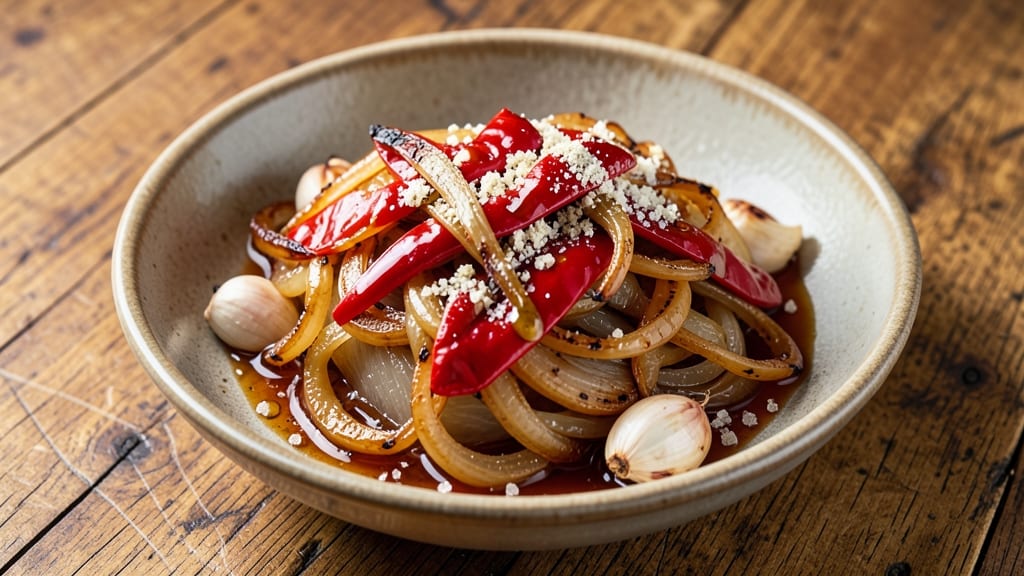
This Yassa onion sauce recipe unlocks the bold, tangy-sweet essence of Senegalese cuisine in every spoonful. The magic lies in slow caramelizing onions until deep golden, then balancing their richness with mustard's sharp bite and vinegar's bright acidity.
I've perfected this sauce over years of testing—each element must harmonize perfectly to create that signature Yassa depth that transforms simple proteins into restaurant-worthy dishes.
The process begins with onions cooked low and slow until they reach that perfect caramelized stage—where natural sugars transform into complex, molasses-like sweetness. Mustard powder and vinegar then cut through the richness, creating the signature tang that defines Yassa.
Garlic and Scotch bonnet peppers add layers of heat and aroma, while a touch of sugar at the end ensures perfect balance between sweet, sour, and spicy.
What makes this sauce extraordinary is its versatility—equally at home on grilled chicken, fish, or even vegetables. The sauce develops richer flavors when reduced, so don't rush this step.
When properly balanced, each bite delivers that perfect marriage of caramelized onions, mustard's sharpness, and vinegar's bright acidity that makes Yassa chicken one of West Africa's most beloved dishes.
Perfect for those who love complex, multi-layered flavors with a balance of sweet, sour, and spicy notes. This sauce is your secret weapon for adding authentic Senegalese character to any meal. Let's create it together—your taste buds will thank you.
Ingredients for yassa onion sauce
This sauce brings West African boldness to your kitchen with caramelized onions and tangy mustard magic.
| Ingredient | Amount | Notes |
|---|---|---|
| Yellow Onions 🧅 | 3 whole | Thinly sliced for even caramelization |
| Yellow Mustard Powder 🌶️ | 2 tbsp | Dijon preferred for authentic flavor |
| Apple Cider Vinegar 🍎 | ½ cup | Balsamic adds depth if preferred |
| Scotch Bonnet Peppers 🌶️ | 1 whole | Seeded, finely chopped (or habanero) |
| Garlic Cloves 🧄 | 4 cloves | Minced for aromatic depth |
| Granulated Sugar 🍚 | 1 tbsp | Balances acidity perfectly |
| Salt 🧂 | 1 ½ tsp | Diamond Crystal preferred |
| Black Peppercorns 🌶️ | ½ tsp | Freshly cracked for texture |
| Vegetable Oil 🫒 | ¼ cup | High smoke point preferred |
| Fresh Thyme Leaves 🌿 | 1 tsp | Or 0.5 tsp dried thyme |
The onions are the star—yellow onions caramelize best for that signature Yassa sweetness. Trader Joe's sells perfect yellow onions year-round, or grab them from the Latin market for extra freshness. Thinly slice them evenly so they cook at the same rate. For the mustard powder, Dijon is non-negotiable—it brings that authentic sharpness. I always double-check the vinegar too—apple cider vinegar has the perfect balance, but balsamic adds a luxurious depth if you're feeling fancy. The Scotch bonnet peppers? Wear gloves—they're spicy enough to wake up your taste buds!
No Scotch bonnet? Habanero or red pepper flakes work in a pinch—just start with half the amount. Mustard powder missing? Dijon mustard mixed with a pinch of salt gets you close. The thyme is optional but adds that earthy note that makes this sauce sing. For the sugar, brown sugar works too—it caramelizes slightly during cooking, adding another layer of complexity. And if you're worried about the onions sticking, vegetable oil is your friend—it's neutral and won't overpower the final flavor. The key is patience—rush the caramelization and you'll miss that molasses-like sweetness that defines Yassa.
This sauce keeps beautifully—1 week in the fridge if stored in an airtight jar with a thin layer of oil on top. For longer storage, freeze in ice cube trays—perfect for adding to dishes later. The flavors actually improve after a day or two as everything melds together. I always make extra because it disappears faster than you'd think—especially when drizzled over grilled chicken or fish. And if you're feeling adventurous, add a splash of palm wine at the end for that authentic Senegalese touch!
Why You'll Love This Recipe
- Pantry Magic: I swear by this sauce—just onions, vinegar, and a few spices. No fancy ingredients, no last-minute grocery runs. The mustard powder and Scotch bonnet do all the heavy lifting while I’m chopping veggies for the rest of dinner.
- Tangy Heat Balance: That first bite? Crispy onions caramelized in vinegar, then kissed by smoky garlic and a whisper of mustard. The Scotch bonnet adds heat without overpowering—like a slow dance of flavors that lingers. Honestly, I’ve made it three times this week and still reach for more.
- Weeknight Workhorse: Drizzle it on grilled chicken, toss it with rice, or slather it on sandwiches. It’s my go-to for lazy nights when I don’t want to think. Between us, it’s also the star of my potlucks—people ask for the recipe every time.
- Leftovers That Shine: This sauce actually improves the next day. The onions soften just enough to mellow out the sharpness, and the vinegar deepens. I double the batch on Sundays, store it in the fridge, and use it all week—no waste, no stress. (Yes, even on a Tuesday night.)
Step-by-step instructions for Yassa onion sauce
This sauce delivers the perfect balance of caramelized sweetness and tangy heat—authentic Senegalese flavor in every bite.
Caramelize the Yellow Onions
Heat the 0.25 cup vegetable oil in a medium saucepan over medium-low heat. Add the 3 whole yellow onions, sliced thinly, and cook for 20-25 minutes until they transform into a deep golden brown. Stir occasionally to prevent burning, but resist the urge to rush—this slow caramelization builds the sauce's rich foundation.
You'll know they're ready when the onions are soft, syrupy, and smell intensely sweet. If they darken too quickly, reduce the heat slightly. This step is where the magic happens: the onions should coat the back of a spoon with their concentrated flavor. Don't skip it—this is the heart of your Yassa sauce.
Add Aromatics and Build the Base
Once the onions are caramelized, increase the heat to medium and add the 4 cloves garlic cloves (minced) and 1 whole Scotch bonnet peppers (seeded and finely chopped). Cook for 2-3 minutes until the garlic is fragrant and the peppers soften slightly—this prevents a harsh bite later. Be careful not to let the peppers burn, as they can turn bitter quickly.
Next, stir in the 2 tbsp yellow mustard powder and 1 tbsp granulated sugar. The sugar helps balance the acidity while the mustard adds that signature tang. Cook for another 1 minute, stirring constantly, until the mixture smells complex and inviting. This is where the sauce starts to come together—pay attention to the aroma cues.
Incorporate Vinegar and Seasonings
Pour in the 0.5 cup apple cider vinegar and bring the mixture to a gentle simmer. Reduce the heat to low and let it cook for 5-7 minutes, stirring occasionally, until the vinegar mellows and the sauce thickens slightly. The acidity will brighten the flavors, cutting through the richness of the caramelized onions.
Add the 1.5 tsp salt and 0.5 tsp black peppercorns (freshly cracked), along with the 1 tsp fresh thyme leaves. Stir well and let the sauce simmer for another 2-3 minutes to allow the thyme to release its earthy aroma. Taste and adjust the seasoning—you want a perfect harmony of sweet, tangy, and spicy notes.
Simmer and Finish to Perfection
Continue simmering the sauce for 8-10 minutes until it reaches your desired consistency—it should coat the back of a spoon but still be pourable. If it thickens too much, add 1-2 tablespoons of water to loosen it. The sauce should be glossy, with a deep amber color and a balance of flavors that makes your taste buds dance.
Remove the sauce from heat and let it rest for 5 minutes before serving. This resting period allows the flavors to meld even more deeply. Serve it over grilled fish, chicken, or even as a dipping sauce for crusty bread. The contrast of the warm, spicy sauce with cool, flaky fish is pure Senegalese comfort.
Pro Tips For Making Yassa Onion Sauce
- Sweat the Onions Slowly: I learned this the hard way—rushing the onions turns your sauce bitter. Take your time with medium-low heat and a splash of water if needed. You want them deep golden, not browned, so they caramelize properly and form the base of your sauce.
- Toast the Mustard Powder: Don’t just toss it in cold. Bloom that yellow mustard powder in the oil for 30 seconds first—it deepens the flavor and prevents clumping. Skip this, and your sauce will taste flat and one-dimensional.
- Balance the Vinegar Heat: Start with half the apple cider vinegar called for, taste, then add the rest. Too much upfront, and you’ll need to fix it with sugar or more onions. Better to adjust gradually than scramble to save a sour mess.
- Mince the Scotch Bonnet Fine: Whole peppers or big chunks? Your sauce will taste like a ghost of heat. Pulse them in a food processor or finely dice—this ensures even distribution and a smooth, fiery depth without burning your mouth. (Yes, even if you love spice.)
Dietary considerations for this dish
Gluten-Free Adaptations
This Yassa onion sauce is naturally gluten-free, but always double-check your ingredients—especially mustard powder and vinegar. Some brands add gluten as a thickener or flavoring. I recommend Annie's Organic mustard powder and Bragg apple cider vinegar, both certified gluten-free.
The caramelized onions and vinegar provide enough depth that you won’t miss any gluten-based elements. 🌱
Vegetarian/Vegan Options
For a fully plant-based version, simply omit the black peppercorns (they’re technically seeds) and ensure your mustard powder is vegan. Some brands use animal-derived enzymes, so check labels. The sauce’s rich, tangy profile shines even without meat—try it over grilled portobello mushrooms or tofu for a hearty meal.
The caramelized onions and mustard create enough umami to satisfy any protein craving. 🌿
Low-Sodium Adjustments
If you’re watching your sodium intake, reduce the 1.5 tsp salt to just 0.5 tsp and boost flavor with an extra 0.5 tsp Dijon mustard or 1 tbsp apple cider vinegar.
The mustard’s sharpness and the vinegar’s acidity will compensate for the lower salt while keeping the sauce’s signature tang. Taste as you go—this sauce is forgiving, but balance is key. 🧂
Spice-Free Version
Skip the Scotch bonnet pepper entirely for a milder sauce, or replace it with ½ tsp smoked paprika for warmth without heat. The caramelized onions and mustard still deliver bold flavor, but the sauce becomes sweeter and more approachable.
This works beautifully with delicate fish like tilapia or cod, where you want the sauce to complement rather than dominate. 🌶️
Allergy Considerations
For those with mustard allergies, replace the 2 tbsp yellow mustard powder with 1 tbsp lemon juice and 1 tbsp honey to mimic the tangy-sweet balance. If onion allergies are a concern, try shallots instead—they caramelize beautifully and add a milder, sweeter note.
Always test small batches first, as reactions can vary. Safety first! 🚨
Nutrition facts
Frequently asked questions
Can I use regular onions instead of yellow onions for this sauce?
While you can substitute, yellow onions are ideal—their natural sweetness caramelizes beautifully for that signature Yassa depth. Red onions add a sharper bite, while white onions lack the sugar content. For best results, stick with yellow, but if you must use red, reduce the sugar to ½ tbsp to prevent over-sweetness.
How do I adjust the heat level in this sauce?
For milder heat, remove the seeds from the Scotch bonnet and use only ¼ of the pepper. For extra spice, add ½ tsp cayenne pepper or leave the seeds in. Always taste as you go—you can't remove heat once added, but you can balance it with more vinegar or sugar if needed.
What's the best way to store leftover Yassa sauce?
Transfer to an airtight container and store in the fridge for up to 1 week, or freeze in ice cube trays for 3 months. The flavors actually improve with time! For reheating, warm gently on low heat—never boil, as it can make the sauce too acidic. Stir in a splash of water if it thickens too much.
Can I make this sauce without mustard powder?
Yes! Replace the 2 tbsp mustard powder with 2 tbsp Dijon mustard mixed with ½ tsp salt for similar tang. For a mustard-free version, use 1 tbsp lemon juice + 1 tbsp honey instead. The sauce will be slightly less complex but still delicious—just taste and adjust the vinegar or sugar to balance flavors.
Why did my sauce turn bitter?
Bitter flavors usually come from overcooking the peppers or burning the onions. Next time, reduce heat when adding peppers and watch the onions closely—they should be golden, not dark brown. If it happens, balance with 1 tsp sugar or a splash of vinegar. For future batches, cook peppers for just 1-2 minutes max.