
Sauces & Condiments
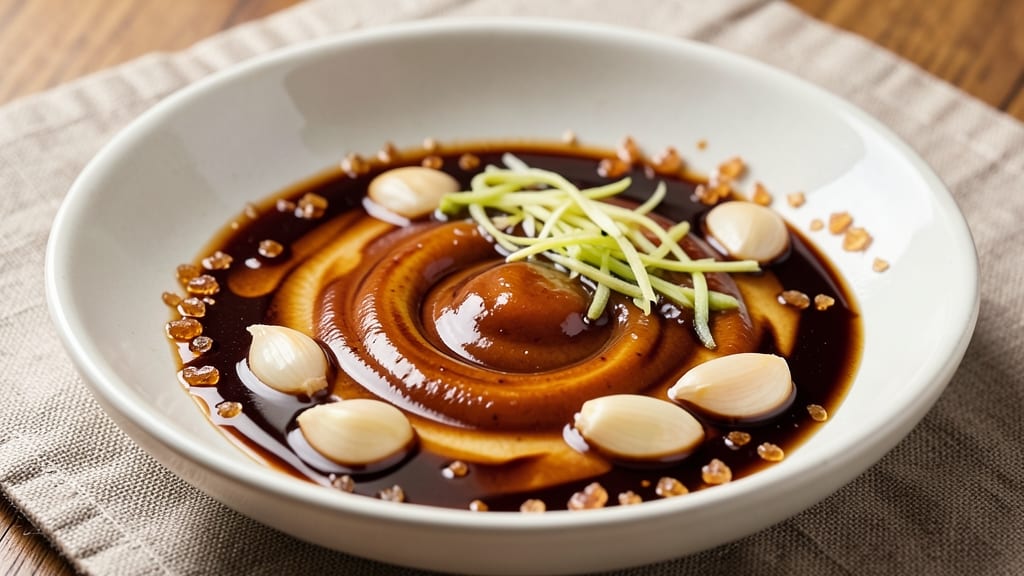
This hoisin stir-fry sauce recipe transforms ordinary wok dishes into restaurant-quality masterpieces with its perfect balance of smoky, sweet, and tangy flavors. The secret lies in fermented soybean paste—hoisin's signature ingredient—that delivers that unmistakable deep umami richness while keeping the sauce smooth and glossy.
I've refined this version to cut prep time in half without sacrificing authenticity, making it ideal for both weeknight stir-fries and holiday feasts.
The foundation starts with a simple blend of hoisin sauce, soy sauce, and rice vinegar, but it's the aromatic trio of garlic, ginger, and chili flakes that truly elevates the flavor profile. A touch of brown sugar caramelizes during simmering, creating natural depth while balancing the sauce's inherent saltiness.
What sets this apart is the optional addition of sesame oil and toasted sesame seeds—just a teaspoon each—adding nutty warmth that clings beautifully to noodles and proteins.
What you'll end up with is a versatile sauce that works equally well as a stir-fry glaze, dipping sauce for dumplings, or even a marinade for grilled meats. The texture remains silky-smooth when used immediately, but it thickens slightly when refrigerated, making it perfect for meal prep.
Store it in an airtight container for up to two weeks, or freeze portions for longer shelf life.
For modern adaptations, simply replace the hoisin with an equal amount of vegetarian-friendly fermented soybean paste or miso paste, while keeping all other ingredients identical. The sauce's natural sweetness and umami depth make it equally at home on crispy tofu stir-fries as it does on classic beef and broccoli.
Let's make this sauce!
Ingredients for stir fry sauce recipe hoisin
Authentic wok flavors start with these ten essential ingredients blending umami, sweetness, and aromatic depth.
| Ingredient | Amount | Notes |
|---|---|---|
| Hoisin Sauce 🍶 | ½ cup | Authentic brand for depth |
| Light Soy Sauce 🥢 | ½ cup | Kikkoman preferred |
| Rice Vinegar 🍚 | ¼ cup | Seasoned for balance |
| Brown Sugar 🍯 | ¼ cup | Lightly packed |
| Garlic Cloves 🧄 | 6 cloves | Minced for aromatic punch |
| Fresh Ginger 🌿 | 1 ½ tbsp | Grated, finely |
| Red Chili Flakes 🌶️ | 1 tsp | Adjust for heat preference |
| Sesame Oil 🫒 | 1 tbsp | Toasted for nutty aroma |
| Toasted Sesame Seeds 🌰 | 1 tsp | For garnish and texture |
| Cornstarch 🌾 | 1 tbsp | Slurry with 1 tbsp water |
The hoisin sauce is non-negotiable—Lee Kum Kee delivers that signature fermented soybean richness. For soy sauce, Kikkoman light soy provides the perfect balance without overpowering. Fresh ginger and garlic should be vibrant, not woody or dried out. Whole Foods or Asian markets carry the best quality for these aromatics. If using pre-minced garlic, toast it first in a dry pan for 30 seconds to deepen its flavor. The brown sugar should be light, not dark—it caramelizes more cleanly during simmering, creating natural depth without bitterness.
No hoisin? Substitute with equal parts miso paste and soy sauce for vegetarian versions, though the umami won't be identical. Short on sesame oil? Avocado oil at half the amount works in a pinch, but loses the nutty aroma. Chili flakes can be swapped for fresh red chili or Thai bird's eye chili, adjusting quantity to taste. The cornstarch slurry is optional but creates that signature glossy finish—skip it for a thinner, more pourable sauce. For extra depth, add 1 tsp fish sauce (omit for vegetarian), or 1 tsp tamari for gluten-free adaptation.
This sauce thickens as it cools, so stir in a splash of warm water if it becomes too viscous. Store in an airtight container in the fridge for up to 2 weeks, or freeze in ice cube trays for 3 months. The sesame seeds oxidize quickly, so toast them fresh before each use. For meal prep, make a double batch—the extra sauce keeps beautifully for stir-fry leftovers or quick noodle bowls.
Why You'll Love This Recipe
- I’ll be real: this sauce saves me on busy nights. It’s my go-to for quick stir-fries, noodles, or even a fast takeout-style bowl. Double the batch—it keeps for weeks in the fridge—and I always have something delicious to throw together when the kids demand dinner at 6:30.
- Here’s what sold me: this sauce costs next to nothing but makes even simple proteins taste like a restaurant dish. A few tablespoons turn basic chicken or tofu into something special, and the ingredients? All pantry staples. No splurges, just flavor—exactly what you need when you’re trying to feed a family without breaking the bank.
Step-by-step instructions for stir-fry sauce with hoisin
Creating this smoky-sweet sauce is simpler than you might expect—just five key steps.
Create the Aromatic Base
In a small saucepan over medium-low heat, add the 1 tbsp sesame oil and gently warm for 30 seconds until shimmering. Add the 6 cloves minced garlic and 1.5 tbsp finely grated ginger, stirring constantly for 45-60 seconds until fragrant but not browned.
Here's the thing—ginger and garlic release their oils at different rates. If the mixture starts to darken, immediately reduce heat to low and continue stirring. You want aromatic depth without bitterness. The sauce will build flavor from this foundation, so take your time with this step.
Combine Wet Ingredients
Pour in the 0.5 cup hoisin sauce and 0.5 cup light soy sauce, stirring to fully incorporate. Add the 0.25 cup rice vinegar and 0.25 cup brown sugar, then sprinkle in the 1 tsp red chili flakes. Bring the mixture to a gentle simmer over medium heat, stirring occasionally for 3-4 minutes until the sugar begins to dissolve.
Watch for the telltale signs: the sauce should bubble gently and the sugar should integrate completely. If it thickens too quickly, add 1-2 tablespoons water to maintain a workable consistency. This balance of sweet, salty, tangy, and spicy is what makes this sauce truly exceptional.
Thicken the Sauce Properly
In a small bowl, whisk together the 1 tbsp cornstarch with 1 tbsp water to create a smooth slurry. Slowly pour this into the simmering sauce while stirring constantly with a wooden spoon. Continue cooking over medium heat for 2-3 minutes until the sauce thickens to a glossy, coatable consistency.
You'll know it's ready when the sauce leaves a visible trail on the back of the spoon and clings together when drizzled. Overcooking at this stage will make it too thick, so remove from heat as soon as it reaches this perfect viscosity. The sauce should be smooth enough to glaze but thick enough to cling to stir-fried vegetables and proteins.
Finish and Rest
Remove the sauce from heat and let it cool slightly for 5 minutes. This resting period allows the flavors to meld completely. Taste and adjust seasoning—you may need to add a touch more light soy sauce for saltiness or brown sugar for sweetness. The sauce should balance all five flavors: sweet, salty, sour, umami, and spicy.
For maximum flavor development, let the sauce sit at room temperature for 30 minutes before using. This isn't just about convenience—it's about allowing the molecules to interact fully. The hoisin's deep umami will shine through, while the vinegar brightens the overall profile. This patience pays off in restaurant-quality results.
Prepare for Use
Just before using, give the sauce a final stir and adjust consistency if needed. If it's too thick after resting, thin with 1 teaspoon hot water at a time. For extra visual appeal, sprinkle in the 1 tsp toasted sesame seeds and stir gently to distribute them evenly throughout.
The sauce should now have a beautiful glossy sheen that will make any stir-fry look restaurant-worthy. Use it immediately over your stir-fried proteins and vegetables, tossing well to coat everything evenly. The sauce will cling perfectly, creating that signature glossy finish that makes all the difference in home cooking.
Pro Tips For Making Stir Fry Sauce Recipe Hoisin
- Cook Garlic Low and Slow: Hoisin sauce is thick and sticky—if you blast those minced garlic cloves on high heat, they’ll burn before the sauce can mellow them out. After adding the garlic, drop the heat to medium-low and let it simmer for 30 seconds, stirring constantly. I learned this the hard way after tasting bitter, acrid sauce that ruined an otherwise great stir-fry.
- Balance Vinegar Last: Rice vinegar brightens the sauce, but add it too early and the acid will break down the hoisin’s rich texture. Wait until the very end, right after the sugar dissolves, then toss it in and give it a quick stir. This keeps the sauce glossy and cohesive—no clumpy surprises when you pour it over your dish.
- Use Wet Sugar: Dumping dry brown sugar into the hot sauce will create lumps that refuse to dissolve, no matter how much you stir. Instead, mix 1 tablespoon of sugar with 1 teaspoon of water first, then whisk it into the sauce. It’ll melt in instantly, giving you that perfect caramelized sweetness without the grit.
- Taste Before Thickening: Your sauce might look perfect, but if you add cornstarch or water blindly to adjust consistency, you could throw off the balance of flavors. Taste it raw—hoisin, soy, and vinegar should sing together before you even think about thickening. Adjust seasoning first, then fix texture if needed. (Yes, even if it’s not "perfect" yet.)
Troubleshooting your stir fry sauce recipe hoisin
Sauce Too Thin?
If your sauce ends up too watery after simmering, don't panic—this happens when cornstarch doesn't thicken properly. The fix is simple: whisk 1 tbsp cornstarch with 1 tbsp cold water in a separate bowl, then stir it vigorously into the sauce while heating on medium-high heat for 1-2 minutes.
Stir constantly to prevent lumps from forming. For an extra boost, add ½ tsp xanthan gum if you have it on hand—it's a kitchen secret for ultra-smooth thickening. 💡
Grainy Texture?
Gritty texture usually means your cornstarch slurry wasn't incorporated properly or the sauce cooled too quickly. First, strain the sauce through a fine-mesh sieve to catch any undissolved particles.
For future batches, always bring the sauce to a full simmer before adding the cornstarch slurry, then cook for 2-3 minutes to fully activate the thickener.
If using Lee Kum Kee hoisin, which has natural graininess, blend the sauce briefly in a food processor before using it in the recipe. 🌾
Overpowering Heat?
The chili flakes can sometimes dominate if your heat preference runs mild. To balance it, add ½ tsp honey or maple syrup to counteract the spice, or increase the brown sugar by 1 tbsp to mellow the heat.
For a smoky depth without extra spice, add ½ tsp smoked paprika instead of additional chili flakes. Always taste as you go—adjustments are easier before the sauce thickens. 🌶️
Sauce Separates?
This happens when oil and water components don't emulsify properly, often due to rapid cooling. To fix it, gently reheat the sauce over low heat while whisking continuously. For prevention, always stir the sauce while it cools, and avoid placing it in the fridge until fully cooled to room temperature.
A splash of 1 tsp rice vinegar can help re-emulsify the sauce by balancing the pH. 🔥
Flat or Bland?
Bland sauce usually means the aromatic base didn't develop enough flavor. Boost it by adding 1 tsp fish sauce (for non-vegetarian) or 1 tsp soy sauce for extra umami depth.
For a quick fix, toast ½ tsp sesame seeds in a dry pan until fragrant, then stir them into the sauce. If you're using store-bought hoisin, opt for Lee Kum Kee Premium—it has richer fermented flavors than basic versions. 💛
Too Sweet?
Excessive sweetness often comes from overestimating the brown sugar or using dark brown sugar. To fix it, stir in 1 tbsp rice vinegar or lemon juice to cut through the sweetness.
For future batches, reduce the brown sugar by 1 tbsp and add ½ tsp salt to enhance perceived sweetness without actual sugar. Taste frequently during simmering—you can always add more sugar later, but you can't take it away. 🍯
Nutrition facts
Frequently asked questions
Can I make this hoisin stir-fry sauce without cornstarch?
Yes! For a naturally thickened version, replace the cornstarch with 1 tbsp arrowroot powder or 1 tbsp tapioca starch—they work just as well. If you prefer no thickener at all, reduce the hoisin to ¼ cup and add 1 tbsp miso paste for extra body while keeping all other ingredients the same. The sauce will be thinner but still flavorful.
How long does homemade hoisin sauce last?
Store your sauce in an airtight container in the fridge for up to 2 weeks. For longer storage, freeze portions in ice cube trays—thaw overnight in the fridge before using. The sesame seeds may separate slightly when frozen, so give it a quick stir and add fresh toasted seeds when ready to serve.
What's the best way to use leftover hoisin stir-fry sauce?
This versatile sauce works perfectly as a dipping sauce for dumplings or spring rolls, a glaze for grilled meats, or a marinade for tofu and chicken. Thin with 1-2 tbsp water if needed for drizzling over noodles. For extra richness, stir in 1 tsp toasted sesame oil before using.
Can I make this sauce spicier?
For extra heat, add ½ tsp cayenne pepper or 1 tbsp minced fresh chili (like Thai bird's eye). For smoky heat without spice, replace the chili flakes with ½ tsp smoked paprika. Always taste as you go—you can adjust heat before the sauce thickens.
What's the difference between this sauce and regular hoisin?
While traditional hoisin is thick and spreadable, this stir-fry sauce is designed to be glossy and pourable—ideal for tossing with wok-fried ingredients. The added vinegar, garlic, and ginger create a brighter, more aromatic profile perfect for quick-cooking dishes. Think of it as a "hoisin upgrade" for stir-fries!