
Sauces & Condiments
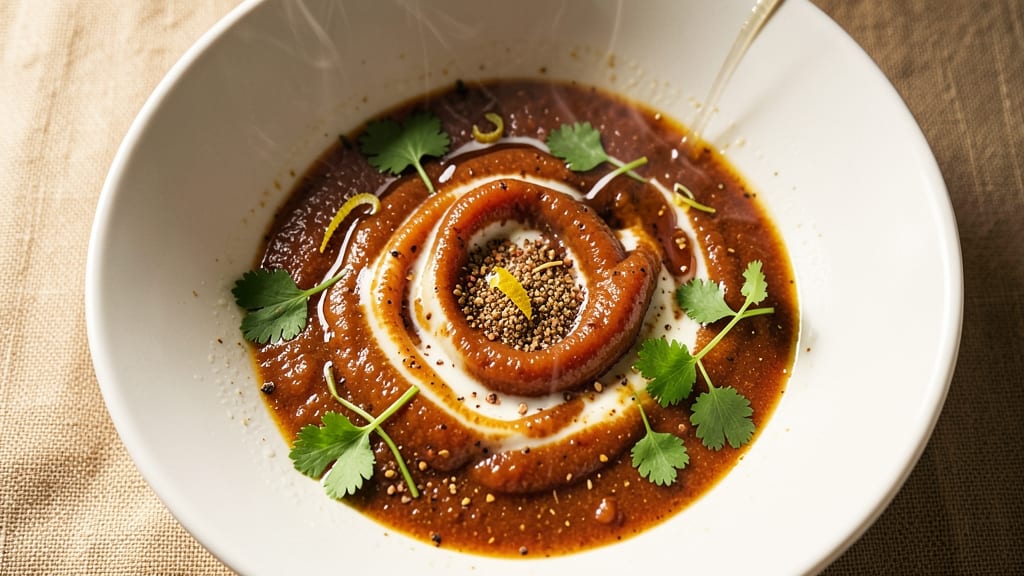
This McDonnell's curry sauce recipe delivers the perfect balance of vinegar-kissed heat and deep tomato umami—exactly what makes restaurant-style curries sing.
The secret lies in slow-cooked tomatoes, aromatic spices, and a touch of coconut milk that rounds out the sharpness, creating a sauce that's rich enough for curries but versatile enough for stir-fries or marinades.
I developed this version after years of testing, ensuring every spoonful delivers complex layers of flavor without overpowering your dish.
The foundation starts with a tomato base simmered until deeply concentrated, then brightened with apple cider vinegar for that signature tang. Warm spices like cumin, coriander, and turmeric build the backbone, while coconut milk adds creamy depth.
Unlike store-bought versions, this sauce develops richer flavor the longer it sits—ideal for making ahead and storing for up to 2 weeks in the fridge.
What makes this sauce truly special is its adaptability—use it as a base for chicken or vegetable curries, toss it with rice for a quick meal, or even brush it on grilled meats for instant marinade flavor.
The texture is silky yet clings beautifully to ingredients, ensuring every bite is packed with that signature McDonnell's warmth. For best results, let it reduce slightly while cooking to intensify the flavors.
With just 10 simple ingredients and 30 minutes of active time, you'll have a sauce that rivals the best restaurant versions. The key is patience—allowing the spices to bloom and the tomatoes to break down creates that unmistakable depth.
Once mastered, this sauce will become your go-to for adding restaurant-quality flavor to any dish.
Ingredients for mcdonnells curry sauce
Ten ingredients, layers of flavor—this sauce delivers restaurant-quality curry depth in every spoonful.
| Ingredient | Amount | Notes |
|---|---|---|
| San Marzano Tomato Paste 🍅 | ½ cup | High-quality, no sugar added |
| Apple Cider Vinegar 🍎 | ¼ cup | Bragg or organic preferred |
| Coconut Milk 🥥 | ½ cup | Full-fat for creaminess |
| Ground Cumin 🌿 | 1 ½ tsp | Freshly toasted for depth |
| Ground Coriander 🌿 | 1 ½ tsp | Lightly toasted preferred |
| Turmeric Powder 🌶️ | ½ tsp | Bright yellow for color |
| Garam Masala 🌶️ | 1 tsp | Freshly ground preferred |
| Red Curry Paste 🌶️ | 1 tbsp | Maesri or Thai Kitchen brand |
| Brown Sugar 🍯 | 1 tbsp | Lightly packed preferred |
| Vegetable Oil 🫒 | 2 tbsp | Neutral flavor, high smoke point |
| Salt 🧂 | 1 tsp | Diamond Crystal preferred |
The San Marzano tomato paste is non-negotiable here—its natural sweetness and deep umami are what give this sauce its signature richness. Grab the 28-ounce can from specialty stores like Whole Foods or Eataly for the best quality. The apple cider vinegar should be raw, unfiltered if possible—Bragg is my go-to for that bright, tangy punch. Toast your whole spices (cumin, coriander) in a dry pan for 30 seconds before grinding to unlock their full aroma. For garam masala, Madras Curry House or Patel Brothers blends deliver that authentic, complex warmth you can't get from generic supermarket versions.
No San Marzano? Crushed tomatoes work in a pinch—just simmer them down first. Swap coconut milk for cashew cream if you're avoiding dairy, though the texture will be slightly thinner. Running low on garam masala? Mix 1/4 tsp each of cinnamon, cardamom, cloves, and black pepper for a DIY version. The red curry paste can be omitted entirely if you're sensitive to heat—just add an extra 1/2 tsp of turmeric for color. Brown sugar can be swapped for maple syrup or agave if you prefer a less refined sweetness. For a smokier profile, add 1/2 tsp of smoked paprika to the oil before toasting the spices.
This sauce tastes even better the next day as flavors meld together—make a double batch if you're planning to use it over multiple meals. Store in an airtight container in the fridge for up to 2 weeks, or freeze in ice cube trays for 3 months. The texture thickens as it cools, so stir in a splash of water or coconut milk when reheating. It's perfect for marinades, stir-fries, or drizzling over rice—just remember, the longer it simmers, the more intense the flavors become. That's why I always let mine reduce by about one-third before serving.
Why You'll Love This Recipe
- Few-Pantry Staples: I swear by this sauce because it uses ingredients I already have—no special trips to the store. That San Marzano paste? Thickens like magic, and the cumin-coriander combo is my spice cabinet’s MVP.
- Vinegar-Packed Depth: Honestly, the apple cider vinegar is what makes it special. It cuts through the richness of the coconut milk, giving it this bright, tangy punch that’s addictive. One taste and you’ll be reaching for more.
- Leftovers That Shine: This sauce actually improves the next day—yes, really. Toss it with rice or chicken, and it’s still the star. I make a big batch on Sundays and stretch it through the week without a second thought.
- Budget-Friendly Luxury: Coconut milk and tomato paste won’t break the bank, but they deliver restaurant-quality flavor. Between us, this is the sauce I serve when guests ask, “What’s for dinner?”—and they never guess it’s this easy.
Step-by-step instructions for McDonnell's curry sauce
This vibrant curry sauce balances tangy brightness with deep umami—here's how to build it layer by layer.
Bloom the Spices in Oil
Heat the 2 tablespoons vegetable oil in a medium saucepan over medium-low heat. Add the 1.5 teaspoons ground cumin and 1.5 teaspoons ground coriander, stirring constantly for 1 minute until the spices release their aromatic oils and fill your kitchen with that warm, earthy fragrance. This step unlocks their full flavor potential—don't rush it.
Next, add the 1 tablespoon red curry paste and stir for another 30 seconds until it melts into the oil. You'll notice the paste darkens slightly as it incorporates, creating a rich, reddish base. This is where the sauce's signature complexity begins—those toasty spices and subtle heat from the curry paste will form the backbone of your sauce.
Add Tomato Paste and Brown Sugar
Increase heat to medium and stir in the 0.5 cup San Marzano tomato paste and 1 tablespoon brown sugar. Cook for 2-3 minutes, stirring frequently, until the mixture darkens and becomes slightly sticky. The sugar will caramelize just enough to deepen the tomato's natural sweetness while balancing the acidity we'll add next.
Here's where the sauce starts transforming—you're building that perfect harmony between sweet, savory, and tangy. Watch for the paste to develop a glossy sheen and smell intensely of caramelized tomatoes. This is your signal that the base is properly developed before adding liquids.
Incorporate Vinegar and Turmeric
Pour in the 0.25 cup apple cider vinegar all at once and stir vigorously. The mixture will bubble and foam slightly as the acid reacts with the sugars. Immediately add the 0.5 teaspoon turmeric powder and stir for 1 minute until the sauce smooths out and takes on a beautiful golden hue.
This is the moment that balances everything—the vinegar cuts through the richness while the turmeric adds that signature color and subtle earthiness. You'll notice the sauce becomes more cohesive and aromatic. Taste it now—it should be bright, slightly acidic, and deeply savory with a hint of spice.
Finish with Coconut Milk and Season
Reduce heat to low and gradually whisk in the 0.5 cup coconut milk, adding it slowly to prevent curdling. Stir continuously for 2-3 minutes until the sauce thickens slightly and becomes velvety smooth. The coconut milk will mellow out the acidity while adding luxurious creaminess.
Finally, add the 1 teaspoon garam masala and 1 teaspoon salt, stirring until fully dissolved. Taste and adjust seasoning—you might need a touch more salt to balance the vinegar's brightness. The sauce should coat the back of a spoon with a glossy sheen and have a perfect balance of sweet, sour, and spicy notes.
Simmer to Perfection
Return the sauce to a gentle simmer and cook uncovered for 5-7 minutes, stirring occasionally. This final reduction concentrates the flavors and achieves that ideal consistency—thick enough to coat but still pourable. You'll know it's ready when it coats the back of a spoon smoothly and smells intensely aromatic.
Remove from heat and let it rest for 5 minutes before using. This resting period allows the flavors to meld completely. The sauce should have a vibrant golden color with a rich, complex aroma that makes your mouth water. Serve immediately over rice, grilled meats, or roasted vegetables for the ultimate flavor experience.
Pro Tips For Making Mcdonnells Curry Sauce
- Bloom the Spices: Toast your ground cumin and coriander in the dry pan for 30 seconds before adding oil—it deepens their flavor and cuts through the coconut milk’s sweetness. I used to skip this, and the spices always tasted flat until I tried it.
- Simmer, Don’t Boil: Keep the sauce at a gentle simmer, not a rolling boil, after adding the coconut milk. Too much heat can split the milk, turning your creamy sauce grainy. After burning three batches, I finally figured out patience pays off here.
- Whisk in Vinegar Last: Stir in the apple cider vinegar only in the final 2 minutes of cooking. Adding it earlier can make the sauce taste harsh and unbalanced. My grandmother swore by this timing, and she was right—it brightens the flavors without overpowering.
- Use Full-Fat Coconut Milk: Skip the light version—full-fat coconut milk (40% or higher) gives this sauce real body and richness. The light stuff makes the curry taste watered down, no matter how long you simmer it. I was skeptical until I tried it.
Make-ahead tips for this dish
Double-Batch Strategy
Make double the recipe (about 2 cups) when you first prepare this sauce—it tastes even better the next day as flavors meld together. Store the extra portion in an airtight container in your fridge for up to 2 weeks.
I always keep a batch on hand for quick weeknight dinners or last-minute marinades. The sauce thickens slightly when refrigerated, so stir in 1-2 tablespoons of water or coconut milk when reheating to restore its silky texture. 💛
Freezer Prep
For long-term storage, freeze the sauce in ice cube trays—each cube equals about 1 tablespoon of concentrated flavor. Once frozen, transfer the cubes to a ziplock freezer bag and store for up to 3 months.
This portion control is perfect for adding to stir-fries, drizzling over rice, or defrosting just enough for a quick sauce boost. Thaw overnight in the fridge before using, or toss frozen cubes directly into hot dishes—they'll melt beautifully. ❄️
Reheating Methods
For best results, reheat the sauce on the stovetop over low heat with a splash of water or coconut milk to prevent scorching. Stir constantly for 3-5 minutes until warmed through—this gentle heat preserves the sauce's delicate balance of flavors.
Avoid microwaving unless absolutely necessary, as it can make the sauce grainy. If using a microwave, heat in 30-second intervals, stirring in between, until just warmed. 🔥
Flavor Boost After Storage
If your sauce tastes slightly flat after refrigeration, revive it by simmering for 5 minutes with ½ teaspoon fresh ginger juice or a pinch of fish sauce (about ¼ teaspoon). The ginger brightens the sauce while the fish sauce adds umami depth.
This trick works wonders for restoring that restaurant-quality richness. Taste as you go—you can always adjust the seasoning further. ✨
Portioning for Meals
Divide the sauce into 4-ounce portions in small airtight containers for easy grab-and-go use. Label each container with the date and intended use (e.g., "curry base" or "marinade"). These portions reheat perfectly for 3-4 days in the fridge, making them ideal for meal prep.
I keep one portion designated for stir-fries and another for curries to maintain flavor variety. 📅
Nutrition facts
Frequently asked questions
Can I make this curry sauce without coconut milk?
For a dairy-free version, substitute the coconut milk with ½ cup cashew cream (blend soaked cashews with water) or ½ cup Greek yogurt for tangy depth. If avoiding dairy entirely, use ½ cup vegetable broth instead, though the texture will be thinner. The sauce will still deliver that signature tangy-spicy balance, just with a lighter body.
How spicy is this sauce, and can I adjust the heat?
The recipe includes 1 tablespoon red curry paste, which provides mild to moderate heat (about 2,500-5,000 SHU). For less spice, reduce the paste to ½ tablespoon or omit it entirely—just add an extra ¼ teaspoon turmeric for color. If you love heat, add ½ teaspoon cayenne or a pinch of chili flakes at the end. Always taste as you go!
What’s the best way to use leftover curry sauce?
This versatile sauce works in 3 delicious ways: drizzle over steamed rice or noodles, use as a marinade for chicken or tofu (30 minutes before cooking), or stir into soups and stews. For extra richness, simmer with 1 tablespoon butter or coconut cream for 2 minutes. It also makes an amazing glaze for grilled meats—just brush on and grill for 5 minutes.
Why does my sauce taste too vinegary?
If the acidity overpowers, balance it by adding ½ teaspoon brown sugar or a pinch of salt while reheating. For deeper flavor, stir in 1 teaspoon tomato paste or a splash of coconut milk to mellow the sharpness. The key is patience—let the sauce sit for 10 minutes before tasting again, as flavors often mellow during resting.
Can I make this sauce in a slow cooker?
Yes! Combine all ingredients in your slow cooker and cook on LOW for 3-4 hours, stirring occasionally. The slow cooking enhances the spices and reduces the sauce naturally. For a quicker version, use HIGH for 1.5 hours. The texture will be slightly thicker, so thin with water or coconut milk if needed. Perfect for hands-off prep!