
Sauces & Condiments
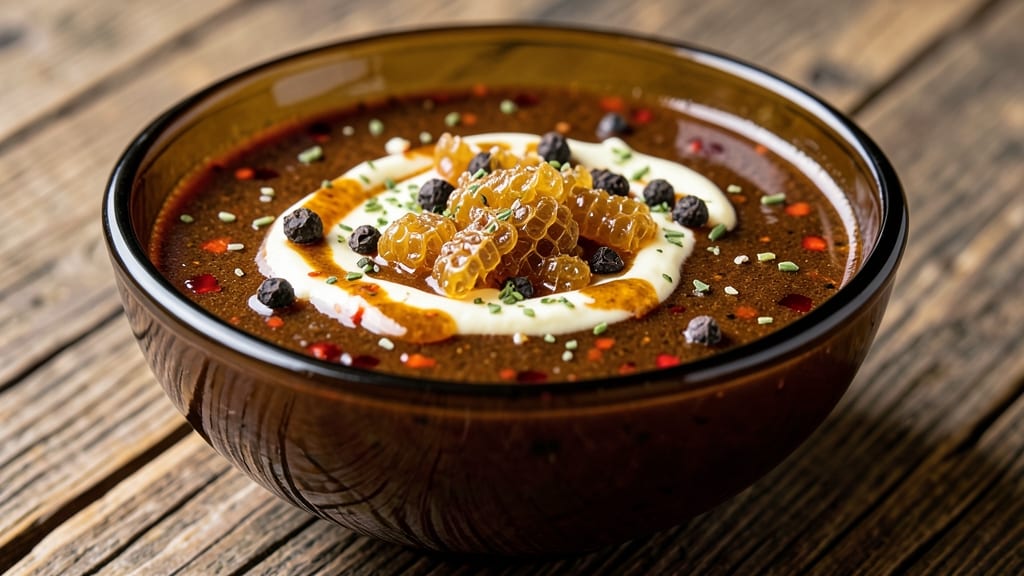
This Louisiana licker sauce recipe transforms simple ingredients into a creamy, tangy masterpiece that elevates fried foods to new heights. 🔥 Born in Cajun country, this sauce blends vinegar, sugar, and cayenne for a perfect balance of heat and sweetness that cuts through crispy textures.
The secret lies in simmering until thick and glossy, creating a sauce that clings to every bite of po' boys, hush puppies, or shrimp.
What sets this recipe apart is its versatility—it works as both a dipping sauce and a bold topping, adding depth to fried dishes without overpowering them. The combination of mustard and hot sauce delivers a signature kick, while the sugar caramelizes slightly for a subtle complexity.
Unlike store-bought versions, this homemade sauce develops richer flavors as it sits, making it even more irresistible over time.
With just five core ingredients and 15 minutes of active time, you’ll have a sauce that rivals the best from Louisiana’s classic eateries. The key is patience: letting the mixture reduce slowly ensures a smooth, velvety consistency that’s neither too thin nor cloying.
This isn’t just a condiment—it’s the star of the plate, turning simple fried foods into an unforgettable experience.
Store leftovers in the fridge for up to two weeks, where the flavors deepen even more. For a twist, try swapping half the vinegar for apple cider or adding a splash of bourbon for a smoky depth. Ready to master this Cajun staple? Let’s get cooking.
Ingredients for louisiana licker sauce
Five core ingredients blend into Louisiana's iconic creamy, tangy sauce—perfect for po' boys and beyond.
| Ingredient | Amount | Notes |
|---|---|---|
| White Vinegar 🍶 | 1 cup | Distilled or white vinegar preferred |
| Granulated Sugar 🍚 | ½ cup | Light or dark brown sugar works too |
| Hot Sauce 🌶️ | 2 tbsp | Crystal or Tabasco for classic heat |
| Dijon Mustard 🥬 | 1 tbsp | High-quality for best flavor |
| Cayenne Pepper 🔥 | ½ tsp | Adjust for desired heat level |
| Celery Seeds 🧅 | 1 tsp | Ground or whole seeds work |
| Salt 🧂 | ½ tsp | Kosher or sea salt preferred |
| Black Pepper 🌶️ | ¼ tsp | Freshly ground for best flavor |
| Fresh Celery Ribs 🥬 | 2 pieces | For garnish and subtle flavor |
The vinegar is non-negotiable—distilled or white vinegar delivers the bright acidity this sauce needs. Trader Joe's and Whole Foods carry high-quality options, but the regular grocery store stuff works fine. For sugar, light or dark brown sugar adds subtle caramel notes, but granulated is traditional. The hot sauce? Crystal or Tabasco are the gold standards—avoid generic brands that taste like vinegar. Celery seeds might be the secret weapon here; Penzeys or bulk bins at natural markets have the freshest, most flavorful seeds.
No Dijon mustard? Yellow mustard in a pinch, but you'll lose that signature depth. Short on celery ribs? Fresh celery leaves work for garnish, or skip it entirely—this sauce shines without it. Want more heat? Add an extra 0.25 tsp cayenne. For a smoky twist, swap half the vinegar for apple cider vinegar. The key is balance—taste as you go, adjusting sweetness or heat to your preference. This sauce thickens as it cools, so don't over-reduce while simmering.
Let the sauce sit for at least 30 minutes before serving—flavors meld beautifully. Keeps in the fridge for two weeks, where it actually gets better. For a restaurant-quality touch, finish with a drizzle of olive oil before serving. Freezes well for up to 6 months—portion into ice cube trays for single-use servings. The celery ribs? Pulse in a food processor for a celery crown garnish that adds visual appeal and subtle flavor.
Why You'll Love This Recipe
- Five-Ingredient Magic: I swear, this sauce is the closest thing to a cooking hack. Just toss vinegar, sugar, hot sauce, mustard, and cayenne into a pot—no peeling, no dicing, no mess. Honestly, I’ve made it while waiting for water to boil.
- Sweet Heat Balance: That first tangy-sweet hit? Then the slow burn from the cayenne and hot sauce creeping in? It’s like a flavor rollercoaster, but one that actually makes sense. The Dijon mustard ties it all together—smooth, sharp, and just enough to keep you reaching for more.
- Game Day Secret: Between us, this is my go-to for tailgates and lazy Sundays. Drizzle it over fried chicken, toss it with fries, or even slather it on grilled corn—it’s the kind of sauce that turns simple food into a party. (Yes, even on a Tuesday night.)
- Pantry Goldmine: I’ve had this sauce sitting in my fridge for weeks, and it’s still as good as day one. Cheap to make, lasts forever, and costs way less than store-bought. Plus, the cayenne keeps it fresh longer—no weird funk, just pure heat.
Step-by-step instructions for Louisiana licker sauce
Here's how to craft this iconic Southern sauce with perfect balance and velvety texture.
🍳 Step 1: Combine Vinegar and Sugar for the Base
In a medium saucepan, combine the 1 cup white vinegar and ½ cup granulated sugar. Place over medium-high heat and bring to a gentle boil, stirring constantly with a wooden spoon to dissolve the sugar completely. You'll see the sugar crystals disappear and the mixture become clear—this takes about 3-4 minutes.
Let the mixture simmer for 5 minutes until reduced by about ¼ and slightly syrupy. This reduction concentrates the flavors and creates the sauce's signature tangy backbone. Keep a close eye on it—vinegar boils quickly and can easily burn if left unattended.
🥘 Step 2: Add Mustard, Hot Sauce, and Spices
Once reduced, remove the pan from heat and stir in the 1 tablespoon Dijon mustard, 2 tablespoons hot sauce, ½ teaspoon cayenne pepper, 1 teaspoon celery seeds, ½ teaspoon salt, and ¼ teaspoon black pepper. The mustard will thicken the sauce slightly, while the celery seeds add that signature celery crown flavor without needing fresh celery in the sauce itself.
Return the pan to low heat and stir constantly for 2-3 minutes to let the spices bloom and infuse the mixture. You'll notice the aroma become more complex—this is when the sauce starts developing its full character. The heat should be low enough to prevent burning but high enough to keep everything integrated.
🔥 Step 3: Simmer and Thicken to Perfection
Increase heat to medium-low and let the sauce simmer uncovered for 10-12 minutes, stirring occasionally. The sauce should gradually thicken to a glossy, creamy consistency that coats the back of a spoon. This is where patience pays off—rushing this step will leave you with a thin, vinegary sauce instead of the rich, velvety texture you want.
Taste as you go and adjust seasoning if needed. Most recipes call for a balance of sweet, tangy, and spicy, with the celery seeds providing that subtle depth. If it's too thin, simmer an additional 2-3 minutes to reach the right consistency. The sauce should coat a spoon but still be pourable—not so thick it becomes paste-like.
🍽️ Step 4: Finish with Fresh Celery and Rest
Remove the pan from heat and stir in the 2 pieces fresh celery ribs, cut into ¼-inch slices. Let the sauce steep for 5 minutes to absorb the celery's subtle flavor. Then, strain the sauce through a fine-mesh sieve to remove the celery pieces and any remaining seeds, pressing gently with a spoon to extract all the flavor.
Transfer the finished sauce to a clean jar or bowl and let it cool to room temperature. The sauce will continue to thicken slightly as it cools, so don't worry if it looks a bit thinner while warm. Louisiana licker sauce tastes best when served at room temperature, allowing all the flavors to meld perfectly. Store in the refrigerator for up to 1 week or freeze for up to 3 months.
Pro Tips For Making Louisiana Licker Sauce
- Simmer Slow and Steady: Louisiana licker sauce isn’t a race—after combining vinegar, sugar, and hot sauce, let it bubble gently for at least 10 minutes. Rushing this step leaves grainy sugar and underdeveloped flavors, no matter how good your ingredients are. I used to crank the heat and wonder why it tasted off.
- Balance the Vinegar First: Taste the vinegar-sugar mix before adding mustard or cayenne—adjust sweetness here, not later. Too much sugar later and you’ll end up with a cloying mess. (Yes, even if you’re impatient like me.)
- Skip the Cheap Hot Sauce: Store-bought hot sauce with artificial colors or aftertaste will ruin your sauce. Use Crystal or Tabasco—nothing else cuts through the vinegar’s bite like the real deal. Trust me, your taste buds will notice.
- Strain for Smoothness: After simmering, strain out any sediment or mustard seeds through a fine-mesh sieve. It’s a pain, but the texture goes from rustic to restaurant-quality. (Your future self will thank you.)
Best sauces and condiments for this dish
Classic Po' Boy Topping
This sauce is a must-have for Louisiana po' boys—whether it's shrimp, fried oysters, or catfish. The creamy texture clings beautifully to crispy fried breading, while the tangy-sweet-spicy balance cuts through the richness.
I like to drizzle it generously over my po' boy and sprinkle with crushed celery crown for extra crunch and flavor. 🥪
For the best experience, let the sauce sit at room temperature for 10-15 minutes before serving. This allows the flavors to meld perfectly, creating a harmonious blend that elevates every bite. The mustard and hot sauce combo adds depth, while the vinegar base keeps it bright and refreshing.
Hush Puppy Dipper
Hush puppies are a perfect match for licker sauce—it adds a bold, tangy contrast to their crispy exterior. I serve them as a dipping sauce in small bowls alongside fried shrimp or oysters.
The celery seeds give it that signature Cajun flavor without overpowering the delicate cornmeal crust of the hush puppies. 🍟
For extra flair, serve the sauce in a small cast-iron skillet or a glass jar with a spoon for dipping. The glossy finish makes it look as good as it tastes, and the heat level can be adjusted to suit your preference—from mild to fiery.
Fried Shrimp Accompaniment
Fried shrimp are transformed when paired with licker sauce. The sweet and spicy notes complement the shrimp's natural sweetness, while the vinegar cuts through the oiliness of the frying.
I like to serve it in a small ramekin on the side for dipping or drizzle it lightly over the top for a restaurant-style finish. 🍤
For a restaurant-quality touch, add a dash of Worcestershire sauce (about ½ teaspoon) to the finished sauce. This adds a savory depth that pairs exceptionally well with fried seafood. The celery crown garnish also adds a fresh, crunchy element that brightens the dish.
Oyster Roast Essential
At oyster roasts, this sauce is a game-changer. The tangy-sweet-spicy profile enhances the briny flavor of oysters, making every bite more flavorful. I like to serve it in small bowls alongside the oysters on the half shell, so guests can drizzle it as they please. 🦪
The mustard and hot sauce combo adds a rich, complex flavor that stands up to the bold taste of oysters. For a twist, add a splash of lemon juice (about 1 teaspoon) to the finished sauce for a bright, citrusy note that cuts through the richness.
Versatile Dipping Sauce
This sauce isn’t just for fried foods—it’s also amazing as a dipping sauce for fried chicken tenders, onion rings, or even fries. The creamy texture makes it perfect for scooping up crispy bits, while the spicy kick adds excitement to every bite.
I love serving it in a small pitcher with a wooden spoon for easy dipping. 🍗
For a smoother texture, blend the finished sauce for 10-15 seconds before serving. This removes any remaining seeds and creates a silky-smooth consistency that’s perfect for dipping. The sweetness balances the heat, making it a crowd-pleaser for all ages.
Nutrition facts
Frequently asked questions
Can I make licker sauce without vinegar?
Vinegar is essential for that signature tangy backbone, but you can substitute apple cider vinegar or rice vinegar for a slightly milder flavor. For a non-vinegar version, try using lemon juice (about ½ cup) mixed with 1 tablespoon sugar to mimic the acidity, though the texture will be thinner. The sauce won't have the same depth without vinegar's complexity.
How do I adjust the heat level?
The cayenne and hot sauce control the heat—start with ½ teaspoon cayenne and 2 tablespoons hot sauce for a classic balance. For milder heat, reduce the cayenne to ¼ teaspoon or swap half the hot sauce for extra mustard. For extra kick, add ½ teaspoon more cayenne or 1 teaspoon hot sauce. Taste as you go!
Can I make this sauce ahead of time?
This sauce actually tastes better after resting. Make it 1-2 days ahead and store in an airtight container in the fridge. The flavors meld beautifully, and it thickens further over time. For long-term storage, freeze in ice cube trays for single-use portions—thaw overnight in the fridge.
Why did my sauce turn out too thin?
Thin sauce usually means insufficient reduction time. Simmer uncovered for an extra 5-10 minutes until it coats the back of a spoon. If it's still too thin, mix 1 teaspoon cornstarch with 1 tablespoon cold water, stir into the sauce, and simmer for 2 more minutes. Avoid adding extra sugar—it'll just make the sauce sweeter, not thicker.
What's the best way to serve licker sauce?
Serve it at room temperature in small bowls or ramekins for dipping. For fried foods like po' boys, drizzle generously over the top and garnish with crushed celery crown or a dash of paprika. The sauce pairs perfectly with crispy textures—try it with fried shrimp, oysters, or hush puppies. For extra flair, add a drizzle of olive oil before serving.