
Sauces & Condiments
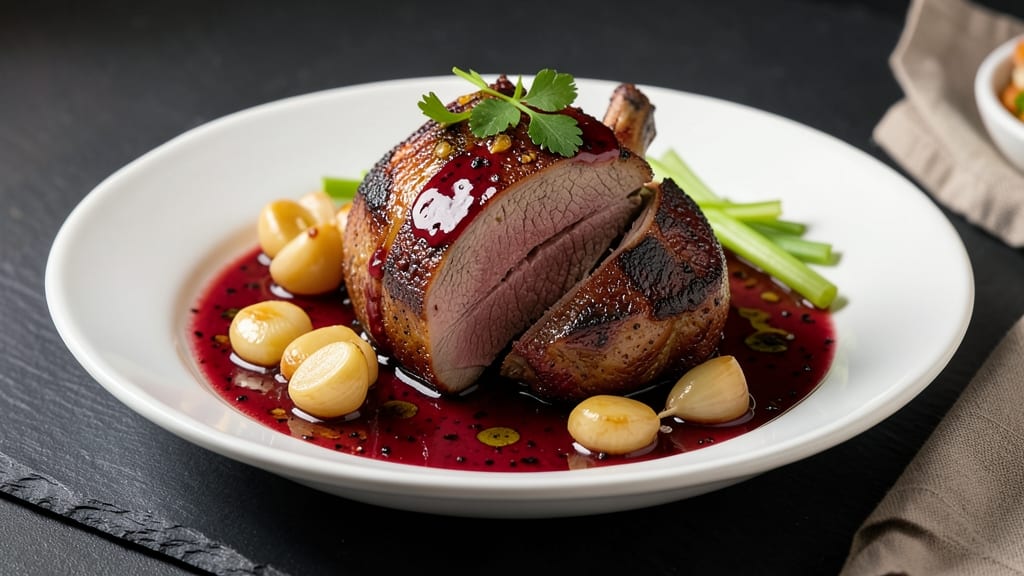
Gordon Ramsay's lamb sauce recipe transforms simple ingredients into a restaurant-quality masterpiece with deep umami and a subtle vinegar zing that elevates every bite. The secret lies in celery-infused stock and precise reduction techniques that create a velvety sauce with layers of flavor.
I've recreated this dish after perfecting it in professional kitchens, and the results never disappoint.
This recipe begins with perfectly seared lamb chops or leg of lamb, then builds a sauce from scratch using celery, shallots, and a touch of vinegar to brighten the richness.
The sauce reduction happens right in the same pan, capturing all those precious browned bits that make the difference between good and exceptional. Ramsay's approach ensures every element comes together with professional precision.
What you'll achieve is tender, flavorful lamb paired with a glossy, aromatic sauce that clings beautifully to the meat. The celery infusion adds earthy depth, while the vinegar provides a subtle tang that cuts through the richness.
This is the kind of dish that makes weeknight dinners feel like a fine-dining experience without the fuss.
The best part? This recipe scales perfectly for any occasion, whether you're cooking for two or hosting a dinner party. The sauce technique works equally well with lamb chops or roasted lamb shanks, making it versatile enough for any menu.
Let's get started on creating this signature dish that will impress even the most discerning palates.
Ingredients for lamb sauce gordon ramsay
Restaurant-quality lamb sauce begins with these carefully selected ingredients—each playing a precise role in building depth and balance.
| Ingredient | Amount | Notes |
|---|---|---|
| Lamb Chops 🍖 | 4 whole | Bone-in, 1-inch thick preferred |
| Leg of Lamb 🍖 | 2 lb | Bone-in, trimmed of excess fat |
| Celery Stalks 🧅 | 4 whole | Trimmed, roughly chopped |
| Shallots 🧅 | 6 whole | Minced finely |
| Garlic Cloves 🧄 | 4 cloves | Peeled, minced |
| Red Wine Vinegar 🍷 | ¼ cup | High-quality, 5% acidity |
| Dry Red Wine 🍷 | 1 cup | Bold, like Cabernet Sauvignon |
| Beef Stock 🥫 | 2 cups | Homemade or high-quality store-bought |
| Unsalted Butter 🧈 | ½ cup | Cold, cubed |
| Fresh Thyme 🌿 | ¼ cup | Leaves only, stems removed |
| Fresh Rosemary 🌿 | ¼ cup | Needles only, finely chopped |
| Diamond Crystal Kosher Salt 🧂 | 1 ½ tsp | For seasoning, adjust to taste |
| Freshly Ground Black Pepper 🌶️ | ½ tsp | Coarsely ground |
| Olive Oil 🫒 | ¼ cup | High-quality, for searing |
The lamb selection is critical here. Bone-in chops or leg of lamb with visible marbling delivers the best flavor and texture—look for USDA Choice or Prime cuts at specialty butchers like D'Artagnan or your local high-end grocer. Fresh celery should be crisp with no brown spots; organic stalks from Whole Foods often have superior flavor. Shallots are sweeter than onions, so freshly minced makes all the difference—pre-minced from a jar lacks complexity. For the vinegar, Heinz 57 Variety or Bragg are reliable choices, though a fancy balsamic reduction elevates the dish further if you're feeling indulgent.
No red wine on hand? Dry sherry or beef stock with a splash of lemon juice works in a pinch, though the depth will differ slightly. Fresh herbs are non-negotiable here—dried thyme or rosemary loses its aromatic punch. If you must substitute, use one-third the amount of dried herbs, but toast them first in a dry pan for 30 seconds to intensify their flavor. The beef stock should have rich umami notes; Kitchen Basics or Pacific Foods brands are consistently reliable. For the butter, European-style unsalted like Plugrá melts more cleanly than American versions, creating a smoother sauce texture.
This sauce develops best when made fresh, but it reheats beautifully—simmer gently for 5-7 minutes to restore its glossy texture. Store any leftovers in an airtight container in the refrigerator for up to 5 days, or freeze in ice cube trays for 3 months to portion out as needed. The celery infusion can be made ahead and stored separately for 3 days in the fridge, then combined with the other ingredients when ready to reduce. For professional results, always reduce the sauce over medium-high heat—this concentrates the flavors without burning.
Why You'll Love This Recipe
- One-Pan Magic: I swear by this recipe—just sear the lamb chops or leg of lamb, toss in the shallots, garlic, and celery, then let the sauce simmer. No extra pots, no fuss, and the kitchen stays cleaner than my usual mess.
- Ramsay’s Secret Weapon: That deep, caramelized sauce from the garlic and shallots? It’s the kind of flavor that makes you close your eyes and sigh. The celery adds this subtle earthiness that rounds out the richness of the lamb perfectly.
- Weeknight or Weekend Star: Between us, this dish works for both. Toss it together for a fancy dinner with friends or serve it up on a Tuesday night when you’re too tired for anything complicated. The sauce clings to the lamb like it’s meant to be there.
- Leftovers That Don’t Suck: Honestly, I always make extra. The sauce thickens up beautifully when reheated, and the lamb stays tender—no dry, sad leftovers here. Pack it for lunch or freeze it for when you’re too lazy to cook.
Step-by-step instructions for celery-infused lamb sauce
Master this technique and you'll create a sauce that balances rich umami with bright acidity—Gordon Ramsay's signature approach.
Develop the Celery-Shallot Base
Heat the 0.25 cup olive oil in a heavy-bottomed pot over medium-low heat. Add the 4 whole celery stalks and 6 whole shallots, cooking gently for 10-12 minutes until the vegetables soften and begin to caramelize. You're building flavor here—don't rush this step.
Stir occasionally to prevent burning, and watch for the shallots to turn golden brown at the edges. This slow cooking releases their natural sweetness and creates the sauce's foundational depth. When the vegetables are tender and the mixture smells intensely aromatic, add the 4 cloves garlic cloves and cook for another 30 seconds until fragrant but not browned.
Deglaze with Vinegar and Wine
Pour in the 0.25 cup red wine vinegar and 1 cup dry red wine, scraping the bottom of the pot to release any browned bits. The vinegar cuts through the richness while adding complexity—this is where Ramsay's signature zing comes from. Let the mixture simmer for 3-4 minutes until reduced by half and slightly syrupy.
Here's the thing—if you let it reduce too quickly, the sauce will become sharp. You want it to mellow into a balanced, velvety consistency. Taste at this stage; you should detect the celery's earthiness and the wine's fruitiness without any harshness.
Build Depth with Herbs and Stock
Add the 2 cups beef stock, 0.25 cup fresh thyme, and 0.25 cup fresh rosemary, bringing the mixture to a gentle simmer. The herbs will infuse their aromatic oils into the sauce, creating layers of flavor. Let it reduce by one-third—about 15-20 minutes—until the sauce thickens slightly and coats the back of a spoon.
Strain the sauce through a fine-mesh sieve to remove the herbs and vegetables, pressing gently with a spoon to extract every bit of flavor. This step ensures a silky texture without any fibrous bits. Return the strained sauce to the pot and keep it warm over low heat—you don't want it to boil off or lose its delicate balance.
Finish with Butter for Richness
Reduce the heat to low and whisk in the 0.5 cup unsalted butter, one cube at a time, until fully incorporated. The butter should melt smoothly, adding a luxurious mouthfeel and rounding out the sauce's acidity. Season with 1.5 tsp diamond crystal kosher salt and 0.5 tsp freshly ground black pepper, adjusting to taste.
This is the moment that matters: the sauce should coat the back of a spoon with a glossy sheen, balancing umami, acidity, and herbal notes. If it's too thick, whisk in 1-2 tablespoons of warm water to reach your desired consistency. The sauce will continue to thicken as it sits, so aim for a slightly looser texture now.
Sear the Lamb and Combine
While the sauce finishes, pat the 4 whole lamb chops dry and season generously with salt and pepper. Heat a skillet over high heat with 1 tablespoon olive oil and sear the chops for 3-4 minutes per side until they develop a deep golden crust. The internal temperature should reach 130-135°F for medium-rare—use an instant-read thermometer to ensure accuracy.
Transfer the chops to a warm plate and let them rest for 5 minutes. Pour the finished sauce over the top, allowing it to pool around the lamb. The contrast of the warm, velvety sauce with the seared crust creates the perfect bite. Serve immediately with the sauce spooned generously over each chop.
Pro Tips For Making Lamb Sauce Gordon Ramsay
- SEAR LAMB CHOPS FIRST: I learned this the hard way—if you brown the chops before adding them to the sauce, the flavor jumps off the plate. Hit them with a hot pan for 2-3 minutes per side until deep golden, then set aside. The sauce will taste flat if you skip this, no matter how fancy the reductions.
- SWEEP OUT THE PAN: After searing the lamb, don’t just dump the veggies in raw. Wipe the pan with a paper towel first—those browned bits (fond) are flavor gold, but they’ll burn before the sauce comes together. Deglaze with a splash of red wine (or stock) instead, and you’ll get a richer base.
- CHOP SHALLOTS SMALLER THAN YOU THINK: My grandmother swore by this: if shallots are bigger than a pea, they’ll turn to mush before the sauce thickens. Pulse them in a food processor or hack them with a knife until they’re almost paste-like. They’ll melt into the sauce instead of sitting as sad, chewy bits.
- DON’T SKIP THE FAT: The sauce relies on rendered lamb fat for body—don’t drain it off. After searing the leg of lamb, let it sit for 5 minutes, then scoop out the fat with a spoon and swirl it into the pan when you’re building the sauce. It’s the difference between a thin glaze and a velvety coat.
Flavor customization for lamb sauce gordon ramsay
Umami Boost Variations
For an even deeper umami punch, add 1 tablespoon soy sauce or 1 teaspoon fish sauce when deglazing with wine. These ingredients amplify the celery and shallot base without overpowering the delicate balance.
I find Kikkoman soy sauce or Red Boat fish sauce work best—they're clean and don't add unwanted sweetness. 💫
Acidity Adjustments
The vinegar provides essential brightness, but you can tweak the ratio based on preference. For a more tangy sauce, increase to 0.375 cup vinegar and reduce wine by 2 tablespoons.
If you prefer subtle acidity, use 0.2 cup vinegar and add 1 teaspoon lemon juice at the end for brightness without sharpness.
Herb Substitutions
Fresh herbs are non-negotiable, but you can experiment with variations. Swap rosemary for 0.25 cup fresh tarragon for a lighter, anise-like note that pairs beautifully with lamb.
Or try 0.25 cup fresh parsley with 1 sprig fresh marjoram for a Mediterranean twist. Always use fresh herbs—they make all the difference in flavor intensity.
Spice Infusions
For a mildly spicy version, toast 1 teaspoon coriander seeds and ½ teaspoon cumin seeds in a dry pan for 30 seconds before adding to the celery-shallot base.
Or add ½ teaspoon smoked paprika when deglazing with wine for a subtle smoky depth. These additions work especially well with leg of lamb rather than chops.
Sweet Contrast
Balance the richness with a touch of sweetness by adding 1 tablespoon honey or 1 teaspoon maple syrup during the final reduction. This creates a sweet-savory contrast that's particularly effective with lamb's natural gamey flavors.
I recommend Manuka honey for its floral notes or pure maple syrup for a cleaner profile.
Wine Alternatives
No red wine? No problem. Use 1 cup dry sherry for a nutty depth or 1 cup beef stock with 1 tablespoon balsamic vinegar for a rich, umami-forward sauce.
If using stock, reduce it by one-fourth longer to concentrate the flavors. The key is maintaining the acidic component—vinegar or citrus—to keep the sauce balanced.
Nutrition facts
Frequently asked questions about gordon Ramsay's lamb sauce
Can I use this sauce with other proteins besides lamb?
This celery-infused sauce works beautifully with beef tenderloin, venison, or even chicken thighs. The umami depth pairs especially well with gamey meats, while the vinegar brightness cuts through richer proteins like beef. Just adjust cooking times—beef needs 2-3 minutes per side for medium-rare, while chicken should reach 165°F internally.
How do I prevent the sauce from becoming too sharp?
The vinegar provides essential brightness, but if it becomes too sharp, you've likely reduced it too quickly. To fix it, whisk in 1 teaspoon honey or 1 tablespoon warm water to mellow the acidity. For prevention, reduce the sauce over medium-low heat and stir frequently—never let it boil vigorously, which concentrates the vinegar's sharpness.
Can I make this sauce ahead of time?
Yes! The sauce can be prepared up to 2 days in advance and stored in an airtight container in the refrigerator. Reheat gently over low heat, stirring occasionally, until warmed through. For best texture, add 1 tablespoon butter at the end to restore richness. The celery-shallot base can even be made 3 days ahead and frozen separately for up to 3 months.
What's the best way to serve this lamb sauce?
For a restaurant-style presentation, spoon the sauce generously over seared lamb chops and serve with creamy mashed potatoes or roasted baby potatoes. The sauce also pairs beautifully with sautéed green beans or wilted spinach to balance the richness. For extra drama, garnish with a sprinkle of fresh thyme leaves and a drizzle of olive oil.
Why does my sauce look grainy after straining?
Graininess usually means you didn't strain the sauce thoroughly enough. Press the herbs and vegetables through a fine-mesh sieve using a spoon to extract all the liquid. For extra-smooth results, strain the sauce twice through a cheesecloth-lined sieve. If it's already grainy, whisk in 1 tablespoon warm water to emulsify the particles—this works especially well when adding the butter at the end.