
Sauces & Condiments
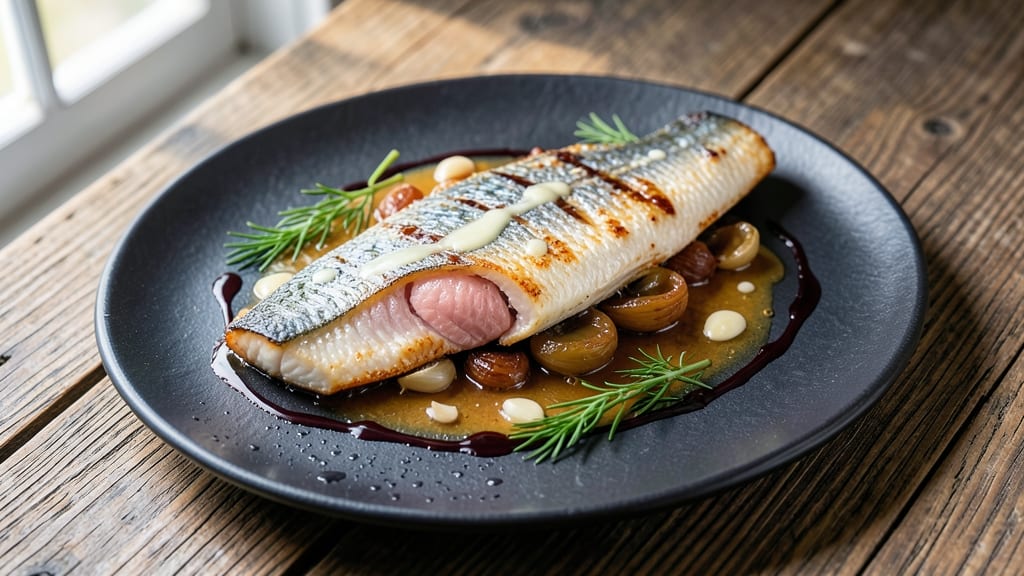
This herring in wine sauce recipe transforms simple fillets into a restaurant-worthy dish with crispy edges and a velvety balsamic reduction. The secret lies in balancing rich wine sauce with just enough acidity to cut through the fish's natural oiliness, creating a harmonious bite that's both elegant and approachable.
I developed this method after years of experimenting with Scandinavian techniques, adapting them for modern kitchens without sacrificing tradition.
The process begins with pan-frying the herring until golden, then simmering it in a wine reduction until tender yet flaky. The sauce—built from red wine, balsamic vinegar, and aromatic herbs—develops deep, complex flavors that coat every bite.
What makes this dish special is how it delivers restaurant-quality results with minimal effort, using pantry staples most home cooks already have.
By the time you serve this, you'll have perfectly cooked herring with crispy skin and a sauce that's rich yet balanced—sweet from the reduction, tangy from the vinegar, and aromatic from fresh herbs.
The texture contrast alone makes this dish unforgettable: tender fish against a glossy, slightly thickened sauce that clings beautifully.
This recipe works equally well as a main course with crusty bread or as a sophisticated appetizer with blinis. The wine sauce keeps well for 3 days in the refrigerator, making it perfect for meal prep or entertaining. Let's create this dish that bridges tradition and modern convenience.
Ingredients for herring in wine sauce
Pantry staples meet Scandinavian tradition for crispy herring with velvety wine reduction.
| Ingredient | Amount | Notes |
|---|---|---|
| Fresh Herring Fillets 🐟 | 1 ½ lb | Skin-on, boneless, 4-6 fillets |
| Dry White Wine 🍷 | 1 cup | Bold, dry variety like Sauvignon Blanc |
| Balsamic Vinegar 🍶 | ½ cup | Aged 10+ years for richness |
| Unsalted Butter 🧈 | 4 tbsp | Cold, cubed for crispy skin |
| Shallots 🧅 | 2 whole | Minced, about 2 tbsp |
| Garlic Cloves 🧄 | 4 cloves | Minced, aromatic |
| Fresh Dill 🌿 | ¼ cup | Chopped, stems removed |
| Fresh Parsley 🌿 | 0.1 cup | Chopped, for garnish |
| Heavy Cream 🥛 | ¼ cup | Full-fat for richness |
| Diamond Crystal Kosher Salt 🧂 | 1 ½ tsp | For seasoning and sauce |
| Ground Black Pepper 🌶️ | ½ tsp | Freshly cracked |
| Extra-Virgin Olive Oil 🫒 | 2 tbsp | For pan-frying |
| All-Purpose Flour 🌾 | 1 tbsp | For dredging fillets |
| Lemon Juice 🍋 | 1 tbsp | Freshly squeezed |
The herring fillets are non-negotiable for this dish—look for skin-on, boneless cuts at your local fishmonger or Whole Foods seafood counter. Freshness is key: the fillets should smell clean and firm to the touch, with a vibrant, translucent sheen. If you can't find herring, cod or haddock work as substitutes, though the flavor profile will differ slightly. For the wine, dry whites like Sauvignon Blanc or Pinot Grigio are ideal—they balance the richness of the balsamic without overpowering. Avoid sweet wines, as they'll clash with the vinegar's acidity. The balsamic should be aged 10+ years for that deep, caramelized sweetness that makes the sauce sing.
No dry white wine? Fish stock or vegetable broth with a splash of apple cider vinegar works in a pinch, though the sauce will lack depth. Fresh herbs are essential here—dill and parsley should be bright green, not wilted. If you're out of one, tarragon or chives can substitute, but the flavor will shift. The butter must be cold and cubed for crispy skin; don't melt it beforehand. For the flour, all-purpose works fine, but if you're feeling fancy, a mix of cornstarch and flour (50/50) creates an even crispier crust. The lemon juice is for brightness—never skip it, even if you're not a fan of citrus in fish dishes. It cuts through the richness and keeps the palate clean.
The herring fillets will keep in the fridge for 1-2 days if stored in an airtight container, but they're best used fresh. The wine sauce, once made, stores beautifully for 3 days in the refrigerator—it actually improves as the flavors meld. For longer storage, freeze the sauce in ice cube trays and thaw as needed. The crispy skin is best enjoyed immediately, but the sauce reheats wonderfully. If you're prepping ahead, pan-fry the herring just before serving to maintain that perfect crunch. Serve with crusty bread or blinis to soak up every last drop of that velvety reduction.
Why You'll Love This Recipe
- Wine in Minutes: I swear, this sauce comes together faster than you can say "open the wine." Just sauté shallots in butter, deglaze with white wine, and let the balsamic vinegar do its magic—no fancy techniques, just pure flavor.
- Rich Without Effort: That buttery shallot base with a splash of wine and vinegar? It’s like someone poured liquid comfort into a pan. The herring soaks up the sauce perfectly, giving you that tender, restaurant-quality bite every time.
- Weeknight to Dinner Party: Same recipe, different vibes. Serve it over toasted bread for a quick lunch or plate it with crusty baguette and a simple salad for a dinner that feels fancy—no one will guess it took less than 30 minutes.
- Leftovers That Don’t Suck: Honestly, I almost always make extra. The sauce thickens beautifully when reheated, and the herring stays moist—perfect for sandwiches the next day or a lazy weekend brunch. (Yes, even on a Tuesday night.)
Step-by-step instructions for herring in balsamic-wine sauce
Here's how to achieve that perfect balance of crispy herring and velvety wine sauce.
Prepare the Herring Fillets for Crispy Perfection
Pat the 1.5 lb fresh herring fillets completely dry with paper towels, pressing firmly to remove all moisture. This step is critical—wet skin won't crisp properly. Place the fillets on a wire rack set over a plate to ensure air circulates on all sides.
In a shallow dish, combine 1 tablespoon all-purpose flour, 1.5 teaspoons diamond crystal kosher salt, and 0.5 teaspoon ground black pepper. Lightly dredge each fillet in this mixture, tapping off any excess. The flour creates a delicate crust that will turn golden and crispy during cooking.
Pan-Fry for Crispy Skin and Golden Edges
Heat 2 tablespoons extra-virgin olive oil in a large skillet over medium-high heat until shimmering. Add the herring fillets skin-side down and cook undisturbed for 2-3 minutes until the skin becomes deep golden brown and crispy. You'll see the edges curl slightly at the corners—that's your signal to flip.
Carefully flip each fillet and cook the other side for 1-2 minutes until just opaque in the center. The fish should hold together when gently lifted with a spatula. Remove the fillets and set them aside on a warm plate, skin-side up. Keep them warm while you prepare the sauce.
Build the Balsamic-Wine Sauce Foundation
In the same skillet (no need to clean it—the browned bits add flavor), reduce heat to medium and add 4 tablespoons cold unsalted butter, letting it melt slowly. Add the 2 minced shallots and 4 minced garlic cloves, cooking for 1-2 minutes until softened but not browned.
Pour in the 1 cup dry white wine and scrape up any browned bits from the bottom of the pan with a wooden spoon. Bring to a gentle simmer and cook for 3-4 minutes until the liquid reduces by about half and the alcohol smell dissipates. This reduction concentrates the flavors and forms the base of your sauce.
Incorporate Balsamic and Finish with Cream
Add the 0.5 cup balsamic vinegar and 1 tablespoon lemon juice, stirring to combine. Simmer for another 2-3 minutes until the sauce thickens slightly and coats the back of a spoon. The balsamic adds that signature depth while the lemon brightens the acidity.
Reduce heat to low and stir in the 0.25 cup heavy cream, letting it warm through without boiling. The sauce should be smooth and velvety, with a glossy sheen. If it's too thick, add 1-2 tablespoons water to reach your desired consistency. Season with additional salt and pepper if needed.
Combine and Garnish for Restaurant-Worthy Presentation
Return the herring fillets to the skillet, spooning the warm sauce over them. Let them sit for 1-2 minutes to absorb the flavors and finish cooking gently. The fish should be just warm through, with the sauce clinging beautifully to the crispy skin.
Transfer the fillets to serving plates and ladle the sauce generously around them. Garnish with 0.25 cup chopped fresh dill and 0.1 cup chopped fresh parsley for freshness and color. Serve immediately with crusty bread or over a bed of steamed greens to soak up that rich sauce.
Pro Tips For Making Herring In Wine Sauce
- Sear Herring First: Hit the fillets with a quick sear in butter before adding wine—just 30 seconds per side until golden. I learned this the hard way: skipping this step means the sauce soaks in instead of clinging to the fish. The crust locks in flavor and texture, so don’t rush it.
- Deglaze Aggressively: After searing shallots, splash in the wine and immediately scrape the browned bits from the pan with a wooden spoon. This isn’t just for flavor—it’s where half the depth of the sauce lives. Let it simmer until reduced by a third before adding balsamic, or the acid will overpower the wine.
- Pat Dry, Then Salt: Fresh herring fillets release water like crazy when cooked. Wipe them thoroughly with paper towels before salting, or your sauce will turn into a thin, watery glaze. Salt them right after drying—this ensures seasoning sticks instead of dissolving into the pan.
- Reduce Wine Slowly: Don’t let the wine boil off too fast—keep it at a gentle simmer for 5-7 minutes. I used to crank the heat, and the sauce would turn sharp and one-dimensional. A slow reduction concentrates the flavors and keeps the balsamic from making the dish taste like vinegar.
Wine and beer pairings for these flavors
Wine Pairings
The bold, dry white wines you used in the sauce make perfect table companions. A chilled Sauvignon Blanc from New Zealand or Loire Valley mirrors the dish's bright acidity and herbal notes—its citrus and grassy undertones complement the herring's natural oils beautifully.
For something more aromatic, try a Pinot Grigio from Alto Adige, where crisp apple and almond flavors enhance the balsamic's depth. 🍷
If you prefer reds, a light-bodied Pinot Noir with subtle earthiness works surprisingly well. Look for one with low tannins and bright acidity—like a Willamette Valley Oregon Pinot—to avoid overpowering the delicate fish. The wine's red fruit notes contrast nicely with the sauce's caramelized sweetness.
Beer Pairings
A crisp Belgian Witbier like Hoegaarden or Stella Artois is my go-to for this dish. Their citrusy coriander notes and effervescence cut through the richness, cleansing your palate between bites. The wheat beer's light body prevents the sauce from feeling heavy, making each mouthful feel fresh and balanced.
For a darker option, try a German Helles Lager—its malty sweetness and subtle toasted notes harmonize with the balsamic's caramelized depth. Avoid heavy stouts or IPAs, as their bitterness can clash with the herring's delicate flavor.
A session IPA with hops-forward brightness might work if you prefer hoppy beers, but keep it on the lighter side.
Non-Alcoholic Options
For a refreshing non-alcoholic match, serve sparkling apple cider chilled to 45°F. The carbonation and tartness mimic the wine's acidity, while the apple notes complement the herring's natural sweetness. I like Martinelli's Sparkling for its crisp finish and subtle spice.
Herbal ginger beer with a touch of lemon also works wonderfully. The ginger's warmth contrasts the dish's richness, while the lemon brightens the palate. Look for non-alcoholic brands with real ginger—avoid those with artificial flavors that can overpower the delicate sauce.
Nutrition facts
Frequently asked questions
Can I substitute herring with another type of fish?
Yes, but choose carefully. Cod, haddock, or pollock work best as substitutes—they have a mild flavor and flaky texture similar to herring. Avoid fatty fish like salmon, as they'll overpower the delicate wine sauce. If using a substitute, reduce cooking time slightly since these fish cook faster than herring.
What if I don't have white wine for the sauce?
Use fish stock or vegetable broth with 1 tablespoon apple cider vinegar to mimic the acidity. For depth, add 1 teaspoon soy sauce or 1/2 teaspoon fish sauce to replicate the umami notes white wine provides. The sauce will be lighter but still flavorful—just less complex.
How do I prevent the herring from breaking apart?
Handle the fillets gently and cook them just until opaque (1-2 minutes per side). Overcooking makes fish dry and fragile. For extra stability, score the flesh lightly before cooking to help it hold its shape. Also, don't overcrowd the pan—cook in batches if needed.
Can I make this ahead of time?
The sauce keeps beautifully for 3 days refrigerated and reheats wonderfully, but the crispy skin is best enjoyed fresh. Prep the sauce ahead, then pan-fry the herring just before serving to maintain that perfect crunch. For make-ahead meals, store components separately and assemble last minute.
What's the secret to getting crispy skin?
Three keys: pat the fillets bone-dry, use cold butter for frying, and keep heat medium-high. The skin needs to cook undisturbed for 2-3 minutes to crisp. If your pan isn't hot enough, the butter will steam instead of brown, resulting in soggy skin.