
Sauces & Condiments
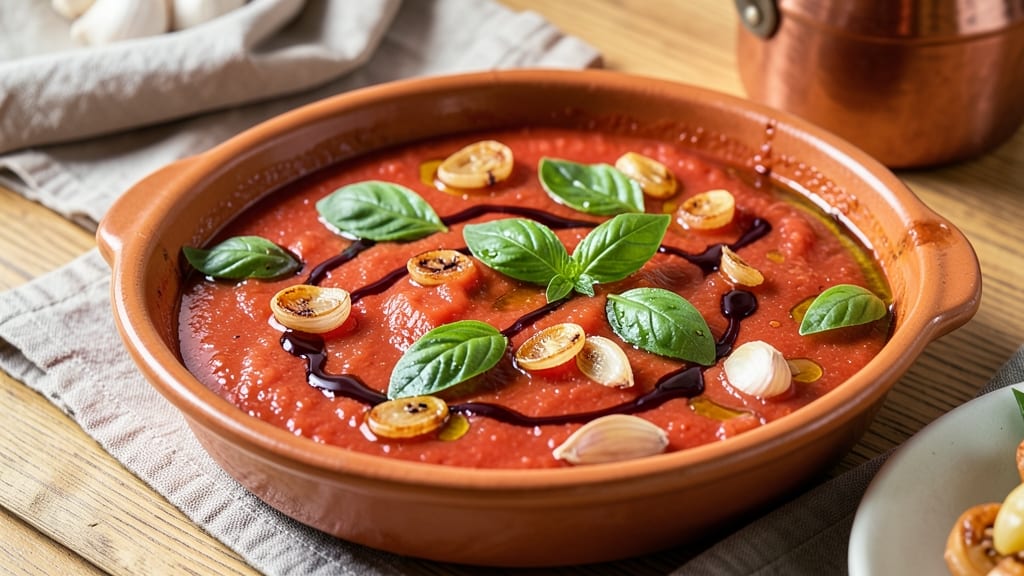
Ina Garten’s fresh tomato sauce transforms simple ingredients into a vibrant, herby base that elevates every meal. The secret lies in balancing ripe tomatoes, fresh basil, and aromatic garlic without overpowering them with spices—just enough to let the natural sweetness shine through.
This isn’t your heavy, canned sauce; it’s bright, versatile, and ready in under 30 minutes.
What makes this sauce special is its adaptability—use it as a marinara for pasta, a topping for pizza, or even a dip for crusty bread. The key technique is simmering the tomatoes gently to concentrate their flavor while keeping the texture smooth or slightly chunky, depending on your preference.
No dry spice mixes here; just fresh ingredients that sing when combined.
By the end, you’ll have a sauce that’s rich in flavor but light enough to let other ingredients—like garlic, herbs, or even a splash of wine—shine. It keeps beautifully in the fridge for up to a week, making it perfect for meal prep.
The best part? It’s foolproof, even for beginners, and delivers restaurant-quality results every time.
Whether you’re serving it over al dente pasta or drizzling it on grilled vegetables, this sauce is the foundation of countless meals. Let’s get started—your kitchen will thank you.
Ingredients for fresh tomato sauce recipe ina garten
Fresh tomatoes, basil, and garlic shine in this bright, herby sauce—just 10 simple ingredients for bold flavor.
| Ingredient | Amount | Notes |
|---|---|---|
| Ripe Tomatoes 🍅 | 2 ½ lb | Roma or vine-ripened, halved |
| Fresh Basil Leaves 🌿 | ½ cup | Packed, stems removed |
| Garlic Cloves 🧄 | 4 cloves | Peeled, thinly sliced |
| Extra-Virgin Olive Oil 🫒 | ¼ cup | High-quality, fruity |
| Shallots 🧅 | 2 whole | Minced, or sub with onion |
| Dry Red Wine 🍷 | ½ cup | Bold, like Cabernet Sauvignon |
| Salt 🧂 | 1 tsp | Diamond Crystal preferred |
| Freshly Ground Black Pepper 🌶️ | ½ tsp | Adjust to taste |
| Sugar 🍬 | 1 tsp | Optional, balances acidity |
| Fresh Lemon Juice 🍋 | 1 tbsp | Brightens flavors |
The tomatoes are the heart of this sauce. Roma tomatoes hold their shape best, but vine-ripened ones add natural sweetness—just make sure they're ripe. I grab mine from the local farmers market in summer, but grocery store tomatoes work too. Look for ones that yield slightly to pressure. Fresh basil is non-negotiable here—Trader Joe's or Whole Foods usually have the best quality. The shallots add depth, but if you're in a rush, a pinch of onion powder works in a pinch. For the wine, any bold red will do—Cabernet Sauvignon or Merlot are my go-tos, but whatever's open in your fridge works too.
No red wine? Substitute with extra tomato paste or beef broth—just add a splash of balsamic vinegar for acidity. Short on basil? Dried basil at one-third the amount gets you close, but fresh is ideal. The sugar is optional but helps balance the acidity if your tomatoes are tart. Brown sugar works too, but white sugar dissolves faster. For the olive oil, don't skimp—high-quality extra-virgin makes all the difference. If you're making this ahead, the sauce actually improves overnight as flavors meld. The lemon juice at the end is key—it brightens everything up and cuts through the richness.
This sauce keeps beautifully in the fridge for up to 1 week, though it's best within the first 3 days. For longer storage, freeze in ice cube trays—perfect for adding to pasta or soups later. If you make a big batch, portion it into glass jars so it stays fresh. The sauce reheats beautifully—just warm it gently on the stove or microwave until hot. Leftovers taste even better the next day as the flavors deepen. Trust me, you'll want to make extra.
Why You'll Love This Recipe
- Foolproof Freshness: I don’t need to blanch tomatoes or peel seeds—just chop, crush garlic into the oil, and let the heat work its magic. The shallots caramelize while the sauce simmers, and by the time the basil hits, you’ve got that just-pulled-from-the-garden depth without the fuss.
- Herb-Packed Punch: That moment when you tear fresh basil into the warm sauce? Pure satisfaction. The garlic and olive oil sing together, but the basil—oh—it lifts everything, turning a simple tomato base into something dangerously addictive. Even my basil-skeptical husband asks for seconds.
- Weeknight Workhorse: Slather it on crusty bread for dinner, toss it with pasta for lunch, or freeze half for when you’re too tired to cook. Between us, I’ve used this sauce to dress up scrambled eggs (yes, really) and as a marinade for grilled chicken—it’s my go-to when I need flavor on autopilot.
- Budget Magic: A single batch of tomatoes and shallots stretches across three meals, and I’m not exaggerating. The olive oil is rich but controlled, and the basil adds freshness without breaking the bank. Honestly, it’s the kind of recipe that makes grocery day feel like a win.
Step-by-step instructions for ina Garten's fresh tomato sauce
This bright, herby sauce comes together in one pot with minimal effort—just a few simple steps to transform ripe tomatoes into something extraordinary.
Sauté Shallots and Garlic Until Fragrant
Heat the 0.25 cup extra-virgin olive oil in a large, heavy-bottomed pot over medium heat. Add the 2 whole minced shallots and cook for 3-4 minutes until softened and translucent. Here's the thing—don't rush this step. You want the shallots to melt into the oil without browning, which would make the sauce bitter.
Add the 4 cloves thinly sliced garlic and cook for another 30 seconds until the aroma fills your kitchen. The garlic should just begin to turn golden around the edges—this is when you'll know it's ready. If it darkens too quickly, reduce the heat slightly. This aromatic base sets the flavor foundation for the entire sauce.
Add Tomatoes and Simmer Until Broken Down
Pour in the 2.5 lb halved ripe tomatoes and stir gently to combine with the shallots and garlic. Add the 1 tsp salt, 0.5 tsp freshly ground black pepper, and 1 tsp sugar (if using). Bring the mixture to a gentle simmer over medium-low heat, then reduce to the lowest setting that maintains a steady simmer.
Let the tomatoes cook uncovered for 20-25 minutes, stirring occasionally. You'll see the tomatoes break down into a rustic, chunky sauce. The sauce should reduce slightly but still maintain some texture—this is perfect for a bright, fresh tomato sauce. If the sauce starts to stick, add 1-2 tablespoons of water to keep it moving.
Deglaze with Red Wine and Lemon Juice
Pour in the 0.5 cup dry red wine and scrape up any browned bits from the bottom of the pot—these contain concentrated flavor. Let the wine simmer for 3-4 minutes until it's mostly evaporated. This deglazing step adds depth to the sauce without overpowering the tomato flavor.
Stir in the 1 tbsp fresh lemon juice and the 0.5 cup packed fresh basil leaves. The lemon juice brightens the sauce, while the basil adds that signature herby freshness. Taste and adjust the seasoning—you might need a touch more salt or pepper depending on your tomatoes. Let the sauce simmer for another 5 minutes to meld all the flavors together.
Blend for Smoothness (Optional) or Leave Rustic
For a completely smooth sauce, use an immersion blender to puree the mixture until silky. If you prefer a rustic texture with visible tomato chunks, simply stir well and leave it as is. I like to leave mine slightly textured—it reminds me of a classic Italian salsa.
Remove the pot from heat and let the sauce rest for 5 minutes before serving. This resting time allows the flavors to settle and the sauce to thicken slightly. The result should be vibrant, balanced, and bursting with fresh tomato flavor—perfect for pasta, grilled meats, or as a topping for bruschetta.
Pro Tips For Making Fresh Tomato Sauce Recipe Ina Garten
- Sear Shallots First: I learned this the hard way—raw shallots just melt into the sauce without adding texture. Sauté them in olive oil until golden (about 3-4 minutes) before tossing in the tomatoes. That caramelized bite makes the whole dish sing.
- Crush Garlic, Don’t Mince: Sounds weird, but it works: smash whole garlic cloves with the flat of your knife before adding them. They release flavor more gently than minced garlic, which can turn bitter. Plus, you’ll spend less time stirring around burnt bits.
- Blister Tomatoes First: High heat. Seriously, crank it up. Toss halved tomatoes in a screaming-hot pan for 2-3 minutes until they blister and release juices. This concentrates the flavor way faster than simmering raw tomatoes, and the sauce won’t taste watery.
- Swirl in Basil at End: Tear the basil leaves (don’t chop—it turns bitter) and fold them in just before serving. If you simmer them too long, they’ll turn the sauce into a sad, murky green sludge. Save the freshness for the last minute.
Regional styles of this fresh tomato sauce recipe ina garten
Italian Rustic Style
In Italy, this sauce is all about simplicity and freshness. I love making it with San Marzano tomatoes—their sweetness and low acidity make them perfect for a rustic sauce.
Italians often use a mix of fresh basil and oregano for depth, but I stick to just basil to keep it bright. The key is to simmer the sauce uncovered to let the flavors concentrate naturally.
Finish with a drizzle of extra-virgin olive oil right before serving—it adds richness and ties everything together. 🌿
Southern U.S. Twist
Down South, we love to add a little heat and smokiness to tomato sauce. Swap the red wine for ½ cup beef broth and add ½ tsp smoked paprika or ¼ tsp cayenne pepper for a subtle kick.
A pinch of ground cumin also works beautifully—it gives the sauce a warm, earthy note that pairs perfectly with grilled chicken or BBQ. I’ve even seen folks add a splash of hot sauce at the end for extra fire. 🌶️
Portland Pacific Northwest
Out here in Portland, we lean into local ingredients and bold flavors. I often substitute the red wine for ½ cup local pinot noir (it’s what I drink anyway!) and add 1 tsp fresh thyme for an earthy touch.
For a vegetarian twist, I stir in ½ cup roasted red peppers from New Seasons Market to give it a smoky depth. The Pacific Northwest’s cool climate means we can use heirloom tomatoes year-round—just make sure they’re ripe and sweet. 🍷
Mediterranean Herb Blend
For a Mediterranean-inspired version, blend in 1 tbsp chopped fresh parsley and 1 tsp dried marjoram at the end. The parsley adds freshness, while marjoram gives it that classic Provençal touch. I also like to add 1 minced sun-dried tomato (soaked in water first) for a salty, umami boost.
This version is perfect for drizzling over grilled fish or roasted vegetables. Trust me, the herbs take this sauce to the next level. 🌿
Spicy Mexican Salsa
Turn this sauce into a vibrant salsa roja by adding 1 diced jalapeño (seeds removed for less heat) and 1 tbsp lime juice instead of lemon. Swap the basil for ½ cup chopped cilantro and finish with ½ tsp ground cumin.
This version is perfect for tacos, nachos, or as a dip for tortilla chips. The acidity from the lime balances the tomatoes beautifully, and the jalapeño adds just the right amount of kick. 🌶️
Nutrition facts
Frequently asked questions
Can I use canned tomatoes instead of fresh for this recipe?
While fresh tomatoes give the brightest flavor, you can substitute with 2 (28 oz) cans crushed tomatoes for convenience. Just reduce the simmering time to 15-20 minutes since canned tomatoes are already broken down. Add 1 extra tablespoon of sugar to balance any acidity, and increase basil to ¾ cup to compensate for the lack of freshness.
How do I adjust this sauce for vegetarian or vegan diets?
This recipe is already vegetarian-friendly! For vegan, simply omit the wine (or use ½ cup vegetable broth) and ensure your olive oil is certified vegan. The sauce naturally contains no animal products, making it perfect for plant-based diets. The lemon juice and herbs keep it bright and flavorful without any dairy or meat components.
What's the best way to store leftover tomato sauce?
Store in an airtight container in the fridge for up to 1 week, or freeze in ice cube trays for single-serving portions. For longer storage, transfer to a freezer-safe jar leaving ½ inch headspace to prevent cracking. Thaw overnight in the fridge—never at room temperature—and reheat gently on the stove. The sauce actually tastes better after a few days as flavors meld!
Can I make this sauce without wine?
Skip the wine and use ½ cup tomato paste or ½ cup beef/vegetable broth instead. For depth, add 1 teaspoon balsamic vinegar or ½ teaspoon red wine vinegar with the lemon juice. The sauce will still be delicious—just slightly less complex. This works especially well if you're serving it with hearty dishes like meatballs or roasted meats.
Why does my sauce taste too acidic?
Acidity comes from unripe tomatoes or too much lemon juice. Balance it by adding ½ teaspoon sugar or 1 extra tablespoon of olive oil to coat your taste buds. For future batches, use fully ripe tomatoes and reduce lemon juice to 1 teaspoon. If the sauce is already cooked, a pinch of salt and a splash of heavy cream (or coconut milk for vegan) can help round out the flavors.