
Sauces & Condiments
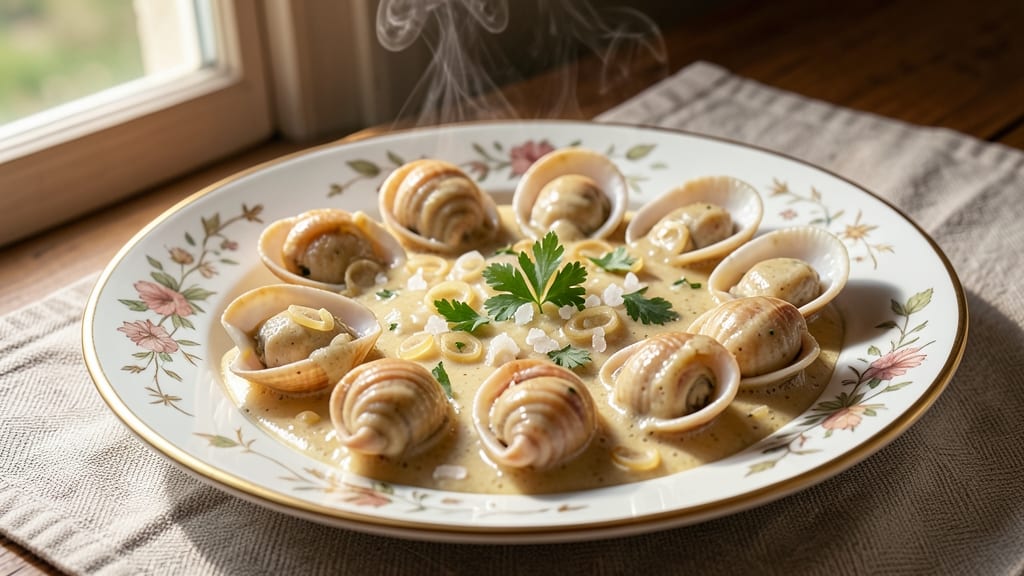
This escargot cream sauce recipe delivers the buttery, garlic-parsley richness that makes escargot unforgettable—perfect for elevating your dish in just 15 minutes.
The secret lies in balancing velvety cream with aromatic garlic and fresh parsley, creating a sauce that's equally at home on escargot or as a decadent dip for crusty bread. I developed this version after years of refining restaurant-style techniques at home, ensuring every spoonful delivers that signature European elegance.
The foundation of this sauce is a classic French technique: melting butter with garlic until fragrant, then deglazing with wine (optional but recommended) before adding heavy cream. This creates a silky base that thickens beautifully while maintaining its luxurious texture.
Fresh parsley adds brightness and color, cutting through the richness without overpowering the garlic's depth. What sets this sauce apart is its ability to stay creamy even after chilling, making it ideal for meal prep.
What you'll achieve is a sauce that's rich yet balanced—creamy enough to coat escargot perfectly while remaining light enough to pair with delicate flavors. The aroma alone transforms any dish into something special, and the taste delivers that perfect harmony of buttery, garlicky, and herby notes.
This isn't just a sauce; it's the centerpiece that makes escargot night feel like a Parisian bistro experience at home.
Use it immediately over escargot or store in the refrigerator for up to 3 days, where the flavors deepen and intensify. The sauce reheats beautifully, making it perfect for last-minute entertaining or when you're craving that restaurant-quality touch. Here's how to make it—simple steps for professional results every time.
Ingredients for escargot cream sauce
Nine essential ingredients transform into the velvety, aromatic escargot sauce you crave—rich, buttery, and brimming with garlic-parsley elegance.
| Ingredient | Amount | Notes |
|---|---|---|
| Unsalted Butter 🧈 | ½ cup | Cold, cut into small cubes |
| Garlic Cloves 🧄 | 6 whole | Fresh, peeled, smashed |
| Dry White Wine 🍷 | ½ cup | Sauvignon Blanc preferred |
| Heavy Cream 🥛 | 1 cup | Full-fat for richness |
| Fresh Parsley 🌿 | ¼ cup | Finely chopped, stems included |
| Diamond Crystal Kosher Salt 🧂 | ½ tsp | Adjust to taste |
| Freshly Ground Black Pepper 🌶️ | ¼ tsp | Light hand preferred |
| Shallot 🧅 | 1 whole | Minced, for depth |
| Fresh Lemon Juice 🍋 | 1 tbsp | Brightens the sauce |
The butter and garlic are your flavor anchors—European-style unsalted butter (like Plugrá or Land O'Lakes European Style) melts into a golden, fragrant base. For garlic, freshly peeled and smashed cloves release more flavor than minced. The wine is optional but recommended: Sauvignon Blanc adds brightness, while Pinot Grigio keeps it neutral. If you're feeling fancy, grab a bottle from Trader Joe's—their French wines are consistently reliable. Shallots? They're sweeter than onions and add subtle complexity without overpowering the garlic. The secret weapon here is patience: let the garlic melt slowly until it's golden, not browned—this prevents bitterness and builds that restaurant-quality depth.
No wine? Substitute with extra chicken stock—just reduce it by half first to concentrate the flavor. Fresh parsley is non-negotiable for that signature green hue and bright finish, but if you're stuck with dried, use one-third the amount and add a pinch of fresh lemon zest for brightness. The cream must be full-fat—half-and-half or light cream won't give you that luxurious texture. For a dairy-free twist, coconut cream works surprisingly well (though it has a slight coconut aftertaste). And if you're prepping ahead, add the parsley and lemon juice just before serving to keep the sauce vibrant. The salt and pepper should be freshly ground—pre-ground spices lose their punch fast, especially black pepper.
This sauce is a meal-prep dream—stores for 3 days in the fridge with flavors deepening over time. For longer storage, freeze in ice cube trays and transfer to a bag; thaw overnight in the fridge. Reheat gently over low heat, stirring constantly to prevent curdling. The sauce thickens as it cools, so add a splash of warm milk or cream if it's too stiff when reheated. Pro tip: Taste as you go—adjust the salt, lemon, or parsley to balance the richness. The goal is that perfect harmony of buttery, garlicky, and herby notes that makes escargot night feel like Parisian bistro magic.
Why You'll Love This Recipe
- Pantry-Friendly Magic: I swear by this sauce because it uses things I always have—just butter, garlic, and a splash of wine. No obscure spices or last-minute grocery runs. The wine cuts through the richness, and the garlic? It’s the star without needing fancy techniques.
- Rich Yet Light: Here’s what sold me—the balance. Creamy enough to coat your tongue but brightened by that white wine acidity. The parsley adds a fresh finish that keeps it from feeling heavy, even when you’re drowning in butter.
- Date Night Ready: Between us, this sauce turns simple pasta or grilled chicken into an effortless fancy meal. Serve it with crusty bread and a bottle of wine, and suddenly you’ve got a restaurant-worthy dish that took 15 minutes. (Yes, even on a Tuesday night.)
- Leftovers That Don’t Suck: I make double batches because this sauce reheats like a dream. Toss it with roasted veggies or use it to glaze fish the next day—it never loses its velvety texture. Budget win: heavy cream stretches far, and the wine adds depth without breaking the bank.
Step-by-step instructions for escargot cream sauce
This velvety sauce comes together faster than you'd expect—rich, aromatic, and perfect for snails or any protein.
Sauté Shallots and Garlic in Butter
Heat a medium saucepan over medium-low heat and add the 0.5 cup unsalted butter, cut into small cubes. Let it melt completely, watching for golden bubbles to form along the edges—this signals the butter's ready. Add the 1 whole minced shallot and cook for 3 minutes until translucent and just beginning to soften.
Push the shallots to the side of the pan and add the 6 whole smashed garlic cloves. Cook for 1-2 minutes until fragrant but not browned—garlic burns quickly, so keep an eye on it. This gentle cooking ensures the flavors develop without bitterness, forming the aromatic base of your sauce.
Deglaze with White Wine
Pour in the 0.5 cup dry white wine and increase heat to medium-high. Let the wine simmer vigorously for 3-4 minutes until reduced by half and slightly syrupy. This reduction concentrates the flavors and removes the alcohol's sharpness, creating a smooth foundation for the sauce.
Use a wooden spoon to scrape up any browned bits from the bottom of the pan—these contain deep, savory flavors that will enrich your sauce. If the mixture seems too thin at this point, don't worry; the cream will thicken it beautifully in the next step.
Incorporate Cream and Season
Reduce heat to medium-low and gradually whisk in the 1 cup heavy cream. Let the sauce simmer gently for 4-5 minutes, stirring occasionally, until it thickens slightly and coats the back of a spoon. The sauce should be velvety but not overly thick—it will continue to thicken as it cools.
Season with 0.5 tsp kosher salt and 0.25 tsp freshly ground black pepper, then stir in 1 tbsp fresh lemon juice. The acidity brightens the richness of the cream and butter, balancing the sauce perfectly. Taste and adjust seasoning if needed—this is where you fine-tune the flavor to your liking.
Finish with Fresh Parsley
Remove the sauce from heat and stir in the 0.25 cup finely chopped fresh parsley, including stems for extra depth of flavor. Let the sauce sit for 1-2 minutes to allow the parsley to infuse fully. The parsley adds freshness and a vibrant green color that makes the sauce look as good as it tastes.
For the best results, serve the sauce immediately while still warm. If you need to reheat it later, do so gently over low heat, stirring constantly to prevent scorching. This sauce pairs beautifully with escargot, grilled fish, or even steamed vegetables—its versatility makes it a kitchen staple.
Pro Tips For Making Escargot Cream Sauce
- Sweat, Don’t Burn Garlic: I learned this the hard way—when garlic hits the pan, keep the heat low and let it melt slowly in the butter. If you rush it, you’ll end up with bitter, browned bits instead of fragrant, golden cloves. A pinch of salt at this stage also draws out moisture, making the garlic release its flavor more evenly.
- Deglaze with Wine Heat: Pour that white wine into the pan off the heat first, then return it to low. The sudden heat will make the wine bubble aggressively—if you add it over high heat, you’ll just steam it instead of building a rich, concentrated base. Let it reduce by half before adding cream.
- Whisk Cream Constantly: Heavy cream scalds faster than you think. Once you add it to the garlic-wine mixture, keep that whisk moving over medium-low heat. I used to walk away for "just a second," and next thing I knew, I had a skin forming on top. Stirring nonstop keeps it silky, not lumpy.
- Toast the Parsley: Sounds weird, but it works: after the sauce is done, toss in the chopped parsley and let it sit in the warm pan for 10 seconds. The heat releases its oils, giving the sauce a brighter, more aromatic finish. Fresh parsley wilts fast—this trick locks in its flavor before it gets chopped up in the final toss.
Best sauces and condiments for this escargot cream sauce
Classic Escargot Pairings
The traditional pairing for this sauce is, of course, escargot—whether you're serving them in their shells or as a deconstructed dish. I like to arrange the snails in a butter-poached presentation, then drizzle this sauce generously over them before finishing with a sprinkle of fresh parsley.
The sauce's richness complements the snails' delicate flavor perfectly, creating that signature bistro experience. 🍽️
Unexpected Protein Pairings
This sauce isn't just for escargot—it elevates grilled or pan-seared scallops beautifully. The buttery garlic-cream sauce coats the scallops, enhancing their natural sweetness. I also love using it over seared duck breast or pan-fried chicken thighs, where the sauce adds a luxurious finish.
For a lighter option, try it with steamed asparagus or roasted Brussels sprouts—the sauce's richness balances the vegetables' earthiness.
Bread and Appetizer Uses
Don't overlook this sauce as a dipping sauce for crusty bread or baguette slices. Warm the sauce slightly and serve it in a small bowl with toasted bread for an easy appetizer.
It also works wonderfully with fried calamari or shrimp cocktail—the garlic and parsley add a fresh twist to classic seafood dishes. For a party-friendly option, arrange the sauce in a bread bowl with crostini for dipping.
Sauce Variations
For a spicier kick, stir in ½ teaspoon of Penzeys smoked paprika or a pinch of cayenne pepper after removing the sauce from heat. If you prefer a herb-forward version, swap out the parsley for fresh chives or tarragon—both add a bright, anise-like note.
For a lighter option, reduce the cream by half and replace it with warm chicken stock, then finish with a splash of lemon juice for brightness. 🌶️
Storage and Reheating Tips
This sauce stores beautifully in an airtight container in the refrigerator for up to 3 days, with flavors deepening over time. For longer storage, freeze it in ice cube trays and transfer to a freezer bag—thaw overnight in the fridge.
To reheat, warm the sauce gently over low heat, stirring constantly to prevent curdling. If the sauce thickens too much, whisk in a splash of warm milk or cream to restore its velvety texture.
Garnish Ideas
Before serving, garnish the sauce with a sprinkle of flaky sea salt, like Maldon, to enhance its richness. A few toasted breadcrumbs add texture, while crispy fried shallots bring a delightful crunch.
For a pop of color, drizzle with a tiny bit of truffle oil—just ½ teaspoon is enough to elevate the dish without overpowering it. The key is to keep garnishes simple so the sauce's natural flavors shine.
Nutrition facts
Frequently asked questions
Can I make this sauce without wine?
Replace the 0.5 cup white wine with an equal amount of chicken stock or apple cider for a similar depth of flavor. Reduce the stock by half first to concentrate the taste—this mimics the wine's reduction effect. For a completely alcohol-free version, use extra lemon juice (1-2 tbsp) to brighten the sauce instead.
Why does my sauce look curdled when reheating?
Curdling happens when the sauce heats too quickly or separates. To fix it, whisk in 1-2 tablespoons of cold heavy cream or whole milk while stirring constantly over low heat. For prevention, always reheat gently and never let it boil. If storing, add a small piece of parchment paper on top to prevent a skin from forming.
Can I use this sauce for other dishes besides escargot?
This versatile sauce works beautifully with grilled fish, seared scallops, or even roasted vegetables. The buttery garlic-parsley flavor pairs well with proteins that need richness, while the lemon brightens the sauce for vegetarian dishes. Try it as a dip for crusty bread or drizzled over pasta for an elegant twist.
How do I prevent the garlic from burning?
Cook the 6 smashed garlic cloves over medium-low heat for just 1-2 minutes until fragrant but not golden. Push them to the side of the pan while you sauté the shallots to avoid overcooking. If the butter starts bubbling too vigorously, reduce the heat immediately. The key is patience—garlic releases flavor quickly but burns even faster.
Can I make this sauce ahead of time?
Yes! This sauce actually tastes better after resting. Store it in an airtight container in the fridge for up to 3 days, where the flavors deepen. For longer storage, freeze in ice cube trays and transfer to a bag. Thaw overnight in the fridge and reheat gently, adding a splash of warm milk if it thickens too much. The parsley and lemon should be added fresh before serving.