
Sauces & Condiments
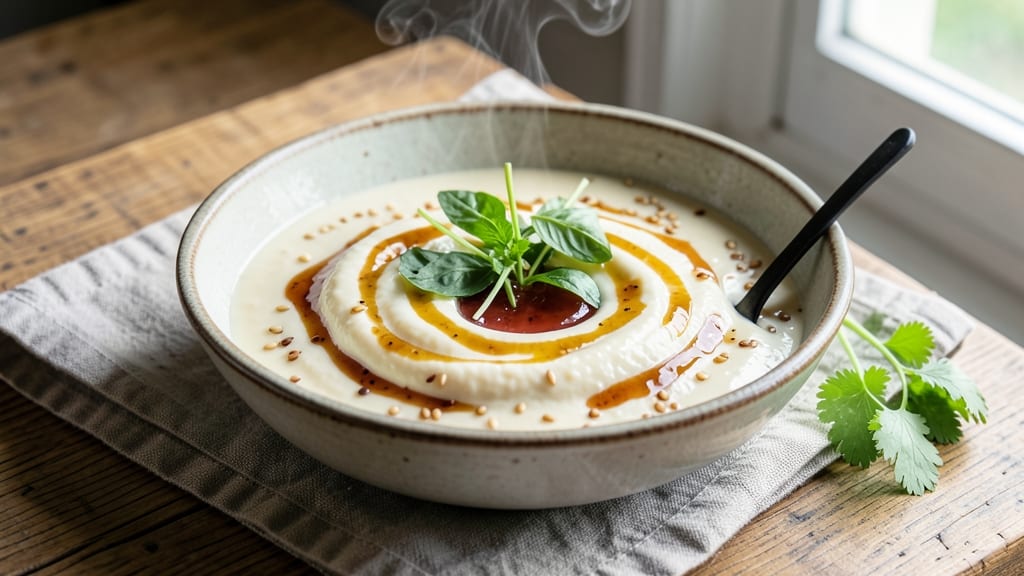
This coconut chicken dipping sauce transforms ordinary fried or grilled chicken into an irresistible tropical experience—creamy, aromatic, and just sharp enough to keep every bite exciting.
The secret lies in balancing rich coconut milk with a touch of vinegar, creating a sauce that's velvety yet bright, with layers of ginger and garlic that linger on your palate.
I developed this recipe after years of testing dipping sauces for my family's favorite crispy chicken, and it's now the one they reach for first.
The foundation starts with canned coconut milk, which provides that signature tropical richness without being overly sweet. A splash of rice vinegar adds the crucial zing that prevents the sauce from tasting flat, while fresh herbs like cilantro and Thai basil contribute bright, herbal notes.
The sauce comes together in minutes with just a few ingredients, but the flavors develop even more after 30 minutes of chilling—giving you time to cook your chicken while the sauce rests.
What makes this sauce truly special is its versatility. It works equally well with golden fried chicken, juicy grilled chicken thighs, or even as a marinade for chicken skewers. The texture is perfectly balanced—smooth enough to coat every crispy bite but not so thin it disappears.
Once you taste this sauce, you'll never go back to store-bought versions again.
Best of all, this sauce keeps beautifully in the refrigerator for up to 5 days, making it perfect for meal prep. Simply whisk before serving to restore its creamy consistency. Let's make this sauce that will elevate your chicken dishes to restaurant-quality levels.
Ingredients for coconut chicken dipping sauce
Tropical flavors meet tangy brightness in this creamy, aromatic dipping sauce.
| Ingredient | Amount | Notes |
|---|---|---|
| Coconut Milk 🥥 | 1 can | Full-fat for creaminess |
| Rice Vinegar 🍶 | 2 tbsp | White or seasoned preferred |
| Fresh Ginger 🌿 | 1 tbsp | Grated, aromatic variety |
| Garlic Cloves 🧄 | 3 cloves | Minced for smooth texture |
| Fresh Cilantro 🌿 | ¼ cup | Stems removed, chopped |
| Thai Basil Leaves 🌿 | ⅛ cup | Or regular basil if unavailable |
| Lime Juice 🍋 | 1 tbsp | Freshly squeezed |
| Soy Sauce 🍶 | 1 tbsp | Light or dark preferred |
| Honey 🍯 | 1 tsp | Or agave for vegan option |
| Sesame Oil 🫒 | ½ tsp | Toasted for aroma |
The coconut milk makes this sauce sing—full-fat canned gives the richest texture, but light works in a pinch. I grab Thai Kitchen brand for its balanced sweetness, but any quality canned milk does the trick. Fresh ginger and garlic are non-negotiable here; the younger the ginger, the milder and more aromatic it'll be. For Thai basil, hit up Asian markets—they usually carry it fresh, but regular basil works if you're in a hurry. The lime juice should be freshly squeezed (bottled just won't cut it), and if you can't find rice vinegar, apple cider vinegar in a 1:1 swap will keep the tang.
No Thai basil? Fresh mint or cilantro adds a nice twist, though Thai basil gives that signature anise-like flavor. Running low on honey? Maple syrup or agave keeps things vegan-friendly. The soy sauce adds depth—Kikkoman is my go-to, but any good-quality brand works. Sesame oil is optional but worth it for that nutty aroma. For a spicier kick, add a pinch of red pepper flakes or a dash of Sriracha. If you're making this ahead, double the garlic and ginger—they mellow out after chilling, so you'll want extra punch upfront.
This sauce keeps beautifully—5 days in the fridge in an airtight jar, or 3 months frozen in ice cube trays for single servings. Before using, give it a quick whisk to restore that creamy texture. The flavors actually improve after 30 minutes of chilling, so make it ahead if you can. I like to portion mine into small jars for easy dipping—perfect for meal prep. If it separates, just stir or shake gently before serving. Trust me, the first time you taste this on crispy fried chicken, you'll never go back to bottled sauces again.
Why You'll Love This Recipe
- Few Ingredients, Big Payoff: Honestly, this sauce is one of those rare recipes where you don’t need a grocery list—just coconut milk, ginger, and a handful of pantry staples. I’ve made it with whatever was in my fridge, and it still tastes like I slaved over it. The rice vinegar cuts through the richness, so you’re not drowning in coconut flavor.
- Tangy-Garlic Magic: That first bite? The garlic sizzle from the pan, the bright snap of vinegar, and the creamy coconut all collide in the best way. I’ll be real: my kids usually eye garlic suspiciously, but they’ll fight over this sauce. The cilantro adds that fresh finish—like a little green hug for your taste buds.
- Meal Prep MVP: This keeps for days in the fridge, and honestly? It only gets better. I make a big batch on Sundays, toss it in a jar, and use it for takeout nights, grilled chicken, or even as a quick stir-fry sauce. (Yes, even on a Tuesday night when I’m exhausted.)
- Budget-Friendly Luxury: Coconut milk is cheap, ginger lasts forever, and garlic? You’ll always have it. This sauce feels fancy—like something you’d order at a restaurant—but costs pennies to make. Between us, it’s the secret weapon I use when I want to impress guests without breaking the bank.
Step-by-step instructions for coconut chicken dipping sauce
Here's how to blend tropical richness with bright, tangy depth for the perfect dipping companion.
Bloom the Aromatics in Toasted Sesame Oil
Heat a small saucepan over medium-low heat and add the 0.5 teaspoon sesame oil. Let it warm for 30 seconds until fragrant—you'll smell that nutty, toasty aroma. This is the foundation of your sauce's depth.
Add the 3 cloves minced garlic and 1 tablespoon grated fresh ginger. Cook for 1-2 minutes until the garlic becomes translucent and the ginger softens slightly. Watch carefully—garlic burns quickly, so keep the heat gentle. This step builds the aromatic base that will carry through the entire sauce.
Simmer the Vinegar and Soy Base
Pour in the 2 tablespoons rice vinegar and 1 tablespoon soy sauce. Stir to combine and let the mixture simmer gently for 2-3 minutes until slightly reduced. You're looking for the vinegar's sharpness to mellow just enough to marry with the other flavors.
This reduction step is crucial—it concentrates the flavors and removes any raw acidity that would overpower the creamy coconut. The sauce should smell complex, with bright vinegar notes blending with the umami from the soy and garlic.
Incorporate the Coconut Milk
Reduce heat to low and slowly pour in the 1 can coconut milk, whisking constantly to prevent curdling. Let the mixture simmer gently for 5 minutes, stirring occasionally, until it thickens slightly but remains smooth.
Here's where the magic happens—the coconut's richness begins to emulsify with the vinegar and soy. You'll see the sauce transform from thin to velvety. If it starts to separate, whisk vigorously to recombine. This is normal with coconut milk, but constant stirring prevents it.
Finish with Sweet-Tart Balance
Remove the saucepan from heat and stir in the 1 tablespoon lime juice, 1 teaspoon honey, 0.25 cup chopped fresh cilantro, and 0.125 cup Thai basil leaves. Let it steep for 5 minutes off the heat—this allows all the flavors to meld together.
The lime juice brightens the sauce while the honey rounds out the acidity. The fresh herbs add a vibrant finish. Taste and adjust—if it needs more tang, add a splash more lime; if it needs sweetness, stir in a pinch more honey. The perfect balance should be creamy with a lingering zing.
Chill and Serve
Transfer the sauce to a serving bowl and refrigerate for at least 30 minutes before serving. This chilling step allows all the flavors to fully develop and the textures to settle—you'll end up with a perfectly balanced sauce that's neither too thin nor too thick.
Serve with warm chicken wings, spring rolls, or grilled skewers. The contrast of creamy coconut with the vinegar's bite makes every dip irresistible. For extra freshness, garnish with additional Thai basil leaves before serving.
Pro Tips For Making Coconut Chicken Dipping Sauce
- Simmer Slow and Steady: I used to rush this sauce, thinking more heat meant faster flavor—but that just separates the coconut milk into a greasy mess. Simmer on low heat for 10-12 minutes, stirring occasionally, until it thickens just enough to coat the back of a spoon. The sauce will thank you later (yes, even if you're impatient like me).
- Grate, Don’t Mince Ginger: Fresh ginger is non-negotiable here, but mincing it too finely turns this sauce into a muddy, watery disappointment. Use a box grater for medium shreds—big enough to see, small enough to taste. No grater? A microplane works, but don’t go full purée.
- Balance the Vinegar Last: Adding rice vinegar too early curdles the coconut milk, and nobody wants a lumpy sauce. Stir in half the vinegar first, taste, then add the rest after simmering—this lets the acid mellow instead of fight. (Pro move: Use seasoned rice vinegar if you’re lazy; it adds a subtle umami kick.)
- Toast the Garlic First: Raw garlic in this sauce can taste harsh, especially when paired with coconut’s sweetness. Sauté 2 minced cloves in a dry pan until golden before adding them to the sauce—just until fragrant, not crispy. The nutty depth makes all the difference, and it cuts through the richness like a knife.
Common mistakes when making your coconut chicken dipping sauce
Skipping the Vinegar
This is the #1 mistake I see—leaving out the rice vinegar entirely. Without it, the sauce becomes cloyingly sweet and loses that bright, refreshing zing that makes it irresistible. The vinegar cuts through the coconut's richness and keeps your taste buds engaged.
Start with the 2 tbsp rice vinegar called for, but taste as you go—you can always add a splash more if needed. 🍶
Overheating the Coconut Milk
Coconut milk is delicate and can curdle if overheated. Once you add it to the simmering vinegar-soy base, keep the heat at low and whisk constantly. If the sauce starts to separate, immediately remove it from heat and whisk vigorously to recombine.
I’ve ruined a batch by letting it boil—just a gentle simmer for 5 minutes is all it needs.
Using Bottled Lime Juice
Fresh lime juice is non-negotiable for this sauce. Bottled juice lacks the bright acidity and complex citrus notes that make the sauce sing. If you’re short on time, freshly squeezed lemon juice in a 1:1 ratio works in a pinch, but it won’t have the same depth.
Trust me, the extra squeeze is worth it for that restaurant-quality tang. 🍋
Neglecting the Chill Time
Rushing to serve the sauce straight from the stove is a big mistake. The flavors need 30 minutes in the fridge to fully meld and develop. This chilling step also lets the textures settle, giving you that perfect creamy consistency.
If you’re impatient, at least let it sit for 15 minutes—the difference in flavor balance is noticeable.
Substituting Low-Quality Coconut Milk
Not all coconut milk is created equal. Light or shelf-stable versions lack the richness needed for this sauce. Always use full-fat canned coconut milk—brands like Thai Kitchen or Aroy-D are my go-tos.
If you’re out of full-fat, simmering light coconut milk with 1 tbsp cream can help restore some creaminess, but it won’t be the same.
Overcomplicating the Herbs
While Thai basil is ideal, don’t stress if you can’t find it. Regular basil or even mint work in a pinch, but avoid using both together—it can create a muddled flavor.
Stick to cilantro and Thai basil (or their substitutes) for the best balance. The herbs should add freshness, not overpower the tropical coconut notes. 🌿
Nutrition facts
Frequently asked questions
Can I make this sauce without coconut milk?
You can substitute with 1 cup heavy cream or ½ cup Greek yogurt mixed with ½ cup water for a similar creamy texture. For a dairy-free option, blend 1 cup cashews soaked in water for 2 hours with ½ cup water until smooth. The sauce will have a different flavor profile but still work well with fried chicken.
How spicy should this sauce be?
The recipe is naturally mild, but you can adjust the heat level. For a subtle kick, add ½ teaspoon chili flakes or 1 teaspoon sambal oelek. For more heat, stir in 1-2 teaspoons sriracha or a dash of cayenne. Always taste first—you can reduce spice with more honey or lime juice if needed.
Can I use this sauce as a marinade?
Yes! This sauce works beautifully as a marinade for chicken, especially for grilled or baked dishes. Use ½ cup of the sauce per pound of chicken and marinate for 2-4 hours (or overnight for deeper flavor). The vinegar helps tenderize the meat while the coconut adds moisture. Just pat the chicken dry before cooking for the best results.
Why did my sauce separate?
Coconut milk can separate if overheated or stirred too vigorously. To fix it, whisk the sauce gently while warming it over low heat for 1-2 minutes. If that doesn't work, blend it briefly with an immersion blender. To prevent separation, always add coconut milk to the simmering base slowly and keep heat at low.
What other foods pair well with this sauce?
Beyond chicken, this sauce is amazing with spring rolls, beef skewers, shrimp tempura, or even grilled vegetables. It also works as a drizzle for noodle bowls or as a dressing for tropical salads. The creamy-sweet balance makes it versatile for both savory and slightly sweet dishes. Try it with crispy tofu** for a vegetarian option too!