
Sauces & Condiments
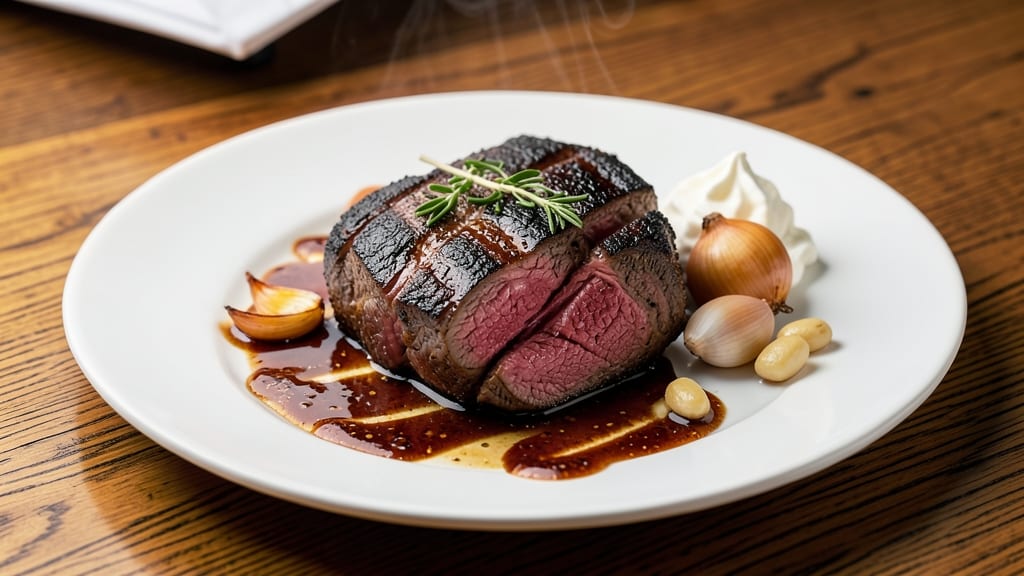
A brandy sauce recipe for steak transforms ordinary steak into a luxurious dining experience with just a few simple ingredients and a little patience. The rich, velvety sauce—infused with brandy’s warm depth and a touch of red wine—cuts through the richness of the meat while adding a sophisticated finish.
I’ve perfected this recipe over years of testing, ensuring it’s foolproof yet still feels special enough for date night or a weekend celebration.
The secret lies in the slow reduction, where the brandy’s alcohol evaporates, leaving behind its caramelized essence. A splash of red wine adds acidity, while butter and cream create that signature silky texture.
This sauce isn’t just about flavor—it’s about technique, too. Simmering it properly ensures a smooth, glossy finish that clings beautifully to every bite of steak.
What you’ll end up with is a sauce that’s deeply aromatic, with notes of toasted nuts, dried fruit, and a hint of spice from the brandy. The color is a stunning amber, almost translucent, and it coats the steak like liquid gold.
It’s the kind of sauce that makes even the simplest steak dinner feel like a restaurant-worthy meal.
Best of all, it keeps well in the fridge for up to a week, so you can make a big batch for entertaining. Serve it warm over sliced steak, drizzled generously, and garnished with fresh parsley for a touch of brightness. Here’s how to make it—step by step.
Ingredients for brandy sauce recipe for steak
Nine ingredients transform steak into a restaurant-worthy masterpiece with velvety brandy richness.
| Ingredient | Amount | Notes |
|---|---|---|
| Unsalted Butter 🧈 | ½ cup | Cold, cubed for slow melting |
| Brandy 🍷 | ½ cup | Good quality, 80-proof minimum |
| Dry Red Wine 🍷 | ¼ cup | Bold Cabernet Sauvignon preferred |
| Heavy Cream 🥛 | ½ cup | Full-fat for richness |
| Shallots 🧅 | 2 whole | Minced, or 2 tbsp shallot paste |
| Garlic Cloves 🧄 | 3 cloves | Peeled, minced |
| Fresh Parsley 🌿 | ⅛ cup | Chopped, for garnish |
| Granulated Sugar 🍚 | 1 tbsp | Balances acidity |
| Diamond Crystal Kosher Salt 🧂 | ½ tsp | Adjust to taste |
| Freshly Ground Black Pepper 🌶️ | ¼ tsp | Freshly cracked |
The brandy is non-negotiable here—look for a good-quality bottle at the liquor store, preferably something with at least 80-proof. Korbel or Christian Brothers work perfectly, but any brandy with a rich, caramelized aroma will do. Shallots add depth without overpowering, so buy them fresh (not pre-minced) and store them in the fridge. The butter should be cold when you start—this helps create that signature silky texture. For the red wine, Cabernet Sauvignon or Merlot work best—their tannins complement the brandy beautifully.
No brandy? Substitute with apple cider or extra apple juice, though the flavor will be subtly different. Running short on shallots? Double the garlic for a similar punch. Heavy cream can be swapped for half-and-half or coconut cream, but the texture will be lighter. The sugar is crucial—brown sugar works too, but white granulated dissolves cleaner. For a quicker version, use a shallot paste from the jarred section (like Walmart's Great Value brand), but fresh is always better. The parsley is purely for garnish, so dried works in a pinch—just use one-third the amount.
This sauce reheats beautifully—simmer gently on the stove until warmed through. It keeps for up to 1 week in the fridge, sealed in an airtight container with a thin layer of butter on top to preserve freshness. For longer storage, freeze in ice cube trays—thaw and reheat as needed. The sauce thickens as it cools, so add a splash of cream or water if it becomes too stiff. Garnish with fresh parsley just before serving to keep it vibrant.
Why You'll Love This Recipe
- Here’s what sold me: the balance. The brandy adds depth, the wine keeps it bright, and the heavy cream makes it velvety. Swirl it over a perfectly seared steak, and suddenly, you’re not just eating dinner—you’re having a moment. (Yes, even on a Tuesday night.)
- Pantry Magic: I swear by this sauce because it uses stuff I already have—no last-minute grocery runs. That bottle of red wine gathering dust? Perfect. The brandy I bought for holiday cookies? Also perfect. Just melt butter, deglaze with wine, add brandy, and let the shallots caramelize while you cook the steak. Minimal effort, maximum flavor.
- Rich Without Trying: Here’s what sold me: the balance. The brandy adds depth, the wine keeps it bright, and the heavy cream makes it velvety. Swirl it over a perfectly seared steak, and suddenly, you’re not just eating dinner—you’re having a moment. (Yes, even on a Tuesday night.)
- Steakhouse at Home: This sauce turns any cut of steak into a showstopper—ribeye, sirloin, even a budget-friendly flank. I’ve drizzled it over grilled chicken for date night, tossed it with mashed potatoes for a holiday meal, and even used it to deglaze the pan after cooking steak strips for stir-fry. One sauce, endless possibilities.
Step-by-step instructions for brandy sauce for steak
This sauce delivers deep, complex flavor with just a few simple techniques.
Melt Butter and Cook Aromatics
Place a large saucepan over medium heat and add the 0.5 cup unsalted butter. Let it melt completely, watching for small bubbles to form around the edges—this tells you it's ready. Add the 2 whole shallots and 3 cloves garlic cloves (minced) and cook for 5-6 minutes until the shallots soften and turn translucent.
Here's the thing—don't rush this step. The shallots should caramelize slightly at the edges, building the sauce's foundation. If they start to brown too quickly, reduce the heat to medium-low. Stir occasionally to prevent sticking, but don't over-mix or they'll release too much moisture.
Deglaze with Brandy and Wine
Pour in the 0.5 cup brandy and immediately scrape up any browned bits from the bottom of the pan with a wooden spoon. This deglazing step captures all the flavor you've built so far. Let the brandy simmer for 2-3 minutes until it reduces by about half and the alcohol smell dissipates.
Next, add the 0.25 cup dry red wine and the 1 tablespoon granulated sugar. The sugar helps balance the acidity of the wine while adding subtle sweetness. Let this mixture simmer for another 3-4 minutes until reduced by about half. You're looking for a syrupy consistency at this stage—this concentrated flavor will carry through the final sauce.
Build the Sauce with Cream and Seasonings
Reduce the heat to low and gradually whisk in the 0.5 cup heavy cream. The sauce will thicken immediately as the cream incorporates. Stir constantly for 3-4 minutes until the sauce coats the back of a spoon. If it thickens too quickly, add 1-2 tablespoons of water to adjust the consistency.
Season with the 0.5 teaspoon diamond crystal kosher salt and 0.25 teaspoon freshly ground black pepper, then remove from heat. The sauce should be smooth and velvety, with a rich, boozy aroma. If you taste it now, you'll notice the depth of flavor from the brandy and wine working together with the cream's richness.
Finish and Garnish
Return the sauce to low heat and stir in the 0.125 cup fresh parsley until just wilted—about 30 seconds. This adds freshness and brightens the sauce's color. The parsley should be incorporated but still visible as garnish.
Taste and adjust seasoning if needed. The sauce should be perfectly balanced—sweet from the sugar, rich from the cream, and complex from the brandy and wine. Serve immediately over your steak, spooning the warm sauce generously over each portion. The residual heat from the steak will help the sauce meld beautifully into every bite.
Pro Tips For Making Brandy Sauce Recipe For Steak
- DEGLAZE BEFORE IT STICKS: As soon as you pull that steak off the pan, hit the heat again and pour in that brandy—immediately. I learned this the hard way when I walked away for "just a second" and ended up scraping burnt fond off the bottom. The alcohol needs to flash off, and the wine needs to cling to those brown bits. If you wait, you’re fighting a losing battle.
- SWEEP THE SHALLOTS: Finely mince those shallots—think 1/8-inch pieces or smaller. I used to chop them roughly, and they’d just sit there like little rocks, refusing to soften. When they’re tiny, they melt into the sauce instead of turning to mush or staying chewy. Also, cook them low and slow until they’re translucent before adding the butter—no one wants raw onion flavor in their sauce.
- DON’T BOIL THE CREAM: The moment you add heavy cream, drop the heat to low and let it simmer gently. I’ve ruined more sauces than I’ll admit by letting them boil, which turns the cream grainy and curdles the sauce. You’re aiming for a slow, steady reduction—not a science experiment. If it’s bubbling hard, you’ve gone too far.
- USE THE STEAK JUICES: After searing the steak, don’t pour off all the pan drippings—leave at least 1/4 cup. Those juices are liquid gold for the sauce, adding depth and richness. If you’re worried about fat, skim most of it off after deglazing, but don’t strip the pan clean. The balance of fat and flavor is what makes this sauce sing.
Common mistakes when making this recipe
Skipping the Reduction
One of the biggest mistakes is rushing the reduction step with the brandy and wine. If you don't let the alcohol fully evaporate, your sauce will taste harsh and raw.
I've seen people pour in the cream too soon—the brandy needs at least 2-3 minutes of simmering to lose its alcohol bite. Use a long-handled spoon to stir gently and watch for the mixture to reduce by about half before moving forward. 🔥
Adding Cream Too Quickly
The sauce can curdle if you add the heavy cream too fast or over high heat. Always reduce heat to low before whisking in the cream, and stir constantly for 3-4 minutes.
If it thickens too quickly, add 1-2 tablespoons of water to adjust. I once ruined a batch by adding cream over medium heat—the temperature difference caused separation.
Ignoring the Pan Bits
Deglazing is where flavor magic happens, but many people skip scraping up the browned bits from the pan. Those bits are packed with flavor! Use a wooden spoon to scrape vigorously after adding brandy.
If you ignore this, your sauce will taste flat. I learned this the hard way—always scrape, always taste the difference.
Overcooking the Shallots
Shallots should soften but not brown too much—they should be translucent, not crispy. If they burn, they'll add bitterness. Cook them on medium heat for 5-6 minutes, stirring occasionally.
If your kitchen runs hot, reduce to medium-low. I once burned shallots in a cast-iron skillet—now I watch them like a hawk.
Using Low-Quality Brandy
Cheap brandy lacks depth and will make your sauce taste thin. Invest in a good-quality brandy—I recommend Christian Brothers or Korbel—for that rich, caramelized flavor.
If you must substitute, use apple cider (though the taste will differ). Never use cooking sherry—it's a common mistake that ruins the sauce's complexity. 🍷
Not Tasting as You Go
Seasoning is personal, but many people skip tasting until the end. Adjust salt, pepper, and even sugar as you cook. The sauce should balance sweet, rich, and acidic notes. I always taste after adding wine and again after the cream. Trust your palate—it's the best tool you have!
Nutrition facts
Frequently asked questions
Can I make this sauce ahead of time?
This sauce actually tastes better when made a day ahead. Store it in an airtight container in the fridge for up to 5 days. Reheat gently over low heat, stirring occasionally, until warmed through. The flavors meld beautifully overnight, deepening the brandy's richness. Just add a splash of cream or water if it thickens too much when reheated.
What if I don't have brandy?
You can substitute with apple cider (½ cup) or extra apple juice (¾ cup) for a similar sweet depth, though the flavor will be subtly different. For a more complex alternative, use ½ cup dry sherry—it adds a nutty note that complements the wine. Just remember, brandy's caramelized character is unique, so the sauce won't be identical.
How do I fix a broken sauce?
If your sauce separates or curdles, don't panic! Remove from heat and whisk in 1 tablespoon cold butter or 1 tablespoon heavy cream to re-emulsify. For a thicker consistency, simmer gently for 2-3 minutes to reduce. If it's too thin, mix 1 teaspoon cornstarch with 1 tablespoon cold water, stir into the sauce, and cook until thickened. Most "failures" can be saved with patience!
Can I use this sauce for other proteins?
This sauce works beautifully with roasted chicken, lamb chops, or even mushroom risotto! The brandy and wine flavors complement rich, fatty meats perfectly. For seafood, reduce the brandy to ¼ cup and add ½ cup fish stock instead of wine to prevent overpowering delicate flavors. The sauce's versatility makes it a pantry staple.
Why does my sauce taste too sweet?
Too much sugar is the most common culprit. Start by reducing the sugar to ½ tablespoon next time. Balance sweetness with a splash of lemon juice (1 teaspoon) or extra black pepper (¼ teaspoon). The brandy and wine should provide natural acidity—if they're too sweet, try a drier wine like Pinot Noir instead of Cabernet. Taste as you go!