
Sauces & Condiments
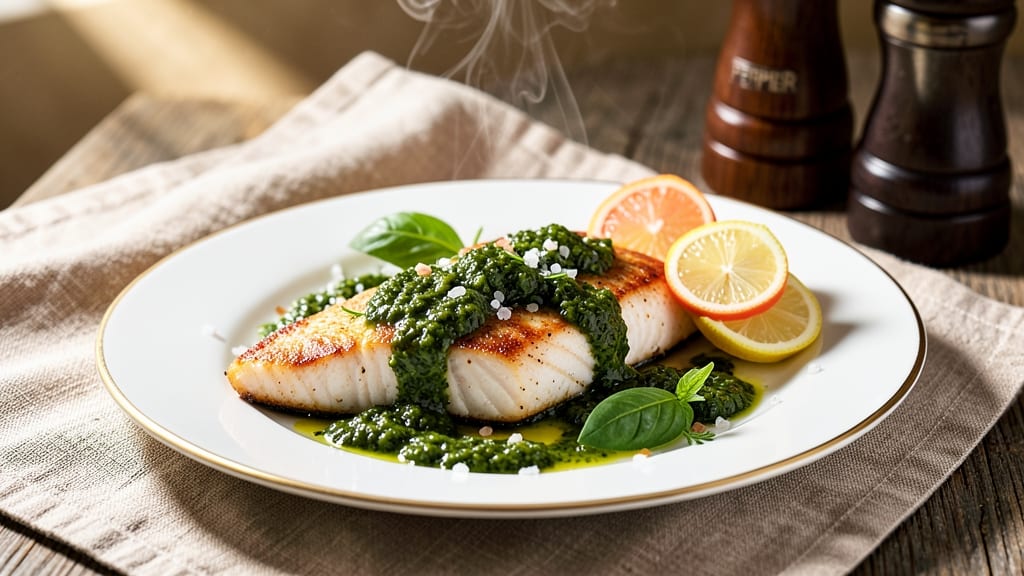
This basil sauce recipe for fish transforms simple seafood into a restaurant-worthy meal with just a few bright, herbaceous ingredients. The secret lies in balancing fresh basil's aromatic punch with lemon's tang and garlic's depth—creating a sauce that enhances, rather than overpowers, delicate fish flavors.
I developed this after realizing most store-bought sauces lacked the freshness needed to complement grilled salmon or pan-seared cod.
The sauce comes together in under 10 minutes with pantry staples and fresh herbs, making it perfect for last-minute dinners.
A quick infusion of garlic in olive oil forms the base, while basil and lemon juice add that signature brightness that makes fish taste like it came from a coastal bistro. The texture is silky yet light—ideal for drizzling over finished dishes without weighing them down.
What makes this sauce truly perfect is its versatility. It elevates grilled, baked, or pan-seared fish equally well, and the flavors only deepen when chilled overnight. The acidity from lemon preserves the sauce for up to 5 days, so you can prep ahead and still enjoy that fresh basil taste.
For seafood lovers, this is the drizzle that turns good fish into unforgettable fish.
Pair it with your favorite white wine or a crisp salad for a complete meal. The sauce's simplicity belies its impact—just a few ingredients working together to create something that feels luxurious yet effortless. Let's make it.
Ingredients for basil sauce recipe for fish
Nine vibrant ingredients create the perfect herb-infused fish sauce—bright, silky, and restaurant-quality in minutes.
| Ingredient | Amount | Notes |
|---|---|---|
| Fresh Basil Leaves 🌿 | 2 cups | Packed, stems removed |
| Extra-Virgin Olive Oil 🫒 | 1 cup | High-quality, fruity variety |
| Garlic Cloves 🧄 | 4 cloves | Peeled, roughly chopped |
| Lemon Juice 🍋 | ¼ cup | Freshly squeezed, strained |
| Shallot 🧅 | 1 whole | Finely minced, about 2 tbsp |
| Salt 🧂 | ½ tsp | Diamond Crystal kosher preferred |
| Black Pepper 🌶️ | ¼ tsp | Freshly cracked |
| Parmesan Cheese 🧀 | ¼ cup | Freshly grated, finely |
| Capers 🍋 | 1 tbsp | Chopped, optional for briny depth |
The basil is non-negotiable here—farmers market bunches have the most aromatic leaves, but even grocery store basil works if it's fresh and vibrant. For the olive oil, California avocado or Italian varieties add the fruity depth that makes this sauce sing. Garlic should be freshly peeled and roughly chopped—no pre-minced jars, which can turn bitter. I always grab a small wedge of Parmigiano-Reggiano from the deli counter for the cheese, grating it myself for that perfect, snowy texture. The shallot? One whole shallot yields about 2 tablespoons when finely minced, so don't overdo it—you want subtle sweetness, not overpowering sharpness.
No fresh basil? Dried basil at one-third the amount works in a pinch, though it lacks that bright punch. Swap the olive oil for avocado oil if you prefer a neutral base, but you'll lose some of that fruity complexity. Short on capers? Extra lemon juice or a pinch of sea salt can mimic that briny note. The Parmesan can be skipped if you're avoiding dairy, but the sauce will lose some of its rich, umami depth. For a nut-free version, simply omit the Parmesan entirely and increase the lemon juice by 1 tablespoon. This sauce is incredibly forgiving—adjust to taste as you go.
This sauce is a make-ahead dream—flavors actually improve when chilled overnight. Store it in an airtight container with a thin layer of olive oil on top to preserve freshness. Keeps for up to 5 days in the fridge or 3 months frozen in ice cube trays. The acidity from the lemon juice helps preserve it beautifully, so don't be afraid to prep ahead. I always make extra and keep a jar in the fridge for spontaneous seafood nights—it's the secret weapon that turns simple fish into something extraordinary.
Why You'll Love This Recipe
- Five-Ingredient Magic: I swear by this sauce because it’s that simple—just basil, olive oil, garlic, lemon, and shallots. No fancy gadgets, no hidden steps, just chop, pulse, and drizzle. Honestly, the hardest part is deciding whether to make it bright or rich.
- Bright & Bold: That lemon-zinged garlic punch? It cuts through any fish like a knife. The basil’s freshness makes it taste like a summer breeze, and the shallots add this subtle, sweet depth that keeps it interesting.
- Weeknight Flex: This sauce works with baked, grilled, or pan-seared fish—no judgment if you’re using last night’s leftovers. I’ve even tossed it with roasted potatoes or drizzled it over pasta when I’m in a pinch.
Step-by-step instructions for basil sauce for fish
This vibrant basil sauce transforms simple fish into a gourmet masterpiece with minimal effort.
Prepare the Herb Base
In a food processor, combine the 2 cups fresh basil leaves and 1 whole shallot (finely minced). Pulse until the basil is finely chopped but not puréed—you want visible texture for that fresh, herby appearance. I like to keep a few larger basil pieces for visual appeal while still ensuring even distribution in the sauce.
Add the 4 cloves garlic cloves (peeled and roughly chopped) and pulse just until combined. This step builds the aromatic foundation of your sauce. The garlic should be finely minced but still visible—over-processing releases bitter compounds that can overpower the delicate fish flavors.
Blend with Olive Oil and Acid
With the food processor running, slowly drizzle in the 1 cup extra-virgin olive oil through the feed tube. This gradual addition prevents the oil from splattering while ensuring perfect emulsification. The mixture should become thick and vibrant green, almost like pesto but with a more refined texture.
Add the 0.25 cup lemon juice and pulse again until fully incorporated. The acidity brightens the flavors and balances the richness of the olive oil. Taste at this stage—you should detect fresh basil, garlic, and a tangy citrus note without any bitterness. If needed, add a pinch more salt to enhance the natural flavors.
Finish with Cheese and Capers
Transfer the mixture to a bowl and stir in the 0.25 cup Parmesan cheese (finely grated) and 1 tbsp capers (chopped). The Parmesan adds a nutty depth while the capers contribute a briny contrast that perfectly complements fish. Mix well to distribute these ingredients evenly throughout the sauce.
Season generously with 0.5 tsp salt and 0.25 tsp black pepper. Here's where it gets exciting—taste and adjust the seasoning. The sauce should be vibrant, herby, and slightly tangy with a subtle saltiness. If it tastes flat, add a splash more lemon juice. If it needs more depth, a pinch of extra salt or a tiny bit more Parmesan works wonders.
Rest and Serve
Cover the sauce and let it rest at room temperature for 15-20 minutes. This resting period allows the flavors to meld and the sauce to thicken slightly, making it perfect for drizzling. The texture should be smooth yet still have a slight body—ideal for clinging to delicate fish fillets.
Before serving, give the sauce one final taste and adjust seasoning if needed. The perfect basil sauce should be vibrant green, aromatic, and balanced in acidity and saltiness. Drizzle generously over grilled or baked fish, and serve immediately while the fish is still warm and flaky. The sauce will elevate even the simplest fish preparation to restaurant-quality.
Pro Tips For Making Basil Sauce Recipe For Fish
- COOK GARLIC LOW AND SLOW: I learned this the hard way—crisping garlic in olive oil for this sauce turns it bitter. Keep the heat at a gentle simmer (just enough to see tiny bubbles) and stir constantly. The shallots and garlic should soften without color—think translucent, not golden.
- STACK BASIL LEAVES: Tear the basil leaves in half first, then layer them on top of the warm oil and garlic. This keeps them from floating away while they infuse properly. If you toss them in, half will sink to the bottom and won’t release their flavor.
- SALT THE OIL FIRST: Add a pinch of salt to the olive oil before heating it. This prevents the garlic and shallots from sticking and burns more easily. It also seasons the oil itself, which matters when you’re using just a few tablespoons for the sauce.
- PULSE LEMON JUICE: Instead of squeezing the whole lemon at once, pulse it in as you blend the sauce. This balances the acidity and prevents the basil from wilting too fast. A splash at the end also brightens the color—trust me, it looks better.
Best sauces and condiments for this dish
Classic Pesto Adaptation
This basil sauce is essentially a refined pesto—think of it as pesto's sophisticated cousin for fish. The key difference is the addition of lemon juice and capers, which replace the nuts and cheese typically found in traditional pesto.
I often call this my "seafood pesto" because it's lighter, brighter, and designed to complement delicate fish proteins without overpowering them. 🌿
Mediterranean-Inspired Variations
For a Greek twist, swap the Parmesan for feta cheese (crumbled, not grated) and add 1 tbsp chopped fresh oregano. The feta adds a salty tang that pairs beautifully with grilled swordfish or branzino.
If you love Italian flavors, try adding 1 tsp dried oregano and ½ tsp red pepper flakes for a subtle heat that works wonders with pan-seared sea bass.
Spicy Heat Boost
Crank up the heat by adding 1-2 drops of hot sauce (like Cholula or Tabasco) or ½ tsp crushed red pepper flakes to the finished sauce. This works especially well with firm white fish like halibut or mahi-mahi, where the heat can stand up to the sauce's brightness.
For a smoky kick, stir in ½ tsp smoked paprika—it adds depth that pairs perfectly with grilled fish. 🌶️
Creamy Texture Option
If you prefer a slightly thicker, creamier sauce, stir in 2 tbsp crème fraîche or Greek yogurt after resting. This adds a luxurious texture that clings beautifully to flaky fish like cod or haddock.
For a dairy-free version, use 2 tbsp silken tofu or cashew cream (blended soaked cashews with water). The sauce will still be light but with a velvety finish.
Herb Swaps for Flexibility
Don’t have basil? No problem. Swap 1 cup fresh cilantro for a Mexican-inspired twist (add 1 lime’s worth of juice instead of lemon) or use 1 cup fresh parsley for a classic French-style sauce. Both work beautifully with grilled shrimp or blackened fish.
For a winter version, try 1 cup fresh sage with white wine vinegar instead of lemon juice—it’s rich and earthy, perfect for baked fish like salmon.
Storage and Flavor Boost
This sauce tastes even better the next day, so make a double batch and store it in an airtight container with a thin layer of olive oil on top. Refrigerate for up to 5 days or freeze in ice cube trays for portion control.
When reheating, warm gently over low heat with a splash of water to maintain its silky texture. The flavors deepen as the herbs mellow, making it perfect for meal prep. ✨
Nutrition facts
Frequently asked questions
Can I use dried basil instead of fresh?
While fresh basil gives the best flavor, you can substitute ⅓ cup dried basil for the 2 cups fresh, but expect a more muted taste. For a brighter result, add an extra 1 tbsp lemon zest to compensate. Dried basil works best when you don't have fresh, but it won't have that vibrant, aromatic punch.
How do I prevent the sauce from turning bitter?
Basil can turn bitter if over-processed or if the garlic sits too long. Always use fresh basil and pulse just until chopped, keeping some texture. For garlic, add it last and avoid cooking it—raw garlic adds depth without bitterness. If the sauce tastes bitter, balance it with more lemon juice or a pinch of sugar.
What fish works best with this sauce?
This sauce shines with delicate white fish like cod, halibut, or branzino, but it also elevates grilled salmon or swordfish. For flaky fish, drizzle the sauce on top after cooking; for firmer fish, a light coating before grilling works well. Avoid using it with overly oily fish like mackerel, as the sauce's brightness can clash.
Can I make this sauce ahead of time?
This sauce tastes even better after 1-2 days in the fridge, as flavors meld. Store it in an airtight container with a thin layer of olive oil on top to preserve freshness. For longer storage, freeze in ice cube trays—thaw overnight in the fridge before using. The acidity from lemon juice helps prevent spoilage.
What if I don’t have capers?
No problem! Skip the capers and add ½ tsp sea salt or 1 tbsp extra lemon juice for a briny kick. The sauce will still be delicious—capers just add that Mediterranean tang. For a different twist, try 1 tsp chopped anchovies (mashed) for umami depth, but reduce the salt slightly.