
Sauces & Condiments
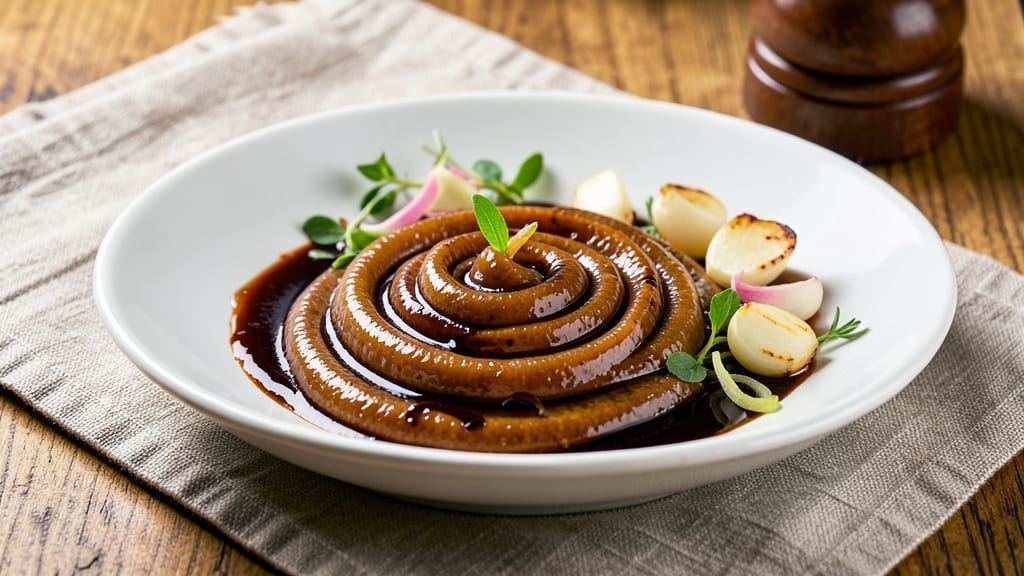
This bamboo sauce recipe transforms simple ingredients into a complex, aromatic glaze that bridges sweet and smoky flavors—perfect for stir-fries, marinades, or dipping sauces. The secret lies in fermented bamboo shoots, which add a subtle funk and depth that pairs beautifully with soy, garlic, and chili.
I developed this after tasting authentic satay sauces and realizing how adaptable they are to home cooking with the right balance of acidity and richness.
The sauce begins with a quick simmer of fermented bamboo shoots, garlic, and ginger to build a fragrant base. Soy sauce and vinegar create the signature tangy-sweet profile, while a touch of brown sugar caramelizes into a glossy finish.
The result is a sauce that’s bold enough to stand alone but versatile enough to elevate any dish—think crispy tofu, grilled meats, or even noodles. It’s the kind of sauce that makes you reach for the wok twice in one night.
What sets this sauce apart is its ability to cut through rich, fatty foods while adding layers of umami and heat. The bamboo shoots contribute a unique earthiness that’s hard to replicate, and the smoky notes from a pinch of chili powder tie everything together.
Unlike store-bought versions, this recipe delivers depth and complexity without artificial additives. Best of all, it keeps well in the fridge for up to two weeks, so you can make a big batch and enjoy it all week.
Use it as a marinade for chicken or pork, a dipping sauce for spring rolls, or a glaze for stir-fried vegetables. The possibilities are endless, and the process is straightforward—just 15 minutes of active time and a little patience for the flavors to meld. Let’s get cooking.
Ingredients for bamboo sauce
Six cloves of garlic, a cup of funky bamboo, and a splash of vinegar—this sauce comes together faster than you can say satay.
| Ingredient | Amount | Notes |
|---|---|---|
| Fermented Bamboo Shoots 🌿 | ½ cup | Packed, drained well |
| Garlic Cloves 🧄 | 6 cloves | Minced, fresh preferred |
| Fresh Ginger 🌱 | 1 tbsp | Grated, peeled |
| Light Soy Sauce 🍶 | ½ cup | Kikkoman preferred |
| Dark Soy Sauce 🍶 | 1 tbsp | For depth of color |
| Rice Vinegar 🍶 | ¼ cup | White or seasoned |
| Brown Sugar 🍯 | 2 tbsp | Light or dark |
| Chili Powder 🌶️ | ½ tsp | Smoked paprika works too |
| Sesame Oil 🫒 | 1 tbsp | Toasted, for aroma |
| Water 💧 | ¼ cup | For thinning if needed |
Fermented bamboo shoots are the star here, and they're worth hunting down. Asian markets usually carry them in jars or cans—look for the ones labeled 'pickled bamboo shoots' (they're the same thing). If you can't find them, baby corn or artichoke hearts add a similar texture, though they won't give that unique funk. The garlic and ginger need to be fresh—no pre-minced jarred stuff here. I grab mine from the produce section at Whole Foods because they're always bright and firm. Pro tip: Smash the garlic cloves with the side of your knife before mincing for extra flavor.
No fermented bamboo? Substitute with 1/4 cup of fish sauce plus 1 tbsp of soy sauce—it'll add umami depth, though the texture will be different. Running low on rice vinegar? Apple cider vinegar works in a pinch, but you'll lose that delicate sweetness. The chili powder is non-negotiable for that smoky kick—Penzeys or McCormick are my go-tos. If you want to make this nut-free, skip the sesame oil and add another tbsp of neutral oil like canola. The brown sugar can be swapped for coconut sugar if you're avoiding refined sugar, but it'll caramelize slightly differently.
This sauce tastes even better the next day as the flavors meld. Store it in a glass jar in the fridge for up to 2 weeks. I like to make a double batch so I always have some on hand—it's perfect for quick stir-fries or last-minute marinades. If it thickens too much, just add a splash of water. For extra richness, stir in a tbsp of peanut butter right before serving. Trust me, it's a game-changer for dipping sauces.
Why You'll Love This Recipe
- Pantry Magic: I swear by this sauce because it uses what’s already lurking in my cupboards—no special trips to the store. Fermented bamboo shoots? I keep a jar for stir-fries. Garlic and ginger? Always on hand. Just toss them in a pan, let the garlic sizzle until it smells like a street-side market, and boom—flavor without the fuss.
- Umami Bomb: That funky-sweet tang from the fermented bamboo shoots? It’s the star. Pair it with dark soy for depth and light soy for brightness, and suddenly your rice, noodles, or protein has this je ne sais quoi—like a secret handshake from my grandma’s kitchen. Honestly, I’ve had people ask what brand of sauce I’m using.
- Double Duty: This sauce doesn’t just shine on its own—it’s my weeknight MVP. Slather it over quick-fried rice, toss it with tofu for a 10-minute dinner, or drizzle it on grilled chicken. Between us, I’ve even used it to jazz up store-bought dumplings when I’m really tired. (Yes, even on a Tuesday night.)
- Budget Stretch: A little goes a long way, and my wallet loves it. That jar of bamboo shoots lasts through three batches, and the soy sauces? I buy them in bulk. I make a double batch on Sundays, stash it in the fridge, and suddenly I’ve got a flavorful, restaurant-worthy sauce ready to rescue any meal—no last-minute takeout needed.
Step-by-step instructions for bamboo sauce
This smoky-sweet glaze comes together in minutes with bold flavors that elevate stir-fries instantly.
Sauté Aromatics Until Fragrant
Heat a small saucepan over medium heat and add the 1 tablespoon sesame oil. Once shimmering, add the 6 cloves minced garlic and 1 tablespoon grated ginger. Sauté for 2-3 minutes until the garlic turns golden and aromatic—this prevents bitterness and builds flavor depth.
Watch carefully—ginger burns quickly. If it starts to darken too fast, reduce heat slightly. The aromatics should smell vibrant and inviting, setting the foundation for the sauce's complexity. Keep them moving in the pan to ensure even cooking.
Add Fermented Bamboo Shoots and Soy Sauces
Stir in the 0.5 cup packed, drained fermented bamboo shoots and both soy sauces—0.5 cup light soy sauce and 1 tablespoon dark soy sauce. The dark soy sauce adds that signature deep color while balancing the light soy's saltiness. Let the mixture simmer for 3-4 minutes until the bamboo shoots soften slightly and the flavors meld.
Here's where the magic happens—the fermented bamboo shoots release their umami punch while the soy sauces create a salty-sweet base. You'll notice the sauce thickening slightly as it cooks, but don't rush this step. Patience at this stage ensures a well-rounded sauce.
Incorporate Sweet and Tangy Elements
Add the 0.25 cup rice vinegar and 2 tablespoons brown sugar, stirring constantly. The vinegar brightens the sauce while cutting through the richness, and the sugar caramelizes slightly, adding natural sweetness. Simmer for another 3-4 minutes until the sugar dissolves completely and the sauce thickens to a glossy consistency.
Taste and adjust—if it needs more depth, add a pinch of the 0.5 teaspoon chili powder. This is where you can tweak the balance between sweet, salty, and umami. The sauce should coat the back of a spoon but still be pourable. If it's too thick, we'll fix that next.
Thin and Finish with Water
If the sauce is thicker than you'd like, stir in 1-2 tablespoons of the 0.25 cup water until it reaches your desired consistency—it should be smooth enough to glaze proteins beautifully but still cling to ingredients. Return to a gentle simmer for 1 minute to let all the flavors fully integrate.
Remove from heat and let it cool slightly. The sauce will continue thickening as it cools, so don't worry if it looks perfect right away. The final texture should be like a thick honey—glossy, smooth, and ready to transform any stir-fry into a restaurant-worthy dish.
Strain and Store for Maximum Freshness
For an ultra-smooth sauce, strain through a fine-mesh sieve to remove any remaining bamboo shoot fibers. This step isn't mandatory but gives you that silky satay glaze texture. Transfer the sauce to a clean jar and store in the refrigerator for up to 1 week, or freeze for 3 months—it keeps beautifully and tastes even better the next day!
The sauce works wonders on grilled meats, stir-fried vegetables, or even as a dipping sauce for spring rolls. Its smoky-sweet profile makes it incredibly versatile while keeping that authentic satay flavor you crave. Now go drizzle it everywhere!
Pro Tips For Making Bamboo Sauce
- Rinse the Bamboo Shoots: Fermented bamboo shoots taste best when their funky tang isn’t overpowering—give them a quick 30-second rinse under cold water before cooking. I learned this the hard way when my first batch ended up tasting like a gym sock. Pat them dry afterward or they’ll steam instead of caramelize.
- Sear the Garlic Fast: High heat is your friend here—crisp those garlic cloves for 30 seconds max or they’ll turn bitter. I used to linger, and suddenly my sauce had a weird, burnt edge. Keep the pan smoking hot and move them around like you’re flipping pancakes.
- Balance the Soy Sauces: Dark soy adds color, light soy adds depth—use both. I once skipped the light soy and ended up with a sauce that looked like mud. Start with 1 tablespoon dark, 2 tablespoons light, and adjust to taste. The dark one’s salty punch needs the light’s smoothness to play nice.
- Simmer, Don’t Boil: This sauce builds flavor slowly—let it bubble gently for 10 minutes, not a rolling boil. I rushed it once and ended up with a thin, watery mess. Keep the heat low, stir often, and let the soy and ginger mellow into something rich. Patience pays off.
Essential equipment for perfect results
Small Saucepan
Start with a small, heavy-bottomed saucepan—I use my 3-quart stainless steel from All-Clad—to ensure even heat distribution. This prevents hot spots that can burn your garlic or ginger.
A non-stick pan works too, but stainless steel adds a slight caramelization that enhances the sauce’s depth. Avoid large pans, as they dilute the flavors and require more oil. 🌡️
Fine-Mesh Sieve
A fine-mesh sieve is essential for straining out any bamboo shoot fibers if you want that silky satay texture. I prefer a stainless steel mesh (like the OXO Good Grips) because it’s durable and easy to clean.
If you skip straining, the sauce will still taste great—just slightly textured. For extra smoothness, press the solids with a spoon to extract every last drop of flavor.
Wooden Spoon
Use a wooden spoon (or silicone) to stir constantly while simmering—metal spoons can scratch your pan and react with the acidic vinegar. My go-to is a long-handled bamboo spoon from Amazon, which won’t warp or absorb flavors like some plastic spoons.
Stirring keeps the sauce from sticking and helps it thicken evenly. A gentle swirl motion incorporates air, creating a glossy finish.
Glass Storage Jar
Store your sauce in a glass jar with an airtight lid—I recommend a 16-ounce mason jar for easy refrigeration. Glass preserves the sauce’s flavor better than plastic and won’t absorb odors. Label it with the date, as the flavors deepen over time.
For freezing, use a freezer-safe glass jar or silicone ice cube tray for portion control. Avoid metal lids, as they can rust when exposed to acidic ingredients.
Measuring Spoons
Precision matters with sesame oil, chili powder, and brown sugar, so invest in a set of stainless steel measuring spoons. My OXO Stainless Steel set has ergonomic handles and accurate markings. For the 0.5 teaspoon chili powder, a 1/8 teaspoon measure ensures you don’t overdo the heat.
If you’re using a digital scale, 5 grams of chili powder equals roughly 1 teaspoon for consistency.
Instant-Read Thermometer
While not required, an instant-read thermometer (like the ThermoWorks Thermapen) helps monitor the sauce’s temperature during simmering. Aim for a gentle 180–190°F—any hotter, and the vinegar’s acidity can become harsh.
This tool is especially useful if you’re adjusting the sauce’s thickness with water. It’s a small investment that builds confidence in your technique. ✨
Nutrition facts
Frequently asked questions about bamboo sauce
What makes fermented bamboo shoots essential in this recipe?
Fermented bamboo shoots add a unique funky umami depth that's hard to replicate! Their tangy, slightly salty flavor bridges the soy sauce's saltiness and the sweetness of brown sugar. Without them, the sauce loses its signature complexity—think of them as the "secret weapon" that elevates this from a basic glaze to something truly special. If you can't find them, fish sauce plus extra soy sauce comes close.
Can I make this sauce without sesame oil?
Yes, but you'll miss the nutty aroma that's key to the sauce's character. Replace it with 1 tablespoon neutral oil (like canola) and add 1/2 teaspoon toasted sesame seeds at the end for flavor. For a completely nut-free version, use 1 tablespoon vegetable oil and boost the chili powder to 1 teaspoon to compensate for the lost depth.
How can I adjust the heat level in this sauce?
The recipe starts with 1/2 teaspoon chili powder for mild heat. For medium heat, increase to 1 teaspoon. For spicy, add 1/2 teaspoon cayenne pepper or 1/4 teaspoon red pepper flakes. Always taste as you go—you can reduce heat by adding more brown sugar, but you can't remove excess spice once it's in!
What's the best way to use leftover bamboo sauce?
This versatile sauce works on grilled meats, stir-fried tofu, or as a dipping sauce for spring rolls. For extra richness, stir in 1 tablespoon peanut butter right before serving. It also makes an amazing marinade—coat chicken or pork in the sauce for 30 minutes before grilling. The flavors intensify when reheated, so it's perfect for meal prep!
Why does my sauce look too thick after cooling?
Sauces naturally thicken as they cool—this is normal! If it's too thick, stir in 1-2 tablespoons water at a time until it reaches a glossy, pourable consistency. For a smoother texture, strain through a fine-mesh sieve. The ideal consistency should coat the back of a spoon but still be pourable—think of it like thick honey. If it's still too thick after straining, add a splash of rice vinegar to thin it out.