
Sauces & Condiments
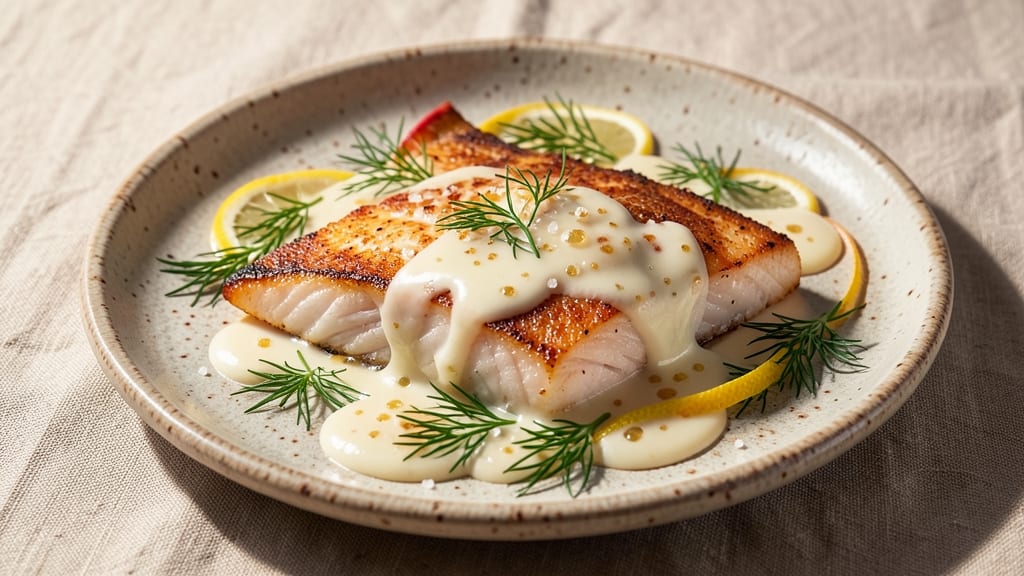
This baked fish in white sauce transforms simple fillets into a restaurant-worthy meal with just five ingredients and 30 minutes of hands-on time. The secret lies in a velvety dill cream sauce that clings to the fish, creating tender, flaky bites every time.
I developed this recipe during a particularly busy week when I needed a dish that felt special but required minimal effort—it delivers on both counts without compromise.
The white sauce is the star here, blending tangy sour cream with fresh dill and lemon juice for a bright, herby flavor that cuts through the richness of the fish.
We use a one-pan technique to keep cleanup simple while ensuring the sauce poaches the fillets gently, locking in moisture and creating that signature melt-in-your-mouth texture. The dish is naturally pescatarian but feels indulgent enough for any dinner table.
What you'll end up with is perfectly baked fish—golden on top, tender inside—bathed in a glossy, creamy sauce that's neither too heavy nor too thin. The dill adds a fresh aroma that wafts through your kitchen, while the lemon keeps the sauce from feeling too rich.
This is the kind of meal that feels impressive yet effortless, perfect for weeknights or special occasions alike.
Serve with steamed asparagus or roasted green beans to round out the plate, and crusty bread to soak up every last bit of that luxurious sauce. The recipe scales beautifully for a crowd, and leftovers reheat perfectly—just add a splash of milk or water to restore the sauce's silky consistency.
Let's get cooking!
Ingredients for baked fish in white sauce
Five simple ingredients plus a few pantry staples create restaurant-quality fish every time.
| Ingredient | Amount | Notes |
|---|---|---|
| White Fish Fillets 🐟 | 1 ½ lb | Cod, haddock or tilapia preferred |
| Sour Cream 🧀 | ¾ cup | Full-fat for creaminess |
| Fresh Dill 🌿 | ⅓ cup | Chopped stems and all |
| Lemon Juice 🍋 | 2 tbsp | Freshly squeezed |
| All-Purpose Flour 🌾 | 2 tbsp | For thickening sauce |
| Unsalted Butter 🧈 | 3 tbsp | Cold for sauce |
| Garlic Cloves 🧄 | 2 cloves | Minced for sauce |
| Salt 🧂 | ½ tsp | Kosher or sea salt |
| Black Pepper 🌶️ | ¼ tsp | Freshly ground |
| Milk 🥛 | ¼ cup | For reheating leftovers |
| Olive Oil 🫒 | 1 tbsp | For greasing pan |
The fish is everything here—look for fresh fillets with firm, translucent flesh. Whole Foods and Trader Joe's usually carry pre-portioned fillets that are perfect for this recipe. If buying whole fish, ask for the fillets to be cut and skin-on for better presentation. The dill should be vibrant green with a fresh aroma—avoid wilted stems. For the sour cream, full-fat is non-negotiable—it's what gives that velvety texture. If you're using frozen fish, thaw it in the fridge overnight for even cooking.
No fresh dill? Dried dill at one-third the amount works in a pinch, but the flavor won't be as bright. Substituting Greek yogurt for sour cream? Use the same amount, but add an extra splash of milk to keep it creamy. The butter can be swapped for vegetable oil if you're avoiding dairy, though it won't taste exactly the same. For extra flavor, add a pinch of white pepper to the sauce. And if you're feeling fancy, a splash of white wine in place of milk when reheating leftovers adds depth. The flour is just for thickening—don't skip it unless you're okay with a thinner sauce.
This sauce reheats beautifully—just add a splash of milk or water to restore its silky texture. Store leftovers covered in the fridge for up to 3 days, or freeze for 2 months. The fish stays moist when reheated gently in the sauce. For best results, serve immediately after baking—that's when it's most tender. If you're prepping ahead, assemble everything in the pan but don't bake until ready to serve. The sauce can sit on top of the fish in the fridge for up to 12 hours before baking.
Why You'll Love This Recipe
- One-Pan Magic: I swear by this recipe—just toss the fish, sauce, and herbs on a sheet pan, pop it in the oven, and walk away. No pots to scrub, no saucepans to monitor. The flour-thickened sour cream sauce clings perfectly, and the dill brightens everything up without fuss.
- Creamy-Lemon Bliss: That tangy lemon juice cutting through the rich sour cream? It’s the secret weapon here. The sauce isn’t heavy or bland—it’s bright, just slightly thickened, with the dill adding a fresh finish that makes every bite feel like a little vacation. (Yes, even on a Tuesday night.)
- Leftover Hero: This dish reheats like a dream—no soggy fish, no separated sauce. I’ve pulled it out of the fridge for lunch the next day, and it’s still just as good, if not better, with the flavors melding even more. Honestly, it’s the kind of meal that makes me actually excited to eat leftovers.
- Budget Bright Spot: White fish fillets are affordable, and this recipe stretches them far. A single batch feeds four easily, and the sour cream and dill keep costs low while making it feel special. Between us, it’s my go-to when I want something restaurant-worthy without breaking the bank.
Step-by-step instructions for baked fish in white sauce
Here's how to create melt-in-your-mouth fish with a luscious dill cream sauce.
Prepare the Fish Fillets
Pat the 1.5 lb white fish fillets completely dry with paper towels. This step is crucial—any moisture on the surface will prevent the sauce from clinging properly and create a steamed rather than baked effect. Place the fillets on a clean work surface and season both sides generously with 0.5 tsp salt and 0.25 tsp black pepper. I like to sprinkle the seasoning evenly, focusing on the edges where the sauce will pool and caramelize.
Arrange the fillets in a single layer on a parchment-lined baking sheet. If they overlap, they'll steam instead of bake, resulting in a less flavorful dish. Let them sit at room temperature for 10-15 minutes while you prepare the sauce—this ensures even cooking throughout.
Make the Dill Cream Sauce
In a medium saucepan, melt 3 tbsp unsalted butter over medium heat. Once the butter is fully melted and foaming, add the 2 cloves minced garlic cloves and cook for 30 seconds until fragrant—don't let it brown or it'll turn bitter. Immediately add the 2 tbsp all-purpose flour and whisk vigorously for 1-2 minutes until the mixture forms a smooth paste and turns a light golden color.
Slowly pour in 0.25 cup milk while whisking continuously to prevent lumps from forming. Cook for 2-3 minutes until the mixture thickens slightly and coats the back of a spoon. Remove from heat and stir in 0.75 cup sour cream and 0.33 cup chopped fresh dill. Add 2 tbsp lemon juice and mix well. Taste and adjust seasoning with additional salt and pepper if needed—this sauce should be tangy, creamy, and bright.
Assemble and Bake
Preheat your oven to 375°F. Lightly brush the baking sheet with 1 tbsp olive oil to prevent sticking. Pour the dill cream sauce evenly over the seasoned fish fillets, spreading it to the edges. The sauce should cover about ¾ of the fillets—this ensures the top stays creamy while the bottom gets a light golden crust.
Bake for 15-18 minutes until the fish is opaque and flakes easily with a fork and the sauce has thickened to a glossy finish. The edges of the sauce should be lightly golden, but don't let it brown too much or it'll lose its delicate flavor. If the sauce looks too thin after baking, you can broil for 1-2 minutes at the end to thicken it further.
Rest and Serve
Remove the baking sheet from the oven and let the fish rest for 5 minutes before serving. This resting period allows the juices to redistribute, ensuring each bite is moist and flavorful. The sauce will continue to thicken slightly as it sits, creating that perfect silky consistency.
Garnish each serving with an additional sprinkle of fresh dill and a squeeze of lemon juice for brightness. Serve immediately with crusty bread or over a bed of steamed vegetables to soak up every last bit of that creamy sauce. The fish should be tender enough to pull apart with a fork, with the sauce clinging beautifully to each flake.
Pro Tips For Making Baked Fish In White Sauce
- Preheat Pan Properly: Your fish fillets need a hot start—no lukewarm pans here. Heat the baking dish or skillet over medium-high for 3-4 minutes before adding the fish, then immediately pour in the sauce. I learned this the hard way when my first batch turned out soggy because the pan was still cold.
- Dry Fillets Thoroughly: Pat those fish fillets bone dry with paper towels—wet surfaces mean steam instead of a golden crust. Skip the paper towels, and you’ll end up with a dull, waterlogged top. (Yes, even if you’re impatient like me.)
- Temper the Sour Cream: Warm your sour cream gently before mixing it into the sauce—just a minute in a separate bowl with a splash of lemon juice and a pinch of salt. Cold sour cream curdles when it hits the hot pan, and nobody wants a lumpy white sauce.
- Bake Covered First: Toss foil over the dish for the first 10 minutes of baking—this locks in moisture so the fish doesn’t dry out. After that, uncover and finish under the broiler for 2-3 minutes to get that perfect golden crust. (Your future self will thank you.)
Pro cooking tips for this recipe
Sauce Thickening
The key to a perfect white sauce is getting the consistency just right. Start by whisking the 2 tbsp flour and 3 tbsp butter together over medium heat until it forms a smooth paste—this is called a roux.
Cook it for 1-2 minutes until it turns a light golden color, but never let it brown or it'll taste bitter. When you add the 0.25 cup milk, whisk constantly to avoid lumps.
The sauce should coat the back of a spoon when you lift it—this is the ideal texture before adding the sour cream. 🌡️
Fish Moisture Control
Pat your fish fillets completely dry before seasoning—this is non-negotiable for a good bake. Any moisture on the surface will create steam instead of a golden crust. I like to use paper towels and press firmly on both sides.
Also, let the fish sit at room temperature for 10-15 minutes before baking. Cold fish takes longer to cook evenly, and you risk overcooking the outside before the inside is done. This simple step makes all the difference in texture. 🐟
Sauce Distribution
Don't just dump the sauce on top of the fish—spread it evenly to the edges of the fillets. This ensures the sauce pools around the fish during baking, creating that beautiful golden crust while keeping the top creamy.
I use a small offset spatula to gently spread the sauce, making sure it covers about ¾ of the fillets. This technique also prevents the sauce from pooling in one spot and burning. The result? Every bite has that perfect sauce-to-fish ratio. 🍽️
Broiling for Finish
If your sauce looks too thin after baking, don't panic—just broil for 1-2 minutes at the very end. Place the baking sheet on the top rack and watch closely to avoid burning. This quick step thickens the sauce without overcooking the fish.
I recommend using the broiler setting on high heat for that perfect finish. The sauce will become glossy and just slightly golden, giving it that restaurant-quality look. 🔥
Resting Time Matters
Never skip the 5-minute rest after baking—this is when the fish juices redistribute, ensuring each bite is moist and flavorful. The sauce will also continue to thicken slightly as it sits, creating that perfect silky consistency.
I know it's tempting to dig in immediately, but trust me, this small step makes a huge difference in the final result. Serve with crusty bread to soak up every last bit of that creamy goodness. 💫
Nutrition facts
Frequently asked questions
Can I use frozen fish for this recipe?
Yes, but thaw it properly first! Place the frozen fillets in a sealed bag and submerge in cold water for 30-45 minutes or thaw overnight in the fridge. Never microwave—it creates uneven cooking. Pat completely dry before seasoning to prevent a steamed texture. The fish should feel firm but pliable when ready to use.
How do I adjust this for thicker or thinner sauce?
For a thicker sauce, add 1 extra tbsp flour to the roux and cook longer before adding milk. For a thinner sauce, whisk in 1-2 tbsp extra milk after removing from heat. The sauce should coat the back of a spoon but still be pourable—this ensures it clings beautifully to the fish without being gluey.
What's the best way to reheat leftovers?
Gently reheat in a saucepan over low heat for 3-4 minutes, stirring occasionally and adding 1 tbsp milk or water at a time until creamy. Avoid microwaving—the sauce can split and become grainy. For best texture, reheat just until warmed through and serve immediately with fresh dill and lemon.
Can I make this ahead of time?
Assemble the dish in the baking dish (fish + sauce) and refrigerate uncovered for up to 12 hours. When ready to bake, simply pop it in the oven at 375°F for 18-20 minutes—the extra time accounts for the cold start. The sauce may thicken more during chilling, so you might need 1 extra tbsp milk when reheating.
What fish works best besides cod or haddock?
Any mild, flaky white fish works well! Try halibut, mahi-mahi, or tilapia—they hold up beautifully to the sauce. For stronger-flavored fish like salmon, reduce the dill to 0.25 cup and add 1 tsp lemon zest to balance. Avoid delicate fish like sole, which can fall apart during baking.