
Sauces & Condiments
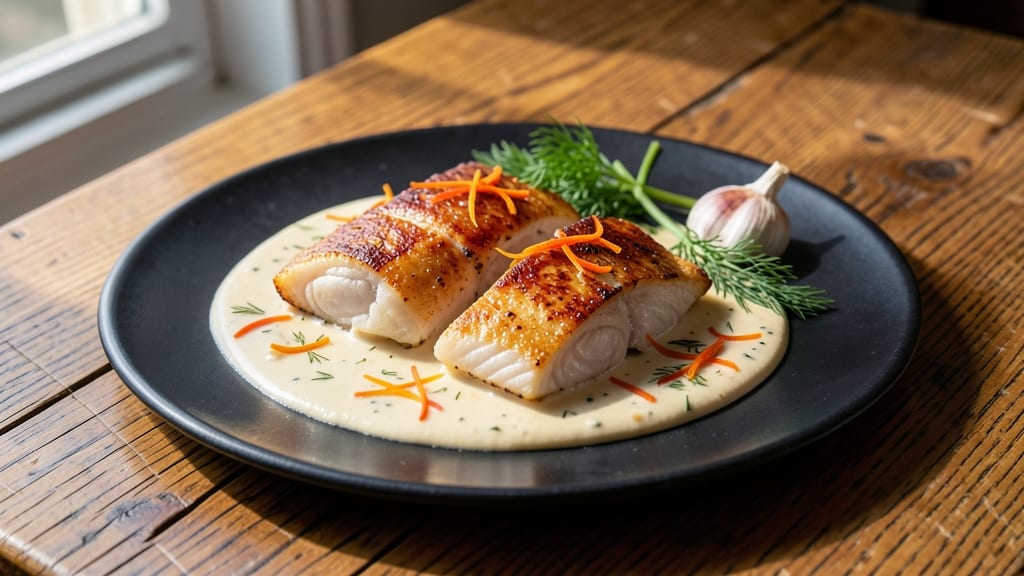
This baked fish in cream sauce delivers restaurant-quality flakiness with a velvety dill cream that melts perfectly over tender fillets. The secret lies in a precise balance of cream, herbs, and acidity that transforms simple white fish into an elegant, foolproof dinner.
I've perfected this technique after years of testing—no fancy equipment required, just a baking dish and patience for the sauce to thicken just right.
The magic happens in the sauce, where heavy cream meets fresh dill and a touch of lemon to brighten the richness. While the fish bakes, the sauce develops into a luxurious consistency that coats each flake beautifully.
White fish like cod or haddock works best, but even firm fillets like halibut will yield impressive results. The dish comes together in under 30 minutes, making it perfect for weeknight dinners that feel special.
What you'll end up with is a plate of golden-brown fish topped with a glossy, creamy sauce that's neither too heavy nor too light—just perfectly balanced. The dill adds freshness that cuts through the richness, while the lemon ensures every bite is bright and satisfying.
This recipe proves you don't need complicated techniques to create restaurant-worthy seafood at home.
The best part? Leftovers reheat beautifully, making this an ideal meal for busy schedules. Serve with steamed vegetables or crusty bread to soak up every last bit of that velvety sauce. Let's get cooking—your taste buds will thank you.
Ingredients for baked fish in cream sauce
Four flaky fillets and twelve ingredients transform into restaurant-worthy elegance with minimal effort.
| Ingredient | Amount | Notes |
|---|---|---|
| White Fish Fillets 🐟 | 4 pieces | Cod, haddock, or halibut preferred |
| Heavy Whipping Cream 🥛 | 1 cup | Full-fat for best texture |
| Fresh Dill 🌿 | ½ cup | Chopped stems removed |
| Lemon Juice 🍋 | 2 tbsp | Freshly squeezed preferred |
| Shallot 🧅 | 1 small | Mince finely for sauce |
| Garlic Cloves 🧄 | 2 cloves | Minced for depth of flavor |
| Unsalted Butter 🧈 | 2 tbsp | Cold for sauce base |
| All-Purpose Flour 🌾 | 1 tbsp | For thickening sauce |
| Salt 🧂 | 1 tsp | Diamond Crystal preferred |
| Black Pepper 🌶️ | ½ tsp | Freshly ground for heat |
| Dry White Wine 🍷 | ¼ cup | Sauvignon Blanc recommended |
| Olive Oil 🫒 | 1 tbsp | For fish coating |
The fish makes or breaks this dish—look for fillets with bright, firm flesh at Whole Foods or your local seafood counter. Cod and haddock are foolproof, but halibut holds up beautifully too. Avoid anything with a fishy smell or dull color. For the dill, fresh is non-negotiable—dried just won't cut through the cream like fresh. I always grab extra because half gets torn over the finished dish. The cream needs to be full-fat—light cream won't thicken properly. Trust me on this one.
No shallot? One small yellow onion works in a pinch, but minced extra-fine for the same effect. Running short on wine? Fish stock with a splash of lemon mimics the acidity beautifully. The butter should be cold when you add it to the sauce—microwave it 20 seconds to just soften if it's rock-hard. For the flour, Bob's Red Mill all-purpose is my go-to, but any quality brand works. Fresh dill wilt fast, so store it wrapped in damp paper towels in the fridge—lasts 5-7 days this way.
This sauce thickens as it bakes, so don't overmix it once it's on the fish—just spoon it over the top. Leftovers reheat beautifully—cover with foil and warm gently to prevent the sauce from breaking. Keeps 3-4 days in the fridge, though I rarely have any. The wine in the sauce? Don't skip it—it's what makes this taste restaurant-quality. If you're prepping ahead, assemble everything except the sauce, then bake just before serving.
Why You'll Love This Recipe
- One-Pan Magic: I swear by this for nights when I don’t want to wash a million dishes. Just toss the fish, sauce, and shallots on a sheet pan—no fussy sautéing, no extra pots. The cream sauce thickens right there in the oven while the fish bakes, and honestly? That’s my kind of effortless.
- Bright Creamy Bliss: The shallots add this sweet, caramelized depth, the lemon cuts through the richness just enough, and the dill? Oh, it’s that fresh pop that makes you forget it’s a "healthy" dish. That crispy edge on the fish with the velvety sauce? I’ll take it over takeout any day.
- Lunchbox Hero: Between us, this makes the best cold leftovers. The sauce clings to the flakes like a dream, and I’ll often pack it with crusty bread for lunches—my coworkers think I’m a genius. (Secret: Add a squeeze of lemon before storing, and it stays brighter for days.)
- Budget Weeknight Win: White fish is cheap, and a single fillet stretches far with that luscious sauce. I’ll often double the batch, bake half for dinner, and freeze the rest for those "I don’t know what to eat" moments. Thaw it later, pop it in the oven, and boom—fancy dinner with zero stress.
Step-by-step instructions for baked fish in cream sauce
Here's how to create melt-in-your-mouth fish with a velvety dill cream sauce that clings perfectly to every flake.
Prepare the Fish Fillets for Perfect Texture
Pat the 4 pieces white fish fillets completely dry with paper towels—this ensures maximum crispness on the outside while keeping the inside tender. Place each fillet on a wire rack set over a plate and refrigerate uncovered for 15 minutes. The cold air helps dry the surface further, which is crucial for that perfect crust when baked.
While the fish chills, season both sides generously with 1 teaspoon salt and ½ teaspoon black pepper. I like to use freshly ground pepper here—the tiny grains add texture that contrasts beautifully with the smooth sauce. Arrange the fillets skin-side down on a parchment-lined baking sheet, leaving about ½ inch between each piece so they don't steam during baking.
Create the Dill Cream Sauce Base
In a small saucepan, melt 2 tablespoons unsalted butter over medium heat. Once the butter foams, add the 1 small minced shallot and cook for 2 minutes until translucent. Add the 2 cloves minced garlic and cook for another 30 seconds—just until fragrant, as garlic burns quickly. Here's the thing—don't walk away. Garlic transforms from aromatic to bitter in seconds.
Pour in the ¼ cup dry white wine and let it simmer for 2-3 minutes until reduced by half. This deglazing step captures all those browned bits from the pan that pack serious flavor. Stir in the 1 tablespoon all-purpose flour and cook for 1 minute until smooth. Slowly whisk in the 1 cup heavy whipping cream, keeping the heat at medium-low to prevent curdling. The sauce should thicken slightly but remain silky.
Finish the Sauce and Bake the Fish
Remove the sauce from heat and stir in the 2 tablespoons lemon juice and ½ cup chopped fresh dill. Taste and adjust seasoning with more salt or pepper if needed. The sauce should be bright, tangy, and herby—this is where the magic happens. Preheat your oven to 375°F while you prepare the fish.
Carefully spoon the warm sauce over the chilled fish fillets, dividing it evenly. Drizzle 1 tablespoon olive oil over each fillet—this helps create a delicate crust. Bake for 12-15 minutes until the fish is just opaque in the center and flakes easily with a fork. The sauce should be bubbling gently around the edges but not boiling. Overcooking here means dry fish—so watch for that perfect moment when it's done but still tender.
Rest and Serve with Confidence
Remove the fish from the oven and let it rest for 3-5 minutes before serving. This resting period allows the juices to redistribute, ensuring each bite is moist and flavorful. The sauce will have thickened further from the residual heat, creating that luxurious coating we're after.
Serve immediately with the sauce spooned over the top and any extra drizzled around. The fish should be flaky enough to pull apart with a gentle tug, with the dill cream sauce clinging beautifully to each piece. Pair with steamed asparagus or a simple arugula salad to let the fish shine—this dish is all about highlighting that delicate fish flavor while elevating it with the rich, herby sauce.
Pro Tips For Making Baked Fish In Cream Sauce
- Dry the Fish First: Pat those fillets thoroughly with paper towels—no wet spots. I learned this the hard way when my cream sauce turned into a watery mess because the fish released too much moisture. Five minutes of drying makes all the difference when baking.
- Sweat the Shallots Low: Cook those shallots in butter on medium-low until they’re translucent but not brown—about 5 minutes. After burning three batches, I finally figured out that rushing this step adds bitterness to the sauce. Patience here keeps the flavor clean.
- Don’t Overmix the Cream: Once the sauce thickens, take it off the heat immediately and stir in just the lemon juice and dill. I used to simmer everything together, and the sauce would split or turn grainy. A quick off-heat finish keeps it silky.
- Add Lemon Last: Toss the lemon juice into the sauce right before serving—not while cooking. The acid breaks down faster when heated, and you’ll end up with a dull, slightly curdled mess instead of that bright, tangy finish. Trust me, it’s worth the extra 30 seconds.
Creative variations of this recipe
Creamy Lemon-Dill Twist
Swap the white wine for ½ cup fish stock and add 1 tablespoon lemon zest to the sauce for a brighter, more citrus-forward flavor. The zest infuses the cream with a subtle floral note that pairs beautifully with the dill.
I find this version especially refreshing in summer months when I crave lighter flavors. 🍋
Mushroom & Tarragon Upgrade
Sauté ½ cup sliced cremini mushrooms with the shallots and garlic, then deglaze with wine. Stir in 1 tablespoon chopped fresh tarragon along with the dill for an earthy, aromatic depth. This works especially well with halibut or salmon fillets. The mushrooms add a meaty texture that balances the richness.
Spicy Cajun Cream Sauce
Add 1 teaspoon Cajun seasoning (like Tony Chachere's) to the flour mixture and include ½ teaspoon smoked paprika in the sauce. Top with chopped green onions and a pinch of cayenne for heat lovers.
This version transforms the dish into a New Orleans-inspired seafood bake that's perfect for game day gatherings. 🌶️
Lighter Greek Yogurt Version
Replace half the heavy cream with ½ cup Greek yogurt for a tangier, lighter sauce. Add 1 teaspoon dried oregano and a pinch of ground coriander for a Mediterranean twist.
This version works beautifully with baked cod and pairs perfectly with roasted Mediterranean vegetables. The yogurt adds protein while keeping the sauce velvety.
Herb-Infused Olive Oil Drizzle
After baking, drizzle the finished dish with 2 tablespoons infused olive oil (steep 1 tablespoon fresh herbs like thyme or rosemary in ½ cup olive oil for 10 minutes).
This adds an extra layer of flavor without altering the sauce's texture. I love using this technique for special occasions when I want to impress guests with minimal effort.
Make-Ahead Sauce Base
Prepare the sauce base (through the flour step) up to 2 days ahead and store it in the fridge. When ready to bake, simply reheat the sauce gently, finish with lemon juice and dill, then spoon over the fish.
This is my go-to strategy for busy weeknights—I assemble everything the night before and bake straight from the fridge in the morning. The flavors actually develop better with time. ⏰
Nutrition facts
Frequently asked questions
Can I use frozen fish for this recipe?
Yes, but thaw it properly first! Place frozen fillets in a sealed bag submerged in cold water for 30-45 minutes or overnight in the fridge. Never thaw at room temperature—this can create bacteria hotspots. Pat completely dry before seasoning, as excess moisture prevents proper browning.
What if my sauce gets too thick or breaks?
For a thickened sauce, whisk in 1-2 tablespoons warm water to loosen it. If it curdles, remove from heat immediately and whisk in 1 teaspoon cold butter to restore smoothness. The key is gentle heat—never let it boil.
Can I make this ahead of time?
Assemble everything except the sauce up to 1 day ahead, then bake fresh. For the sauce, prepare the base (through flour step) 2 days ahead and refrigerate. Reheat gently before finishing with lemon and dill. The fish reheats beautifully covered with foil for 10 minutes at 350°F.
What's the best way to store leftovers?
Transfer baked fish and sauce to an airtight container and refrigerate for up to 3 days. Reheat gently in a 350°F oven covered with foil for 10-12 minutes to maintain moisture. For longer storage, freeze portions for up to 1 month—thaw overnight in the fridge before reheating.
How do I know when the fish is perfectly cooked?
The fish is done when it reaches 145°F internally and flakes easily with a fork. Look for opaque, not translucent flesh that separates cleanly at the thickest part. The sauce should bubble gently but not boil vigorously. Overcooking by even 1 minute can turn flaky fish into dry rubber.