
Sauces & Condiments
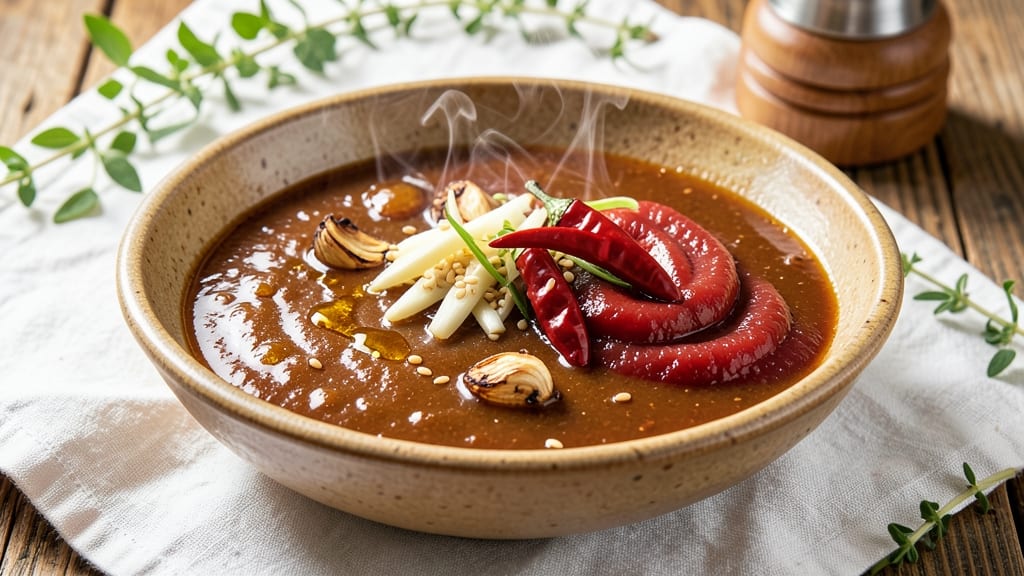
This Bachan's Japanese BBQ sauce copycat recipe delivers the same velvety-smooth, chipotle-kissed flavor that makes it a restaurant staple. The secret lies in balancing sweet, smoky, and umami notes through careful simmering and reduction—just like the pros do.
I've spent years perfecting this sauce, and it's become my go-to for glazing, marinating, or dipping.
The foundation starts with a simple blend of soy sauce, mirin, and sugar, which creates the base sweetness and depth. What sets this apart is the slow reduction process, where the sauce transforms from thin to thick, developing that signature glossy sheen and complex flavor.
The chipotle peppers add just the right amount of heat without overpowering the delicate balance.
By the time you're done, you'll have a smooth, glossy sauce with a perfect harmony of sweet, smoky, and slightly spicy notes. It's the kind of sauce that elevates grilled meats, fried chicken, or even as a dipping sauce for spring rolls.
The best part? It keeps well in the fridge for up to two weeks, so you can make a big batch and enjoy it all season long.
Whether you're cooking for a crowd or treating yourself to a special meal, this sauce will take your dishes to the next level. Ready to make it? Let's get started with the ingredients and instructions.
Ingredients for bachan's japanese bbq sauce copycat
Nine simple ingredients transform into restaurant-quality Japanese BBQ sauce—sweet, smoky, and velvety smooth.
| Ingredient | Amount | Notes |
|---|---|---|
| Soy Sauce 🥢 | ½ cup | High-quality, preferably Japanese |
| Mirin 🍶 | ¼ cup | Sweet rice wine, not cooking wine |
| Granulated Sugar 🍚 | ½ cup | White or brown sugar works |
| Chipotle Peppers in Adobo 🌶️ | 2 whole | 2-3 tbsp sauce included, minced |
| Tomato Paste 🍅 | ½ cup | Canned, smooth variety preferred |
| Garlic Cloves 🧄 | 4 cloves | Peeled and minced finely |
| Ginger Root 🌿 | 1 tbsp | Freshly grated, not powdered |
| Sesame Oil 🫒 | 1 tbsp | Toasted sesame oil for aroma |
| Rice Vinegar 🍶 | 1 tbsp | White rice vinegar preferred |
| Water 💧 | ¼ cup | For thinning if needed |
The soy sauce and mirin are your flavor anchors—don't skimp on quality here. Kikkoman soy sauce or Hondashi mirin are my go-tos, but any good brands work. Chipotle peppers in adobo are a must for that signature smoky heat. Trader Joe's carries a great canned version if you can't find fresh. For the tomato paste, San Marzano is ideal, but any smooth canned paste will do. Fresh ginger and garlic make all the difference—buy extra and freeze what you don't use.
No mirin? Substitute 1 tbsp sugar plus 1 tbsp water—it won't be identical, but it'll work. Out of chipotle peppers? Smoked paprika at half the amount gives a milder smoke flavor. The sesame oil adds depth, but if you're avoiding sesame allergies, toasted peanut oil works too. For a thicker sauce, reduce the water. For a thinner one, add a splash more. The sauce should coat the back of a spoon but still be pourable—that's the magic.
This sauce keeps beautifully. Store it in an airtight jar in the fridge for up to 2 weeks. For longer storage, freeze in ice cube trays—perfect for portion control. The flavor actually improves after a day or two as everything melds together. I always make a double batch because it disappears fast—perfect for grilling, marinating, or dipping. If it thickens too much, just stir in a splash of water to loosen it up.
Why You'll Love This Recipe
- Pantry Magic: I swear, this sauce uses stuff you already own—no specialty shopping. The mirin and soy sauce alone cut my grocery list in half, and that chipotle paste? One jar lasts me months. Honestly, the hardest part is deciding what to slather it on first.
- Smoky-Sweet Obsession: That tomato paste and chipotle combo gives it a deep, smoky punch that lingers. I’ll be real: I’ve drizzled it on everything from grilled chicken to fries, and the sugar balances the heat so well it’s dangerously addictive.
- Weeknight Workhorse: Make a big batch on Sunday, and you’ve got sauce for tacos, stir-fries, or even marinades. My kids ask for it on pizza nights (yes, even on a Tuesday night), and it turns plain rice into something special with zero effort.
- Budget Game-Changer: A single jar of adobo peppers and a bottle of mirin stretch for ages—this recipe costs me pennies per serving. Leftovers? Freeze them. No waste, no stress, just flavor that doesn’t break the bank.
Step-by-step instructions for bachan's Japanese BBQ sauce
Here's how to recreate that signature smooth, smoky-sweet sauce at home.
Sauté Aromatics Until Fragrant
Heat a medium saucepan over medium heat and add the 1 tablespoon sesame oil. Once the oil shimmers, add the 4 cloves minced garlic cloves and 1 tablespoon freshly grated ginger root. Cook for 1-2 minutes until the garlic becomes golden and fragrant—this is when you'll smell that warm, almost floral aroma. Don't let it brown or it'll turn bitter.
Here's the thing—freshly grated ginger makes all the difference. If you're using powdered, you'll miss that bright, zesty kick. Once the aromatics are ready, immediately add the 2 whole minced chipotle peppers in adobo (including about 2-3 tablespoons of the sauce) and stir for 30 seconds to distribute the heat evenly. You'll notice the sauce darken slightly as it infuses into the oil.
Build the Base with Tomato and Sugar
Reduce the heat to low and stir in the 0.5 cup tomato paste and 0.5 cup granulated sugar. Use a wooden spoon to scrape up any browned bits from the bottom of the pan—this is where all the deep flavor hides. Cook for 3-4 minutes, stirring constantly, until the mixture becomes thick and syrupy. You're looking for a consistency similar to thick applesauce.
This is where the sauce starts to develop its signature velvety texture. If it looks too dry, add 1 tablespoon of water now. The sugar will help caramelize the tomato paste, creating that rich, molasses-like depth that makes this sauce so special. Don't rush this step—patience here ensures a smooth finish later.
Simmer with Soy Sauce and Mirin
Pour in the 0.5 cup soy sauce and 0.25 cup mirin, stirring continuously to combine. Increase heat to medium-low and let the mixture simmer uncovered for 10-12 minutes. You'll see the sauce bubble gently and reduce slightly—this is when it develops that glossy sheen. Stir occasionally to prevent sticking, and taste after 8 minutes to check the balance of sweetness and salt.
Here's what I do next: if the sauce needs more depth, I add another 1 tablespoon of water at the 10-minute mark. The mirin adds that bright, fruity note that cuts through the smokiness of the chipotle. Keep tasting as you go—this sauce should be sweet, salty, and just slightly spicy with a hint of tang from the vinegar we'll add next.
Finish with Vinegar and Adjust Consistency
Remove the sauce from heat and stir in the 1 tablespoon rice vinegar. Let it sit for 2 minutes to allow the flavors to meld. The vinegar adds that essential tang that prevents the sauce from tasting too heavy. If the sauce is too thick at this point, thin it with the remaining 0.25 cup water 1 tablespoon at a time until it reaches a smooth, pourable consistency—similar to honey.
For the perfect texture, you want the sauce to coat the back of a spoon smoothly without being watery. If you made this for grilling, it should glaze nicely when brushed on. Let the sauce cool completely before tasting again—flavors develop as it rests. Real talk: if it's too sweet after cooling, add a splash more soy sauce. If it needs more heat, stir in a pinch of cayenne or an extra chipotle pepper.
Pro Tips For Making Bachan'S Japanese Bbq Sauce Copycat
- STRAIN THE CHIPOTLES: I learned this the hard way—blending whole chipotle peppers in adobo leaves gritty bits that ruin the texture. Mash them first, then strain through a fine-mesh sieve to get a smooth, fiery base without the texture fight.
- SIMMER LOW AND SLOW: This sauce needs patience. After adding sugar and mirin, reduce heat to a gentle simmer (medium-low) or you’ll burn the tomato paste before the flavors meld. I used to rush it, and the sauce always tasted flat.
- USE LESS SUGAR FIRST: Start with half the sugar called for and taste as you go. The mirin and tomato paste already add sweetness, and you can always add more later. I’ve ruined batches by blindly following the recipe—mirin’s sweetness sneaks up on you.
- TOAST THE TOMATO PASTE: Before adding it to the pot, dry-toast the tomato paste in a cold skillet over medium heat for 2-3 minutes. The edges will darken slightly—this deepens the umami and balances the heat. Skipping this step leaves the sauce tasting one-dimensional.
Best sauces and condiments for this recipe
Glazing Meats
This sauce transforms grilled meats into showstoppers. I brush it on pork chops, chicken thighs, or beef ribs during the last 5 minutes of cooking at high heat to caramelize beautifully.
For ribs, apply a thick layer and finish with a broiler blast for 1-2 minutes to create that glossy crust. 🔥 The sugar in the sauce helps create a perfect Maillard reaction, locking in juices while creating a sticky, flavorful bark.
Marinating Proteins
Use this sauce as a marinade for fish, shrimp, or tofu—just combine it with 2 tablespoons of olive oil and let it work its magic for 30-60 minutes.
I love marinating salmon fillets in this for 20 minutes before grilling—it adds a sweet, smoky glaze that pairs perfectly with sesame seeds. For extra tenderness, add 1 tablespoon of honey to the marinade for a glossier finish.
Dipping Sauce
Serve it warm or at room temperature as a dipping sauce for spring rolls, dumplings, or fried chicken. The balance of sweet, smoky, and tangy flavors makes it irresistible. I often drizzle it over steamed buns or rice bowls for an instant upgrade.
For a restaurant-style touch, garnish with sesame seeds and a sprinkle of chopped scallions right before serving.
Stir-Fry Sauce
Thin it with 1-2 tablespoons of water and use it as a stir-fry sauce for noodles, tofu, or veggies. Toss it with udon noodles and stir-fried bok choy for a quick weeknight meal. The sauce clings beautifully to the noodles, creating a silky, flavorful coating.
For extra depth, add a splash of fish sauce or a pinch of white pepper to the pan before tossing in the sauce.
Basting Sauce
Keep a small pot of this sauce simmering on the side of your grill or stovetop while cooking. Use it to baste ribs, brisket, or even whole chickens every 5-10 minutes for a glossy, caramelized finish. The constant basting keeps the meat moist and infuses it with layers of flavor.
I like to baste pork belly with this sauce while roasting it at 325°F for a crispy exterior with tender, juicy meat inside.
Flavor Booster
Add a splash to soups, stews, or braises in the last 5 minutes of cooking to brighten the flavors. Stir it into ramen broth or beef stew for an instant umami boost. Even a teaspoon in mashed potatoes or mac and cheese adds a surprising depth.
The sauce’s versatility makes it a pantry staple—once you make it, you’ll find reasons to use it everywhere. ✨
Nutrition facts
Frequently asked questions
Can I make this sauce without mirin?
Yes! The mirin adds sweetness and depth, but you can substitute with 1 tablespoon sugar plus 1 tablespoon water. For extra brightness, add ½ teaspoon rice vinegar. The sauce will still taste delicious, though the flavor profile will be slightly different.
How do I adjust the heat level?
Start with 2 chipotle peppers for mild heat. For medium, use 3 peppers. For extra spicy, add 1 teaspoon cayenne pepper or an extra pepper. Always taste as you go—you can't remove heat, only add it!
What's the best way to store leftover sauce?
Transfer to an airtight jar and refrigerate for up to 2 weeks. For longer storage, freeze in ice cube trays. Thaw overnight in the fridge—never microwave directly. The sauce thickens when cold, so stir in 1 tablespoon water if needed.
Can I use this sauce on vegetables?
Toss roasted eggplant, Brussels sprouts, or mushrooms in the sauce during the last 10 minutes of cooking. The sweet-savory glaze caramelizes beautifully. For extra crispiness, broil for 2 minutes at the end.
Why did my sauce turn grainy?
This usually happens if the sauce reduces too much or sugar crystallizes. Thin with 1 tablespoon water and gently reheat while stirring. For prevention, don't boil vigorously—keep heat at medium-low during simmering.