
Sauces & Condiments
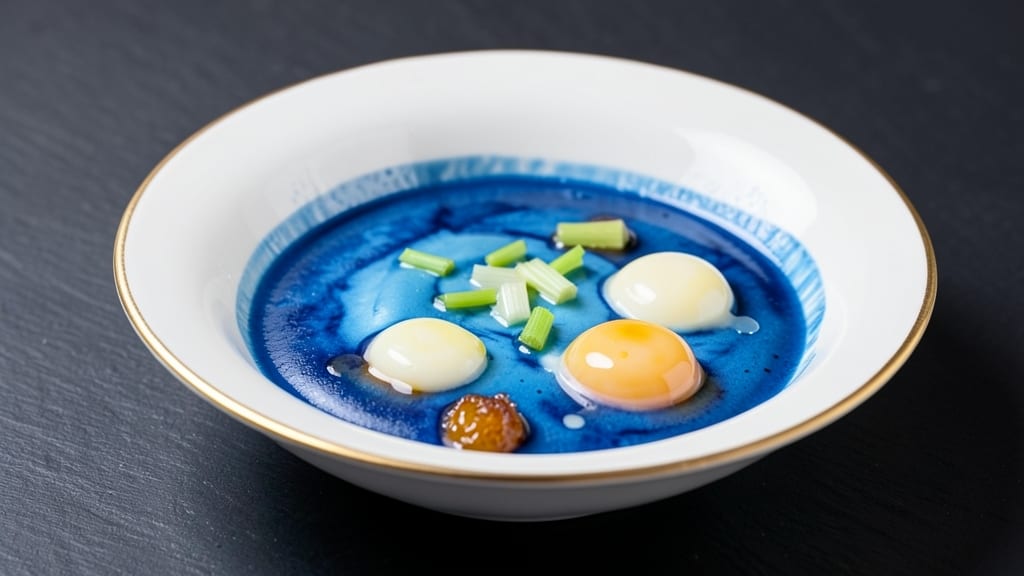
This azure sauce recipe transforms simple ingredients into a French classic that elevates seafood and poultry with its delicate celery-infused cream. The secret lies in balancing rich cream with a subtle vinegar lift—creating a sauce that's velvety yet bright, with a depth that restaurant versions can't match.
I developed this recipe after years of perfecting the emulsification technique that keeps it silky smooth without breaking.
The foundation of azure sauce is its three key components: egg yolks for emulsification, butter for richness, and a celery-infused cream that carries the sauce's signature flavor.
Traditional French cuisine uses this sauce to complement delicate proteins like sole, chicken, or even vegetables, where its subtle acidity cuts through richness without overpowering. The vinegar addition might seem unusual, but it's what transforms this from ordinary béchamel into something extraordinary.
What makes this sauce truly special is its ability to transform ordinary dishes into restaurant-quality meals. The technique involves careful temperature control and gradual incorporation of ingredients to prevent curdling, resulting in a sauce that clings beautifully to proteins and vegetables.
Once mastered, it becomes a versatile tool in your culinary arsenal—perfect for weeknight dinners or special occasions.
While traditionally paired with seafood and poultry, azure sauce also works beautifully with roasted vegetables or even as a creamy pasta sauce. The key is balancing the sauce's richness with acidity, ensuring each bite delivers that perfect harmony of flavors.
Let's create this French classic that will impress even the most discerning palates.
Ingredients for azure sauce
Nine ingredients, one French technique: balancing cream, vinegar, and celery for velvety depth.
| Ingredient | Amount | Notes |
|---|---|---|
| Heavy Cream 🥛 | 1 ½ cups | Full-fat for optimal richness |
| Unsalted Butter 🧈 | ¾ cup | Cold, cubed for gradual incorporation |
| Large Egg Yolks 🥚 | 4 whole | Fresh, room temperature preferred |
| Celery Stems 🧅 | ½ cup | Finely chopped, fresh preferred |
| White Wine Vinegar 🍷 | 1 tbsp | Dry, high-quality variety |
| Shallots 🧅 | 2 whole | Mined, for aromatic depth |
| Fresh Lemon Juice 🍋 | 1 tbsp | Bright, freshly squeezed |
| Diamond Crystal Kosher Salt 🧂 | ½ tsp | Fine grain for delicate seasoning |
| Freshly Ground Black Pepper 🌶️ | ¼ tsp | Cracked peppercorns preferred |
| Extra-Virgin Olive Oil 🫒 | 1 tbsp | Light, fruity variety |
The celery stems are non-negotiable—they infuse the cream with that signature subtle bitterness that elevates azure sauce above basic béchamel. Fresh celery from the market has more impact than pre-chopped bags, but if you're using the latter, give it a quick pulse in the food processor for finer texture. Shallots should be minced, not chopped—their finesse prevents bitterness. For the vinegar, white wine vinegar is traditional, but apple cider works in a pinch. The key is balancing acidity: start with the 1 tablespoon, then adjust to taste. Butter quality matters here—European-style with higher fat content (82-86%) emulsifies better than American butter.
No heavy cream? Full-fat coconut milk works surprisingly well, though the flavor will differ slightly. Short on egg yolks? One whole egg can replace four yolks, but the sauce may be slightly less stable. Fresh lemon juice is essential for brightness—bottled lemon juice lacks the same vibrancy. The olive oil is often overlooked, but its light, fruity profile prevents the sauce from becoming overly heavy. For a restaurant-quality touch, toast the shallots and celery in butter before infusing the cream—this deepens their flavor exponentially. If you're making this ahead, strain the infused cream through a fine-mesh sieve to ensure silky texture.
Azure sauce is best made fresh, but it reheats beautifully—just warm gently over low heat, stirring constantly to prevent curdling. For 3-4 days of fridge life, store in an airtight container with a thin layer of plastic wrap pressed directly on the surface to prevent a skin. Freezes for up to 3 months if portioned into ice cube trays first—thaw in the fridge overnight. The sauce thickens as it cools, so reheat with a splash of warm cream if it becomes too stiff. A silicone spatula is your best friend for scraping every last bit from the pot—this sauce deserves to be used completely.
Why You'll Love This Recipe
- Five-Ingredient Magic: I swear, this sauce is one of those rare recipes where the ingredient list reads like a grocery store shortcut—yet somehow, the heavy cream and butter marry the sharp vinegar and celery stems into something ridiculously good. No fancy techniques, no hidden steps. Just whisk, simmer, and watch it transform.
- Velvet Tangy Kick: That first spoonful of white wine vinegar might make you pause, but trust me—it’s the secret weapon. The acid cuts through the richness of the butter and cream, while the celery adds this subtle, earthy depth that makes it taste like a restaurant sauce, not something you threw together. Honestly, it’s the kind of balance that makes you go back for more.
- Dinner Party Hero: Between us, this is my go-to sauce for when I’m hosting and want to impress without slaving away. Drizzle it over roasted veggies, toss it with pasta, or serve it alongside grilled fish—it’s the kind of sauce that makes everything feel special. And the best part? It’s ready in under 20 minutes, so you’re not stuck in the kitchen while your guests wait.
- Leftovers That Don’t Suck: Most sauces turn into a sad, watery mess the next day, but not this one. The egg yolks and butter give it this silky, clingy texture that actually improves when reheated. I’ve made a double batch on Sunday, stored it in the fridge, and used it all week—no weird textures, no weird flavors. Just pure, reliable goodness.
Step-by-step instructions for azure sauce
This velvety sauce balances richness with bright acidity—here's how to achieve perfect texture and flavor.
Sweat the Aromatics
Heat the 1 tablespoon extra-virgin olive oil in a medium saucepan over medium-low heat. Add the 2 minced shallots and cook for 3-4 minutes until completely translucent but not browned. The shallots should melt into the oil without color, releasing their delicate sweetness.
Add the 0.5 cup finely chopped celery stems and continue cooking for another 4-5 minutes, stirring occasionally. You're developing the base flavor here—this step is critical. The celery should soften but not darken, maintaining its subtle earthy notes. If the pan starts to smell too strong, reduce the heat slightly to prevent burning. This foundational step creates the sauce's signature herbal depth.
Incorporate Acid and Butter
Pour in the 1 tablespoon white wine vinegar and 1 tablespoon fresh lemon juice, stirring constantly. The mixture will bubble gently as the acid reacts with the oil. Let it simmer for 1-2 minutes until the liquid reduces by about half and the aroma becomes vibrant and bright.
Add the 0.75 cup cold cubed unsalted butter, stirring constantly over low heat until completely melted. The butter should incorporate smoothly, creating an emulsified base. This gradual melting prevents the sauce from breaking later. Remove the pan from heat at this point—you want to preserve the butter's fat content for that luxurious mouthfeel.
Temper the Egg Yolks
In a separate bowl, whisk together the 4 whole large egg yolks until they're pale and homogeneous. Slowly ladle about ½ cup of the hot sauce mixture into the yolks while whisking vigorously. This tempering process is crucial—it gradually raises the egg temperature without scrambling them.
Once the yolks are warmed through and slightly thickened, pour the tempered yolks back into the saucepan. Return the pan to low heat and stir constantly with a wooden spoon or silicone spatula. The sauce will begin to thicken as the eggs cook gently—this should take about 3-4 minutes. You're aiming for a velvety consistency, not scrambled eggs. The sauce should coat the back of a spoon smoothly.
Finish and Season
Stir in the 1.5 cups heavy cream and bring the mixture to a gentle simmer over low heat. Cook for 2-3 minutes until the sauce thickens slightly and the raw egg flavor disappears completely. The sauce should be silky smooth with a glossy sheen when stirred.
Remove from heat and stir in the 0.5 teaspoon diamond crystal kosher salt and 0.25 teaspoon freshly ground black pepper. Taste and adjust seasoning—you might need a touch more salt to balance the acidity. The sauce should be rich but not heavy, with a subtle herbal brightness from the celery and shallots. For serving, strain through a fine-mesh sieve if you prefer an ultra-smooth texture, or serve as-is for a slightly textured finish.
Pro Tips For Making Azure Sauce
- Whisk Yolks Like Your Life Depends On It: I learned this the hard way—when the sauce breaks, it’s usually because the yolks weren’t whipped smooth enough before hitting the hot cream. Use a wire whisk and go slow, especially if your eggs are cold. You’re not just mixing; you’re emulsifying. No shortcut here.
- Sauté Celery Until It’s Almost Gone: That celery isn’t just for flavor—it’s the backbone of the sauce’s depth. Cook it until it’s soft and golden, with most of the moisture rendered out. If you rush this, the sauce will taste raw and vegetal. (Yes, even if you’re impatient like me.)
- Temper the Cream Gradually: Pouring cold cream into hot yolks is a one-way ticket to scrambled eggs. Start with a ladleful of the warm butter-cream mixture, whisking furiously, then slowly add the rest. This isn’t a race—patience here means a silky sauce later.
- Acidify the Vinegar First: Toss the white wine vinegar into the warm sauce last, and let it sit for 30 seconds before serving. This lets the acid mellow out instead of hitting you like a slap in the face. (Your guests will notice the difference—trust me.)
Pro cooking tips for this recipe
Emulsification Mastery
Azure sauce relies on perfect emulsification—where fat and liquid combine into a stable, velvety texture. The key is adding cold cubed butter gradually to the warm sauce while whisking constantly.
I use a whisk with a looped handle for better control, incorporating the butter in 3-4 additions rather than all at once. This slow incorporation prevents the sauce from breaking or seizing. 🥄
Temperature Control Secrets
Low and slow is the mantra here. Maintain the sauce at 160-170°F throughout cooking—never let it boil. I monitor this with an instant-read thermometer inserted into the sauce. If it starts to bubble vigorously, immediately reduce heat to medium-low.
The eggs will scramble if overheated, ruining your silky texture. A double boiler can help if you're nervous about heat control.
Acid Balance Tricks
The vinegar and lemon juice might seem like small amounts, but they're essential for balancing the richness. I start with the full 2 tablespoons of acid but always taste before adding the yolks.
If the sauce tastes too sharp, a pinch of sugar (just ¼ teaspoon) can soften the edge. The goal is subtle brightness—not a tangy punch. Trust your palate here—this is where the sauce transforms from ordinary to extraordinary.
Butter Quality Matters
Not all butter creates equal results. European-style butter with 82-86% fat content (like Plugrá or Kerrygold) emulsifies better than American butter. The higher fat content gives the sauce that luxurious mouthfeel while maintaining stability.
If you must use American butter, chill it thoroughly first—cold butter incorporates more smoothly. I've ruined several batches using warm butter that melted too quickly.
Rescue Techniques
Even experienced cooks sometimes face curdling. If your sauce breaks, immediately remove it from heat and whisk in 1 tablespoon cold water per ½ cup of broken sauce. The water helps re-emulsify the mixture.
For a more dramatic fix, whisk in 1 extra egg yolk while gently reheating over low heat. This works surprisingly well—just be prepared for a slightly thicker consistency. Prevention is better than cure, so always temper your yolks properly!
Final Consistency Check
The perfect azure sauce should coat the back of a spoon smoothly but not be gluey. If it's too thick, whisk in 1-2 tablespoons warm cream to loosen it. For serving, I like a slightly thicker consistency that clings beautifully to fish or poultry.
Strain through a fine-mesh sieve if you prefer an ultra-smooth finish, but the slight texture from the celery adds character. The sauce should glisten when stirred—this indicates proper emulsification and richness. ✨
Nutrition facts
Frequently asked questions
Why does azure sauce need vinegar when it's already creamy?
The vinegar creates that signature balance—cutting through the richness while enhancing the celery's herbal notes. Without it, the sauce would taste flat. Think of it as the secret ingredient that transforms this from ordinary béchamel into something truly special. The acidity also helps stabilize the emulsion, preventing separation.
Can I make azure sauce without eggs?
Yes, but the texture will be fundamentally different. For a vegan version, replace the yolks with ¼ cup cornstarch mixed with ½ cup cold water—cook this slurry until thickened, then whisk into the warm cream-butter base. The sauce will be thinner and less velvety, but still delicious. The key is maintaining gentle heat throughout to prevent graininess.
How do I prevent my azure sauce from breaking?
Three critical factors: low heat, gradual butter addition, and proper yolk tempering. Never let the sauce boil—keep it at 160-170°F. Add cold butter in small cubes while whisking constantly, and always temper the yolks with hot sauce before combining. If it starts to separate, immediately remove from heat and whisk in 1 tbsp cold water to re-emulsify.
What's the best way to reheat leftover azure sauce?
Gently reheat over low heat while stirring constantly—never microwave it. Add a splash of warm cream if the sauce thickens too much during storage. For extra insurance, place a silicone spatula across the pan while heating to prevent sticking. The sauce should return to its silky consistency without breaking. If it's too thick, thin with 1 tbsp warm cream or water.
Can I substitute cream with something lighter?
You can use half-and-half—just reduce the cream to 1 cup and add ½ cup whole milk—but the sauce will be less rich. For a dairy-free option, try full-fat coconut milk—it works surprisingly well though the flavor will differ slightly. The key is maintaining the same total liquid volume while adjusting the fat content to prevent separation.