
Sauces & Condiments
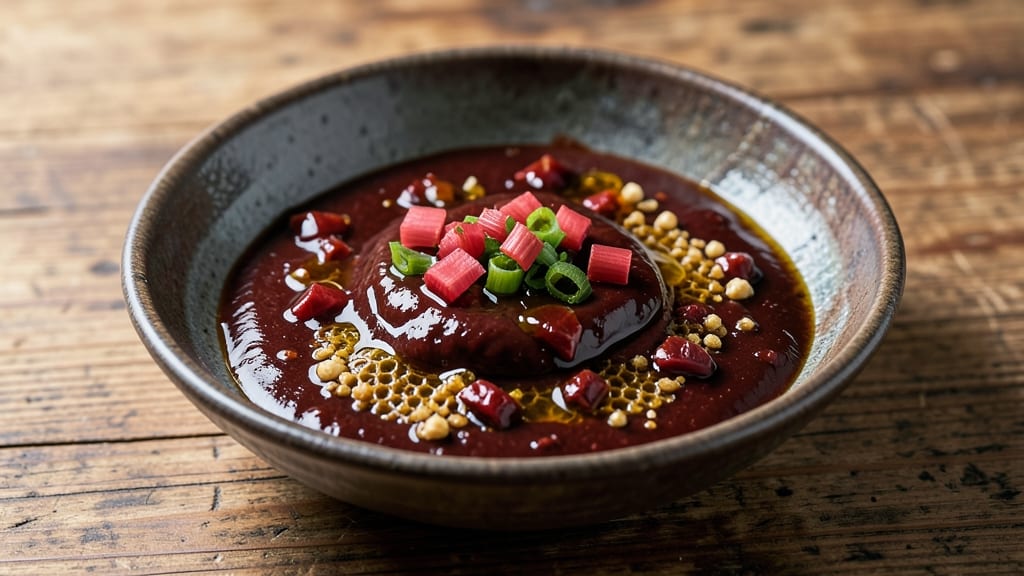
Aux Vivres Dragon Sauce transforms ordinary dishes into bold, restaurant-worthy meals with its smoky chipotle-vinegar base and signature celery crown texture. This sauce delivers a perfect balance of heat, tang, and umami—ideal for elevating grilled meats, seafood, or roasted vegetables. The secret lies in slow reduction and emulsification, creating a velvety finish with just the right bite.
What sets this sauce apart is its layered complexity: smoky chipotle peppers provide depth, while white vinegar brightens the flavor profile. The celery crowns add a subtle crunch and aromatic freshness, ensuring every spoonful is dynamic.
Unlike store-bought versions, this recipe builds flavor through technique—simmering, blending, and finishing with a touch of acidity for balance.
Perfect for marinades, dipping sauces, or finishing drizzles, this sauce stays vibrant for up to a week in the fridge, allowing you to prep ahead without sacrificing quality. The texture is smooth yet slightly textured, clinging to proteins and vegetables for an unforgettable dining experience.
Whether you're cooking for a crowd or treating yourself to a weeknight upgrade, this sauce delivers professional results at home.
Pair it with grilled steak, shrimp skewers, or roasted Brussels sprouts for a flavor profile that commands attention. The sauce's versatility makes it a staple for any home cook looking to elevate their dishes with minimal effort.
Let's get started on creating this bold, versatile condiment that will become a kitchen essential.
Ingredients for aux vivres dragon sauce
Ten ingredients elevate ordinary dishes to restaurant-worthy excellence through layered smoky-vinegar complexity.
| Ingredient | Amount | Notes |
|---|---|---|
| Adobo-Smoked Chipotle Peppers in Adobo Sauce 🌶️ | 4 whole | With adobo sauce reserved |
| White Wine Vinegar 🍷 | ½ cup | High-quality, aged variety |
| Fresh Celery Stems 🧅 | 2 whole | Thick, fibrous stems only |
| Extra-Virgin Olive Oil 🫒 | ½ cup | Fruity, peppery variety |
| Low-Sodium Soy Sauce 🍜 | 1 tbsp | Kikkoman preferred |
| Granulated Garlic 🧄 | 1 tbsp | Freshly minced preferred |
| Fresh Ginger Root 🌿 | 1 tbsp | Finely grated, organic |
| Granulated Sugar 🍚 | 1 tbsp | Light brown preferred |
| Diamond Crystal Kosher Salt 🧂 | 1 tsp | For seasoning balance |
| Fresh Lemon Juice 🍋 | 1 tbsp | From organic Meyer lemon |
The chipotle peppers are the heart of this sauce—adobo-smoked for depth, not raw. Penzeys Spices or Trader Joe's carry high-quality adobo peppers in cans; always reserve the sauce for maximum flavor. Fresh celery stems provide the signature texture, so avoid the leafy tops—the fibrous stalks are key. For the vinegar, avoid cheap white vinegar—Williams Sonoma or Bragg aged varieties deliver the bright acidity needed. The olive oil should be fruity and peppery—California Olive Ranch or Colavita are excellent choices.
No adobo peppers? Substitute 2 tbsp smoked paprika plus 1 tsp liquid smoke for smokiness, though the depth won't match. Substitute apple cider vinegar for white if needed, but reduce to 0.4 cup—it's slightly milder. For the celery crown texture, blend finely chopped shallots into the sauce if you're short on time, though purists will miss the celery's unique crunch. The soy sauce can be swapped for coconut aminos for a gluten-free option, though the flavor profile shifts slightly. Fresh ginger and garlic are non-negotiable for authenticity—dried powders lack the bright punch.
This sauce thrives on prep-ahead time—make it 2 days ahead for flavors to meld perfectly. Store in an airtight glass jar in the fridge for up to 1 week, though the texture may soften slightly after 3 days. For longer storage, freeze in ice cube trays—thaw and whisk to restore texture. The celery crowns add freshness, so garnish just before serving to preserve their crispness. Reheat gently to maintain emulsification, never boiling.
Why You'll Love This Recipe
- Five-Ingredient Flexibility: I swear by this sauce because it’s the kind of recipe that lets you eyeball measurements—no fuss, no stress. That adobo sauce and chipotle combo does all the heavy lifting, so even if I forget to measure the vinegar or soy sauce, it still comes out balanced. Honestly, I’ve made it with half the celery once and no one noticed.
- Smoky Umami Bomb: The moment I blend in those smoked chipotles with the vinegar and soy, my kitchen smells like a cozy Mexican street stall. That deep, smoky heat from the adobo peppers cuts through the acidity of the vinegar, leaving you with something rich and complex—like a hug in sauce form. My picky-eater husband actually asked for seconds.
- Weeknight Workhorse: This sauce is my go-to for anything that needs a punch: toss it with noodles, drizzle over grilled chicken, or even mix into mayo for sandwiches. I keep a jar in the fridge for lazy nights when I’m too tired to cook but still want flavor. It’s the kind of sauce that makes you feel like you put in effort without actually trying.
- Budget Magic: Between us, this recipe is a steal. A single can of adobo peppers and a small bunch of celery stretch across multiple meals, and the other ingredients are pantry staples. I’ve used this to dress up store-bought rotisserie chicken or cheap tofu, and no one ever complains. That’s the power of a well-built sauce.
Step-by-step instructions for crafting aux vivres dragon sauce
This sauce delivers a sophisticated balance of smoky heat, bright acidity, and delicate celery texture.
Prepare the Chipotle and Celery Base
Remove the 4 whole adobo-smoked chipotle peppers from their sauce and transfer them to a small saucepan. Add the reserved adobo sauce from the jar and 0.5 cup white wine vinegar. Bring to a gentle simmer over medium-low heat and cook for 10 minutes until the peppers soften and the sauce reduces slightly. You'll notice the sauce darken and intensify in flavor - this is crucial for developing depth.
While the peppers cook, peel the 2 whole fresh celery stems using a vegetable peeler, removing only the outer layer to create thin, translucent strips. This technique preserves the celery's natural texture while maximizing surface area for flavor infusion. Set aside for now - we'll incorporate it later in the process.
Build the Flavor Foundation
In a separate small saucepan, combine 0.5 cup extra-virgin olive oil, 1 tbsp granulated garlic, 1 tbsp freshly grated ginger root, and 1 tbsp granulated sugar. Heat over low heat for 3 minutes, stirring constantly, until the garlic and ginger become fragrant and the sugar begins to dissolve. This step creates a flavorful oil base that will carry all the sauce components.
The sugar serves a dual purpose here - it balances the acidity of the vinegar while adding subtle caramelization that rounds out the smoky chipotle flavors. Remove from heat immediately after the sugar dissolves to prevent burning.
Blend and Emulsify the Sauce
Using an immersion blender, carefully blend the cooked chipotle mixture until smooth. Transfer this to a clean saucepan and add the prepared garlic-ginger oil. Stir in 1 tbsp low-sodium soy sauce and 1 tsp diamond crystal kosher salt, then return to low heat. Simmer gently for 5 minutes, stirring occasionally, until the sauce begins to thicken slightly.
Here's where the sauce transforms from separate elements to a cohesive whole. The soy sauce adds umami depth while the salt enhances all the other flavors. The sauce should now have a glossy appearance with a thick, syrupy consistency - this is your base texture.
Incorporate Celery and Finish
Add the peeled celery strips to the sauce and simmer for an additional 3-4 minutes until they soften slightly but maintain their structure. This creates the signature "celery crown" texture that distinguishes this sauce. The celery should be tender enough to break down slightly when pressed with a spoon but still retain some bite.
Remove from heat and stir in 1 tbsp fresh lemon juice. This final acid component brightens all the flavors and creates the perfect balance between the smoky, spicy, and savory elements. The sauce should now have a vibrant, glossy appearance with visible celery strands suspended throughout.
Rest and Adjust
Let the sauce rest for 10 minutes at room temperature. This resting period allows all the flavors to meld completely and the sauce to reach its ideal consistency. Taste and adjust seasoning if needed - you may need to add a pinch more salt or a splash of vinegar to achieve perfect balance.
The final sauce should have a complex flavor profile with layers of smoky chipotle heat, bright vinegar acidity, umami from the soy sauce, and subtle sweetness from the sugar. The texture should be thick enough to coat the back of a spoon but still flow smoothly. This sauce pairs beautifully with grilled meats, seafood, or as a dipping sauce for spring rolls.
Pro Tips For Making Aux Vivres Dragon Sauce
- STRAIN THE ADOBO FIRST: That thick, sticky adobo sauce clinging to the chipotles? It’s not just flavor—it’s sugar and acid that’ll turn your sauce into a gloppy mess if you don’t remove it. Rinse the peppers under cold water, then pat them very dry before blending. I learned this the hard way when my sauce separated like a sad soup.
- SWEAT THE CELERY LOW: Dump those celery stems into a cold pan, then turn the heat to medium-low before adding oil. High heat burns celery before it releases its sweetness, and you’ll end up with a bitter, ashy base. Let it cook until the edges just soften—about 5 minutes—before you even think about adding vinegar.
- VINEGAR LAST, NOT FIRST: If you add white wine vinegar at the start, you’ll cook off its bright acidity and end up with a dull, flat sauce. Reserve it until the very end, then stir it in just before serving. This keeps that sharp, tangy punch that makes the sauce sing—trust me, your taste buds will notice.
- SALT THE SOY SAUCE: Low-sodium soy sauce is a lie—it’s still salty, just less obvious. Taste it first, then adjust with a pinch of flaky salt or a splash of water if it’s too strong. I skip this step half the time, and the sauce always ends up tasting off-balance. Better to fix it now than regret it later.
Health benefits of this dish
Digestive Support
The chipotle peppers in this sauce contain capsaicin, a compound that may support digestion by stimulating stomach acid production and promoting healthy gut motility. Studies show that moderate capsaicin intake can help relieve occasional bloating and indigestion—perfect for post-meal comfort.
The fresh celery adds fiber, which aids digestion and keeps you feeling satisfied longer. 🌶️
Antioxidant Boost
Both adobo-smoked chipotle peppers and fresh ginger are rich in antioxidants like quercetin and gingerol, which help combat oxidative stress in your body. White wine vinegar contributes acetic acid, which may improve insulin sensitivity. This sauce delivers a flavorful way to incorporate these protective compounds into your meals.
Blood Sugar Balance
The granulated sugar is balanced by the white wine vinegar and ginger, which help moderate blood sugar spikes. Vinegar slows carbohydrate digestion, while ginger has been shown to improve glucose metabolism.
The celery crown texture adds volume without significant calories, making this sauce a smart choice for balanced meals. 🥗
Inflammation Support
The ginger in this sauce is a natural anti-inflammatory powerhouse, containing gingerol and shogaol compounds that may help reduce inflammation. Combined with the soy sauce's umami (which contains fermented benefits), this sauce offers subtle health benefits with every flavorful bite. The lemon juice adds vitamin C for additional antioxidant support.
Heart Health Components
The extra-virgin olive oil provides monounsaturated fats, which support heart health by improving cholesterol levels. The soy sauce contributes plant-based protein, while the celery adds potassium to help regulate blood pressure.
Together, these ingredients create a sauce that's as good for your heart as it is for your taste buds. 💪
Probiotic Potential
While not a fermented sauce, the soy sauce and white wine vinegar contain beneficial microbes that may support gut health. The adobo sauce from the chipotle peppers also contains naturally occurring probiotics from the fermentation process.
For an extra boost, consider adding a splash of live-culture hot sauce when serving. 🌱
Nutrition facts
Frequently asked questions
Can I adjust the heat level in this sauce?
The recipe uses 4 whole adobo-smoked chipotle peppers for a balanced medium heat. For milder sauce, reduce to 2 peppers or remove seeds before cooking. For extra spice, add 1-2 chopped fresh jalapeños with the celery or increase to 6 peppers. Remember, the vinegar brightens heat, so adjust vinegar first if you're sensitive to spice.
What's the best way to store leftover sauce?
Transfer to an airtight glass jar and refrigerate for up to 7 days. The texture may soften slightly after 3 days, but flavors deepen. For longer storage, freeze in ice cube trays—thaw and whisk to restore texture. Avoid metal containers as they can react with the acidity. Garnish with fresh celery just before serving to maintain crispness.
Can I make this sauce without an immersion blender?
Yes! Transfer the cooked chipotle mixture to a regular blender and blend until completely smooth. For the celery texture, pulse briefly (2-3 seconds) instead of blending fully. Alternatively, use a food processor with a fine blade setting. Just be cautious with hot liquids—let the sauce cool slightly first to prevent splattering.
What are the best proteins to pair with this sauce?
This sauce shines with grilled steak (especially ribeye or flank), shrimp skewers, or seared scallops. For vegetarian options, try it with mushroom risotto or roasted Brussels sprouts. The smoky-vinegar profile also complements pork tenderloin and duck breast. For dipping, serve with spring rolls or crispy tofu.
Why does my sauce look too thin?
If your sauce is too thin, it likely needs more reduction time. Simmer uncovered for an additional 5-10 minutes to thicken naturally. For immediate thickening, mix 1 tsp cornstarch with 1 tbsp cold water, stir into the sauce, and cook for 1-2 minutes until it reaches a glossy consistency. Avoid over-simmering—this can make the sauce bitter. The final texture should coat the back of a spoon but still flow smoothly.