
Sauces & Condiments
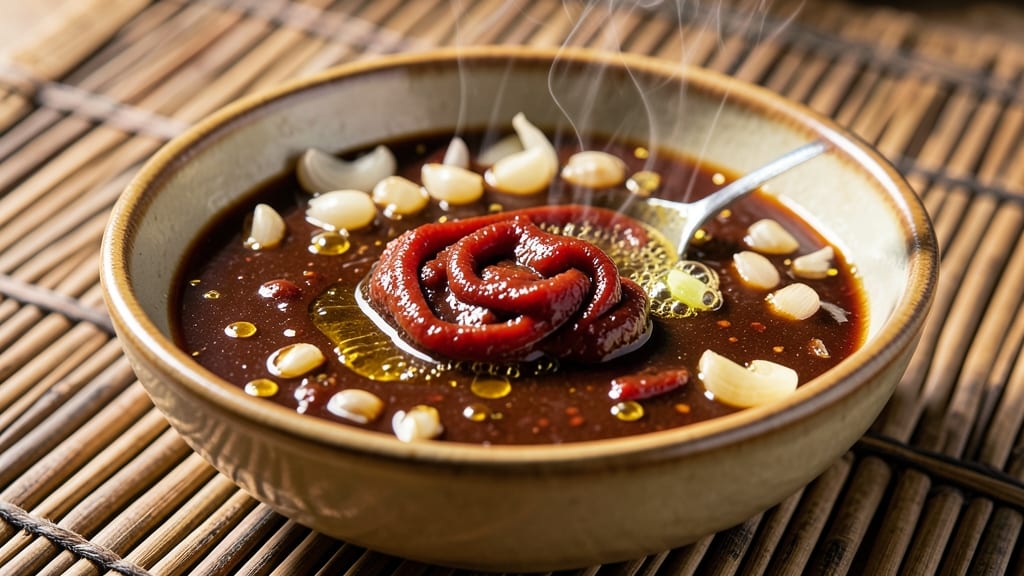
This authentic Thai sauce recipe delivers the perfect balance of sweet, sour, and spicy in just 30 minutes—no shortcuts, just traditional flavors. The secret lies in simmering palm sugar, fish sauce, and lime until they meld into a glossy, aromatic sauce with just the right kick.
I’ve perfected this version after years of testing, ensuring every spoonful captures the depth of street-side Thai cuisine without the guesswork.
The foundation starts with a simple yet powerful combination: garlic, shallots, and fresh chili paste cooked until fragrant, then brightened with lime juice and sweetened with palm sugar. Fish sauce adds that signature umami depth, while a splash of coconut milk (optional) rounds out the richness.
What sets this apart is the patience in simmering—letting the flavors develop slowly creates a sauce that’s complex, not one-note.
What you’ll end up with is a versatile, restaurant-quality sauce that’s perfect for dipping spring rolls, marinating grilled meats, or drizzling over noodles. The balance of heat and sweetness is precise, with no overpowering bitterness or cloying sugar.
Store it in the fridge for up to 2 weeks or preserve it longer by canning—just remember, fresh is always best.
For those avoiding fish sauce, a vegan substitute like soy sauce works, though the flavor will differ slightly. The key is adjusting the saltiness to taste. Whether you’re a home cook or a seasoned chef, this sauce transforms ordinary dishes into something extraordinary. Let’s make it.
Ingredients for authentic thai sauce
Ten ingredients transform into restaurant-quality Thai sauce with perfect sweet-spicy balance.
| Ingredient | Amount | Notes |
|---|---|---|
| Fresh Garlic Cloves 🧄 | 4 cloves | Minced for aromatic base |
| Shallots 🧅 | 3 whole | Finely chopped, not minced |
| Red Chili Paste 🌶️ | 2 tbsp | Fresh Thai bird's eye preferred |
| Palm Sugar 🍯 | ½ cup | Or light brown sugar substitute |
| Fish Sauce 🍶 | 2 tbsp | Red Boat brand recommended |
| Fresh Lime Juice 🍋 | ¼ cup | Strained, no pulp |
| Coconut Milk 🥥 | ¼ cup | Full-fat for richness (optional) |
| Water 💧 | ½ cup | For thinning if needed |
| Extra-Virgin Olive Oil 🫒 | 1 tbsp | For simmering aromatics |
| Salt 🧂 | ½ tsp | Adjust to taste |
The chili paste is everything here—Thai Kitchen brand or Maesri from Asian markets deliver that authentic heat. Palm sugar is non-negotiable for authentic flavor, though light brown sugar works in a pinch if you can't find it. Fresh garlic and shallots should be vibrant and firm—none of that sprouting stuff. Fish sauce is the umami backbone, so Red Boat or Three Crabs are your best bets. I always double-check the date on fish sauce—once it smells funky, toss it. The lime juice needs to be freshly squeezed; bottled just won't cut it for this sauce.
No fish sauce? Soy sauce plus a pinch of sugar mimics the saltiness, though it'll lack depth. Skip the coconut milk if you're avoiding dairy, but the sauce will be slightly lighter. The chili paste can be swapped for sambal oelek at half the amount, but you'll lose some complexity. Palm sugar substitutes? Honey or agave work, but they'll add different flavors—adjust the sweetness to taste. For extra richness, a dash of soy sauce in the final mix elevates everything. And if you're making this ahead, freeze the extra in ice cube trays for perfect portions later.
This sauce peaks after 24 hours in the fridge—give it time to marry. Store it in a glass jar with a tight seal, and it'll keep for 2 weeks easily. For longer storage, freeze in 1-tablespoon portions—perfect for quick stir-fries. The coconut milk may separate; just stir before using. If the sauce thickens too much, thin with a splash of water or lime juice. And trust me, the first batch won't be your last—this sauce disappears faster than you can say 'pad see ew'.
Why You'll Love This Recipe
- No-Fuss Pantry Magic: I swear by this sauce because it uses stuff I already have—garlic, shallots, and a jar of chili paste that’s been lurking in my cupboard for months. Honestly, the fish sauce and palm sugar? They’re the real MVPs here, turning basic ingredients into something that tastes like a Thai street cart.
- Umami Bomb: That first taste of garlic and fish sauce hitting your tongue? It’s like a flavor explosion. The red chili paste gives it heat, but the palm sugar balances it so perfectly—sweet, salty, funky, and just a little spicy all at once.
- Weeknight Superstar: I make this when I’m too tired to think but still want flavor. Drizzle it over noodles, toss it with grilled chicken, or even slather it on spring rolls—it’s my secret weapon for lazy nights. (Yes, even on a Tuesday night.)
- Budget-Friendly Staple: A little goes a long way, and this sauce keeps for weeks in the fridge. Between us, I’ve made a big batch, frozen half, and still have enough left to jazz up takeout leftovers. That’s right—your future self will thank you.
Step-by-step instructions for authentic Thai sauce
Here's how to craft a sauce that captures Thailand's vibrant balance of heat, sweetness, and umami.
Build the Aromatic Base
Heat the 1 tablespoon extra-virgin olive oil in a medium saucepan over medium-low heat. Add the 4 cloves minced fresh garlic cloves and 3 whole finely chopped shallots, stirring constantly for 3-4 minutes until they soften and become translucent. Here's the thing—don't let them brown or they'll turn bitter. You're looking for fragrant, pale aromatics that'll form the flavor foundation.
Once the shallots are tender but still bright in color, immediately add the 2 tablespoons red chili paste. Stir vigorously for 1 minute to distribute the paste evenly and let its complex flavors meld with the aromatics. This is where the sauce's signature heat begins to develop—watch for a subtle deepening of color as the paste infuses.
Sweeten and Simmer
Add the 0.5 cup palm sugar and 0.5 teaspoon salt, stirring constantly until the sugar dissolves completely. This typically takes about 2 minutes—you'll see the mixture become glossy and slightly syrupy. The sugar will help balance the heat while adding depth of flavor.
Now pour in the 0.5 cup water and bring the mixture to a gentle simmer. Let it cook uncovered for 5 minutes, stirring occasionally, until the liquid reduces by about one-third and the sauce thickens slightly. You're aiming for a consistency that coats the back of a spoon but isn't gluey. The aroma should be rich and complex—sweet, garlicky, with a hint of chili heat.
Finish with Umami and Acid
Reduce the heat to low and carefully stir in the 2 tablespoons fish sauce and 0.25 cup fresh lime juice. The sauce will bubble vigorously as the acid reacts with the heat—this is normal. Taste immediately and adjust the balance: if it's too salty, add a splash more lime juice; if too sweet, add another pinch of salt.
For the final touch, slowly whisk in the 0.25 cup coconut milk (if using) until completely smooth. The sauce should now have a velvety texture with a perfect harmony of sweet, sour, salty, and spicy flavors. If you prefer it thinner, add 1 tablespoon water at a time until you reach your desired consistency.
Rest and Taste
Remove the sauce from heat and let it rest for 5 minutes—this allows all the flavors to fully meld together. Real talk: this resting period makes a noticeable difference in flavor development. Taste again and make any final adjustments: perhaps another pinch of salt to enhance the umami, or a splash more lime juice for brightness.
The sauce should now have a glossy sheen with visible flecks of chili and shallots. It should coat your spoon with a silky texture while delivering layers of flavor—sweet palm sugar, funky fish sauce, bright lime, and lingering heat from the chili. This is your authentic Thai sauce, ready to elevate any dish from street food to home cooking.
Pro Tips For Making Authentic Thai Sauce
- Cook Garlic Low and Slow: I learned this the hard way—frying garlic cloves whole in oil until golden (not crispy) is the move. Once they’re soft and fragrant, smash them with the back of a spoon while still warm. That releases their oils and blends them into the sauce without bitterness. Skip the mincing—whole cloves hold up better and taste richer.
- Mince Shallots Fine: Tiny dice, not rough chunks. I used to eyeball it, but a sharp knife and steady chopping (almost like a salsa) make a real difference. The smaller the shallots, the faster they dissolve into the sauce and the smoother the final texture. No one wants to taste tiny onion bits in their Thai sauce.
- Balance Fish Sauce Gradually: Start with half the amount listed, taste, then add more. Fish sauce is sneaky—what tastes perfect in the pan can turn way too salty after the sugar and chili paste mellow. Stir in 1 teaspoon at a time, let it cook down, and adjust. Your future self will thank you for not overdoing it.
- Toast Chili Paste First: Heat the red chili paste in the pan for 30 seconds before adding anything else. This burns off the raw, grassy edge and deepens its smoky flavor. I was skeptical until I tried it—now I can’t imagine skipping it. Just don’t walk away; watch it closely or it’ll turn bitter.
Make-ahead tips for this dish
Prep Ahead for Flavor
Make this sauce 2 days ahead—flavors deepen beautifully when refrigerated. Store in a glass jar with a tight lid, and the acidity will mellow slightly, creating a smoother balance.
I always double the recipe when hosting because it disappears fast. The coconut milk may separate, but just stir before using. 💫
Freeze in Portions
Portion into 1-tablespoon ice cube trays for perfect single-use servings. Once frozen, transfer cubes to a ziplock bag and flatten for compact storage. Thaw overnight in the fridge—no microwave needed. This works great for quick stir-fries or as a marinade for grilled chicken. Label with the date to track freshness.
Long-Term Storage
For 3-6 months of shelf life, sterilize a glass jar and sauce, then process in a water bath for 10 minutes. The heat preserves the vibrant color and prevents mold.
I use Ball canning jars and store them in a cool, dark pantry. The texture will be slightly thicker after canning, so thin with water or lime juice before using.
Revive Thickened Sauce
If your sauce thickens too much during storage, simply whisk in 1 tablespoon water or lime juice at a time until you reach a pourable consistency.
The acidity from lime helps restore the original balance. For extra richness, add a splash of coconut milk. This trick works even after freezing and thawing.
Batch Cooking Tips
When making multiple batches, use the same pan for all but the final step—clean it between batches to avoid cross-contamination. I keep a separate spoon for tasting to maintain hygiene.
For large gatherings, prepare the sauce base first, then finish and adjust flavors just before serving. This keeps everything fresh and vibrant. ✨
Gift-Worthy Packaging
Transfer cooled sauce into small amber glass bottles with tight lids for elegant gifting. Add a handwritten note with serving suggestions like "Drizzle over noodles" or "Use as a marinade."
The dark glass protects from light, preserving flavor longer. I've given these to friends for holidays, and they always come back for seconds. 💛
Nutrition facts
Frequently asked questions
Can I substitute palm sugar in this Thai sauce?
Yes, but expect slight flavor differences. Use light brown sugar or honey as substitutes—both work well. For a closer match, combine 1/3 cup brown sugar + 1/3 cup honey to mimic palm sugar's caramel notes. Adjust sweetness to taste after simmering, as honey can be more potent.
How spicy should this sauce be?
The recipe balances heat with sweetness, resulting in a medium-spicy sauce with subtle lingering heat—not overwhelming. For milder heat, reduce chili paste to 1 tablespoon. For extra kick, add 1/2 teaspoon chili flakes or a dash of hot sauce. Taste as you go—adjust gradually!
What are the best ways to use this Thai sauce?
This versatile sauce excels as a dipping sauce for spring rolls, marinade for grilled meats, or drizzle over noodles and stir-fries. It also works as a glaze for roasted vegetables or a finishing touch for soups. Store-bought versions can't match its depth—this sauce transforms simple dishes into restaurant-quality meals!
Why does my sauce smell fishy after adding fish sauce?
This is normal! The fish sauce's funky aroma mellows during simmering. If it still smells too strong, add 1 extra tablespoon lime juice to brighten flavors. Let the sauce rest 10 minutes before tasting—patience pays off! The final product should have a savory, umami aroma, not raw fish. Quality fish sauce (like Red Boat) makes a difference.
Can I make this sauce without coconut milk?
Omit it entirely for a lighter sauce, or replace with 1 tablespoon soy sauce for extra umami. The coconut milk adds richness but isn't essential—this sauce was designed to be adaptable. For a vegan version, ensure your fish sauce substitute is plant-based (like soy sauce) and check all ingredients for hidden animal products.