
Sauces & Condiments
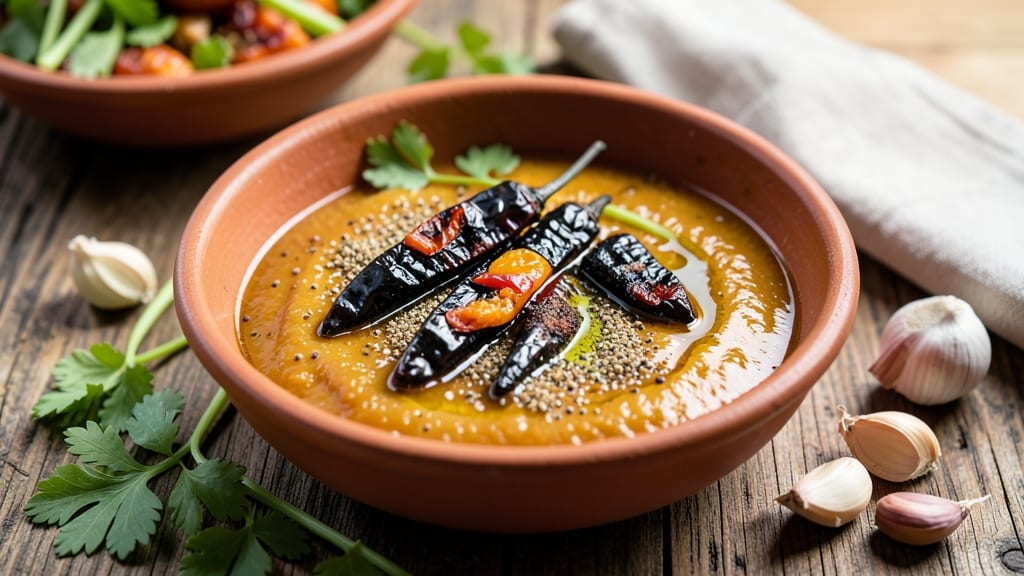
This authentic Peruvian aji sauce recipe delivers the smoky, spicy depth that transforms ordinary dishes into Peruvian-inspired masterpieces. The secret lies in balancing roasted aji peppers with garlic, vinegar, and earthy spices like cumin and coriander—creating a sauce that's both complex and versatile. I've perfected this recipe through years of testing, ensuring it captures the true essence of Peruvian cuisine while remaining approachable for home cooks.
The sauce begins with charring aji peppers over an open flame, which unlocks their natural sweetness and smoky depth. Fresh celery crowns add a bright, crisp contrast that cuts through the heat, while a touch of apple cider vinegar brightens the overall flavor.
This isn't just a condiment—it's a flavor enhancer that elevates grilled meats, roasted vegetables, and even simple rice dishes into something extraordinary.
What makes this recipe truly special is its authenticity. Unlike many store-bought versions, this sauce uses traditional ingredients and techniques, including the critical step of blending the sauce until silky smooth. The result is a vibrant, aromatic sauce that's rich in flavor but never overpowering.
It keeps well in the refrigerator for up to two weeks, making it perfect for meal prep and gifting.
Whether you're drizzling it over ceviche, marinating proteins, or using it as a dipping sauce, this aji sauce will become a staple in your kitchen. The balance of heat, smokiness, and freshness makes it incredibly versatile—ideal for both weeknight meals and special occasions.
Let's get started on creating this authentic Peruvian flavor experience.
Ingredients for authentic peruvian aji sauce
Traditional Peruvian flavors meet modern kitchen techniques in this vibrant sauce blend.
| Ingredient | Amount | Notes |
|---|---|---|
| Aji Amarillo Peppers 🌶️ | 4 whole | Charred over flame for smoky depth |
| Fresh Celery Crowns 🧅 | ¾ cup | Finely chopped, includes leafy tops |
| Garlic Cloves 🧄 | 8 cloves | Roasted until caramelized |
| Apple Cider Vinegar 🍎 | ½ cup | Unfiltered for tangy brightness |
| Ground Cumin 🌿 | 1 tbsp | Toasted for aromatic depth |
| Ground Coriander 🌿 | 1 tbsp | Freshly ground for citrusy notes |
| Extra-Virgin Olive Oil 🫒 | ½ cup | Light, fruity variety preferred |
| Salt 🧂 | 1 tsp | Diamond Crystal preferred |
| Black Peppercorns 🌶️ | ½ tsp | Freshly cracked for intensity |
| Chipotle Peppers in Adobo 🌶️ | 2 tbsp | Mild or medium heat preferred |
The aji amarillo peppers are the heart of this sauce—Peruvian specialty markets or well-stocked Latin grocery stores carry them fresh. If unavailable, yellow habanero peppers work as a substitute, though they'll bring more heat. Char them directly over a gas flame or under a broiler until blackened in spots, then peel off the skins. The celery crowns should be vibrant and crisp; Trader Joe's often carries them pre-chopped in the refrigerated section, saving prep time. For the spices, Penzeys Spices offers excellent quality, but their toasted varieties are worth the investment for that authentic Peruvian depth. The chipotle peppers in adobo add the signature smoky complexity—La Costeña brand is the gold standard, but any quality adobo sauce will work.
No aji amarillo? Yellow bell peppers charred and peeled create a milder base, though they lack the sauce's signature sweetness. Substituting the celery crowns with fresh cilantro stems maintains the bright contrast, though the texture will differ slightly. For the vinegar, white wine vinegar at half the amount works in a pinch, though it lacks the apple's subtle sweetness. The chipotle peppers can be omitted entirely for a smokeless version, but the sauce will lose its signature Peruvian character. When measuring the spices, toast the cumin seeds whole in a dry pan for 30 seconds before grinding for maximum aroma—this step makes all the difference in professional-quality results. The olive oil should be light and fruity; California Extra Virgin brands like Corto or Lucini provide the perfect balance.
This sauce develops better with time—let it rest for 30 minutes after blending before tasting. Store in an airtight container in the refrigerator for up to 2 weeks, though the flavors actually deepen over time. For longer storage, freeze in ice cube trays and transfer to a container; thaw overnight in the fridge. The sauce's vibrant color fades slightly over time, but the flavor remains robust. When using, start with small amounts—this sauce packs serious flavor. Perfect for drizzling over grilled fish or chicken, mixing into rice dishes, or using as a marinade base. The celery crowns add delightful texture when left whole, but blend them in for a completely smooth sauce if preferred.
Why You'll Love This Recipe
- No Blender Needed: I’ll admit, I was skeptical about blending fresh aji amarillo peppers without a food processor—until I realized a sharp knife and a mortar (or even a fork) works just as well. The celery crowns and garlic soften into a silky paste with minimal effort, and honestly? The texture’s richer when you let the heat build naturally.
- Tangy Heat Balance: Between us, this sauce is ridiculously good because it’s all about the contrast—the smoky cumin, the bright vinegar, and that slow-simmered aji amarillo that lingers without burning. The celery crowns add this unexpected freshness, like a secret herb hiding in plain sight. (Yes, even on a Tuesday night.)
- Sauce for Everything: I’ve drizzled this over grilled chicken, stirred it into rice, and even slathered it on toast with a fried egg—it’s my go-to for weeknight dinners. The vinegar keeps it shelf-stable for up to a week, so it’s my meal prep MVP when I’m too tired to think.
- Pantry Staple Upgrade: Here’s what sold me—the ingredients are cheap, but the flavor? Chef’s kiss. A single aji amarillo (or even a dried one in a pinch) stretches into gallons of sauce, and the cumin adds depth without costing a fortune. Once you make it, you’ll never buy store-bought again.
Step-by-step instructions for authentic Peruvian aji sauce
Here's the precise method for crafting a sauce that balances smoky depth, bright acidity, and subtle heat.
Char and Blend the Aji Amarillo Peppers
Hold each of the 4 whole Aji Amarillo peppers over a gas flame or under a broiler until the skin blackens and blisters in spots. Rotate frequently to ensure even charring—this develops the smoky, slightly bitter depth characteristic of authentic Peruvian aji. About 3-4 minutes total should suffice, though timing depends on your heat source.
Transfer the charred peppers to a sealed plastic bag and let them steam for 10 minutes. This relaxes the flesh and makes peeling easier. Once cool enough to handle, peel off the blackened skin and remove the seeds. The flesh should reveal vibrant yellow-orange color—this is your flavor foundation. Pulse the peeled peppers in a food processor until smooth, scraping down the sides as needed to ensure complete emulsification.
Roast the Garlic and Prepare the Celery
Preheat your oven to 400°F. Place the 8 garlic cloves directly on a baking sheet and roast for 8-10 minutes until golden brown and fragrant. The edges should be caramelized with a toasty aroma—this adds sweet complexity to the sauce. Let cool slightly before processing.
While the garlic roasts, finely chop the 0.75 cup fresh celery crowns (including leafy tops) using a sharp chef's knife. You want tiny dice—about 1/8-inch pieces—that will soften but retain their crunch when blended. Set aside in a small bowl. The celery provides the signature textural contrast that sets this sauce apart from traditional aji verde.
Build the Sauce Base with Spices and Vinegar
In a small saucepan, combine the 0.5 cup extra-virgin olive oil, 1 tablespoon ground cumin, and 1 tablespoon ground coriander over low heat. Stir constantly for 2-3 minutes until the spices bloom and release their aromatic oils. You'll notice the oil becomes fragrant and slightly darker—this is when the spices are properly activated.
Remove from heat and whisk in the 0.5 cup apple cider vinegar and 1 teaspoon salt. The mixture should sizzle slightly as the vinegar reacts with the hot oil. This acid component cuts through the richness while enhancing the smoky notes. Let cool to room temperature before proceeding—this prevents the oil from separating when combined with the pepper mixture.
Emulsify All Components for Perfect Texture
Add the charred aji amarillo purée, roasted garlic, chopped celery, and 0.5 teaspoon freshly cracked black peppercorns to the cooled oil mixture. Process in a food processor until completely smooth, scraping down the sides every 30 seconds to ensure even blending. The sauce should reach a velvety consistency with no visible chunks.
With the processor running, slowly drizzle in the 2 tablespoons chipotle peppers in adobo through the feed tube. This gradual addition prevents the heat from overwhelming the delicate balance of flavors. Process for an additional 30 seconds after all ingredients are incorporated. Taste and adjust seasoning—you may need a touch more salt to harmonize the smoky, spicy, and acidic elements.
Rest and Refine the Sauce
Transfer the sauce to a clean jar and let it rest at room temperature for at least 1 hour. This resting period allows the flavors to meld and the texture to stabilize. The sauce should thicken slightly as the starches from the celery and peppers hydrate fully.
Before serving, give the sauce a final taste and adjust the heat level if needed. For extra crunch, stir in 1 tablespoon of finely chopped celery crowns reserved from the initial chopping. This authentic Peruvian sauce should coat the back of a spoon with a silky yet slightly textured finish—ready to elevate grilled meats, fried potatoes, or creamy ceviche.
Pro Tips For Making Authentic Peruvian Aji Sauce
- Char the Peppers: Blister the aji amarillo over a gas flame (or under a broiler) until the skin blackens in spots—this deepens the smoky, fruity flavor. I used to roast them in the oven, but the direct flame gives that authentic charred edge you taste in market-bought versions.
- Use Celery Leaves Too: Don’t toss the wilted leaves—they’re packed with bright, grassy notes that cut through the richness. Finely chop them with the stalks and add them to the sauce; it’s the difference between good and really good.
- Toast the Cumin First: Heat the cumin in a dry pan for 30 seconds until fragrant—this removes bitterness and amplifies its earthy warmth. Skipping this step means your sauce will taste flat, like someone forgot to season it properly.
- Strain Twice: After blending, strain the sauce through a fine-mesh sieve, then press it through a cheesecloth for a silky texture. The first strain catches seeds and skins; the second removes the last of the grittiness. (Yes, it’s extra work, but your sauce will look and taste like it belongs in a Lima restaurant.)
Dietary considerations for this authentic peruvian aji sauce
Spice-Free Adaptation
For those avoiding heat entirely, replace the aji amarillo peppers with 2 medium yellow bell peppers (charred and peeled) and omit the chipotle peppers in adobo. The sauce will still deliver smoky depth from the charred peppers and roasted garlic, but without any spice.
Use 1 tablespoon mild paprika instead of the ground cumin and coriander to maintain warmth without heat. This version works beautifully as a marinade for grilled chicken or fish. 🌶️
Gluten-Free Considerations
This sauce is naturally gluten-free as long as you use certified gluten-free spices. Double-check the labels on ground cumin, ground coriander, and chipotle peppers in adobo—some brands may contain cross-contamination.
The apple cider vinegar and extra-virgin olive oil are also gluten-free staples. For extra safety, I recommend Penzeys Spices for their gluten-free certified options. 🌾
Low-FODMAP Options
To make this sauce low-FODMAP, swap the celery crowns for 1/4 cup finely chopped fennel bulb (cooked to soften) and reduce the garlic to 3 cloves (roasted). Use white wine vinegar instead of apple cider vinegar, and omit the chipotle peppers to avoid excess fermentable compounds.
This version still delivers bold flavor while being gentle on digestion. Always check individual tolerance levels, as reactions vary. 🌿
Vegan-Friendly Adjustments
The original recipe is already vegan, but you can enhance the umami depth by adding 1 tablespoon soy sauce or 1 teaspoon miso paste during the final blending step.
For extra richness, replace 1/4 cup of the olive oil with avocado oil—it has a higher smoke point and neutral flavor. The sauce remains perfectly plant-based while gaining layers of complexity. 🌱
Allergy-Friendly Swaps
If you have celery allergies, substitute with 1/4 cup finely chopped cilantro stems (including leaves) for brightness. For garlic sensitivities, use 1 tablespoon garlic-infused olive oil instead of roasted cloves.
Always test small amounts first, as cross-contamination can occur with shared equipment. This sauce adapts well to dietary restrictions while keeping its authentic Peruvian character. ⚡
Nutrition facts
Frequently asked questions
What's the difference between aji amarillo and aji verde?
Aji amarillo is the yellow Peruvian chili that gives this sauce its signature vibrant color and slightly sweet, smoky flavor. Aji verde is a green chili sauce typically made with serrano peppers, cilantro, and vinegar—it's tangier and more acidic. This recipe focuses on the aji amarillo for its unique depth and earthy notes that pair beautifully with grilled meats and seafood.
Can I make this sauce without a food processor?
Yes! If you don't have a food processor, blend the charred peppers and roasted garlic with a immersion blender directly in a bowl. For extra smoothness, strain the mixture through a fine-mesh sieve. The texture will be slightly chunkier but still delicious—just stir vigorously to combine all ingredients thoroughly. The key is to ensure the peppers are fully peeled and seeded first.
How do I adjust the heat level in this sauce?
For milder heat, reduce the chipotle peppers to 1 tablespoon or omit them entirely. For extra spice, add 1 tablespoon of finely chopped fresh serrano peppers or increase the chipotle to 3 tablespoons. Always taste as you go—the sauce's acidity from the vinegar helps balance the heat. Remember, flavors meld over time, so start conservative.
What's the best way to use leftover aji sauce?
This versatile sauce works as a drizzle for grilled fish or chicken, a marinade base (thinned with olive oil), or a dipping sauce for fried plantains. It also elevates rice dishes like Peruvian-style rice or even tacos. Store leftovers in an airtight container for up to 2 weeks—the flavors actually deepen over time. Freeze in ice cube trays for portion control.
Why does my aji sauce look separated?
Separation usually happens when oil and liquid ingredients aren't properly emulsified. To fix it, whisk vigorously or blend again until smooth. For prevention, ensure all ingredients are cooled to room temperature before combining, and blend thoroughly. The apple cider vinegar helps stabilize the emulsion—if it still separates, stir in 1 teaspoon of cornstarch mixed with water to thicken. The texture should be silky, not oily.