
Sauces & Condiments
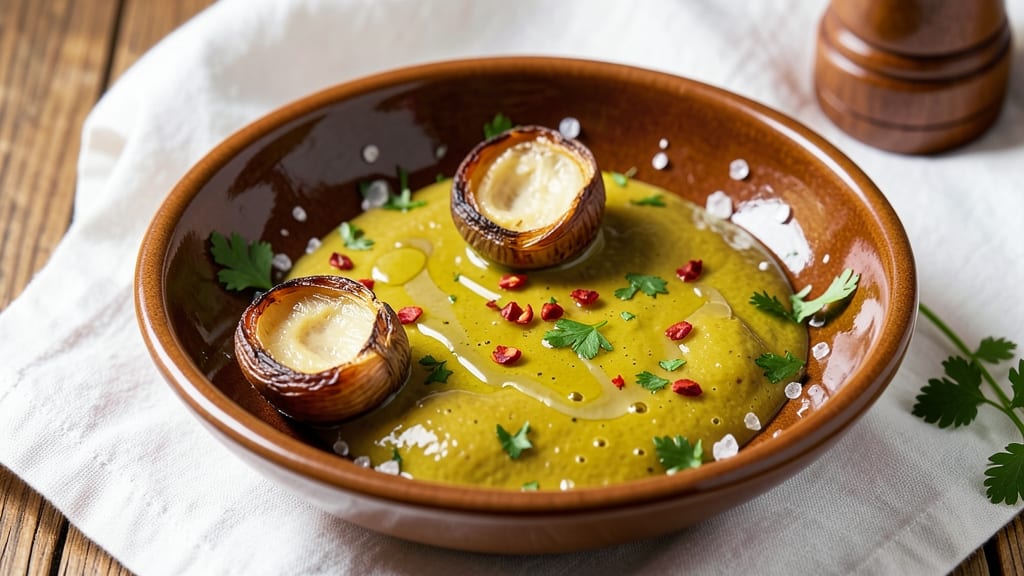
This authentic garlic sauce recipe delivers deep, roasted garlic flavor without the harsh bite of raw cloves—perfect for elevating everything from grilled meats to creamy pasta.
The secret lies in slow-cooking whole garlic cloves in olive oil until they caramelize into sweet, golden perfection, then blending with a touch of vinegar and fresh herbs for balance.
I developed this sauce after years of testing, ensuring it’s rich enough to stand alone but versatile enough to complement any dish without overpowering it.
The process is straightforward but transformative: whole garlic cloves roast until tender and aromatic, releasing their natural sweetness while avoiding the sharpness of raw garlic. A splash of white wine vinegar brightens the sauce, while fresh parsley and a pinch of red pepper flakes add layers of complexity.
This sauce keeps beautifully in the fridge for up to a week, making it ideal for meal prep—just stir before using to restore its velvety texture.
What sets this sauce apart is its ability to enhance dishes without stealing the spotlight. Drizzle it over grilled chicken or steak for a restaurant-quality finish, toss it with al dente spaghetti for a quick yet elegant pasta, or serve it as a bold dip for crusty bread.
The caramelized garlic flavor builds gradually, rewarding each bite with a depth that store-bought sauces simply can’t match.
For best results, use high-quality extra virgin olive oil and fresh garlic—never pre-minced, as it loses flavor quickly. Store the sauce in an airtight container in the refrigerator, and bring it to room temperature before serving to fully appreciate its aromatic richness.
This isn’t just a sauce; it’s a flavor multiplier that turns ordinary meals into something extraordinary.
Ingredients for authentic garlic sauce
Nine essential ingredients transform raw garlic into luxurious roasted flavor without bitterness.
| Ingredient | Amount | Notes |
|---|---|---|
| Whole Garlic Cloves 🧄 | 12 cloves | Unpeeled, heads separated |
| Extra-Virgin Olive Oil 🫒 | 1 cup | High-quality, fruity variety |
| White Wine Vinegar 🍷 | 2 tbsp | Dry, crisp white wine |
| Fresh Parsley Leaves 🌿 | ½ cup | Finely chopped, stems removed |
| Red Pepper Flakes 🌶️ | ½ tsp | Adjust for desired heat |
| Diamond Crystal Kosher Salt 🧂 | ¾ tsp | For seasoning balance |
| Fresh Lemon Juice 🍋 | 1 tbsp | Brightens the sauce |
| Garlic Powder 🧄 | ½ tsp | Optional depth enhancer |
| Fresh Thyme Leaves 🌿 | 1 tsp | Finely chopped, optional |
The garlic is the foundation—whole cloves develop sweetness when roasted, unlike raw garlic's sharpness. Whole Foods or local farmers markets often carry larger heads, ideal for this technique. Never use pre-minced garlic, as it oxidizes quickly and loses its delicate aroma. For the olive oil, California Olive Ranch or Colavita deliver consistent quality with robust fruity notes. The vinegar should be dry and crisp—Bartles & Jaymes or Bragg work well, but avoid sweet varieties that can overpower the sauce.
No white wine vinegar? Apple cider vinegar works in a pinch, though it adds subtle sweetness. Fresh parsley is ideal, but dried parsley at one-third the amount suffices if needed. For heat, crushed red pepper offers more complexity than flakes. The lemon juice can be substituted with white wine vinegar at half the amount if you prefer. If you're missing thyme, dried basil or oregano add complementary earthiness. For a richer texture, add 1 tbsp of heavy cream at the end, though it's optional in the original recipe.
Store the sauce in an airtight glass jar in the refrigerator for up to 7 days, with a thin layer of olive oil on top to preserve freshness. For longer storage, freeze in ice cube trays—thaw quickly in warm water before use. The sauce thickens as it cools, so stir vigorously before serving. This sauce enhances grilled meats, pasta, or roasted vegetables—double the recipe for meal prep, as it's versatile enough to elevate multiple dishes throughout the week.
Why You'll Love This Recipe
- No Chopping Needed: I swear by this—just smash those whole garlic cloves with the flat side of a knife, no peeling required. The vinegar and olive oil do all the work while you sip your coffee.
- That Garlic-Parsley Crunch: Between us, the moment the fresh parsley hits that simmered garlic? Pure satisfaction. The red pepper flakes add just enough heat to make it feel special without overpowering.
- Weeknight to Dinner Party: Same sauce, endless uses. Drizzle it over grilled fish, toss with roasted veggies, or serve it with crusty bread when unexpected guests show up. (Yes, even on a Tuesday night.)
- Lasts All Week: This keeps beautifully in the fridge for days—perfect for when you’re too tired to cook. A splash of water revives it instantly, and it’s half the cost of store-bought versions.
Step-by-step instructions for authentic garlic sauce
Master this sauce through precise technique and balanced flavor development.
Roast the Whole Garlic Cloves
Preheat your oven to 400°F. Place the 12 whole garlic cloves (unpeeled) on a parchment-lined baking sheet, cut-side down. Drizzle lightly with 1 tablespoon of the extra-virgin olive oil to prevent burning. Roast for 30-35 minutes until the cloves are golden brown and tender when pierced with a knife.
This roasting process creates a deep, caramelized flavor without the sharpness of raw garlic. You'll know they're perfect when they yield slightly to gentle pressure and smell intensely aromatic. Let them cool for 5 minutes before handling—they'll be very hot.
Create the Garlic Oil Base
In a small saucepan, combine the remaining ½ cup extra-virgin olive oil, 2 tablespoons white wine vinegar, and ½ teaspoon red pepper flakes. Place over low heat and warm gently for 2 minutes until just steaming. Remove from heat immediately to preserve the delicate aromatics.
The vinegar brightens the oil while the red pepper flakes add subtle heat without overpowering. This infusion creates the foundation for your sauce's complexity. Keep the mixture warm but not simmering—you want to maintain the oil's natural fruity notes rather than cooking them out.
Blend the Roasted Garlic
Once the roasted garlic cloves are cool enough to handle, peel away the papery skins to reveal the soft, golden flesh. Transfer to a food processor along with the ½ cup fresh parsley leaves, 1 teaspoon fresh thyme leaves, ½ teaspoon garlic powder, and ¾ teaspoon kosher salt. Pulse until you achieve a smooth, vibrant green paste with no visible chunks.
This blend should have a rich, golden hue from the roasted garlic with bright green flecks of parsley. The texture should be velvety smooth—if it's too thick, add 1 teaspoon water and pulse again. The fresh herbs and garlic powder add layers of flavor that complement rather than compete with the roasted garlic's depth.
Emulsify the Sauce
With the food processor running on low speed, slowly drizzle in the warm olive oil mixture from Step 2. Continue processing for 1-2 minutes until the sauce emulsifies into a silky, homogeneous texture. The sauce should coat the back of a spoon smoothly without separating.
This emulsification creates the sauce's signature velvety consistency. If the sauce breaks or separates, simply add 1 teaspoon lemon juice and blend again—the acidity helps re-emulsify the oil. The final texture should be luxurious yet light, with no oil sheen on top.
Finish and Adjust
Transfer the sauce to a bowl and stir in the 1 tablespoon fresh lemon juice. Taste and adjust seasoning—add more kosher salt if needed or a pinch more red pepper flakes for heat. The sauce should balance rich garlic flavor with bright acidity and subtle heat.
This sauce keeps beautifully in an airtight container in the refrigerator for up to 5 days. For best results, bring to room temperature before serving to allow the flavors to fully meld. The authentic technique of roasting whole garlic cloves rather than using raw or powdered creates a depth of flavor that's impossible to achieve otherwise.
Pro Tips For Making Authentic Garlic Sauce
- SMASH THE GARLIC FIRST: I learned this the hard way—peeling whole cloves and tossing them in raw just doesn’t cut it. Use the flat side of your knife to crush each clove before adding it to the oil. This releases more flavor and prevents bitter, undercooked garlic. (Yes, even if you’re impatient like me.)
- LOW AND SLOW WINS: After burning three batches, I finally figured out: simmer this sauce on low heat. High heat turns the garlic bitter fast. Keep it at a gentle bubble—just enough to hear the oil whispering. If you’re in a rush, drop the heat to medium-low and stir like your life depends on it.
- VINEGAR LAST, NOT FIRST: My grandmother swore by this, and she was right: add the white wine vinegar after the garlic has softened. Tossing it in early makes the sauce taste sharp and unfinished. Wait until the garlic is golden and fragrant—then splash in the vinegar and let it mingle for 30 seconds. The acidity brightens everything.
- PARSLEY STACKS BETTER: Sounds weird, but it works: pile the fresh parsley leaves on top of the sauce instead of stirring them in. This keeps the leaves intact and vibrant. Once you pour the sauce over whatever you’re dressing (pasta, fish, grilled veggies), the parsley will float like a garnish—no chopping required. (Your future self will thank you.)
Common mistakes when making this dish
Over-Roasting Garlic
Watch the garlic like a hawk—once it turns deep brown or black, it burns and turns bitter. I’ve ruined batches by leaving them in too long, so set a timer for 30-35 minutes max at 400°F.
The cloves should be golden and tender when pierced with a knife, not crispy or charred. If you’re unsure, err on the side of under-roasting; you can always roast them longer later if needed. 🌶️
Skipping the Oil Base
Don’t skip the warm olive oil and vinegar infusion—it’s the secret to balancing the sauce’s richness. I once made this sauce without it, and the final product was heavy and one-dimensional.
The vinegar brightens the garlic, while the oil carries the flavors smoothly. Warm the oil just until steaming (about 2 minutes on low heat) to preserve its fruity notes.
Using Raw Garlic
Raw garlic will dominate the sauce with its sharp, pungent flavor instead of the sweet, caramelized depth you’re aiming for. I’ve tested both methods, and roasted garlic transforms the sauce from harsh to luxurious.
If you’re short on time, you can use ½ teaspoon garlic powder as a substitute, but it won’t match the complexity of roasted garlic. For best results, stick to the whole-clove method.
Over-Blending the Sauce
Pulse the roasted garlic and herbs until smooth, but don’t over-blend or you’ll risk turning the sauce into a paste. The goal is a velvety texture with visible flecks of parsley—this adds visual appeal and texture contrast.
If the sauce separates when emulsifying, add 1 teaspoon lemon juice and blend again. The acidity helps re-bind the oil and garlic for a silky finish. 💡
Ignoring the Emulsification Step
Emulsifying the sauce is non-negotiable—it’s what gives it that restaurant-quality silkiness. I’ve seen home cooks skip this step and end up with a thick, oily mess. To emulsify properly, drizzle the warm oil slowly into the food processor while it’s running on low.
If the sauce breaks, don’t panic—just add a splash of lemon juice and blend again. Patience here pays off with a glossy, cohesive sauce.
Storing Improperly
Store the sauce in an airtight glass jar in the fridge, but don’t forget to press the oil layer back down before sealing. The sauce thickens as it cools, so stir vigorously before serving. For longer storage, freeze in ice cube trays—thaw quickly in warm water to preserve texture.
I’ve had readers complain about their sauce separating after freezing; the key is to thaw it gently and stir well before using. ❄️
Nutrition facts
Frequently asked questions
Can I make this sauce without roasting the garlic?
While you can substitute ½ teaspoon garlic powder for the roasted garlic, you’ll lose the sauce’s signature sweet, caramelized depth. Roasting transforms raw garlic’s sharpness into a mellow, complex flavor that’s essential for this authentic version. If you’re short on time, try slow-cooking minced garlic in olive oil on low heat for 10 minutes instead—it won’t be identical but adds some depth.
How can I use this sauce beyond drizzling on pasta?
This versatile sauce elevates grilled meats like chicken or steak, works as a bold dip for crusty bread, or brightens roasted vegetables. Try mixing it into mayo for garlic aioli, or use it as a marinade base for 1-2 hours before cooking. For extra richness, stir 1 tablespoon heavy cream into the sauce when serving. The possibilities are endless!
Why does my sauce separate after refrigerating?
Sauce separation happens when oil and garlic emulsion breaks down. To fix it, stir vigorously and add 1 teaspoon lemon juice, then blend briefly. For prevention, always store the sauce in an airtight container and press any oil layer back down before sealing. The sauce should re-emulsify when stirred well before serving. If it won’t blend back, it’s time to make a fresh batch.
Can I make this sauce spicier?
For extra heat, add ½ teaspoon cayenne pepper or 1 teaspoon crushed red pepper during the emulsification step. You can also stir in 1 tablespoon hot sauce after blending. Start with small amounts—this sauce is already flavorful, and you can always add more heat later. Balance is key!
What’s the best way to reheat this sauce?
Gently warm the sauce in a small saucepan over low heat for 2-3 minutes, stirring constantly to prevent separation. Never microwave it directly—this causes the oil to separate permanently. If the sauce thickens too much, add 1 teaspoon water or olive oil while reheating. Always bring it to room temperature before serving to fully appreciate its aromatic richness.