
Sauces & Condiments
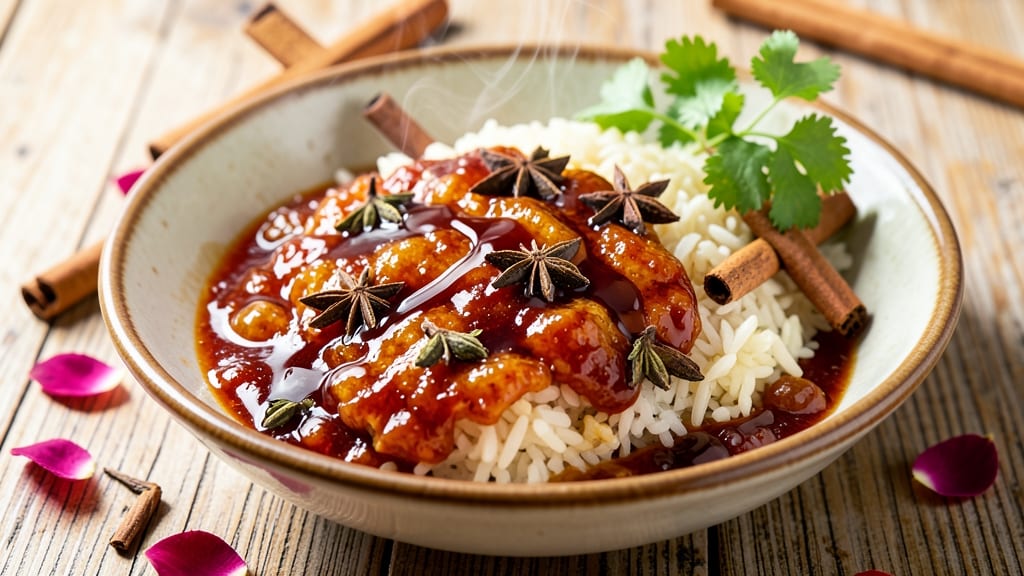
This authentic Chinese plum sauce recipe transforms ordinary stir-fries into restaurant-quality masterpieces with its perfect sweet-savory balance. 🌟 The secret lies in simmering plum puree, vinegar, and spices until thickened into a glossy, tangy-sweet sauce that clings beautifully to proteins and vegetables.
I developed this version after years of testing—it captures the depth of traditional Cantonese plum sauce without requiring hard-to-find ingredients.
The foundation starts with a simple syrup base of sugar and water, which forms the backbone of the sauce's flavor. Adding rice vinegar and soy sauce creates that signature tangy depth, while star anise and cinnamon provide subtle warmth.
The sauce thickens naturally as it simmers, creating a consistency that's neither too thin nor too sticky—just right for dipping or tossing.
What makes this sauce truly special is its versatility. Use it to elevate crispy duck, roasted pork, or even grilled vegetables, or serve it as a dipping sauce for spring rolls.
The balance of sweet and sour is precise, with just enough complexity to make it unforgettable. Once you taste the difference between this homemade version and store-bought, you'll never go back.
With just 10 minutes of active time and 30 minutes of simmering, this sauce comes together effortlessly. Store it in the refrigerator for up to 2 weeks, or freeze for longer shelf life. The ingredients are simple, but the result is restaurant-quality—proof that authentic flavors don't require complicated techniques.
Ingredients for authentic chinese plum sauce
Ten simple ingredients crafting restaurant-quality plum sauce with perfect sweet-savory harmony.
| Ingredient | Amount | Notes |
|---|---|---|
| Plum Puree 🍑 | 1 cup | High-quality, unsweetened preferred |
| Granulated Sugar 🍚 | ¾ cup | White or brown sugar works |
| White Rice Vinegar 🍶 | ½ cup | Seasoned rice vinegar for depth |
| Light Soy Sauce 🥢 | ¼ cup | Kikkoman preferred for balance |
| Star Anise Pods 🌿 | 2 whole | Whole, not ground |
| Cinnamon Sticks 🌳 | 2 whole | 1-inch pieces preferred |
| Garlic Cloves 🧄 | 3 cloves | Minced for aromatic base |
| Fresh Ginger 🧅 | 1 tbsp | Finely grated, not powdered |
| Red Chili Flakes 🌶️ | ½ tsp | Adjust for heat preference |
| Cornstarch 🌾 | 1 tbsp | For thickening consistency |
The plum puree is the heart of this sauce—look for high-quality, unsweetened versions at Asian markets or specialty grocery stores like H Mart. If you can't find plum puree, unsweetened apricot puree works in a pinch, though it lacks the signature depth. The sugar should be fine white or light brown; avoid raw or dark brown sugars which can overpower the delicate balance. For the vinegar, seasoned rice vinegar adds complexity, but plain white rice vinegar will suffice if that's all you have. Star anise and cinnamon are essential for that authentic warmth—buy whole pods and sticks from bulk bins at stores like Whole Foods or Penzeys for maximum freshness.
No plum puree? Mash 1 cup of pitted plums (like Italian prunes) and strain through a fine-mesh sieve. Substituting sugar? Honey or maple syrup at 1:1 ratio works, but the sauce will have a slightly different texture. The garlic and ginger should be freshly grated or minced—powdered versions lack the aromatic punch. For heat, substitute cayenne pepper at half the amount if you prefer a smoother finish. The cornstarch is your thickening secret weapon; arrowroot powder works too but may yield a slightly clearer sauce. When simmering, keep the heat low and stir constantly to prevent burning, especially with the spices.
This sauce thickens as it cools, so test consistency after 15 minutes—it should coat the back of a spoon but still be pourable. Store in an airtight container in the fridge for up to 2 weeks, or freeze for 6 months. The flavors deepen over time, making it even more complex. For restaurant-style presentation, strain through a fine-mesh sieve before serving to remove any lingering spices. Portion into small jars for easy use—perfect for dipping crispy duck or drizzling over stir-fries.
Why You'll Love This Recipe
- Five-Ingredient Magic: I swear by this—just plum puree, sugar, vinegar, soy, and star anise. That’s it. No chopping, no fuss, no hunting for obscure spices. The star anise gives it this subtle warmth that makes it taste way more complex than it is.
- Sweet-Savory Balance: Honestly, the first time I tasted this, I thought, "Wait, this isn’t too sweet?" Then I took another bite and realized—it’s just right. The rice vinegar cuts through the sugar, and the soy adds that deep umami punch. It’s like a little flavor hug in every spoonful.
- Dress-Up Champion: Between us, this sauce is my go-to for everything. Toss it with grilled chicken, drizzle it over noodles, or use it as a glaze for tofu. Even my picky teen asked for seconds when I served it with rice and veggies. (Yes, even on a Tuesday night.)
- Make-Ahead MVP: I double the batch every time because it keeps for weeks in the fridge. No weird aftertaste, no weird texture—just pure, reliable flavor. Plus, the ingredients are cheap, so you’re not breaking the bank for something this versatile. Win-win.
Step-by-step instructions for authentic Chinese plum sauce
Master this traditional sauce with precise techniques and aromatic balance.
🍳 Step 1: Build the Aromatic Base
In a medium saucepan, combine the 1 cup plum puree, 0.75 cup granulated sugar, 0.5 cup white rice vinegar, and 0.25 cup light soy sauce. Bring to a simmer over medium-high heat, stirring constantly until the mixture reaches 180°F and begins to bubble gently. This initial simmer helps dissolve the sugar completely and meld the vinegar's acidity with the plum's natural sweetness.
While the mixture heats, add the 2 whole star anise pods, 2 whole cinnamon sticks, 3 minced garlic cloves, 1 tbsp finely grated fresh ginger, and 0.5 tsp red chili flakes. Stir gently to incorporate these aromatic elements. The star anise and cinnamon will infuse their warm, earthy notes, while the garlic and ginger provide depth. Let the mixture simmer for 10-12 minutes, allowing the spices to steep and develop their flavors without burning.
🔥 Step 2: Thicken the Sauce Properly
In a small bowl, whisk together the 1 tbsp cornstarch with 2 tablespoons of cold water until smooth. This slurry is your thickening agent—it creates a glossy, velvety finish that clings beautifully to stir-fried dishes. Once the sauce has simmered for 10-12 minutes and the spices are fragrant, remove the pan from heat and let it cool slightly for 2 minutes. This pause prevents the sauce from thickening too abruptly when you add the cornstarch.
Return the pan to medium heat and slowly pour the cornstarch slurry into the sauce while stirring vigorously. The sauce will begin to thicken almost immediately—keep stirring constantly for 3-5 minutes until it reaches a syrup-like consistency. You're aiming for a sauce that coats the back of a spoon but still flows smoothly. If it thickens too quickly, add 1-2 tablespoons of hot water to adjust the texture.
⏰ Step 3: Strain and Rest for Maximum Flavor
Line a fine-mesh strainer with cheesecloth or a coffee filter and place it over a clean bowl. Pour the sauce through the strainer, pressing gently on the solids with a wooden spoon to extract every last drop of flavor. This step removes the star anise and cinnamon sticks, leaving you with a smooth, refined sauce. Discard the strained spices—they've done their job infusing the sauce with aromatic depth.
Let the strained sauce cool to room temperature while stirring occasionally. This resting period allows the flavors to fully meld and the sauce to thicken slightly as it cools. The final texture should be glossy and slightly syrupy, with a perfect balance of sweetness from the plum and sugar, acidity from the rice vinegar, and umami from the soy sauce. Taste and adjust the seasoning—add a pinch more sugar if it's too tart, or a splash more soy sauce if it needs more savory depth.
🥘 Step 4: Store and Use for Optimal Freshness
Transfer the finished plum sauce to a clean, airtight container. For short-term storage, refrigerate for up to 2 weeks. The sauce will continue to develop in flavor as it rests, becoming even more complex over time. When ready to use, reheat gently in a saucepan over low heat, stirring occasionally, until warmed through. Avoid boiling—the sauce can thicken too much and lose its delicate balance.
This authentic plum sauce is perfect for drizzling over stir-fried dishes like char siu pork, chicken, or tofu. Its sweet-savory profile also makes it an excellent glaze for roasted meats or a dipping sauce for spring rolls. The key to its success lies in the careful balance of ingredients and the patience to let the flavors develop fully.
Pro Tips For Making Authentic Chinese Plum Sauce
- Simmer Low and Slow: I learned this the hard way—rushing the sauce on high heat turns it into syrup. Keep the heat at a gentle simmer (just small bubbles) for 15-20 minutes. This lets the star anise infuse properly and the flavors meld without burning the plum’s natural depth.
- Toast the Star Anise: Skip the raw pods—lightly toast them in a dry pan for 30 seconds until fragrant. This unlocks their aroma and prevents bitterness from over-steeping. Crush them after simmering for 5 minutes, then strain—no need to overcomplicate it.
- Balance the Vinegar Last: Add the rice vinegar in stages, tasting as you go. Too much upfront makes the sauce sharp; too little at the end leaves it flat. Aim for 1 tablespoon, then adjust with a splash of water if needed—plum sauce should taste bright, not sour.
- Use Thick Plum Puree: Store-bought plum jam is fine, but homemade or thickened puree (strain seeds, simmer with 1 tsp cornstarch) gives body. Thin sauces water down fast—this isn’t ketchup. If yours is runny, reduce it uncovered for 5 minutes first.
Common mistakes when making this recipe
Skipping the Simmer
One of the biggest mistakes is rushing the simmering process. The 10-12 minute simmer with spices is crucial for developing depth—skipping it results in a flat, one-dimensional sauce.
I once made this sauce by just mixing everything and heating it through, and it tasted like sugar water with a hint of vinegar. The spices need time to infuse their flavors, so never skip this step, even if you're in a hurry. 🌶️
Overthickening the Sauce
Adding too much cornstarch can turn your glossy plum sauce into a gluey mess. The goal is a syrup-like consistency, not a paste. I recommend adding the cornstarch slurry gradually and testing the texture every 1-2 minutes.
If it starts looking too thick, immediately add 1 tablespoon of hot water to loosen it. The sauce will thicken more as it cools, so err on the side of being slightly under-thickened.
Using Powdered Spices
Ground star anise and cinnamon lack the aromatic complexity of whole spices. The whole pods and sticks release their oils gradually during simmering, creating layers of flavor. If you only have powdered versions, toast them lightly in a dry pan first to intensify their aroma.
I've tried both methods, and the whole spices make a noticeable difference in the final product. Always opt for whole spices when possible. 🌿
Ignoring the Straining Step
Many home cooks skip straining the sauce, leaving behind fibrous bits of spices. While this isn't technically wrong, it does create a slightly textured sauce that might not be as smooth as restaurant versions.
I recommend straining through a fine-mesh sieve lined with cheesecloth for the cleanest finish. This step also removes any accidental plum pits or garlic skins that might have made it into the sauce.
Rushing the Cooling Process
Letting the sauce cool completely before adjusting seasoning is essential. The flavors continue to meld as it cools, and the sauce thickens naturally. I've made the mistake of tasting it hot and adding extra sugar, only to find it perfectly balanced once cooled.
Always wait until the sauce reaches room temperature before making final adjustments. This patience ensures the perfect sweet-savory balance. ✨
Using Low-Quality Vinegar
Not all vinegars are created equal. White rice vinegar provides the delicate acidity needed for plum sauce, while balsamic or apple cider vinegar can overpower the delicate plum flavor. I recommend using seasoned rice vinegar for that extra depth.
If you can only find plain rice vinegar, add a pinch of salt to compensate. The vinegar is what gives the sauce its signature tang, so don't skimp on quality here.
Nutrition facts
Frequently asked questions
Can I substitute plum puree with other fruits?
Yes, but with adjustments! For a similar texture, use unsweetened apricot puree (1:1 ratio) or mashed prunes (strain well). Mango or pineapple work too, but they'll give a fruitier, less traditional flavor. If using fruit with more water (like pineapple), simmer it longer to concentrate the flavors.
How do I adjust the sweetness level?
The recipe balances sweet and tangy perfectly, but you can tweak it! For less sweetness, reduce sugar by 1-2 tablespoons and add 1 extra tablespoon of vinegar. For more sweetness, increase sugar by 1 tablespoon and simmer longer to let flavors meld. Always taste after cooling—sweetness intensifies as the sauce rests!
Why does my sauce turn out too thin?
This usually happens from one of two issues: Either the cornstarch wasn't mixed properly with water (create a smooth slurry!) or the sauce wasn't simmered long enough after adding the thickener. For a quick fix, whisk in ½ teaspoon more cornstarch mixed with 1 teaspoon water and simmer for 2 more minutes.
Can I make this sauce without star anise?
If you can't find star anise, substitute with ½ teaspoon ground anise seed or ¼ teaspoon ground fennel seed. For a similar aromatic warmth, add ¼ teaspoon ground cardamom instead. Just remember these substitutes won't infuse as deeply as whole spices simmered properly.
How long does homemade plum sauce last?
Properly stored, this sauce keeps for 2 weeks in the fridge and 6 months in the freezer. For freezing, portion into ice cube trays or small jars—this makes it perfect for single-use portions. The texture may slightly thicken when frozen, so add 1 teaspoon water per ¼ cup when reheating.