
Sauces & Condiments
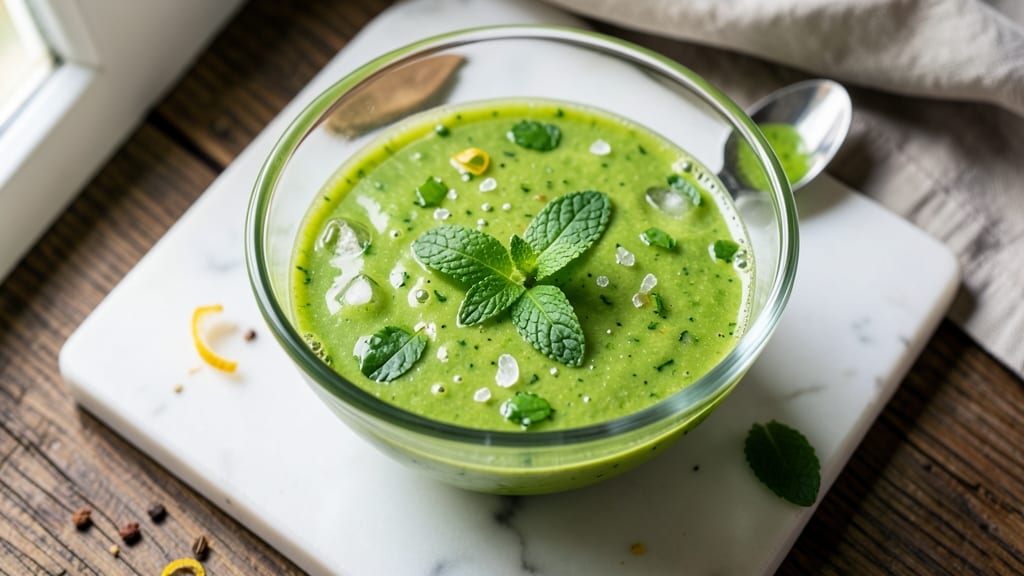
This Australian mint sauce recipe transforms grilled lamb into a restaurant-worthy meal with its vibrant, herby zing. The secret lies in fresh mint leaves blended with vinegar, sugar, and water to create a bright, tangy sauce that cuts through rich meats.
I've perfected this classic pairing over years of summer barbecues, and it never fails to elevate any dish.
The beauty of this sauce is its simplicity—just five ingredients and five minutes of prep time. The vinegar provides the tangy base, while sugar balances the acidity, creating a smooth, velvety texture that clings perfectly to grilled meats.
Fresh mint brings that signature Australian brightness, making it a must-have for lamb lovers.
What you'll end up with is a cool, refreshing sauce that's as versatile as it is delicious. It's perfect for drizzling over lamb chops, roasted vegetables, or even as a dip for pita bread.
The best part? It keeps well in the fridge for up to a week, so you can make a batch ahead for your next cookout.
This sauce isn't just about flavor—it's about tradition. Australians have been pairing it with lamb for generations, and now you can bring that classic taste to your own table. Let's get started on this bright, herbaceous masterpiece.
Ingredients for australian mint sauce
Five ingredients, five minutes, and a sauce that steals the show every time.
| Ingredient | Amount | Notes |
|---|---|---|
| Fresh Mint Leaves 🌿 | 1 ½ cups | Packed, stems removed |
| White Vinegar 🍶 | ½ cup | Distilled or apple cider |
| Granulated Sugar 🍚 | ¼ cup | White or light brown |
| Cold Water 💧 | ¼ cup | Room temperature preferred |
| Salt 🧂 | ½ tsp | Kosher or sea salt |
The mint is everything here—bright, fresh leaves make the difference between good and amazing. Grab a bunch from the grocery store's produce section or grow your own if you're lucky enough to have a garden. Look for leaves that are vibrant green and free of brown spots. I always buy extra since mint grows fast, and it keeps beautifully in the fridge for a week if you wrap it in damp paper towels. For vinegar, distilled is the standard, but apple cider adds a nice fruity twist if you're feeling adventurous. Sugar balances the tang, so don't skip it—even if you're watching your sweet intake, the little bit here won't break the bank.
No fresh mint? Dried mint at half the amount works in a pinch, though it won't have that same fresh punch. Vinegar substitute? Lemon juice works in a 1:1 ratio, but it'll give a slightly different tang. Sugar-free? Swerve or monk fruit sweetener keeps the same texture. The water can be chilled, but room temperature blends smoother. Pro tip: if your mint leaves are particularly large, tear them into smaller pieces before blending—no need to chop. The sauce thickens as it chills, so if it's too thin right after blending, let it sit for 10 minutes before serving.
This sauce keeps like a champ—up to 1 week in an airtight container in the fridge. I like to make a double batch because it disappears fast. If you're prepping for a crowd, divide it into smaller jars so it's ready to grab and go. The flavor actually improves after the first day as everything melds together. Freezing isn't recommended since the texture gets grainy, but if you must, use it within 3 months for best results. Trust me, you'll want to keep this on hand for all your summer grilling.
Why You'll Love This Recipe
- Five-Ingredient Magic: I swear by this one—just mint, vinegar, sugar, water, and salt. No fancy gadgets, no last-minute grocery runs. Honestly, I keep a jar of it in my fridge because it’s that simple to refresh.
- Brightens Everything: That zingy vinegar-sugar balance cuts through richness like a breath of fresh air. Pair it with lamb, roast veggies, or even a grilled cheese—suddenly, everything tastes like a proper Aussie pub meal.
- Weeknight Workhorse: I make a big batch on Sundays and keep it in the fridge. A splash here, a drizzle there—it’s my go-to for last-minute meals, picnic spreads, or when I’m too tired to think.
- Budget-Friendly Staple: Fresh mint grows like a weed in my garden, and vinegar and sugar are pantry basics. For pennies, I get a sauce that feels luxurious. (Yes, even on a Tuesday night.)
Step-by-step instructions for Australian mint sauce
This vibrant sauce comes together in minutes with just five simple ingredients.
Prepare the Mint Leaves
Start by washing the 1.5 cups fresh mint leaves thoroughly to remove any dirt or debris. I like to give them a good rinse under cold water and then gently pat them dry with paper towels. Remove and discard any tough stems—they won't soften properly and can make the sauce bitter.
Next, finely chop the mint leaves using a sharp chef's knife. For even texture, I fold the leaves in half and make small, controlled cuts. You want the pieces to be small enough to blend completely but not so fine that they turn to mush. Aim for a rough chop—about the size of small confetti. This ensures the sauce stays bright green and vibrant, not muddy.
Combine Vinegar and Sugar
In a medium bowl, whisk together the 0.5 cup white vinegar and 0.25 cup granulated sugar until the sugar dissolves completely. I use a fork for this step—it's quick and effective. The mixture should be smooth and slightly syrupy, with no graininess remaining. If you notice any sugar settling at the bottom, give it a good stir to fully incorporate.
This vinegar-sugar mixture forms the base of your sauce, balancing the sharpness of the vinegar with just enough sweetness to complement the mint's freshness. The sugar also helps preserve the sauce, preventing it from spoiling too quickly. Let this mixture sit for 2-3 minutes while you prepare the remaining ingredients—it gives the sugar time to fully dissolve and the flavors time to meld slightly.
Add Salt and Water
To the vinegar-sugar mixture, add the 0.5 teaspoon salt and stir until fully dissolved. Then, pour in the 0.25 cup cold water and mix everything together until smooth. The salt enhances the flavors and helps balance the acidity of the vinegar, while the water thins the mixture just enough to create a pourable consistency.
At this stage, your sauce should look like a light green syrup. If it's too thick, you can add a splash more water—just 1 teaspoon at a time—until it reaches a consistency that's easy to drizzle. The sauce should coat the back of a spoon but still flow freely. Taste it now—it should be tangy and slightly sweet, with a hint of saltiness. If it needs more sweetness, add a pinch more sugar; if it's too sharp, a tiny bit more water will help.
Incorporate the Mint
Add the finely chopped mint leaves to the vinegar mixture and stir gently but thoroughly. You want the mint to be evenly distributed but still visible—this ensures every bite of your sauce delivers that bright, herby punch. Let the mixture sit for 5-10 minutes at room temperature. This resting period allows the mint to soften slightly and release its oils, infusing the sauce with maximum flavor.
After resting, give the sauce one final stir. It should now be a vibrant green color with a smooth, slightly thick texture. If you're serving it immediately, you can proceed to the next step. If you're making it ahead, transfer the sauce to an airtight container and refrigerate for up to 3 days. The flavors will continue to meld and deepen over time, making it even more delicious when paired with grilled lamb or roasted vegetables.
Adjust and Serve
Before serving, taste the sauce again and make any final adjustments. If it's too sharp, add a pinch more sugar or a splash of water. If it's too sweet, a tiny bit more vinegar will help balance the flavors. The ideal mint sauce should be bright, tangy, and just slightly sweet—with the freshness of the mint shining through.
This sauce pairs perfectly with grilled lamb, roasted vegetables, or even as a refreshing drizzle over salads. Serve it at room temperature for the best flavor experience. The contrast of the cool, vibrant sauce against warm, grilled meats is what makes this classic Australian condiment so irresistible. Enjoy it immediately or store it in the refrigerator until ready to use—it keeps beautifully for several days.
Pro Tips For Making Australian Mint Sauce
- STACK THE MINT: I used to just toss mint leaves into the blender and call it a day—until I realized the stems add a bitter, grassy note that ruins the balance. Strip the leaves from the stems by rolling the bunch between your palms, then give them a quick rinse. The extra effort makes the sauce taste brighter and cleaner.
- STIR IN STAGES: Don’t dump all the sugar and vinegar in at once and hope for the best. Start with half the sugar and taste—Australian mint sauce needs that sweet-tart harmony. If it’s too sharp, add a pinch more sugar; if it’s flat, splash in a little extra vinegar. Adjusting gradually keeps you from overcorrecting.
- CHILL BEFORE SERVING: Skipping the fridge step is a rookie move. This sauce needs time to marry—at least 30 minutes, but overnight is ideal. The flavors mellow out, and the texture thickens just enough to coat lamb or veggies properly. Trust me, serving it straight from the blender tastes like you rushed it.
- SWAP VINEGAR FOR BALANCE: White vinegar works, but if you’ve got apple cider vinegar, use it—it adds a subtle depth that cuts through the mint’s intensity. For a smoother finish, strain the sauce through a fine-mesh sieve after blending to remove any lingering herb bits. (Yes, even if you’re impatient like me.)
Common mistakes when making this dish
Overblending the Mint
One of the biggest mistakes I see is overblending the mint leaves into a paste. While a blender makes mint sauce quick, blending too long turns the sauce muddy green and loses that bright, fresh flavor.
Instead, chop the mint finely by hand—about the size of small confetti—so it blends evenly without turning to mush. 🌿
Skipping the Resting Time
Rushing the sauce by not letting it rest for 5-10 minutes after mixing means the mint won’t release its full flavor. The oils in the mint need time to infuse into the vinegar-sugar mixture.
I always let mine sit while I finish grilling the lamb—it makes a world of difference in the final taste.
Using Wilted or Stems
Using wilted mint leaves or leaving the stems in will make your sauce bitter and dull. Always pick fresh, vibrant leaves and remove stems—they don’t soften properly and can ruin the texture.
If your mint looks sad, give it a quick soak in ice water for 10 minutes to revive it before chopping.
Ignoring the Sugar-Vinegar Balance
Skipping the sugar or using too little will leave your sauce overly sharp and unbalanced. The sugar isn’t just for sweetness—it helps stabilize the sauce and rounds out the vinegar’s acidity.
Taste as you go! If it’s too tangy, add a pinch more sugar or a splash of water to mellow it out.
Not Adjusting for Humidity
If you live in a humid climate, your mint sauce might turn out thinner than expected. The moisture in the air affects how the ingredients blend.
In this case, reduce the water to 2 tablespoons instead of ¼ cup, or let the sauce thicken naturally in the fridge for a few hours before serving.
Storing Improperly
Leaving mint sauce in a loose container or not sealing it tightly will cause it to absorb fridge odors and spoil faster. Always use an airtight container and press the mint leaves down to minimize air exposure.
If you’re not using it within a week, divide it into smaller portions to keep it fresh longer.
Nutrition facts
Frequently asked questions
Can I use dried mint instead of fresh?
Yes, but the flavor won't be as vibrant. Use half the amount of dried mint (about 0.75 cups) and crush it lightly before adding to the vinegar mixture. For best results, steep the dried mint in warm water for 5 minutes first, then strain before combining with other ingredients. The texture will be slightly different but still delicious!
How do I make this sauce thicker or thinner?
For a thicker sauce, refrigerate it for 1-2 hours—it naturally thickens as it cools. To thin it immediately, add 1 teaspoon of water at a time until it reaches your desired consistency. If you prefer a smoother texture, blend the mint leaves with the vinegar mixture for 10-15 seconds (not too long, or it'll turn muddy).
What other meats pair well with mint sauce?
While it's classic with lamb, this sauce also works beautifully with grilled chicken, pork chops, or even fish like salmon. It's also fantastic as a dip for pita bread or a topping for roasted vegetables. The bright flavors cut through rich meats perfectly, making it a versatile condiment for many dishes.
Can I make this sauce without vinegar?
You can substitute vinegar with lemon juice in a 1:1 ratio, but the flavor will be slightly different—more citrusy and less tangy. For a sweeter alternative, try white wine (use 0.35 cups instead of vinegar) and reduce the sugar to 2 tablespoons. The sauce will still be delicious but with a more refined taste.
How do I revive wilted mint leaves?
Place wilted mint leaves in a bowl of ice water for 10-15 minutes to crisp them back up. Drain, pat dry, and remove any remaining brown spots or stems before using. If the leaves are very dry, trim the edges to remove any tough parts. This trick works wonders for bringing mint back to life for your sauce!