
Sauces & Condiments
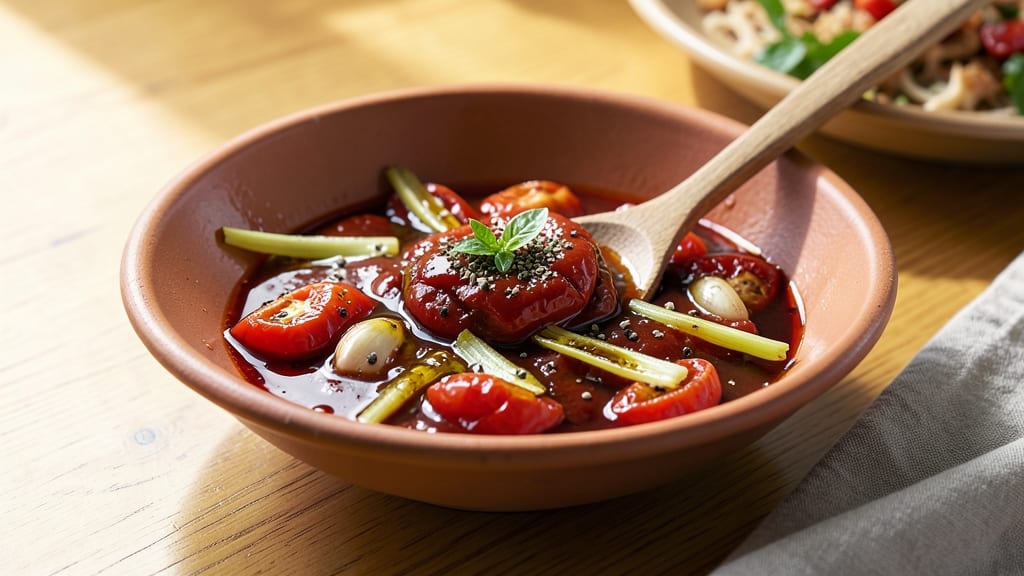
Athenian sauce transforms simple dishes into vibrant, Mediterranean masterpieces with its tangy tomato base and herbaceous crunch. This traditional Greek condiment balances sweet, sour, and fresh flavors—perfect for drizzling over grilled meats, roasted vegetables, or even as a bold dip.
The secret lies in blending ripe tomatoes, crisp celery, and aromatic herbs into a sauce that’s both rustic and refined, with just the right kick of vinegar to brighten every bite.
The beauty of Athenian sauce is its versatility—it elevates humble ingredients while staying true to Greek roots. A blend of olive oil, garlic, and dried oregano creates depth, while fresh herbs like parsley and thyme add brightness.
The celery crown adds a satisfying crunch, making this sauce as enjoyable to eat as it is to make. Unlike store-bought versions, this homemade version delivers layers of flavor that stand out in any dish.
What makes this sauce truly special is how it enhances textures and flavors without overpowering them. The tangy tomato base pairs beautifully with grilled lamb, chicken, or even crusty bread, while the celery crown adds a refreshing bite.
It’s also a game-changer for dips, turning hummus or tzatziki into something extraordinary. With just a few pantry staples, you’ll have a sauce that’s as impressive as it is delicious.
Once made, this sauce keeps well in the fridge for up to 5 days, allowing you to enjoy its bold flavors throughout the week. Whether you’re hosting a dinner or simply craving a taste of Greece, this recipe delivers restaurant-quality results at home.
Let’s get started—your taste buds will thank you.
Ingredients for athenian sauce
Nine simple ingredients transform into a vibrant Greek sauce that elevates everything it touches.
| Ingredient | Amount | Notes |
|---|---|---|
| Ripe Tomatoes 🍅 | 2 cups | Freshly crushed, seeds removed |
| Extra-Virgin Olive Oil 🫒 | ½ cup | High-quality, fruity variety |
| Celery Stems 🧅 | 3 whole | Thinly sliced for celery crown |
| Garlic Cloves 🧄 | 3 cloves | Minced for aromatic depth |
| Red Wine Vinegar 🍷 | 2 tbsp | Bold and dry preferred |
| Dried Oregano 🌿 | 1 tsp | Greek oregano if available |
| Fresh Parsley 🌿 | ¼ cup | Chopped, for freshness |
| Fresh Thyme Leaves 🌿 | 1 tbsp | Or 1 tsp dried thyme |
| Salt 🧂 | 1 tsp | Diamond Crystal preferred |
| Black Pepper 🌶️ | ½ tsp | Freshly ground for warmth |
The tomatoes are the heart of this sauce—ripe but firm ones make all the difference. Heirloom or Roma tomatoes from the grocery store's produce section work best, but any flavorful variety will do. Skip the canned tomatoes here; their texture and flavor just can't compare. For the celery crown, look for crisp, pale green stalks—the ones with a slight bend are the freshest. If you're feeling fancy, grab a bunch of fresh thyme and parsley from the market; the flavor difference is noticeable. The olive oil should be extra-virgin—none of that cheap stuff that smells like soap.
No red wine vinegar? Apple cider vinegar or white vinegar will work in a pinch, though the flavor won't be quite as complex. Fresh herbs unavailable? Dried thyme and parsley at half the amount keep the Mediterranean vibe alive. Want to make this even more authentic? Add a pinch of ground allspice—it's a traditional Greek touch that adds warmth. The celery crown can be made ahead and stored separately if you're prepping for a big meal. Just keep it in the fridge wrapped in damp paper towels for up to 3 days to maintain that satisfying crunch.
This sauce keeps beautifully—5 days in the fridge sealed in an airtight container. The celery crown stays crisp if you store it separately in a sealed bag. For longer storage, freeze the sauce (without the celery) for up to 3 months. I like to make a double batch—one for immediate use and one to freeze. When you're ready to serve, just let it sit at room temperature for 10 minutes before drizzling. The flavors meld together beautifully, and you'll get that restaurant-quality taste that makes this sauce worth every minute.
Why You'll Love This Recipe
- No Chopping Needed: I swear by this—just roughly chop celery stems and tomatoes, no dicing, no fuss. The sauce still tastes like I spent hours simmering it.
- Tangy Garlic Kiss: That red wine vinegar cut? Chef’s kiss. It balances the sweet tomatoes and mellow garlic so well, you’ll want it on everything—grilled chicken, crusty bread, even eggs.
- Meal Prep MVP: Make a big batch on Sunday, and you’ve got sauce for salads, dips, or pasta all week. Honestly, I’ve had it last five days in the fridge, and it only gets better.
- Pantry Staple Power: Five ingredients, all things you already own. No specialty items, no last-minute grocery runs—just olive oil, tomatoes, and a little vinegar magic.
Step-by-step instructions for Athenian sauce
This vibrant sauce brings Mediterranean flavors to life with just a few simple steps.
Prepare the Celery Crown
Start by slicing the 3 whole celery stems into thin, even strips—this is your celery crown. I like to cut them on the diagonal for extra texture. Place them in a large skillet over medium heat and cook for 5-7 minutes, stirring occasionally, until they soften slightly and begin to caramelize at the edges.
The celery should smell sweet and fragrant—this is your first flavor boost. If the celery starts to brown too quickly, reduce the heat slightly. You're not trying to crisp it yet, just soften it enough to release its natural sweetness into the sauce.
Build the Flavor Base
Add the 3 cloves minced garlic cloves to the skillet and cook for 30 seconds until fragrant. You'll smell that unmistakable garlic aroma—this is where the sauce gets its depth. Immediately add the 2 cups freshly crushed ripe tomatoes (with seeds removed) and stir to combine with the celery and garlic.
Let the mixture simmer gently for 10 minutes over medium-low heat. You want the tomatoes to break down and release their juices, creating a rich base. Stir occasionally to prevent sticking, and taste occasionally to monitor the acidity—this is where the sauce starts to take shape.
Add Herbs and Acid
Stir in the 1 tsp dried oregano, 1 tbsp fresh thyme leaves, 1 tsp salt, and 0.5 tsp black pepper. Let the mixture simmer for another 5 minutes, allowing the herbs to infuse their flavors. The oregano and thyme will deepen the Mediterranean profile of the sauce.
Now, add the 2 tbsp red wine vinegar and 0.5 cup extra-virgin olive oil. The vinegar brightens the sauce, cutting through the richness of the tomatoes and olive oil. Stir well and let it simmer for 3-4 minutes until everything is fully incorporated. The sauce should be smooth, with a glossy sheen from the olive oil.
Finish with Fresh Parsley
Remove the skillet from heat and stir in the 0.25 cup chopped fresh parsley. This adds a final burst of freshness and color to the sauce. Let it sit for 2-3 minutes to allow the flavors to meld together. Taste and adjust the seasoning if needed—you might want to add a pinch more salt or a splash of vinegar to balance the flavors.
The sauce should be vibrant, tangy, and slightly thick—perfect for drizzling over grilled meats, fish, or even as a dip. If it's too thick, stir in a splash of water or broth to reach your desired consistency. Serve warm or at room temperature for the best experience.
Pro Tips For Making Athenian Sauce
- Sweat the Celery First: Toss the chopped celery stems into a cold pan with a splash of olive oil and let them sit for 2 full minutes before turning the heat on. I learned this the hard way—skipping this step means your celery ends up raw and bitter, no matter how long you cook it later.
- Crush the Tomatoes by Hand: Skip the blender for this sauce—use your fingers to break down the ripe tomatoes into rough chunks before cooking. The texture stays chunkier and more rustic, which is exactly what Athenian sauce needs. (Yes, even if you’re impatient like me.)
- Low and Slow for Depth: Once the tomatoes hit the pan, drop the heat to medium-low and let it simmer uncovered for at least 20 minutes. Rushing this step means a thin, vinegary sauce instead of the rich, caramelized flavor that builds over time.
- Balance the Vinegar Last: Taste the sauce before adding the red wine vinegar—you’ll likely need less than you think. Add it gradually, a teaspoon at a time, and let it mingle for 5 minutes before tasting again. Too much upfront makes the whole dish taste harsh.
Common mistakes when making great athenian sauce
Overcooking Celery
Celery crowns are all about that satisfying crunch, so avoid overcooking them. Once they turn golden brown and crisp, remove them immediately from the skillet. I’ve seen beginners let them sit too long, turning them into mushy bits—this kills the texture that makes Athenian sauce special. 🧅
Skipping Vinegar
The red wine vinegar is what balances the sweetness of the tomatoes and adds that signature tang. If you omit it or use too little, your sauce will taste flat. I’ve made this mistake—trust me, it’s a game-changer. Start with 2 tbsp and adjust to taste.
Using Low-Quality Olive Oil
Your olive oil makes or breaks this sauce. If you grab anything but extra-virgin olive oil, you’ll end up with a sauce that tastes soapy or dull. I always reach for Kalamata olive oil—it’s rich and fruity, perfect for Mediterranean dishes. Don’t skimp here!
Not Removing Tomato Seeds
Seeds in the tomatoes can make your sauce watery and bitter. Always strain or scoop them out before adding the tomatoes. I use a spoon to remove them while crushing—it’s a small step that makes a big difference in texture and flavor.
Ignoring the Celery Crown
The celery crown isn’t just decoration—it’s the crunchy, flavorful backbone of this sauce. If you skip it or use pre-cooked celery, you’ll miss out on that essential texture. Fresh, thinly sliced celery is a must for authenticity.
Rushing the Simmering
This sauce needs time to develop its layers of flavor. If you rush the 10-minute simmer over medium-low heat, the herbs and tomatoes won’t meld properly. Patience is key—let the flavors marry naturally for the best results. 🍅
Nutrition facts
Frequently asked questions
Can I make Athenian sauce without tomatoes?
Tomatoes are the heart of this sauce, but you can substitute 1 cup tomato paste mixed with 1/4 cup water for a thicker consistency. For a completely different take, try blending 1 cup roasted red peppers with 2 tbsp capers—this works well for a briny, Mediterranean twist. The acidity from vinegar will still balance the flavors beautifully.
How long does homemade Athenian sauce keep?
Store it in an airtight container in the fridge for up to 5 days. For longer storage, freeze the sauce (without the celery crown) for up to 3 months. When ready to use, thaw overnight in the fridge and stir well. The celery crown stays crisp if stored separately in a sealed bag with a damp paper towel.
What’s the best way to use leftover Athenian sauce?
Drizzle it over grilled lamb chops, roasted eggplant, or warm pita bread for instant Mediterranean flair. It also makes an amazing dip—pair it with warm flatbread or crudités like cucumbers and bell peppers. For extra richness, stir a spoonful into olive oil and use as a marinade for chicken or fish.
Can I make this sauce ahead of time?
In fact, the flavors improve as it sits. Prepare the sauce 1 day ahead and let it rest in the fridge. This allows the herbs and vinegar to meld perfectly. Just give it a good stir before serving. For parties, you can even make it 2 days ahead—the celery crown stays crisp if stored separately.
What if my sauce tastes too bitter?
Add a splash of red wine vinegar (another 1 tbsp) or a pinch of sugar to balance the bitterness. If the tomatoes were underripe, the sauce may have a sharper edge—simmering it longer (up to 5 more minutes) can help soften the flavors. Taste as you go and adjust gradually.