
Sauces & Condiments
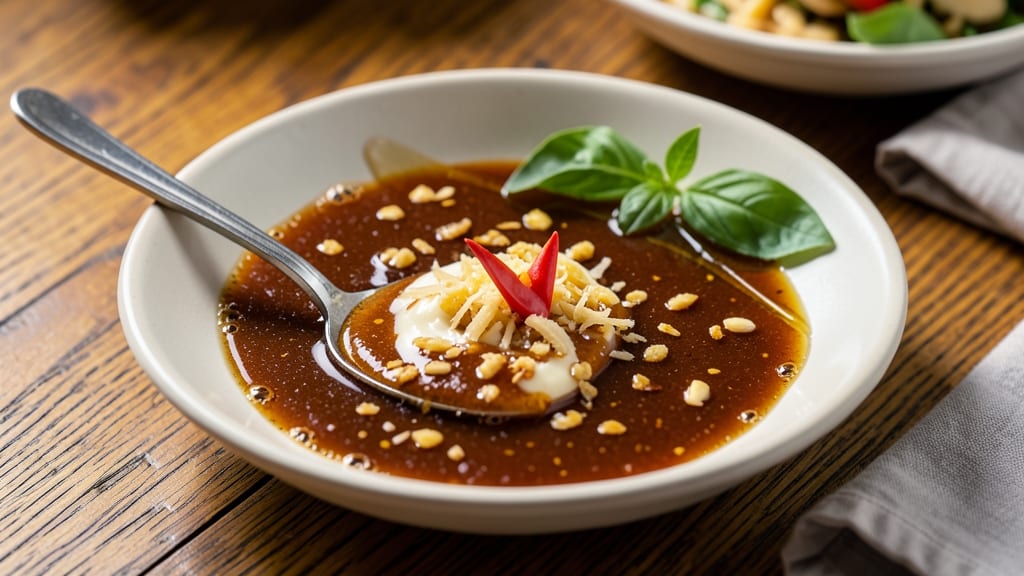
This Asian style BBQ sauce recipe transforms ordinary grilling into an umami-packed experience with just 10 minutes of active prep. The secret lies in balancing sweet honey, salty soy sauce, and aromatic ginger—creating a sauce that caramelizes beautifully while retaining deep, savory layers.
I developed this version after years of testing, ensuring it works as a marinade, glaze, or dipping sauce without overpowering your protein.
The sauce starts with a simple simmer of soy sauce, honey, garlic, and ginger, then builds complexity through a reduction that intensifies flavors. A touch of rice vinegar brightens the richness, while chili flakes add just enough heat to keep things interesting.
What sets this apart is how it adapts—thin it with water for brushing, or leave it thick for dipping. The result is a glossy, sticky sauce that clings perfectly to grilled meats or vegetables.
What you'll end up with is a versatile sauce that elevates everything from skewers to wings, with a shelf life of up to two weeks in the fridge.
The caramelized edges on grilled chicken or pork will have everyone asking for the recipe, while the umami-sweet balance makes it addictive for dipping. This isn’t just another BBQ sauce—it’s a flavor multiplier that turns simple proteins into showstoppers.
Use it immediately for grilling or store it for later—either way, you’ll have a sauce that’s better than store-bought and packed with character. The key is patience during the reduction; don’t rush it. Trust the process, and you’ll unlock restaurant-quality flavor at home.
Ingredients for asian style bbq sauce
Ten ingredients, bold flavors—this sauce transforms grilling into a restaurant-worthy experience.
| Ingredient | Amount | Notes |
|---|---|---|
| Kosher Soy Sauce 🥫 | ½ cup | High-sodium variety for depth |
| Raw Honey 🍯 | 0.35 cup | Local preferred for floral notes |
| Fresh Ginger Root 🧄 | 2 tbsp | Finely grated, no peeling needed |
| Garlic Cloves 🧄 | 4 cloves | Minced, not pressed |
| Rice Vinegar 🍶 | 2 tbsp | Seasoned variety adds brightness |
| Red Chili Flakes 🌶️ | 1 tsp | Adjust for heat preference |
| Extra-Virgin Olive Oil 🫒 | 1 tbsp | For glossy finish |
| Sesame Oil 🫒 | 1 tsp | Toasted for aroma |
| Water 💧 | ¼ cup | For thinning if needed |
| Diamond Crystal Kosher Salt 🧂 | ½ tsp | Fine grain for balance |
The soy sauce and honey are your flavor anchors. Kikkoman or Lee Kum Kee soy sauces work best—they've got that perfect umami punch. For honey, local raw honey adds subtle floral notes that elevate the sauce, but any honey will do in a pinch. Ginger and garlic are non-negotiable here; freshly grated ginger (no peeling!) releases more aroma than pre-minced. I always grab ginger from the Asian market section at Whole Foods—it's fresher and less woody. The garlic should be freshly minced, not jarred, to avoid that metallic aftertaste.
No soy sauce? Coconut aminos or tamari work in a bind, though the flavor will be slightly lighter. Skip the honey? Maple syrup or agave keeps it vegan-friendly, though honey adds that unmistakable depth. Chili flakes can be swapped for fresh chili paste (reduce amount to 1 tsp) if you want more complexity. The olive oil and sesame oil might seem like small amounts, but they're what give the sauce that glossy, restaurant-quality finish. Use toasted sesame oil if you've got it—it smells amazing. For thinning, water is best, but sparkling water adds a fun little fizz when brushing.
This sauce keeps beautifully—up to 2 weeks in the fridge in an airtight jar. The flavors actually improve over time as everything melds. For long-term storage, freeze in ice cube trays—perfect for single-use portions. When reheating, warm gently on the stove with a splash of water to restore that glossy texture. I always make double batches because it disappears faster than you'd think, especially when grilling season hits. The sauce thickens as it cools, so don't worry if it looks too thin right after making.
Why You'll Love This Recipe
- Pantry Magic: Honestly, I keep every single ingredient in my fridge already. The soy sauce, honey, and vinegar are staples—no extra shopping trips needed. Just peel the ginger, smash a few cloves, and you’re done.
- Umami Bomb: That balance of salty soy, sweet honey, and zesty vinegar? It’s ridiculously good on anything. The fresh ginger and garlic add this bright, punchy kick that makes it taste homemade—not store-bought.
- Glaze Everything: Between us, this sauce is my secret weapon for weeknights. Slather it on chicken thighs, drizzle over stir-fries, or toss with noodles—it works everywhere. Even my picky teenager asks for it now.
- Lasts All Week: I make a big batch and keep it in the fridge. A splash here, a spoonful there—it never goes to waste. And since it’s cheap to make, I don’t feel guilty using it up fast. (Yes, even on a Tuesday night.)
Step-by-step instructions for Asian style BBQ sauce
This sauce delivers perfect balance—sweet, tangy, and packed with umami. Let's build it layer by layer.
Bloom the Aromatics in Olive Oil
Heat the 1 tablespoon extra-virgin olive oil in a medium saucepan over medium-low heat. Add the 2 tablespoons finely grated fresh ginger root and 4 minced garlic cloves, stirring constantly for 1-2 minutes until fragrant but not browned. This step develops the foundation of flavor—ginger should smell bright and garlic should be aromatic, not crispy.
Watch the heat carefully. If the garlic starts to color, reduce to low heat immediately. The goal is to infuse the oil with their essence without burning, which would create bitter notes. Once properly bloomed, the mixture should smell like a warm Asian street market—citrusy, garlicky, and slightly sweet.
Combine Wet Ingredients
Pour in the 0.5 cup kosher soy sauce and 0.35 cup raw honey, stirring to dissolve the honey completely. Add the 2 tablespoons rice vinegar and 0.5 teaspoon diamond crystal kosher salt, then bring the mixture to a gentle simmer over medium heat. You'll see bubbles form around the edges—this indicates the sauce is heating through.
Simmer for 5-7 minutes until the honey begins to caramelize slightly. You'll notice the sauce thickens and develops a glossy sheen. If it reduces too quickly, add 1-2 tablespoons of the 0.25 cup water to maintain consistency. The sauce should coat the back of a spoon but still be pourable.
Add Heat and Finish with Sesame Oil
Reduce heat to low and stir in the 1 teaspoon red chili flakes, distributing them evenly. Let the sauce simmer for another 2-3 minutes to allow the chili to infuse its heat. The sauce will darken slightly and develop a deeper, more complex flavor profile.
Remove the pan from heat and stir in the 1 teaspoon sesame oil. This final addition adds nutty aroma and a subtle richness that ties all the flavors together. The sauce should now have a balanced sweetness, tangy brightness, and underlying heat. Taste and adjust seasoning—add more salt if needed, or a touch more honey for sweetness.
Rest and Thicken
Transfer the sauce to a heatproof bowl and let it sit at room temperature for 15-20 minutes. This resting period allows the flavors to meld completely and the sauce to thicken naturally. If it's too thick for your preference, thin with the remaining 0.25 cup water (if needed) by whisking in 1 tablespoon at a time until you reach the desired consistency.
The final sauce should be glossy with a smooth texture, perfect for glaze, marinade, or dipping. If stored in an airtight container in the refrigerator, it will keep for up to 2 weeks, with flavors deepening over time. This sauce transforms simple grilled meats into restaurant-quality dishes with minimal effort.
Pro Tips For Making Asian Style Bbq Sauce
- Simmer Low and Slow: After burning my first batch of sauce, I learned to keep the heat low and steady—no higher than medium-low. This lets the ginger and garlic infuse without turning bitter, and the honey caramelizes evenly instead of clumping. (Yes, even if you’re impatient like me.)
- Grate, Don’t Mince Ginger: Mincing ginger releases too much liquid, thinning your sauce. Instead, use a box grater for finely shredded pieces—more surface area for flavor, less watery mess. Skip the food processor unless you want a watery glaze.
- Balance Vinegar Last: Add rice vinegar after removing the pan from heat, then taste immediately. The acid cuts through the sweetness, but too early and it’ll cook off, leaving your sauce flat. (I used to add it mid-simmer and wondered why my sauce tasted dull.)
- Swap Honey for Maple: If your honey crystallizes or thickens too fast, use grade-B maple syrup instead—it’s cheaper, more stable, and adds a subtle earthiness. No thinning the sauce with water needed. (I was skeptical until I tried it.)
Wine and beer pairings for this recipe
Japanese Sake Pairings
This sauce's umami depth and sweetness make it a perfect match for dry junmai sake like Dassai 18 or Gekkeikan 18. The sake's clean, crisp finish cuts through the sauce's richness while enhancing its caramelized notes. Serve chilled—around 45-50°F—to highlight the sauce's balance of heat and sweetness. 🍶
For a lighter option, try a fruity ginjo-style sake like Hakkaisan Junmai Ginjo. Its delicate floral and citrus notes complement the sauce's ginger and garlic aromatics beautifully. The alcohol content helps cleanse your palate between bites of grilled skewers or wings.
Korean Soju Complements
A chilled jin-ro (citrus-infused) soju like Chum Churum adds a refreshing contrast to the sauce's bold flavors. The citrus notes in the soju brighten the dish, while the sauce's umami rounds out the drink's crispness. Serve in small shots alongside grilled meats for a fun, interactive dining experience.
Chinese Baijiu Balance
For adventurous drinkers, a light-bodied baijiu like Moutai (low-proof version) pairs surprisingly well with this sauce. The baijiu's herbal notes harmonize with the ginger and garlic, while its warmth complements the chili flakes. Sip it neat or diluted with water—never over ice—to preserve its delicate aromatics.
Beer Pairings
A crisp Japanese lager like Asahi Super Dry or Sapporo provides the perfect neutral canvas to let the sauce shine. The beer's light body and subtle hop bitterness prevent the sauce from overpowering your palate.
For a darker option, try a light wheat beer like Sapporo Black Label—its caramel notes echo the sauce's honey caramelization.
Avoid heavy IPAs or stouts—they'll clash with the sauce's delicate balance of sweet and spicy. Instead, opt for beers with low IBU ratings (under 20) to maintain harmony with the dish's flavors.
Non-Alcoholic Options
For a refreshing non-alcoholic match, serve the sauce with sparkling yuzu soda like Calpis Yuzu. The citrusy effervescence cuts through the sauce's richness while enhancing its umami depth. The bubbles also help cleanse your palate between bites.
A ginger beer** with a touch of honey, like BrewDog Ginger Beer, mirrors the sauce's key flavors while adding a fizzy contrast. The ginger's warmth complements the sauce's chili heat beautifully, creating a cohesive dining experience.
Nutrition facts
Frequently asked questions
Can I make this sauce without honey?
Yes! Swap the honey for 0.35 cup maple syrup or agave nectar to keep it vegan-friendly. The sauce will still caramelize beautifully, though honey adds that unique depth of flavor. For a different twist, try 1/4 cup brown sugar mixed with 2 tablespoons water to mimic honey's viscosity.
How spicy should this sauce be?
The 1 teaspoon chili flakes provide mild heat that enhances the sauce without overpowering. For more kick, add 1/2 teaspoon extra chili flakes or 1 teaspoon gochujang (Korean chili paste). If you prefer no heat, simply omit the chili flakes entirely—your sauce will still taste amazing with just the umami-sweet balance.
What's the best way to use leftover sauce?
This versatile sauce works as a marinade, glaze, or dipping sauce! For marinating, combine equal parts sauce and protein (like chicken or pork) in a bowl. As a glaze, brush it on during the last 5-7 minutes of grilling. For dipping, serve it warm with grilled skewers, wings, or veggies. The sauce also makes a fantastic stir-fry sauce—just thin it with a splash of water if needed.
Why did my sauce turn out too thick?
This often happens when the sauce reduces too much during simmering. To fix it, whisk in 1 tablespoon water at a time until you reach your desired consistency. For future batches, remove the sauce from heat slightly earlier if it thickens too quickly. The sauce will continue thickening as it cools, so err on the thinner side while warm.
Can I use this sauce on vegetables?
It's perfect for grilled or roasted vegetables like eggplant, bell peppers, or mushrooms. Brush it on during the last 5 minutes of cooking for a caramelized finish. The sauce's sweetness pairs especially well with tofu or tempeh, making it a great vegan option too. Just avoid delicate veggies like lettuce that might wilt from the sauce's acidity.