
Sauces & Condiments
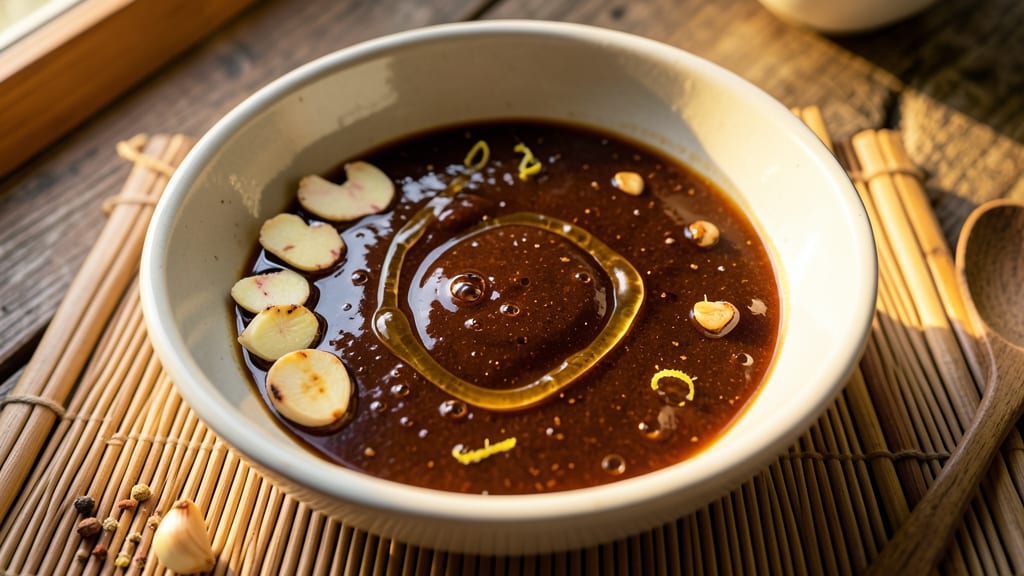
This Asian seafood sauce recipe transforms ordinary shrimp and scallops into restaurant-quality dishes with just a few simple ingredients and a balanced blend of umami, sweetness, and acidity. The secret lies in the harmony of fish sauce, soy sauce, and aromatic elements like garlic, ginger, and lime—each playing a crucial role in creating a versatile sauce that elevates any seafood dish. Whether you're dipping sushi, marinating grilled shrimp, or drizzling over noodles, this sauce delivers depth and complexity without overwhelming the delicate flavors of the seafood.
What sets this sauce apart is its adaptability—it works as a quick marinade, a bold dipping sauce, or even a glaze for roasted seafood. The key is balancing the salty fish sauce with the brightness of lime and the warmth of ginger, creating a sauce that’s both vibrant and rich.
Unlike store-bought versions, this recipe lets you control the intensity, ensuring every batch is perfectly tailored to your taste. With just 15 minutes of prep and a few pantry staples, you’ll have a sauce that’s as impressive as it is easy to make.
The result is a glossy, aromatic sauce with a perfect balance of tangy, sweet, and savory notes that clings beautifully to seafood. The sauce’s versatility makes it a must-have in your culinary arsenal—ideal for weeknight dinners or special occasions.
Once you try it, you’ll never reach for bottled sauces again. Let’s dive into the ingredients and instructions to bring this flavor-packed sauce to life.
One of the best parts of this recipe is its longevity—it keeps well in the refrigerator for up to 10 days, making it perfect for meal prep or gifting.
Whether you’re serving it as a dipping sauce for fresh sushi, a marinade for grilled scallops, or a topping for stir-fried noodles, this sauce will elevate your dishes effortlessly. Ready to transform your seafood meals with this foolproof, umami-packed sauce?
Ingredients for asian seafood sauce
Nine simple ingredients create this umami-packed sauce that transforms seafood into restaurant-quality dishes.
| Ingredient | Amount | Notes |
|---|---|---|
| Fish Sauce 🐟 | ½ cup | Red Boat preferred for quality |
| Light Soy Sauce 🥢 | ½ cup | Kikkoman or La Choy brand |
| Fresh Lime Juice 🍋 | ¼ cup | From 2-3 limes, freshly squeezed |
| Fresh Ginger 🌿 | 2 tbsp | Finely grated, aromatic |
| Garlic Cloves 🧄 | 6 cloves | Minced for aromatic punch |
| Honey 🍯 | ¼ cup | Wildflower preferred |
| Sesame Oil 🫒 | 1 tbsp | Toasted sesame oil for aroma |
| Rice Vinegar 🍶 | ¼ cup | Seasoned preferred for depth |
| Brown Sugar 🍚 | 2 tbsp | Packed firmly for sweetness |
| Water 💧 | ½ cup | For thinning consistency |
The fish sauce is non-negotiable here—Red Boat is my go-to because it's clean, potent, and free of additives. You'll find it in the Asian foods aisle at Whole Foods or Trader Joe's, and it's worth buying the smaller bottle if you're not a frequent user. Ginger and garlic are the aromatic backbone, so buy fresh and grate the ginger yourself (pre-grated tastes like sawdust). For the honey, wildflower adds complexity, but any good-quality honey works. The sesame oil? Toasted is key—it adds that nutty aroma that makes the sauce sing.
No fish sauce? Soy sauce plus a dash of Worcestershire gets you close, though you'll lose some depth. Running out of honey? Maple syrup at the same amount works perfectly. The rice vinegar can be swapped for white vinegar or apple cider vinegar, but seasoned adds that extra umami kick. For a quicker prep, pre-minced garlic from a jar saves time (though fresh is always better). If your sauce is too thick, add water 1 tbsp at a time—it should coat the back of a spoon but still be pourable. The brown sugar can be swapped for white sugar in a pinch, but it adds a lovely caramel note when cooked.
This sauce keeps beautifully—10 days in the fridge sealed in a jar, or 3 months frozen in ice cube trays for single-use portions. The flavors actually get better with time as everything melds together. For meal prep, I make a double batch and store it in small glass jars—perfect for drizzling over seafood or tossing with noodles. If you make extra, it's great for gifting—just label it with the date and a little note about how to use it. Trust me, everyone will want seconds.
Why You'll Love This Recipe
- Pantry Magic: I swear by this sauce—no fancy shopping required. Fish sauce, soy sauce, and a lime from the fridge? That’s it. Honestly, I’ve made it with whatever was in my cupboard, and it still tastes like a restaurant’s secret.
- Umami Bomb: The garlic and ginger hit like a flavor tsunami, but in the best way. That first splash of fish sauce? It’s the magic—salty, funky, and addictive. I’ll be real: once you taste it, you’ll reach for it every time.
- Weeknight Hero: Slap this on grilled shrimp, toss it with noodles, or drizzle it over rice—it’s my go-to when I’m too tired to think. Between us, it turns even the simplest protein into something special without extra effort.
- Budget Stretch: A little goes a long way, and it keeps for ages. I make a big batch, store it in the fridge, and use it for everything from stir-fries to marinades. Not the prettiest, but the taste makes up for it—and my wallet thanks me.
Step-by-step instructions for Asian seafood sauce
This umami-packed glaze transforms simple seafood into a restaurant-worthy dish.
Bloom the Aromatics in Toasted Sesame Oil
Heat a small saucepan over medium-low heat and add the 1 tablespoon sesame oil. Let it warm for 30 seconds until fragrant—you'll smell that nutty, toasted aroma. This is where the magic begins, as the oil's flavor will infuse the entire sauce.
Add the 6 cloves minced garlic and 2 tablespoons grated fresh ginger, stirring constantly for 1-2 minutes until the garlic turns golden and the ginger releases its bright, citrusy scent. Watch carefully—garlic burns quickly, so keep the heat gentle. Remove from heat immediately once fragrant, as we're not cooking these aromatics further.
Combine Wet Ingredients for Balanced Flavors
In a medium bowl, whisk together the 0.5 cup fish sauce and 0.5 cup light soy sauce. I like to use Red Boat fish sauce here—its clean, fermented umami is perfect for seafood. Add the 0.25 cup honey and 2 tablespoons packed brown sugar, whisking until fully dissolved and smooth.
Pour in the 0.25 cup fresh lime juice (strained) and 0.25 cup seasoned rice vinegar, whisking continuously. The mixture will look like a rich, amber syrup. Taste it now—it should be intensely savory with bright acidity. If it's too strong, add 1 tablespoon water at a time until balanced.
Simmer and Reduce to Perfect Consistency
Return the saucepan with aromatics to medium heat and pour in the wet ingredient mixture. Bring to a gentle simmer, then reduce heat to low. Let it bubble softly for 8-10 minutes, stirring occasionally, until it thickens to a glaze-like consistency—it should coat the back of a spoon.
Add the 0.5 cup water all at once and stir well. The sauce should now be glossy and pourable, with a syrupy body that clings beautifully to seafood. If it's still too thick after 2 more minutes, add another 1 tablespoon water. The perfect sauce should be thick enough to coat but thin enough to drizzle freely.
Finish with Lime Zest and Adjust Seasoning
Remove the sauce from heat and let it cool slightly. Give it one final taste—this is your quality control moment. The sauce should sing with umami from the fish and soy, brightness from the lime and ginger, and depth from the honey and vinegar.
If needed, adjust seasoning: add a splash more fish sauce for saltiness, lime juice for acidity, or honey for sweetness. The sauce will continue to mellow as it cools, so don't over-adjust. For extra brightness, grate a tiny bit of lime zest over the top and whisk in.
Pro Tips For Making Asian Seafood Sauce
- Bloom the Garlic: Slice those cloves thin—paper-thin—so they melt into the sauce instead of sitting like stubborn chunks. I used to chop them roughly, and the texture always felt off; now they dissolve in seconds, adding depth without chewing.
- Toast the Ginger: Dry-fry the ginger slices in the pan for 20 seconds before adding liquid—it deepens the aroma and prevents that raw, medicinal bite. (Yes, even if you’re impatient like me, wait for the oil to shimmer around the edges first.)
- Balance the Lime: Add lime juice last, then taste immediately—it’s easy to overdo it. If the sauce tastes sharp, a pinch of sugar or a splash of fish sauce fixes it faster than starting over. (I learned this after ruining a batch at a dinner party.)
- Simmer, Don’t Boil: Keep the heat low after adding soy and fish sauce—boiling turns the sauce flat and salty. A gentle simmer lets the flavors marry without losing that bright, umami punch. (Your future self will notice the difference.)
Common mistakes when making great asian seafood sauce
Over-Salting the Sauce
Fish sauce and soy sauce pack serious saltiness, so it's easy to overdo it. I've ruined more batches than I'd admit by adding both without tasting first. Always taste after combining the wet ingredients—if it's too salty, add 1 tablespoon water or a splash of lime juice to balance.
Remember, you can always add more fish sauce later, but you can't take it out. 💡
Skipping the Bloom Step
The 30-second sesame oil bloom with garlic and ginger is where the sauce gets its depth. Skipping this step means missing out on that nutty, aromatic punch. Heat the oil gently until fragrant, then immediately add the aromatics—don't let them cook further.
This is your chance to build flavor layers before combining everything. Trust me, your sauce will taste flat without it.
Using Low-Quality Fish Sauce
Not all fish sauces are created equal. Cheap brands can taste fishy or metallic, throwing off the balance. I always use Red Boat—it's clean, potent, and free of additives.
If you must substitute, use Worcestershire sauce (about 1 tbsp per 0.5 cup) but know it won't be as umami-rich. The quality of your fish sauce makes or breaks the sauce, so don't skimp here. 🐟
Ignoring the Simmer Time
Rushing the 8-10 minute simmer means an underdeveloped sauce. This step lets the flavors meld and the sauce thicken properly. If you're impatient, you'll end up with a thin, watery glaze that won't cling to seafood.
Keep the heat low and stir occasionally—patience pays off with a glossy, cohesive sauce that's perfect for drizzling or dipping.
Forgetting to Taste Test
I can't stress this enough—taste your sauce at every critical stage. After combining wet ingredients, after simmering, and before serving. Each step needs adjustment. The sauce should balance salty, sweet, tangy, and umami notes.
If it's missing something, add a pinch of sugar, a splash of vinegar, or a drop of sesame oil to fix it. Your taste buds are the best tool in your kitchen. ✨
Overthinning the Sauce
Adding too much water ruins the sauce's perfect consistency. The goal is a glaze that coats the back of a spoon but remains pourable. If your sauce is too thick after simmering, add water 1 tablespoon at a time.
Start with just 0.5 cup—you can always add more later. A properly balanced sauce should cling beautifully to seafood without being too runny. 💧
Nutrition facts
Frequently asked questions
Can I make this sauce without fish sauce?
Yes, but the flavor will be different. Replace the 0.5 cup fish sauce with 0.4 cup soy sauce plus 1 tbsp Worcestershire sauce for umami depth. For a vegetarian version, use 0.5 cup coconut aminos plus 1 tbsp soy sauce, though the taste won't be identical. The sauce will still work well for dipping or glazing, just with less complexity.
How long does this sauce keep in the fridge?
The sauce stays fresh for up to 10 days when stored in an airtight container in the refrigerator. For longer storage, portion into ice cube trays and freeze for 3 months—perfect for single-use portions. The flavors actually improve over time as the ingredients meld together beautifully. Always store it in the fridge after opening.
What's the best way to use this sauce?
This versatile sauce works perfectly as a dipping sauce for sushi, a marinade for grilled shrimp or scallops, or a glaze for roasted seafood. Try drizzling it over steamed shrimp or tossing it with noodles like pho or ramen. The glossy texture makes it ideal for enhancing any seafood dish while adding that perfect balance of sweet, salty, and tangy flavors.
Can I adjust the spice level?
For heat, add 1-2 tbsp of sriracha or chili garlic sauce at the end. For a milder version, reduce the garlic slightly or omit the ginger if you prefer. The sauce's base is already balanced, so small adjustments let you customize it to your taste. Start with 1 tsp of any spice and adjust gradually—you can always add more.
Why does my sauce look cloudy or separated?
Cloudiness usually means the sauce needs more simmering time to fully emulsify. Return it to low heat and stir for another 2-3 minutes until glossy. If it separates, whisk vigorously or blend briefly to recombine. Using fresh ingredients and proper simmering time prevents this issue—don't rush the cooking process! The sauce should be smooth and cohesive when done.