
Sauces & Condiments
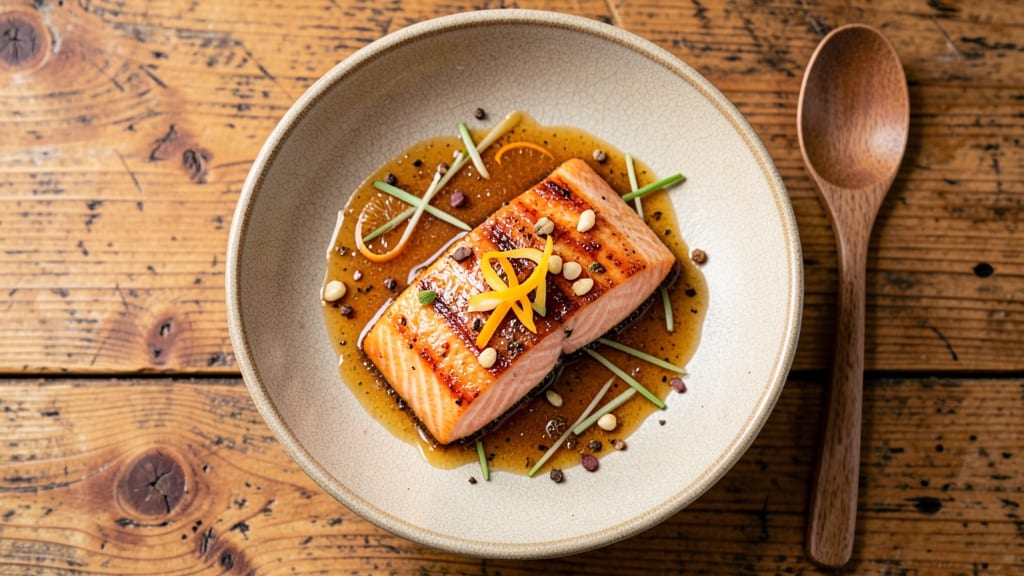
This Asian salmon sauce recipe transforms simple ingredients into a glossy, umami-rich glaze that elevates grilled or baked salmon to restaurant-quality. The secret lies in balancing sweet, salty, and funky flavors—ginger and garlic build depth, while soy sauce and fish sauce create that signature Asian complexity.
With just 10 minutes of active prep and 15 minutes of simmering, you’ll have a sauce that caramelizes beautifully, clinging to every flaky bite.
The magic happens when you reduce the sauce until it thickens just enough to coat the back of a spoon—this ensures it clings perfectly to salmon without being overly syrupy.
A touch of honey or maple syrup adds natural sweetness that cuts through the saltiness, while sesame oil and rice vinegar brighten the finish.
What you’re left with is a sauce that’s as versatile as it is delicious: drizzle it over grilled salmon, toss it with noodles, or use it as a dipping sauce for spring rolls.
What makes this recipe truly special is its ability to transform ordinary salmon into something extraordinary. The sauce’s caramelized edges and sticky texture create a mouthwatering contrast with the tender, flaky fish.
It’s the kind of sauce that turns a simple weeknight dinner into a memorable meal—one that’ll have everyone asking for seconds. The best part? It keeps well in the fridge for up to a week, so you can make a batch and use it all week long.
Pair it with steamed jasmine rice for a classic combo, or serve it over a bed of quinoa for added texture. For extra depth, finish with a sprinkle of toasted sesame seeds or sliced green onions. Ready to make this sauce? Let’s get started—your taste buds will thank you.
Ingredients for asian salmon sauce
Ten simple ingredients transform into a restaurant-worthy glaze that'll make salmon unforgettable.
| Ingredient | Amount | Notes |
|---|---|---|
| Fresh Salmon Fillet 🐟 | 1 ½ lb | Skin-on for crispiness |
| Low Sodium Soy Sauce 🍶 | ½ cup | Kikkoman preferred |
| Fish Sauce 🍶 | 2 tbsp | Red Boat brand recommended |
| Fresh Ginger 🌿 | 2 tbsp | Finely grated, aromatic |
| Garlic Cloves 🧄 | 4 cloves | Minced, pungent flavor |
| Honey 🍯 | 2 tbsp | Wildflower preferred |
| Rice Vinegar 🍶 | 2 tbsp | Seasoned variety works |
| Sesame Oil 🫒 | 1 tbsp | Toasted sesame preferred |
| Green Onions 🧅 | 2 whole | Sliced, for garnish |
| Toasted Sesame Seeds 🌾 | 1 tbsp | For finishing touch |
The fish sauce and soy sauce are the umami powerhouses here—Red Boat fish sauce has the cleanest flavor, but any reputable brand works. I grab mine at Asian markets where they keep it refrigerated, or the international aisle at Whole Foods if I'm in a pinch. Fresh ginger and garlic? Buy them whole and grate/mince right before using—pre-minced loses its punch fast. The honey should be wildflower or clover for that floral depth that balances the saltiness. Pro tip: Toast your sesame seeds in a dry pan for 30 seconds before adding to the sauce—they'll taste infinitely better.
No fish sauce? Substitute with extra soy sauce plus a splash of Worcestershire (check for anchovies if avoiding them). Running low on ginger? Ginger powder at half the amount works in a bind, but fresh is non-negotiable for that bright flavor. Swap honey for maple syrup or agave if you prefer. The rice vinegar can be omitted if you're sensitive to acidity, but I promise it brightens everything. For extra richness, add 1 tbsp of coconut aminos—it's soy-free and adds another layer of depth. The sesame oil should go in last—it's for finishing, not cooking.
This sauce keeps beautifully—1 week in the fridge sealed in a jar with a thin layer of oil on top to preserve freshness. For longer storage, freeze in ice cube trays and transfer to a bag. Thaw overnight in the fridge before using. I always make double batches because it disappears fast—once on salmon, once tossed with noodles. The leftovers? Perfect for quick stir-fries or as a dipping sauce. Just reheat gently on low heat, stirring occasionally to prevent scorching.
Why You'll Love This Recipe
- Fewer Ingredients, Bigger Impact: I swear by this recipe when I’m too tired to shop. Just five things—salmon, soy sauce, fish sauce, ginger, and garlic—and you’ve got a sauce that tastes like you slaved over it. Honestly, the fish sauce alone adds that umami punch that makes everything taste richer.
- Umami Bomb Combo: That fresh ginger and garlic? They’re the secret weapons. The ginger’s zesty kick cuts through the richness of the salmon, while the garlic deepens the sauce into something dangerously addictive. (Yes, even on a Tuesday night.)
- Lunchbox Magic: Between us, this sauce is my go-to for meal prep. Toss the cooked salmon over rice or noodles, and it keeps for days in the fridge. My kids actually ask for leftovers—no complaints about “boring” lunches here.
- Budget-Friendly Luxury: Salmon can feel fancy, but this sauce stretches it like crazy. A single fillet becomes a full meal when paired with rice or veggies, and the low-sodium soy sauce means you’re not drowning it in salt. Feels like a splurge without the price tag.
Step-by-step instructions for Asian salmon sauce
This umami-packed glaze transforms simple salmon into a restaurant-worthy centerpiece.
Prepare the Glaze Ingredients
In a small bowl, combine the 0.5 cup low sodium soy sauce, 2 tbsp fish sauce, 2 tbsp honey, and 2 tbsp rice vinegar. Stir until the honey dissolves completely—this creates the flavor foundation. I like to use a whisk for smooth, even mixing. The sauce should be glossy and well-blended, with no visible honey granules.
In a separate bowl, finely grate the 2 tbsp fresh ginger using a microplane or the small holes of a box grater. This ensures you capture all the aromatic oils. Minced ginger works too, but grated gives more surface area for flavor infusion. Set aside the grated ginger and the garlic cloves—you'll add them to the pan shortly.
Sear the Salmon Skin-Side Down
Heat a large skillet over medium heat until it's hot but not smoking. Place the 1.5 lb fresh salmon fillet skin-side down in the pan. Press gently on the fillet for 30 seconds to help it make full contact with the pan—this prevents curling and ensures crispy skin. Let it sear undisturbed for 4-5 minutes until the skin is deep golden brown and crispy.
Here's the thing—don't flip too early. You'll know it's ready when the edges lift easily from the pan. The skin should look like it's ready for a crispy skin challenge, not just slightly browned. Once crispy, carefully flip the salmon and cook for another 2-3 minutes on the flesh side until it reaches 135°F internally. Transfer to a plate and tent loosely with foil to keep warm.
Build the Sauce with Aromatics
In the same skillet (no need to clean it—the browned bits add flavor), add the 1 tbsp sesame oil and swirl to coat the pan. Add the 4 cloves minced garlic and 2 tbsp grated ginger, stirring constantly for 30 seconds until fragrant. You'll smell that pungent aroma—this is when the magic happens.
Pour in the prepared sauce mixture and bring to a gentle simmer over medium-low heat. Let it reduce by about half, which should take 3-4 minutes. The sauce should thicken slightly and coat the back of a spoon. If it reduces too quickly, reduce the heat—you want it to caramelize, not burn.
Glaze the Salmon and Finish
Return the salmon to the skillet, skin-side up, and spoon the reduced sauce generously over the top. The skin should be facing up to soak up that glorious glaze. Let it cook for 1-2 minutes until the sauce bubbles and begins to caramelize on the salmon's surface. This is the moment that matters—watch for a glossy, sticky sheen forming.
Remove from heat and let it rest for 2 minutes—this allows the sauce to set slightly. Garnish with the 2 whole sliced green onions and sprinkle with 1 tbsp toasted sesame seeds right before serving. The contrast of fresh green onions and nutty sesame seeds elevates the dish to new heights.
Serve Immediately for Maximum Impact
Slice the salmon into ½-inch thick portions and serve directly from the skillet, letting any remaining sauce drizzle over the top. The glaze should be sticky and caramelized, clinging beautifully to each piece. Serve with steamed jasmine rice and quick-pickled vegetables to balance the richness.
Real talk: The sauce will thicken as it cools, so serve right away. If you have leftovers, reheat gently in a pan with a splash of water to restore that glossy texture. This dish is all about that perfect balance of sweet, salty, umami, and a touch of acidity—every bite should sing with flavor.
Pro Tips For Making Asian Salmon Sauce
- Sear Salmon Skin-Down: Flip the fillet skin-side down first—it crisps in 2-3 minutes on medium-high, then slides right off for a golden crust. I used to flip it too soon and end up with sad, greasy salmon; patience here makes all the difference.
- Mince Ginger Like Mad: Use a microplane or knife to get ginger into a paste—no visible chunks. I learned this the hard way after biting into a surprise piece in my sauce. For garlic, smash the cloves first to release flavor without burning.
- Balance Soy and Fish Sauce: Start with 1:1 ratio (soy to fish), then taste—fish sauce adds depth, soy builds umami. Too much fish sauce? Add a splash of rice vinegar to clean it up. I’ve ruined batches by overdoing it; trust your tongue.
- Simmer Sauce Low and Slow: Reduce the sauce on low heat until it coats the back of a spoon—about 8-10 minutes. Rushing it turns the sauce bitter. If it smells sharp, you’ve gone too far; a splash of water fixes it.
Make-ahead tips for this recipe
Prep Ahead Sauce
Make the sauce base 1-2 days ahead and store it in an airtight container in the fridge. The flavors deepen as it sits, becoming even more complex. When ready to use, simply reheat it in a small saucepan over low heat for 3-4 minutes, stirring occasionally until warmed through.
This method preserves the glossy texture perfectly. 💫
Salmon Prep
Pat your salmon dry with paper towels and season it with ½ teaspoon salt and ¼ teaspoon black pepper up to 24 hours ahead. Store it uncovered on a plate in the fridge—this helps dry the surface slightly, ensuring better browning when seared.
Just before cooking, remove it from the fridge to bring it to room temperature for 20-30 minutes.
Freezer-Friendly
Freeze the sauce in ice cube trays for portion control. Once frozen, transfer the cubes to a freezer bag and store for up to 3 months. Thaw overnight in the fridge, then reheat gently.
For the salmon, if you want to prep ahead, place it in a sealed container with parchment paper between layers to prevent sticking. Cook from frozen using the same method, but add 1-2 extra minutes to the searing time.
Double Batch Strategy
This sauce is so versatile, I always make double the recipe. Use half on salmon and save the rest for noodles, stir-fries, or as a dipping sauce. Store the extra sauce in a clean jar with a tight lid.
The first batch will disappear fast—trust me, it’s that good. Label the jar with the date so you can keep track of freshness. 💡
Garnish Prep
Slice the green onions and toast the sesame seeds ahead of time. Store them in separate small containers in the fridge. Toasting the sesame seeds is a game-changer—they add a nutty crunch that elevates the dish.
Just sprinkle them on right before serving to keep everything fresh. This small step saves you time during the final minutes of cooking.
Nutrition facts
Frequently asked questions
Can I use this sauce on other proteins besides salmon?
This versatile glaze works beautifully on chicken thighs, shrimp, or even tofu for a plant-based option. For chicken, marinate pieces for 15 minutes before cooking to let the flavors penetrate. With shrimp, reduce the cooking time to 2-3 minutes per side to avoid overcooking. The sauce's balance of sweet, salty, and umami makes it perfect for any protein that benefits from a sticky glaze.
What's the best way to adjust the sweetness level?
Start with the 2 tbsp honey called for, but you can easily adjust it. For a sweeter glaze, add 1 extra teaspoon of honey or maple syrup. If you prefer less sweetness, reduce by ½ teaspoon and add ½ teaspoon more rice vinegar to balance the flavors. Taste as you reduce the sauce—it should complement the salmon without overpowering it. Remember, the sauce will thicken as it cools, so don't overdo the sweetness initially.
How do I prevent the sauce from burning while reducing?
Keep the heat at medium-low and stir frequently to prevent burning. If the sauce starts to darken too quickly, reduce the heat further or add 1-2 teaspoons of water to thin it slightly. The key is patience—let it reduce gradually for 3-4 minutes until it coats the back of a spoon. A non-stick or stainless steel pan helps prevent sticking and burning. If you notice any browned bits, simply scrape them off before using the sauce.
Can I make this sauce without fish sauce?
Yes! Replace the 2 tbsp fish sauce with 1 tbsp soy sauce plus 1 tbsp Worcestershire sauce (check for anchovies if avoiding them). For a vegetarian version, use 2 tbsp coconut aminos plus ½ teaspoon miso paste to add depth. The sauce will still be flavorful, though fish sauce adds that signature umami kick. If you're sensitive to salt, reduce the soy sauce slightly and add a pinch of salt to taste.
Why did my sauce turn out too thin?
This usually happens if you didn't reduce the sauce long enough or used too much liquid. Simmer the sauce uncovered over medium-low heat until it thickens to a glossy consistency that coats the back of a spoon. If it's still too thin, return it to the heat and reduce for another 2-3 minutes. Alternatively, mix 1 teaspoon cornstarch with 1 tablespoon water, stir into the sauce, and cook for 1 more minute until thickened. Always taste as you go!