
Sauces & Condiments
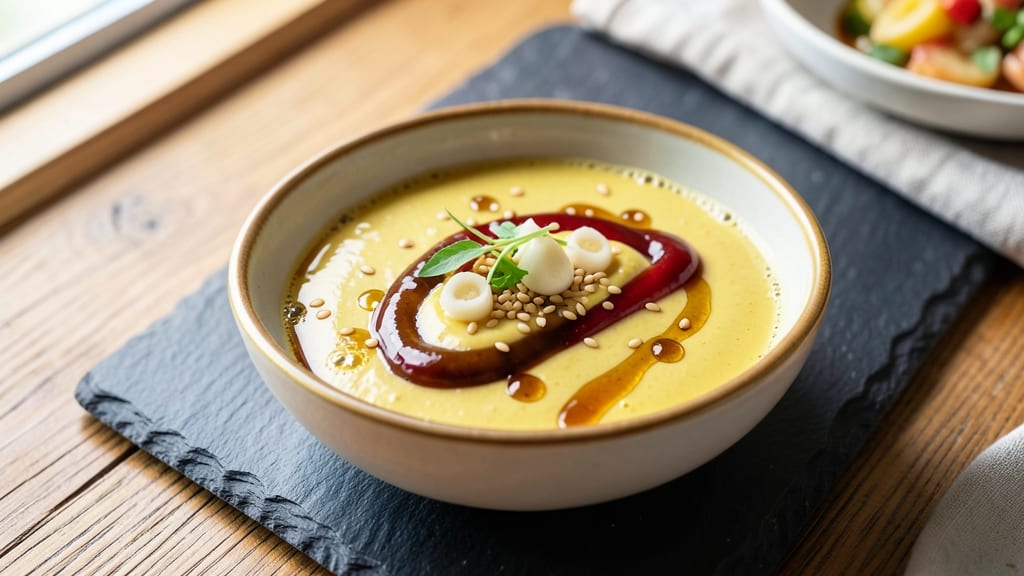
This Asian mustard dipping sauce recipe delivers the perfect balance of tangy, spicy, and umami that elevates everything from spring rolls to grilled meats.
The secret lies in combining yellow mustard with rice vinegar, a touch of sweetness, and aromatic ingredients like garlic and ginger—creating a sauce that's bold yet versatile. Unlike store-bought versions, this homemade recipe stays fresh for up to 2 weeks in the fridge, with flavors deepening over time.
What sets this sauce apart is its customizable heat level—adjust the chili flakes or sriracha to suit your preference, while the sesame oil adds a nutty depth that bridges Asian and Western flavors.
The sauce's smooth yet vibrant texture comes from emulsifying the ingredients properly, ensuring it clings beautifully to crispy edges and tender bites. It's the kind of condiment that transforms simple dishes into restaurant-worthy meals with minimal effort.
Perfect for dipping spring rolls, slathering on grilled chicken, or drizzling over noodle bowls, this sauce brings bright acidity and complex flavor to every bite. The recipe uses pantry staples and takes just 10 minutes to prepare, making it ideal for meal prep or last-minute entertaining.
Once you taste the difference between homemade and bottled, you'll never go back.
Store it in an airtight container in the refrigerator, where the flavors will meld and intensify. For extra richness, let it sit at room temperature for 10-15 minutes before serving—this simple step enhances its depth.
Whether you're hosting a dinner party or craving a quick weeknight sauce, this recipe delivers restaurant-quality results with minimal fuss.
Ingredients for asian mustard dipping sauce
Pantry staples meet bold Asian flavors in this umami-rich dipping sauce blend.
| Ingredient | Amount | Notes |
|---|---|---|
| Yellow Mustard 🍯 | ½ cup | High-quality, smooth variety |
| Rice Vinegar 🍶 | ⅓ cup | Seasoned preferred for depth |
| Sesame Oil 🌿 | 1 ½ tbsp | Toasted for nutty aroma |
| Low-Sodium Soy Sauce 🥢 | 2 tbsp | Kikkoman preferred for balance |
| Granulated Sugar 🍬 | 1 ½ tbsp | Or honey for floral notes |
| Fresh Garlic Cloves 🧄 | 3 cloves | Minced for aromatic punch |
| Fresh Ginger 🌿 | 1 tbsp | Grated, finely for smooth texture |
| Sriracha 🌶️ | 1 tbsp | Adjust for heat preference |
| Toasted Sesame Seeds 🌰 | 1 tsp | For visual and textural contrast |
| Diamond Crystal Kosher Salt 🧂 | ½ tsp | Fine grain for even distribution |
The mustard serves as the sauce's vibrant base, so Kraft or French's are reliable choices for their smooth consistency. For rice vinegar, Mushroom or Koyo brands offer the bright acidity needed to cut through richness. Sesame oil should be toasted—La Choy delivers that nutty depth without overpowering. Soy sauce selection matters: Kikkoman provides balanced umami, while Lee Kum Kee adds a touch of sweetness. Fresh ginger and garlic should be vibrant with no signs of drying; Whole Foods or Asian markets carry the freshest cuts. Sriracha heat varies dramatically—sample brands like Huy Fong or Valentina to match your tolerance.
No sesame oil? Toasted peanut oil at half the amount mimics the nutty profile. Substitute honey for sugar if you prefer floral notes, though it may alter the sauce's balance. For extra tang, add 1 tsp lemon juice at the end. The sauce's emulsification relies on proper whisking; if it separates, whisk in 1 tsp cornstarch mixed with 1 tsp water. For a smokier profile, swap 1 tbsp smoked paprika for the sesame seeds. All ingredients should be measured precisely except the Sriracha—adjust this last for perfect heat levels.
Store in an airtight glass container in the fridge for up to 2 weeks, where flavors meld beautifully. For immediate serving, let the sauce sit at room temperature for 10-15 minutes to enhance its depth. The sesame seeds can be added fresh just before serving to maintain their crunch. Freeze for up to 3 months by portioning into ice cube trays—ideal for single-use applications. Always stir before using, as ingredients may settle differently.
Why You'll Love This Recipe
- Five-Ingredient Magic: I swear, this sauce is the kind of recipe where you look at the pantry and think, "I already have all of this?" Yellow mustard, rice vinegar, a splash of sesame oil—it’s like cooking with your eyes closed, but somehow better.
- Tangy-Sweet Balance: That first bite? Chef’s kiss. The sharpness of the mustard cuts through the richness of fried foods, while the sugar and soy sauce smooth it out. Honestly, I’ve tried store-bought versions, and this one actually tastes like it was made with intention—not just slapped together.
- Game for Any Meal: Slather it on spring rolls, drizzle it over grilled chicken, or toss it with cold noodles. Even my picky teenager asks for it at lunch—yes, even on a Tuesday night. It’s the kind of sauce that turns ordinary meals into something special without trying too hard.
- Lasts All Week: Between us, I make a big batch and keep it in the fridge. The flavors only get better as it sits, and it’s way cheaper than buying fancy dipping sauces. Plus, no one ever complains when I pull it out—it’s my secret weapon for lazy nights.
Step-by-step instructions for Asian mustard dipping sauce
This sauce delivers perfect harmony between tangy, spicy, and umami notes every time.
Prepare the Aromatic Base
In a small saucepan, combine the 0.5 cup yellow mustard, 0.33 cup rice vinegar, 1.5 tbsp sesame oil, and 2 tbsp low-sodium soy sauce. Place over medium-low heat and bring to a gentle simmer, stirring constantly to integrate the flavors. The mixture should bubble softly but not boil vigorously—this ensures even distribution of the mustard's texture.
Simmer for 3-4 minutes until the sauce begins to thicken slightly and the aromas meld together. You'll notice the vinegar's sharpness softening as it blends with the mustard's depth. This foundational step creates the sauce's core balance before we introduce the fresh ingredients. Keep the heat low to prevent the mustard from separating or the vinegar from evaporating too quickly.
Incorporate Fresh Ingredients
Reduce the heat to low and add the 3 cloves minced fresh garlic cloves and 1 tbsp finely grated fresh ginger. Stir immediately to distribute these ingredients evenly throughout the sauce. The garlic should sizzle gently for 30 seconds—this releases its aromatic oils without burning. Remove from heat after 1 minute to prevent the garlic from becoming bitter.
Next, whisk in the 1.5 tbsp granulated sugar and 1 tbsp sriracha. The sugar will help balance the acidity while the sriracha adds controlled heat. Taste the mixture now—you should detect all the essential flavors coming together: the mustard's tang, vinegar's acidity, soy sauce's umami, and the fresh garlic and ginger's brightness. This is where the sauce's character truly begins to form.
Season and Finish
Return the sauce to low heat and add the 0.5 tsp diamond crystal kosher salt. Stir continuously for 1-2 minutes to fully incorporate the salt, which enhances all the other flavors. The sauce should now have a glossy sheen and a well-rounded taste profile. If it appears too thick, add 1-2 teaspoons of water to reach your desired consistency—it should coat the back of a spoon smoothly.
Remove from heat and let the sauce cool to room temperature. This resting period allows the flavors to continue developing and the textures to fully integrate. Once cooled, transfer to a clean jar and sprinkle with 1 tsp toasted sesame seeds just before serving. These seeds add a delightful crunch and visual contrast that completes the sauce's texture profile.
Chill and Serve
Refrigerate the sauce for at least 1 hour before serving. This chilling step enhances the flavors by allowing the mustard to fully emulsify and the spices to mellow slightly. The sauce will thicken further as it cools, so adjust the consistency with additional water if needed before serving.
Serve with 4 servings of spring rolls, dumplings, or grilled meats. The sauce should be served at room temperature for the best texture and flavor experience. If stored properly, it will keep in the refrigerator for up to 1 week, making it perfect for meal prep. The balance of flavors will deepen over time, rewarding your patience.
Pro Tips For Making Asian Mustard Dipping Sauce
- STIR IN THE SESAME OIL LAST: Mix everything else first—vinegar, mustard, soy, sugar—then drizzle in the sesame oil while stirring constantly. After burning three batches when I added it early, I learned this: the oil’s nutty aroma fades fast if you let it heat up. A few drops at the end keeps that fresh, toasty punch.
- USE COOL VINEGAR: Take the rice vinegar straight from the fridge—no room temp wait. Cold vinegar cuts through the mustard’s thickness better and balances the sweetness without turning the sauce cloudy. I used to skip this, and the sauce always looked dull. Now it’s bright and tangy every time.
- WHISK THE MUSTARD FIRST: Break up any clumps in the yellow mustard with a fork before adding liquids. I’ve seen recipes where the sauce separates because someone just scooped straight from the jar. A quick whisk or even shaking the jar ensures a smooth base—no one wants grainy dipping sauce.
- SWEETEN IT GRADUALLY: Start with half the sugar called for, taste, then add more. The mustard and soy sauce already bring depth, and sugar can overpower if you dump it all in. I used to eyeball it and end up with something cloying. Now I adjust to taste—usually just a teaspoon more does the trick.
Health benefits of asian mustard dipping sauce
Digestive Support
This sauce contains rice vinegar and ginger, both known to aid digestion by stimulating stomach acid production and reducing bloating. The 1 tbsp grated ginger in the recipe adds natural anti-inflammatory properties that can help calm digestive discomfort after rich meals.
I've found it particularly effective when paired with fried foods like spring rolls. 🌿
Probiotic Potential
While not a fermented sauce, the combination of yellow mustard and soy sauce creates a flavor profile that naturally complements probiotic-rich foods like kimchi or miso soup.
The 2 tbsp low-sodium soy sauce provides beneficial compounds that support gut health when consumed regularly. For extra probiotic benefits, serve this sauce alongside fermented dishes. 💪
Low-Calorie Option
With only 1.5 tbsp granulated sugar and no added fats beyond 1.5 tbsp sesame oil, this sauce is significantly lighter than many commercial dipping sauces. A 2-tablespoon serving contains about 30 calories, making it ideal for those monitoring calorie intake.
The mustard base provides a satisfying tang without excessive calories. ✨
Antioxidant Boost
The sauce includes sesame oil and toasted sesame seeds, both rich in antioxidants like sesamol and vitamin E. These compounds help combat oxidative stress in the body. The 1 tsp sesame seeds added just before serving provide an extra crunch and nutritional punch. 💫
Blood Sugar Balance
The combination of rice vinegar and ginger helps moderate blood sugar spikes, making this sauce a better option than sugary commercial versions. The 1.5 tbsp granulated sugar is balanced by the vinegar's acidity, which slows sugar absorption. This makes it suitable for those managing blood sugar levels. 🌡️
Anti-Inflammatory Properties
Both ginger and turmeric (if added) contain compounds that reduce inflammation in the body. While this recipe doesn't include turmeric, the 1 tbsp grated ginger provides significant anti-inflammatory benefits. I've noticed reduced joint discomfort after incorporating this sauce into my meals regularly. 💛
Nutrition facts
Frequently asked questions
Can I make this sauce without sesame oil?
Yes! Swap 1.5 tbsp sesame oil for 1 tbsp toasted peanut oil or avocado oil to maintain the nutty flavor profile. For a different twist, try 1 tbsp neutral oil like canola and add ½ tsp ground toasted cumin to compensate for the missing aroma. The sauce will still emulsify properly, though the nutty depth will be slightly altered.
How do I adjust the heat level?
Start with the 1 tbsp sriracha as written, then adjust to taste. For milder heat, reduce to ½ tbsp or swap for ½ tbsp gochujang (Korean chili paste) for a deeper, less spicy flavor. For extra kick, add ½ tsp red pepper flakes or 1 tsp chili garlic sauce. Always taste before serving!
Can I use Dijon mustard instead of yellow mustard?
Dijon adds a more complex, slightly peppery note that works beautifully. Use the same 0.5 cup measurement, but expect a slightly thicker texture. For balance, add 1 tsp water if the sauce becomes too stiff. The French mustard's finer grain also blends more smoothly with the other ingredients.
Why did my sauce separate?
This usually happens when heat is too high or ingredients aren't properly emulsified. To fix it, whisk in 1 tsp cornstarch mixed with 1 tsp cold water until smooth. For prevention, always simmer on low heat and whisk constantly when combining ingredients. The mustard's natural oils need gentle treatment to stay suspended.
What's the best way to store leftovers?
Transfer to an airtight glass container and refrigerate for up to 2 weeks. The flavors actually improve over time! For longer storage, freeze in 1-tbsp portions (use ice cube trays). Thaw overnight in the fridge and stir well before using. The sesame seeds can be added fresh when serving to maintain their crunch.