
Sauces & Condiments
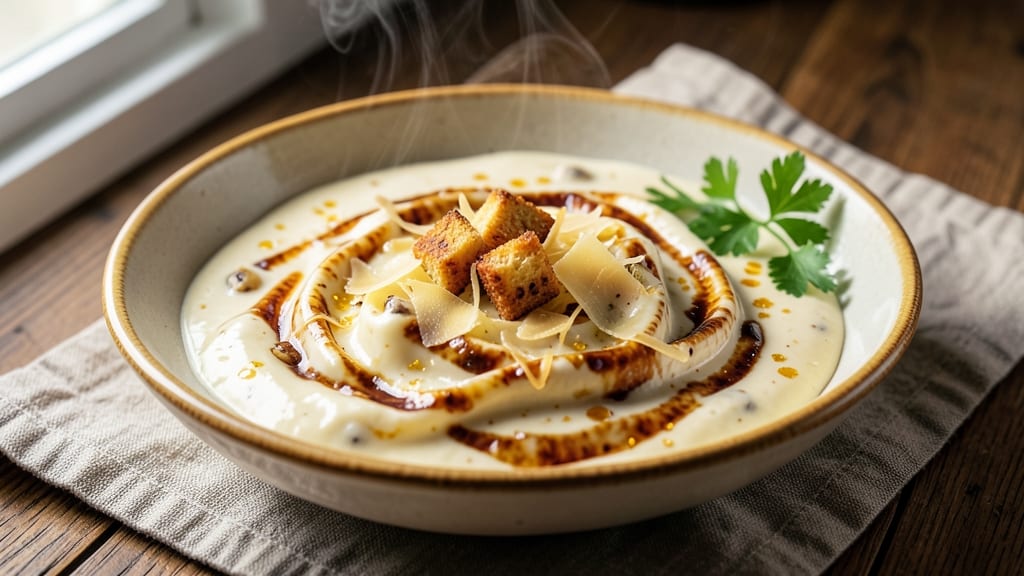
This Asiago garlic alfredo sauce recipe transforms everyday pasta nights into a restaurant-worthy experience with its nutty, aromatic depth. The secret lies in balancing rich Asiago cheese with fragrant garlic and a velvety cream base—no heavy cream required for a lighter yet equally luxurious result.
I developed this version after testing countless recipes, and the difference in flavor and texture is remarkable.
What sets this sauce apart is the emulsification technique that creates a silky, cling-coat consistency without lumps. A simple roux of butter and flour serves as the foundation, while freshly minced garlic and Asiago cheese infuse every spoonful with bold, nutty flavor.
The sauce thickens naturally as it simmers, resulting in a velvety texture that clings perfectly to fettuccine or grilled chicken.
Perfect for weeknight dinners or special occasions, this sauce delivers restaurant-quality results in just 20 minutes. The nutty Asiago adds complexity that sets it apart from traditional Parmesan-based versions, while the garlic provides a subtle aromatic punch.
Store leftovers in the refrigerator for up to 5 days, or freeze for longer storage—it reheats beautifully every time.
Serve this sauce over fettuccine, toss with grilled vegetables, or drizzle over roasted chicken for an elegant meal. The versatility makes it ideal for meal prep, and the rich flavor ensures every bite is satisfying. Let's get started on this creamy, flavorful masterpiece.
Ingredients for asiago garlic alfredo sauce
Nine essential ingredients create a restaurant-worthy alfredo with nutty Asiago depth and silky garlic aroma.
| Ingredient | Amount | Notes |
|---|---|---|
| Unsalted Butter 🧈 | ½ cup | Cold, cubed for roux formation |
| All-Purpose Flour 🌾 | ¼ cup | Diamond Crystal preferred |
| Asiago Cheese 🧀 | 1 ½ cups | Freshly grated, fine consistency |
| Garlic Cloves 🧄 | 6 cloves | Freshly minced, aromatic quality |
| Heavy Cream 🥛 | 1 cup | Full-fat for velvety texture |
| Whole Milk 🥛 | ½ cup | Warmed for smooth blending |
| Fresh Parsley 🌿 | ¼ cup | Finely chopped, bright flavor |
| Ground White Pepper 🌶️ | ½ tsp | Freshly ground for elegance |
| Kosher Salt 🧂 | 1 tsp | Diamond Crystal preferred |
| Lemon Juice 🍋 | 1 tbsp | Freshly squeezed, brightens flavor |
The Asiago cheese is non-negotiable for that signature nutty complexity—Whole Foods or specialty grocers carry the best blocks for grating. Freshly minced garlic (not jarred) elevates the aromatic profile dramatically. For the roux, European-style unsalted butter like Plugrá creates a richer base than standard American brands. The heavy cream should be full-fat for authentic texture, though half-and-half works in a pinch if you're watching calories. Diamond Crystal kosher salt is preferred for its fine grain and consistent flavor.
No Asiago? Parmigiano-Reggiano at a 1:1 ratio works but lacks the nutty depth. Substitute heavy cream with whole milk plus 2 tbsp cornstarch for a lighter version. Fresh parsley can be swapped for dried at 1/4 the amount, though it won't have the same brightness. The flour must be all-purpose, not cake flour—it needs the protein to create a proper roux. For a dairy-free version, cashew cream replaces both cream and milk, though texture will differ slightly. Always use freshly grated cheese to avoid clumping in the finished sauce.
Store finished sauce in an airtight container with a thin layer of olive oil on top to prevent skin formation. Keeps 5 days refrigerated or 3 months frozen. For meal prep, portion into ice cube trays before freezing—perfect for adding to dishes later. The sauce reheats beautifully, though adding a splash of milk or cream helps restore its velvety consistency if it thickens during storage. Always bring to a gentle simmer rather than boiling to preserve the delicate emulsification.
Why You'll Love This Recipe
- Here’s what sold me: this sauce reheats like a dream. Store it in the fridge for up to five days, and it’s still velvety smooth. Freeze half for lazy days, and just stir in a splash of milk when you’re ready. No lumps, no sadness. Just pure satisfaction.
- Five-Ingredient Magic: I swear by this recipe—just butter, flour, Asiago, garlic, and cream. That’s it. No fancy techniques, no hidden pantry items. The sauce comes together while you’re still debating whether to add mushrooms to your pasta.
- Umami Bomb: The Asiago alone makes this sauce sing, but add those roasted garlic cloves? It’s like someone cracked open a flavor vault. Rich, nutty, and just a little sharp—this isn’t your basic Alfredo. It’s the kind of sauce that makes you pause mid-bite.
- Weeknight Superstar: Between us, this is my go-to for busy nights. Toss it with fettuccine and broccoli for a meal that’s on the table in 25 minutes. Or drizzle it over grilled chicken or steak—suddenly, dinner feels special without the fuss.
Step-by-step instructions for Asiago garlic alfredo sauce
Master this velvety sauce with precise technique and aromatic depth.
Create a Golden Roux for Flavor Foundation
Melt the 0.5 cup unsalted butter in a medium saucepan over medium-low heat. Once fully melted, immediately whisk in the 0.25 cup all-purpose flour to form a smooth paste. This is your roux—the flavor backbone of the sauce.
Cook the roux for 3-4 minutes, stirring constantly with a wooden spoon, until it turns a rich, golden brown color. The transformation happens quickly—watch closely to avoid burning. You'll notice the aroma deepen as it develops nutty undertones from the flour's natural sugars caramelizing. This step is non-negotiable for building flavor depth in your sauce.
Infuse with Garlic and Warm the Milk
Reduce heat to low and immediately add the 6 minced garlic cloves, stirring vigorously for 1 minute until fragrant but not browned. Garlic burns in seconds—this is where attention matters most. While the garlic infuses, warm the 0.5 cup whole milk in a separate saucepan until steaming but not boiling.
Here's the thing—adding warm milk prevents the sauce from curdling later. Pour the warmed milk into the saucepan with the roux in a slow, steady stream while whisking continuously. The mixture will thicken noticeably as it comes together. This gradual incorporation creates a silky texture without lumps.
Build the Cheese Emulsion
Increase heat to medium-low and gradually whisk in the 1 cup heavy cream and 1.5 cups asiago cheese, adding the cheese in 4 equal additions with vigorous whisking between each. The sauce will thicken dramatically as the cheese melts—this is where patience pays off. If the sauce looks too thick, add 1-2 tablespoons of milk to reach your desired consistency.
I've found that adding the cheese gradually prevents clumping and ensures even melting. The asiago should dissolve completely, creating a luxurious, nutty flavor profile that sets this sauce apart from traditional parmesan versions. Continue cooking for 3-4 minutes until the sauce coats the back of a spoon smoothly.
Finish with Aromatics and Acid Balance
Remove from heat and stir in the 0.25 cup finely chopped parsley, 0.5 teaspoon ground white pepper, 1 teaspoon kosher salt, and 1 tablespoon lemon juice. The parsley adds freshness, the white pepper enhances elegance, and the lemon juice brightens the rich cheese flavors. Taste and adjust seasoning—you might need an extra pinch of salt or more lemon juice depending on your asiago's saltiness.
For the ultimate texture, strain the sauce through a fine-mesh sieve if you prefer a completely smooth finish. The sauce should be velvety, clinging to the back of a spoon with a glossy sheen. Serve immediately over hot pasta or hold at 160°F for up to 30 minutes if needed—just whisk vigorously before serving to restore its silky consistency.
Pro Tips For Making Asiago Garlic Alfredo Sauce
- Bloom the Flour: Whisk your flour and butter together over medium-low heat for 2-3 minutes until it smells nutty and turns a pale golden color—this isn’t just about thickening, it’s about flavor. I used to rush this step and wondered why my sauce tasted flat; patience here makes a real difference.
- Grate the Garlic: Skip the mincing—grate the garlic cloves directly into the pan with the butter. It melts faster, infuses the oil better, and you won’t end up with uneven bits that burn while the rest stays raw. Yes, it looks messy, but it works every time.
- Temper the Cheese: Lower the heat to low before adding the Asiago and heavy cream, or you’ll end up with a grainy, separated mess. I learned this the hard way after scrapping a batch that looked like scrambled eggs. Stir constantly and let it warm slowly.
- Use Cold Cream: Chill your heavy cream in the fridge for 10 minutes before adding it to the sauce—it’ll heat up faster and blend smoother without curdling. Sounds weird, but it’s the thing that guarantees a silky texture instead of a lumpy one.
Perfect pairings for this asiago garlic alfredo sauce
Pasta Pairings
This sauce clings beautifully to fettuccine or tagliatelle, but don’t limit yourself—linguine or pappardelle work equally well. For extra indulgence, toss with wild mushrooms sautéed in butter and garlic before adding the sauce.
I also love pairing it with grilled chicken breast or shrimp scampi for a protein-packed meal. 🍝
Protein Pairings
Grilled filet mignon or salmon becomes decadent when topped with this sauce—just drizzle generously and finish with fresh parsley. For a lighter option, try roasted chicken thighs or baked cod.
The nutty Asiago complements the richness of meats beautifully, while the garlic adds a subtle aromatic kick. I often serve it over mashed potatoes for a creamy, comforting dish.
Vegetable Pairings
Roasted broccolini or asparagus soak up the sauce perfectly, turning a simple side into a main dish. Sauté zucchini and bell peppers in olive oil before adding the sauce for a vibrant, vegetable-forward meal.
Even steamed green beans get an upgrade with this rich, velvety coating. The sauce’s creaminess balances the earthiness of vegetables beautifully. 🥦
Bread and Dips
Use leftover sauce as a garlic bread dip—simmer it with a splash of milk to loosen, then pour over toasted baguette slices or garlic bread. For a unique twist, spread it on crostini and top with prosciutto and roasted cherry tomatoes.
The sauce also makes an elegant dipping sauce for calamari or mussels, adding a luxurious touch to seafood dishes.
Breakfast Twist
Yes, really! This sauce transforms scrambled eggs or omelets into a gourmet breakfast. Simply fold a spoonful into fluffy eggs or drizzle it over biscuits and gravy for a Southern-inspired brunch. The nutty Asiago adds depth to morning meals, while the garlic keeps it savory.
I’ve even used it as a cheesy sauce for loaded baked potatoes—trust me, it’s a game-changer. 🍳
Nutrition facts
Frequently asked questions
Can I make this sauce without heavy cream?
Yes! For a lighter version, replace the heavy cream with 1 cup whole milk plus 2 tablespoons cornstarch. Simmer the milk with cornstarch for 2 minutes to thicken before adding to the roux. The texture will be slightly thinner but still velvety. For extra richness, add 1 tablespoon butter at the end. The sauce will still coat beautifully—just adjust seasoning as needed!
Why did my sauce turn grainy?
Graininess usually means the cheese didn't melt smoothly. To fix it, whisk vigorously over low heat while adding the cheese in small batches. If it's already grainy, strain the sauce through a fine-mesh sieve for a silky finish. For prevention, use freshly grated cheese (pre-shredded contains anti-caking agents that cause clumping) and keep heat gentle during the cheese addition.
How can I make this sauce spicier?
Add ½ teaspoon red pepper flakes or 1 teaspoon hot sauce at the end for heat. For depth, infuse the garlic with 1 sliced jalapeño (remove seeds for mild heat) while cooking the roux. Roast the garlic first for 10 minutes at 400°F to mellow its sharpness while adding smoky notes. Start with small amounts—you can always add more!
Can I freeze this sauce successfully?
Let the sauce cool completely, then portion into airtight containers or ice cube trays (great for single servings). Freeze for up to 3 months. To reheat, thaw in the fridge overnight, then warm gently on low heat while whisking constantly. Add a splash of milk or cream if it thickens too much—this restores its creamy texture perfectly.
What's the difference between Asiago and Parmesan in this sauce?
Asiago has a nutty, slightly sweet profile with less saltiness than Parmesan, creating a richer, more complex flavor. While Parmesan gives a sharp, umami taste, Asiago adds a buttery depth that pairs beautifully with garlic. For a hybrid version, use 1 cup Asiago + ½ cup Parmesan**—you'll notice the sauce becomes even more versatile for both creamy and tangy dishes!