
Sauces & Condiments
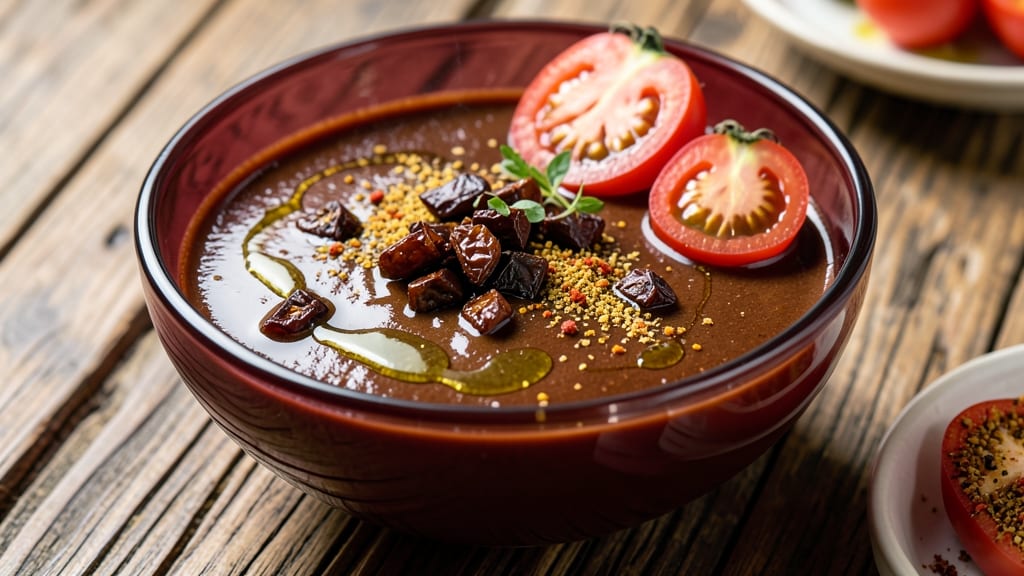
This ashu sauce recipe transforms smoky chipotle peppers and sun-ripened tomatoes into a bold, tangy condiment that bridges traditional Ethiopian flavors with modern heat.
The secret lies in fermenting the sauce for depth—where vinegar and garlic create a bright, complex zing that cuts through rich dishes like grilled meats or stews. I developed this version after years of experimenting with spice blends, balancing smokiness with just enough acidity to keep it vibrant.
The foundation starts with charred chipotle peppers and fresh tomatoes, blended into a smooth base before adding vinegar for that signature tang. A touch of garlic and onion powder enhances the umami, while a pinch of berbere spice (or smoked paprika) ties it to its Ethiopian roots.
The sauce thickens slightly as it ferments, creating a velvety texture that clings beautifully to proteins or vegetables.
What makes this sauce special is its versatility—use it as a marinade for chicken, a dipping sauce for injera, or a finishing touch on roasted vegetables. The smoky heat builds gradually, making it perfect for those who love depth without overwhelming spice.
Store it in the fridge for up to two weeks, where its flavors deepen over time.
For an extra layer of complexity, let the sauce sit overnight before using. The fermentation process unlocks richer notes, turning a simple blend into a restaurant-worthy condiment that elevates any dish. Ready to make it? Here’s everything you’ll need.
Ingredients for ashu sauce
Nine ingredients blend smoky heat, tangy vinegar, and Ethiopian spices into a versatile sauce.
| Ingredient | Amount | Notes |
|---|---|---|
| Chipotle Peppers in Adobo Sauce 🌶️ | 4 whole | Charred, stems and seeds removed |
| Fresh Tomatoes 🍅 | 2 cups | Sun-ripened, roughly chopped |
| White Vinegar 💧 | ½ cup | Distilled white preferred |
| Garlic Cloves 🧄 | 4 cloves | Fresh, peeled and minced |
| Onion Powder 🧅 | 1 tsp | For umami depth |
| Berbere Spice 🌶️ | 1 ½ tbsp | Traditional Ethiopian blend |
| Smoked Paprika 🌶️ | 1 tbsp | Substitute if berbere unavailable |
| Extra-Virgin Olive Oil 🫒 | ¼ cup | For richness and binding |
| Salt 🧂 | 1 tsp | Kosher or sea salt |
| Ground Black Pepper 🌶️ | ½ tsp | Freshly ground preferred |
The chipotle peppers are the heart of this sauce—charred and smoky, they give that signature depth. Grab the canned ones in adobo sauce from Latin markets or specialty stores—they're pre-charred and ready to go. Fresh tomatoes make all the difference (vibrant, ripe ones), but canned San Marzano tomatoes work in a pinch. For berbere spice, Ethiopian markets or online stores are your best bet, but smoked paprika gives a similar vibe if you can't find it. The vinegar needs to be white and distilled—avoid apple cider vinegar for this recipe, as it can overpower the delicate balance.
No berbere? Mix smoked paprika, cayenne, and coriander in a 1:1:1 ratio for a DIY version. Fresh garlic is ideal, but garlic powder at half the amount works if you're short on time. For a smoother texture, blend the tomatoes first before adding other ingredients. The sauce thickens as it ferments, so start with slightly less olive oil if you prefer it thinner. If you're sensitive to heat, reduce the smoked paprika to 1 teaspoon and add cayenne later to taste.
This sauce gets better with time—let it ferment overnight before using for maximum depth. Store in a clean glass jar in the fridge for up to 2 weeks. The flavors intensify as it sits, so don't be afraid to make extra. Freeze portions in ice cube trays for single-use servings. Label it well—this sauce is not your average condiment and deserves to be treated like a special ingredient.
Why You'll Love This Recipe
- No Chopping Chaos: I swear by this sauce because it’s literally three ingredients you blend—no dice, no sweat. Just toss fresh tomatoes, garlic, and a can of chipotles into the food processor, hit pulse, and you’re done. That smoky heat from the adobo? Instantly there, no prep skills required.
- Smoky Heat Magic: Between us, this sauce is ridiculously good because the chipotles in adobo bring that deep, smoky fire that lingers. The white vinegar cuts through it just enough to keep it bright, while the garlic and onion powder add this cozy, savory punch. It’s the kind of flavor that makes you go back for seconds without even trying.
- Taco Night Every Night: Honestly, I use this sauce on everything—tacos, grilled chicken, even scrambled eggs. The tangy-sweet tomato base plays so well with proteins, and the heat levels up any dish. It’s my go-to for weeknights when I’m too tired to think but still want something exciting.
- Leftovers That Don’t Let You Down: This sauce keeps perfectly in the fridge for a week, and it only gets better as the flavors meld. I make a big batch on Sundays, then drizzle it over leftovers for lunch—no waste, no fuss. Plus, the ingredients are cheap, so you’re not breaking the bank for that smoky kick.
Step-by-step instructions for ashu sauce: smoky chipotle-tomato fusion
This smoky, vibrant sauce comes together in minutes with bold flavors you'll want to drizzle everywhere.
Prepare the Chipotle Peppers
Remove the stems and seeds from the 4 whole chipotle peppers in adobo sauce. I like to use a small knife to carefully slice open each pepper lengthwise and scrape out the seeds and membranes—this removes the heat while keeping the smoky depth. Chop the cleaned peppers into small pieces, about ¼-inch chunks. Set them aside in a small bowl.
Here's the thing—those adobo sauce remnants are flavor gold. Don't waste them! Scrape out any leftover sauce from the can into your mixing bowl. You'll want about 2 tablespoons of that rich, tangy sauce to build your base. The adobo adds that perfect balance of smokiness and acidity that makes this sauce special.
Sauté the Garlic and Build the Base
Heat the ¼ cup extra-virgin olive oil in a medium saucepan over medium heat. Add the 4 cloves minced garlic cloves and sauté for 30-45 seconds until they're just fragrant—not browned. Watch closely; garlic burns quickly and turns bitter.
Next, add the chopped chipotle peppers and the scraped adobo sauce. Stir everything together and let it cook for 2 minutes until the peppers soften slightly. This step develops the smoky foundation of your sauce. I like to press the peppers gently with a wooden spoon to help release their oils and deepen the flavor.
Add Tomatoes and Vinegar
Pour in the 2 cups roughly chopped fresh tomatoes and the ½ cup white vinegar. Stir well to combine, then increase the heat to medium-high. Let the mixture simmer vigorously for 8-10 minutes until it thickens slightly and the tomatoes break down into a chunky consistency.
You'll notice the sauce starts to bubble and reduce. This is where the magic happens—the vinegar brightens the smoky flavors while the tomatoes add natural sweetness. If the sauce looks too thin after 8 minutes, simmer for another 2 minutes. You want it to coat the back of a spoon but still have a pleasant texture.
Incorporate Spices and Season
Reduce the heat to low and stir in the 1.5 tablespoons berbere spice, 1 tablespoon smoked paprika, 1 teaspoon onion powder, 1 teaspoon salt, and ½ teaspoon ground black pepper. Let the sauce simmer gently for 5 minutes, stirring occasionally, to allow all the spices to bloom and infuse.
Taste your sauce now—it should be complex with layers of smokiness, spice, and acidity. If it needs more depth, add another pinch of salt or a splash of vinegar. The berbere spice is what gives this sauce its unique character, so don't skip this step. If you can't find berbere, the smoked paprika will still give you that wonderful smoky warmth.
Finish and Adjust
Remove the sauce from heat and let it cool slightly for 5 minutes. Use an immersion blender to purée the sauce until smooth, or carefully transfer it to a blender and blend until completely smooth. The texture should be velvety with just the right body to cling to whatever you're drizzling it over.
Give your sauce one final taste and adjust the seasoning if needed. You might want to add a bit more salt, a splash of vinegar for brightness, or even a touch of honey if you'd like to balance the acidity. This sauce keeps well in the refrigerator for up to 1 week, so make extra—you'll want it on hand for all your favorite dishes!
Pro Tips For Making Ashu Sauce
- SIMMER LOW AND SLOW: That chipotle adobo sauce is packed with heat—if you boil it hard, the sauce will split and turn grainy. Keep the heat at a gentle simmer, just enough to see tiny bubbles breaking the surface. I learned this the hard way after making a chunky, sad sauce that looked like it lost a fight with a blender.
- PEEL AND SEED TOMATOES: Fresh tomatoes add brightness, but their skins and seeds can turn your sauce watery or bitter. Take 10 seconds to blanch them in boiling water, then ice bath, peel, and remove seeds. It’s a little extra work, but your sauce will stay smooth and focused—no one wants a watery chipotle-vinegar soup.
- MEASURE THE VINEGAR: White vinegar is acidic, and too much will make your sauce taste harsh. Start with 1 tablespoon per cup of sauce and adjust to taste. I used to eyeball it and end up with a sauce that tasted like a pickled chipotle bomb. A splash at the end lets you dial it in perfectly.
- BLEND THE ADOBO FIRST: Don’t just toss in whole chipotle peppers—they’ll leave chunks and uneven heat. Blend the adobo sauce with its liquid first, then strain out the seeds if you want milder heat. This ensures every spoonful has consistent flavor, not a surprise pepper bomb. (Yes, even if you love spice, your guests might not.)
Wine and beer pairings for this ashu sauce
Red Wine Pairings
A bold Syrah/Shiraz from the Rhône Valley or Australia is my go-to choice for this sauce. The wine’s dark fruit notes and peppery finish mirror the smoky chipotle and berbere spices beautifully. I recommend trying a 2018 Crozes-Hermitage—its earthy undertones complement the sauce’s depth without overpowering it.
The high acidity in the wine also cuts through the sauce’s richness, creating a perfect balance. 🍷
White Wine Options
For those who prefer white wine, a dry Riesling from Germany’s Mosel region offers a surprising match. The wine’s crisp acidity and hints of citrus brighten the sauce’s smoky flavors.
A 2019 Dr. Loosen Blue Slate with its mineral notes and slight sweetness provides an interesting contrast. Serve it slightly chilled to enhance the refreshing qualities. 🍷
Beer Pairings
A Mexican lager like Modelo Especial or Pacífico Clara works wonderfully with this sauce. The beer’s clean, crisp profile balances the heat and acidity beautifully. For craft beer lovers, a Belgian-style witbier with its citrus and coriander notes adds a refreshing twist.
Avoid heavy IPAs or stouts—they’ll clash with the sauce’s delicate balance. 🍺
Non-Alcoholic Choices
If you're avoiding alcohol, a sparkling water with lime is a fantastic choice. The effervescence cleanses your palate between bites, while the lime adds a zesty contrast. For something more substantial, try a ginger beer—its spicy kick complements the sauce’s heat.
I also love a cucumber-mint infused water for a refreshing, cooling contrast. 💧
Serving Temperature
Serve your wine or beer at 55-60°F for whites and 60-65°F for reds. Chill the beer slightly more if you prefer it crisp. The sauce itself should be served at room temperature or slightly warmed to enhance its aromatic qualities.
Trust me, the right temperature makes all the difference in bringing out the flavors. ✨
Nutrition facts
Frequently asked questions
What makes this ashu sauce different from other chipotle sauces?
This recipe blends Ethiopian berbere spice with traditional chipotle for a unique smoky-tangy profile. The white vinegar adds bright acidity that cuts through the richness, while the olive oil creates a velvety texture. Unlike basic chipotle sauces, it includes onion powder and berbere for complex layers of flavor that work beautifully with grilled meats or stews.
Can I make this sauce without berbere spice?
Yes! Mix 1 tablespoon smoked paprika, ½ teaspoon cayenne, and ½ teaspoon coriander for a DIY substitute. The berbere gives depth, but this blend delivers similar warmth and earthiness. For extra authenticity, add a pinch of fenugreek or cardamom if available. The sauce will still taste amazing—just slightly different.
How long does it take for the sauce to ferment?
The sauce develops best after 24 hours in the fridge, where flavors meld and thicken. For immediate use, it's ready after 1 hour, but the longer it sits, the richer it becomes. Store in an airtight container and let it ferment for up to 2 weeks—the acidity builds over time, creating a restaurant-quality condiment.
What are the best dishes to serve with this sauce?
This sauce shines on grilled chicken, lamb kebabs, or roasted vegetables. Use it as a marinade for 2-4 hours before cooking, or drizzle over injera flatbread for an Ethiopian-inspired meal. It also pairs perfectly with tacos, nachos, or even as a dipping sauce for fries. The smoky heat works surprisingly well with creamy dishes like mac and cheese too!
Why does my sauce look too thin?
Simmer it uncovered for an extra 5-10 minutes to reduce the liquid. If it's still too thin, mix 1 teaspoon cornstarch with 1 tablespoon water, stir into the sauce, and cook for 2 more minutes until thickened. Avoid over-blending—chunky textures add great depth to the flavor. The sauce should coat the back of a spoon but remain pourable.