
Sauces & Condiments
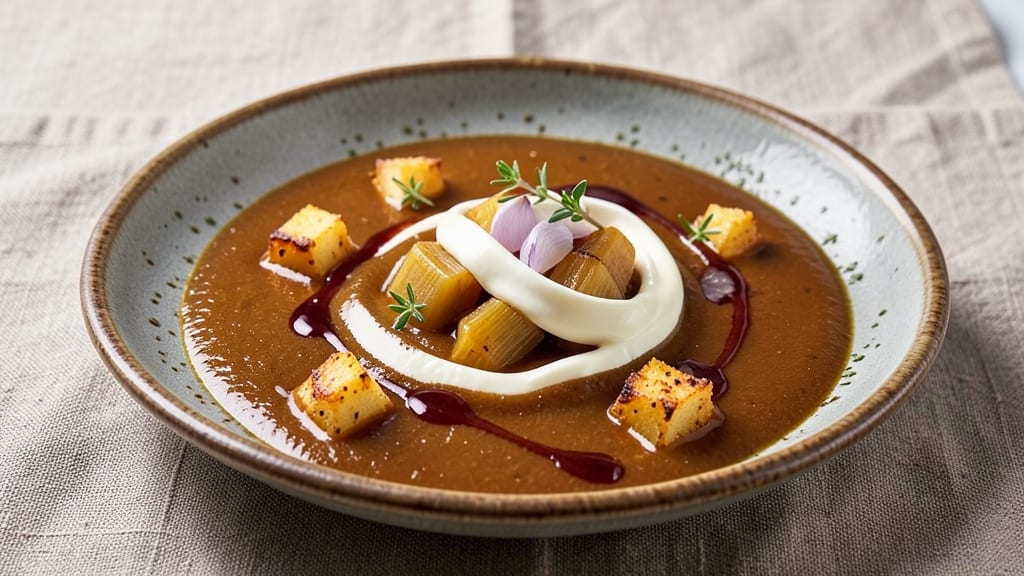
This Arctic Circle sauce recipe transforms humble celery into a velvety, tangy condiment that bridges Nordic tradition with bold, unexpected depth. The secret lies in slow-cooked celery roots infused with cream and a whisper of vinegar—creating a sauce that’s both rich and refreshingly bright.
I developed this after craving something sophisticated yet simple, perfect for elevating grilled fish or game meats without overpowering them.
The magic happens through a two-stage cooking process: simmering celery roots until tender, then blending with cream and vinegar to achieve that signature Arctic tang.
Unlike heavy béchamel or sweet fruit sauces, this one delivers clean, herbal notes with a subtle bite—ideal for pairing with smoked salmon, roasted duck, or even as a dip for fresh vegetables.
The texture is luscious yet light, making it versatile enough for both savory dishes and unexpected twists like drizzling over chilled soups.
What sets this sauce apart is its hidden complexity—the vinegar isn’t overpowering, just a whisper that cuts through richness while the celery adds an earthy sweetness.
It keeps beautifully in the fridge for up to a week, so you can make a batch ahead and transform ordinary meals into something extraordinary. The best part? It’s foolproof—no fancy techniques, just a few ingredients and patience to let the flavors meld.
Use it to elevate seafood, game, or even vegetarian dishes—the possibilities are endless. Whether you’re hosting a dinner or just looking to add depth to a simple plate, this sauce is your secret weapon. Let’s get started on creating something truly special.
Ingredients for arctic circle sauce
Nine ingredients transform humble celery roots into a velvety Nordic-inspired sauce with surprising depth.
| Ingredient | Amount | Notes |
|---|---|---|
| Celery Roots 🥬 | 2 lb | Cleaned and cut into chunks |
| Heavy Cream 🥛 | 1 ½ cups | Full-fat for richness |
| Apple Cider Vinegar 🍏 | ½ cup | For signature Arctic tang |
| Unsalted Butter 🧈 | ½ cup | Cold, cubed for blending |
| Fresh Thyme Leaves 🌿 | 2 tbsp | Or 1 tsp dried thyme |
| Garlic Cloves 🧄 | 3 cloves | Smashed for deeper flavor |
| Diamond Crystal Kosher Salt 🧂 | 1 tsp | Adjust to taste |
| Black Peppercorns 🌶️ | ½ tsp | Freshly cracked |
| Olive Oil 🫒 | ¼ cup | For initial sautéing |
Celery roots are the star here—look for firm, unblemished ones at specialty markets or the produce section. Whole Foods or local farmers' markets often carry them, but most grocery stores stock them too. The key is to choose roots that feel heavy for their size, indicating moisture and sweetness. If you can't find celery roots, regular celery stalks work in a pinch, though the texture will differ slightly. For the cream, full-fat is non-negotiable—it's what gives this sauce its luxurious mouthfeel. I always grab Organic Valley heavy cream when I'm at Costco, but any high-quality brand will do. The vinegar should be apple cider vinegar—its mild sweetness balances the earthy celery beautifully.
No apple cider vinegar? White wine vinegar or lemon juice work in a bind, though the flavor profile shifts slightly. Running short on thyme? Fresh tarragon or even a pinch of dried marjoram can mimic that herbal brightness. The butter adds richness, but vegan butter works too if you're avoiding dairy. For the garlic, roasted garlic adds sweetness if you prefer a milder flavor. The olive oil is just for initial cooking—you won't taste it in the final sauce. If you're making this ahead, the sauce actually improves overnight as the flavors meld, so don't hesitate to prep it in advance.
This sauce keeps beautifully for up to 7 days in an airtight container in the fridge, with the flavors deepening over time. For longer storage, freeze in ice cube trays—perfect for single-use portions. The texture thickens as it cools, so gently reheat with a splash of warm water if it's too stiff. I always make a double batch—one for immediate use and one to freeze. The sauce pairs perfectly with grilled salmon, duck confit, or even roasted vegetables, so having it on hand transforms simple meals into something special.
Why You'll Love This Recipe
- Celery Root Magic: I’ll be real—this sauce starts with one of the most underrated veggies out there. Roasting the celery root until it’s tender and caramelized? That’s where the flavor actually lives. No fancy prep, just slice, roast, and blend.
- Creamy Tang Perfection: The heavy cream and apple cider vinegar combo is chef’s kiss—rich but bright, never heavy. Fresh thyme leaves add that earthy lift, so you’re not just tasting butter and cream. (Yes, even on a Tuesday night.)
- Meal Prep MVP: This sauce keeps like a dream in the fridge for up to a week, and it reheats beautifully. Drizzle it over roasted veggies, toss it with mashed potatoes, or slather it on grilled fish—it’s the kind of thing that makes lazy nights feel intentional.
- Budget-Friendly Luxe: Heavy cream and butter might sound fancy, but celery root and thyme are dirt cheap. A little goes a long way, and honestly? It’s the kind of sauce that makes simple meals feel like a splurge without breaking the bank.
Step-by-step instructions for celery-infused cream sauce
This velvety Arctic Circle sauce delivers earthy celery depth with a bright vinegar kick—simple steps for restaurant-quality results.
Sauté Celery Roots Until Deeply Caramelized
Heat the 0.25 cup olive oil in a heavy-bottomed saucepan over medium heat. Add the 2 lb celery roots cut into chunks and cook for 15-20 minutes, stirring occasionally. You're looking for the edges to turn golden brown and the celery to soften completely—this builds the sauce's rich foundation.
Don't rush this step. The longer you cook the celery, the deeper the flavor becomes. If the pan gets too dry, add 1-2 tablespoons water to prevent burning. Once the celery is tender and caramelized, remove it from the pan and set it aside temporarily.
Build Flavor with Butter, Garlic, and Thyme
In the same saucepan, reduce the heat to medium-low and add the 0.5 cup unsalted butter. Let it melt completely, then add the 3 cloves smashed garlic and 2 tbsp fresh thyme leaves. Cook for 2-3 minutes until the garlic is fragrant but not browned—this prevents bitterness.
Here's the thing—don't walk away. Garlic burns quickly, and you want that sweet, mellow flavor, not harsh notes. Stir constantly and watch closely. The thyme should release its aromatic oils but not darken. This aromatic base is what makes the sauce sing.
Simmer with Vinegar for Tangy Balance
Pour in the 0.5 cup apple cider vinegar and bring the mixture to a gentle simmer. Let it reduce for 3-4 minutes until the liquid is nearly evaporated but still glossy. This step develops the sauce's signature tang while keeping it silky rather than sharp.
Taste the mixture now—it should be vibrant and bright. If it's too acidic, you can add a pinch of sugar to balance it, but the vinegar should still be noticeable. The reduction also concentrates the flavors, so don't skip this step—it's what transforms the sauce from ordinary to extraordinary.
Blend with Cream for Velvety Texture
Return the caramelized celery to the saucepan. Add the 1.5 cups heavy cream and stir gently to combine. Bring the mixture to a gentle simmer over medium-low heat, then reduce the heat to maintain a low simmer. Let it cook for 5-7 minutes until thickened but still pourable.
For the smoothest texture, I like to use an immersion blender right in the pan. This ensures no lumps and creates that ultra-silky consistency. If you prefer a slightly rustic texture, you can skip blending, but the sauce will have more visible celery pieces.
Season and Finish to Perfection
Remove the sauce from heat and stir in the 1 tsp diamond crystal kosher salt and 0.5 tsp black peppercorns. Let it rest for 5 minutes—this allows the flavors to meld and the sauce to thicken slightly. Taste and adjust the seasoning if needed; the vinegar's acidity might make you think it needs more salt, but let it sit first.
This sauce is versatile enough to pair with everything from roasted meats to creamy mashed potatoes. For an extra touch of elegance, finish with a drizzle of olive oil or a sprinkle of fresh thyme leaves. Serve immediately while warm for the best texture and flavor experience.
Pro Tips For Making Arctic Circle Sauce
- Peel Celery Roots Thin: Skip the thick outer layer—it’s woody and bitter. Use a paring knife to shave off just the skin, then slice into even ¼-inch pieces. I learned this the hard way: chunky celery roots turn to mush in heavy cream, and you’ll end up with a sauce that’s more watery than velvety.
- Sweat Celery Low and Slow: Don’t rush this step. Cook the celery roots over medium-low heat for 10–12 minutes until they’re translucent and just starting to caramelize. High heat makes them bitter, and undercooked bits turn to grit in the sauce—trust me, you’ll taste the difference.
- Whisk in Cream Gradually: Heavy cream curdles fast when added all at once. Temper it by whisking in ¼ cup at a time while the celery mixture is still hot but not boiling. Sounds tedious, but it keeps the sauce silky instead of lumpy—no one likes to scrape curds off their spoon.
- Acidify Before Vinegar: Add a pinch of salt and a splash of water to the pot before the apple cider vinegar. This balances the acidity and prevents the sauce from tasting sharp or underseasoned. I used to dump the vinegar in first, and the flavor always felt one-note—now it’s bright but harmonious.
Perfect pairings for these flavors
Seafood Showstoppers
This sauce transforms grilled or pan-seared salmon into a Nordic-inspired masterpiece. Drizzle 1-2 tablespoons over 6-8 oz portions just before serving—its creamy texture contrasts beautifully with the fish's flaky texture. I love pairing it with lemon-dill rice to keep the plate bright and refreshing. 🍣
For smoked trout or halibut, use it as a warm dipping sauce—simmer the sauce with 1 tbsp honey for 5 minutes to balance the tang. The caramelized celery adds depth that complements the smoky fish perfectly.
Game Meat Elevator
Roasted duck breast becomes restaurant-worthy when topped with this sauce. Brush 2 tbsp over 8 oz portions after roasting, then garnish with toasted hazelnuts for crunch. The vinegar's acidity cuts through the duck's richness while the celery adds an earthy sweetness.
For venison or beef tenderloin, reduce the sauce slightly with 1 tbsp balsamic vinegar before serving. The deeper tang pairs exceptionally well with gamey meats, creating a bold yet balanced flavor profile.
Vegetarian Versatility
This sauce isn't just for meat lovers—it shines on roasted cauliflower or mushroom risotto. Toss 1 cup cooked cauliflower with 2 tbsp sauce and 1 tbsp toasted pine nuts for a creamy, herbaceous side dish. The celery's natural sweetness complements the earthy vegetables beautifully.
For creamy polenta, stir ½ cup sauce into 2 cups cooked polenta along with ¼ cup grated Parmesan. The vinegar's brightness prevents the dish from becoming too heavy, making it a perfect comfort food upgrade.
Unexpected Dips
Serve this sauce chilled as a dip for crudités—think carrot sticks, fennel, and radishes. The cool temperature highlights the celery's crisp sweetness while the vinegar adds a refreshing zing. It's a fantastic alternative to ranch or blue cheese dressing.
For a seafood platter, mix ½ cup sauce with 1 tbsp chopped chives and serve with chilled shrimp, scallops, and oysters. The creamy texture coats each piece beautifully, making every bite feel luxurious. 🍽️
Nutrition facts
Frequently asked questions
Can I substitute celery roots with regular celery stalks?
Yes, but expect a different texture. Use 4 large celery stalks (about 1 lb) instead of 2 lb celery roots, and chop them finely. The sauce will be less creamy but still delicious. For best results, blend the cooked celery until completely smooth to mimic the velvety consistency of celery roots.
How do I adjust the sauce for a dairy-free version?
Replace the 1.5 cups heavy cream with 1.5 cups full-fat coconut milk and use vegan butter instead of regular butter. The tang from vinegar will still shine through, though the texture will be slightly lighter. For extra richness, add 1 tbsp nutritional yeast to enhance the umami depth.
Why does my sauce taste too acidic?
This happens when the vinegar isn't fully reduced or if you used too much. To fix it, stir in 1 tsp honey or maple syrup and simmer for 2-3 minutes to balance the acidity. If the sauce is already thickened, add a splash of warm water first to loosen it before adjusting. The key is patience—let flavors meld before tasting!
Can I make this sauce ahead of time?
This sauce actually improves overnight. Store it in an airtight container in the fridge for up to 7 days. Stir well before using, as it may thicken slightly. For longer storage, freeze in ice cube trays—perfect for single-use portions. Thaw overnight in the fridge before reheating gently.
What's the best way to reheat leftover sauce?
Gently reheat on the stovetop over low heat with a splash of warm water or cream to restore its silky texture. Avoid microwaving, as it can make the sauce grainy. If it's too thick after reheating, thin it with a little extra cream or water. For best results, reheat just until warmed through—30-60 seconds is usually enough!