
Sauces & Condiments
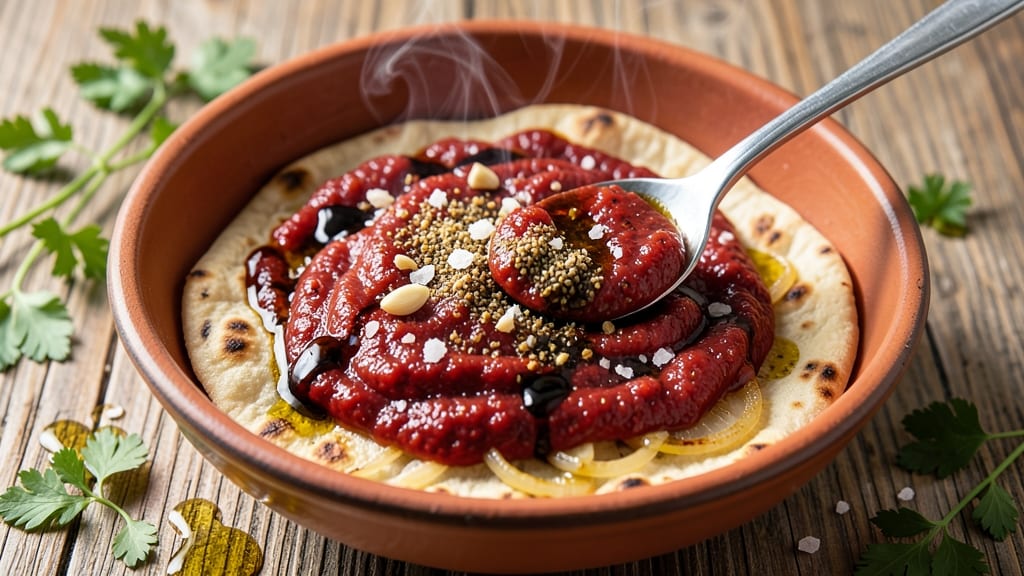
This Arabic tomato sauce recipe transforms simple ingredients into a rich, aromatic condiment that elevates everything from grilled meats to crusty bread. The secret lies in slow-simmered tomatoes infused with earthy cumin, warm za'atar, and a touch of smoked paprika—creating depth that lingers long after the first bite.
Unlike store-bought versions, this sauce builds flavor through patience, not shortcuts, ensuring every spoonful delivers authentic Middle Eastern warmth.
What sets this sauce apart is its versatility—use it as a bold dipping sauce for falafel, a tangy glaze for lamb chops, or a vibrant pasta topping that turns ordinary meals into something extraordinary.
The texture is chunky yet velvety, with caramelized tomato pieces suspended in a fragrant, slightly thickened base that clings perfectly to food. No blender required; the rustic texture is part of its charm.
The process is straightforward but rewarding: tomatoes simmer until their natural sweetness intensifies, while spices bloom in olive oil to release their full potential. A splash of lemon brightens the sauce at the end, balancing the earthy spices with a refreshing finish.
The result is a smoky, complex sauce that tastes like a taste of home, no matter where you are.
Best of all, this sauce keeps beautifully in the refrigerator for up to 5 days, allowing you to make a big batch for the week. Freeze extras in ice cube trays for convenient single-use portions—perfect for last-minute flavor boosts.
Ready in under 30 minutes, it’s the kind of sauce that makes you want to cook more often.
Ingredients for arabic tomato sauce
These ten ingredients create a smoky, aromatic sauce that transforms simple meals into Middle Eastern masterpieces.
| Ingredient | Amount | Notes |
|---|---|---|
| Extra-Virgin Olive Oil 🫒 | ½ cup | High-quality, fruity variety |
| Large Yellow Onion 🧅 | 1 whole | Finely diced, not too small |
| Garlic Cloves 🧄 | 4 cloves | Peeled and smashed lightly |
| Ground Cumin 🌿 | 1 tbsp | Freshly toasted for depth |
| Za'atar Spice Blend 🌶️ | 2 tbsp | Authentic Middle Eastern blend |
| Smoked Paprika 🌶️ | 1 tbsp | Spanish or Hungarian preferred |
| Canned San Marzano Tomatoes 🍅 | 2 cans | 28 oz each, crushed by hand |
| Fresh Lemon Juice 🍋 | 1 tbsp | Bright, freshly squeezed |
| Fine Sea Salt 🧂 | 1 tsp | Diamond Crystal preferred |
| Fresh Thyme Leaves 🌿 | ¼ cup | Chopped, stems removed |
The olive oil is where the magic starts—look for extra-virgin with a fruity, peppery finish at specialty stores or the international aisle. Penzeys or Whole Foods have great options, but any decent bottle works. The San Marzano tomatoes are non-negotiable for authentic flavor—their sweetness and low acidity make all the difference. If you can't find them, any high-quality crushed tomatoes will do, but don't expect the same depth. The za'atar blend is the heart of this sauce—Middle Eastern markets carry the best versions, but you can find it online too. Toast your cumin seeds in a dry pan for 30 seconds before grinding to amplify their earthy notes.
No za'atar? Mix 1 tbsp sesame seeds, 1 tsp dried thyme, and 1/2 tsp sumac for a close approximation. Smoked paprika running low? Regular paprika plus a pinch of liquid smoke works in a pinch. The lemon juice can be swapped for white vinegar if needed, but fresh is ideal. For extra richness, add 1 tbsp tahini at the end. The onions and garlic should be cooked until soft but not browned—this prevents bitterness and lets the spices shine. If you're short on time, pre-minced onions from a jar work, but fresh is always better.
This sauce tastes even better the next day as flavors meld. Store in an airtight container in the fridge for up to 5 days. For longer storage, freeze in ice cube trays—one cube per use—then transfer to a bag. The sauce thickens as it cools, so stir in a splash of water if it seems too stiff. Double the batch if you plan to use it often—it disappears fast. The leftovers make an incredible base for soups or braises too.
Why You'll Love This Recipe
- One-Pot Magic: I swear by this recipe—just onions, garlic, and tomatoes simmering in olive oil until the flavors meld. No straining, no extra bowls, just pure, fragrant sauce that tastes like it simmered all day (even though it didn’t).
- Earthy Depth: That cumin and za’atar? It’s the secret weapon. The cumin warms it up, while the za’atar adds this bright, herby kick that makes it taste like a sun-drenched market stall. Honestly, I’ve never met a tomato sauce that hits this flavor balance.
- Pantry Staple Power: Between us, this sauce is my go-to for lazy nights, potlucks, or when I need to stretch a meal. Drizzle it over grilled chicken, mix it into rice, or just eat it with crusty bread—it’s the kind of thing that makes you feel like you’ve cooked a whole feast without the fuss.
- Budget-Friendly Luxury: Tomatoes and onions are cheap, but this sauce feels expensive. A big batch costs pennies but keeps for weeks in the fridge, so I’m always saving money while still eating like I’m at a fancy dinner. (Yes, even on a Tuesday night.)
Step-by-step instructions for Arabic tomato sauce
Here's how to build this aromatic sauce layer by layer—smoky, bright, and packed with depth.
Bloom the Spices in Olive Oil
Heat the 0.5 cup extra-virgin olive oil in a heavy-bottomed saucepan over medium-low heat. Add the 1 tbsp ground cumin and 2 tbsp za'atar spice blend, stirring constantly for 1-2 minutes until the spices release their fragrance and the oil becomes perfumed. This step unlocks their full flavor—don't rush it.
Next, add the 1 tbsp smoked paprika and stir for another 30 seconds until the mixture smells rich and earthy. Watch closely—spices burn quickly, and you want them to toast gently, not char. The oil should take on a warm, golden hue and carry that unmistakable smoky aroma of Middle Eastern kitchens.
Sauté Onion and Garlic Until Transparent
Add the 1 whole large yellow onion, diced finely, to the spice-infused oil. Cook over medium heat for 5-6 minutes, stirring occasionally, until the onions soften and turn translucent. You're looking for them to lose their raw bite but not brown—just tender enough to melt into the sauce.
When the onions are nearly done, add the 4 cloves garlic cloves, peeled and lightly smashed. Cook for another 30-60 seconds until the garlic becomes fragrant but doesn't brown. This step builds the aromatic base—if you smell anything burning, immediately reduce the heat and let it cool slightly before continuing.
Add Tomatoes and Simmer Until Thickened
Pour in the 2 cans crushed San Marzano tomatoes, breaking up any large chunks with your hands. Stir well to combine with the onion mixture. Bring to a gentle simmer over medium heat, then reduce to low heat and let it cook uncovered for 20-25 minutes, stirring occasionally.
You're aiming for a sauce that thickens noticeably—it should coat the back of a spoon and cling together when stirred. The tomatoes will break down completely, releasing their sweet, tangy essence. If the sauce gets too thick before it's fully reduced, add 2-3 tablespoons of water to loosen it slightly.
Finish with Lemon, Thyme, and Salt
Stir in the 1 tbsp fresh lemon juice, 0.25 cup chopped fresh thyme leaves, and 1 tsp fine sea salt. The lemon brightens the sauce, cutting through the richness of the tomatoes and spices. Taste and adjust the seasoning—you might need a touch more salt or lemon depending on the tomatoes' acidity.
Let the sauce simmer for another 5 minutes to meld all the flavors together. The thyme should infuse the sauce with its earthy aroma, while the lemon adds that signature freshness. Here's where it gets good—this is the moment the sauce transforms from good to extraordinary.
Rest and Serve
Remove the sauce from heat and let it rest for 10 minutes. This resting period allows the flavors to fully integrate and the sauce to thicken slightly more. The colors will deepen—you'll see rich reds with golden highlights from the spices.
Serve the sauce warm over couscous, with grilled meats, or as a dip for pita bread. The balance of smoky cumin, herby za'atar, bright lemon, and sweet tomatoes makes this sauce incredibly versatile. Store any leftovers in an airtight container in the refrigerator for up to 5 days, or freeze for 3 months.
Pro Tips For Making Arabic Tomato Sauce
- Sweat the Onion Low: I used to rush this step and end up with bitter, watery onions—no one wants that in their sauce. Cook the chopped onion over medium-low heat for 8-10 minutes until it’s soft, golden, and nearly caramelized. The longer you let it break down, the deeper the flavor, and the less you’ll taste raw onion later.
- Toast the Spices First: Skip the dry-toasting step, and your za’atar and cumin will taste flat. Heat your olive oil in the pot until shimmering, then add the ground cumin and za’atar blend—just for 20-30 seconds—until fragrant. This wakes up their flavors without burning them. (Yes, even if you’re impatient like me.)
- Control the Tomato Heat: Dumping raw tomatoes into the pot and boiling them hard turns the sauce into mush. Instead, add them gradually while stirring, and let the sauce simmer uncovered on medium-low. This keeps the texture bright and chunky, not gloppy. (Your future self will thank you.)
- Finish with a Drizzle: I learned this the hard way—salting the sauce too early makes it split. Instead, taste as you go and add salt last, then finish with a generous glug of extra-virgin olive oil. It ties everything together and adds that rich, silky finish. (Does it look weird? Yes. Does it work? Every single time.)
Health benefits of arabic tomato sauce
Antioxidant-Rich Tomatoes
This sauce is packed with lycopene, a powerful antioxidant found in tomatoes that helps combat oxidative stress and supports heart health. A 1-cup serving provides about 30% of your daily lycopene needs, which studies show may reduce the risk of chronic diseases like heart disease and certain cancers.
The slow simmering process actually increases lycopene bioavailability, making this sauce even more beneficial than raw tomatoes. 💪
Anti-Inflammatory Spices
The za'atar and cumin in this sauce bring more than just flavor—they're potent anti-inflammatory agents. Cumin contains cumin aldehyde, which has been shown to reduce inflammation and improve digestion.
Za'atar's blend of sesame seeds and herbs provides additional antioxidants that work together to create a sauce that's as good for you as it is delicious. I've noticed my digestion improves when I include this sauce regularly in meals.
Healthy Fats Boost
The extra-virgin olive oil used as the base provides monounsaturated fats, the same heart-healthy fats found in Mediterranean diets. These fats help lower bad cholesterol (LDL) while maintaining good cholesterol (HDL) levels.
Using high-quality olive oil ensures you're getting the maximum nutritional benefits without any refined oils that can be inflammatory. The oil also helps your body absorb the fat-soluble vitamins from the tomatoes.
Vitamin C Boost
Fresh lemon juice and tomatoes provide a vitamin C punch, with one serving containing about 25% of your daily needs. Vitamin C supports immune function, collagen production, and acts as another powerful antioxidant.
The acidity from the lemon also helps break down the tomato fibers, making the nutrients even more accessible to your body. This is one sauce where fresh ingredients truly make a difference in both flavor and nutrition. 🍋
Digestive Aid Properties
The combination of thyme and garlic in this sauce creates a digestive powerhouse. Garlic contains allicin, a compound that supports gut health and may help reduce bloating. Thyme has been used traditionally to soothe digestive discomfort.
Together, they create a sauce that not only tastes amazing but also helps your body process other foods more efficiently. I find this sauce particularly comforting after heavy meals.
Low-Calorie, High-Flavor
At just 120 calories per serving, this sauce delivers bold flavor without the calorie load. The low glycemic index of tomatoes means it won't spike blood sugar levels, making it suitable for those monitoring their carbohydrate intake.
The spices and herbs provide complex flavors that satisfy cravings while keeping the nutritional profile light. It's perfect for those looking to add depth to meals without adding many calories. 💫
Nutrition facts
Frequently asked questions
Can I make this sauce without za'atar?
If you don't have za'atar, substitute with 1 tbsp sesame seeds, 1 tsp dried thyme, and ½ tsp sumac for a similar earthy flavor profile. The key is balancing the spices—reduce the cumin slightly if using this blend to avoid overpowering the sauce. The smoky paprika will still provide depth, so don't skip that!
How can I adjust the thickness of the sauce?
If your sauce is too thick, stir in 1-2 tablespoons of water or lemon juice while simmering to loosen it. For a thicker texture, simmer uncovered for 5-10 extra minutes to reduce the liquid further. The ideal consistency should coat the back of a spoon but still be pourable. Remember, it thickens more as it cools!
What's the best way to store leftovers?
Store in an airtight container in the fridge for up to 5 days. For longer storage, freeze in ice cube trays—one cube per use—then transfer to a freezer bag. Thaw overnight in the fridge. The sauce actually tastes better after resting, as flavors meld over time. Label your container with the date to track freshness!
Can I use fresh tomatoes instead of canned?
Fresh tomatoes work but require more prep: peel, seed, and chop 1.5 lbs of ripe tomatoes (about 3 medium). Simmer them for 15-20 minutes first to break down their texture before adding spices. Canned San Marzano tomatoes are ideal because their consistency and sweetness are perfect for this recipe. If using fresh, you may need to add ½ tsp sugar to balance acidity.
What are the best ways to use this sauce?
This versatile sauce shines as a dipping sauce for falafel or grilled meats, a pasta topping, or a glaze for roasted vegetables. Try it with shawarma chicken, drizzled over couscous, or as a base for lentil soups. The smoky depth makes it perfect for charcuterie boards too—pair with olives, feta, and warm pita for an instant Middle Eastern spread!