
Sauces & Condiments
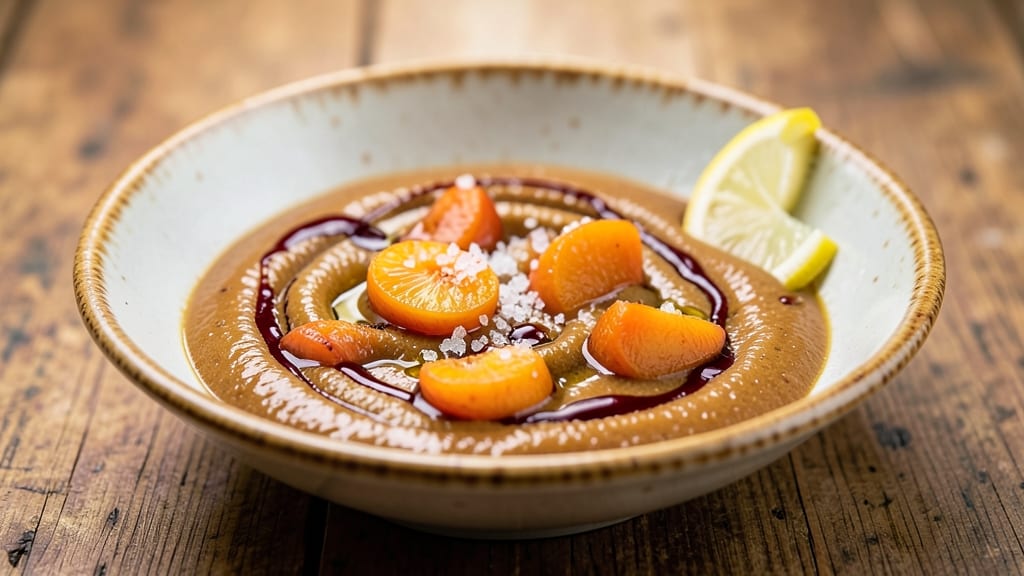
This apricot mustard sauce recipe transforms simple ingredients into a velvety, sweet-tangy glaze that elevates grilled meats and roasted vegetables. The perfect harmony of caramelized apricots and sharp mustard creates a sauce that’s rich yet balanced, with just enough acidity to cut through richness.
It’s the kind of condiment that turns ordinary dishes into something extraordinary—think juicy pork chops or honey-glazed carrots with an unexpected depth.
The secret lies in simmering fresh or frozen apricots until they break down into a luscious purée, then blending them with Dijon mustard, a touch of vinegar, and just enough sugar to enhance—not overpower—the natural fruit sweetness.
This sauce isn’t just for dipping; it works as a marinade, a drizzle, or even a tangy dressing for salads. The texture is silky, the flavor complex, and the versatility makes it a pantry staple.
What you’ll end up with is a sauce that’s sweet, tangy, and umami-rich, with a glossy finish that clings beautifully to proteins and vegetables. It’s the kind of recipe that feels like a restaurant secret—easy to make but impossible to replicate with store-bought versions.
The best part? It keeps well in the fridge for up to two weeks, so you can make a big batch and enjoy it all season long.
Whether you’re grilling, roasting, or simply looking for a flavorful upgrade, this apricot mustard sauce delivers. Let’s get started—your taste buds will thank you.
Ingredients for apricot mustard sauce
Nine simple ingredients create a sauce that’s silky, tangy, and full of restaurant-quality depth.
| Ingredient | Amount | Notes |
|---|---|---|
| Fresh Apricots 🍑 | 1 lb | Pitted, halved, or frozen |
| Dijon Mustard 🌶️ | ½ cup | High-quality, smooth variety |
| Balsamic Vinegar 🍷 | ¼ cup | Aged, deep flavor preferred |
| Granulated Sugar 🍚 | ¼ cup | Light brown sugar for depth |
| Extra-Virgin Olive Oil 🫒 | ¼ cup | For richness and gloss |
| Fresh Lemon Juice 🍋 | 2 tbsp | Brightens the sauce |
| Garlic Cloves 🧄 | 2 cloves | Minced, for umami depth |
| Salt 🧂 | ½ tsp | Diamond Crystal preferred |
| Black Pepper 🌶️ | ¼ tsp | Freshly ground for heat |
| Water 💧 | ¼ cup | For thinning if needed |
Fresh apricots are the heart of this sauce—frozen work just as well and save you summer prep time. Look for ripe, plump apricots at the store; they’ll break down beautifully into a velvety purée. If using fresh, halve and pit them before cooking. For mustard, Dijon is non-negotiable—it brings that sharp, complex tang that balances the sweetness. I always grab mine from Whole Foods or Trader Joe’s—their Dijon is consistently smooth and flavorful. The balsamic vinegar should be aged at least 10 years for that deep, caramelized note that elevates everything.
No fresh apricots? Canned apricot preserves in a pinch—just drain the syrup and use the fruit. Short on Dijon? Whole-grain mustard thinned with a splash of vinegar works in a bind, though it’ll be slightly coarser. The sugar can be swapped for honey or maple syrup, but adjust to taste—you want to enhance, not overpower, the apricot’s natural sweetness. For olive oil, avoid the cheap stuff—look for California extra-virgin with a fruity, peppery finish. The garlic? Toast the cloves in olive oil for 30 seconds before mincing—it deepens the flavor without bitterness.
This sauce keeps beautifully in the fridge for up to two weeks when stored in an airtight jar. For longer storage, portion into ice cube trays, freeze, then transfer to a bag—perfect for quick drizzles later. The texture thickens as it cools, so add a splash of water or vinegar if it’s too stiff when reheating. Trust me, a jar of this in your pantry means you’re always ready to elevate grilled chicken, roasted carrots, or even a simple salad with a tangy twist.
Why You'll Love This Recipe
- Few Ingredients, Big Payoff: I swear by this combo—just five things, no fancy prep. Peel and chop apricots (or use jarred if you’re really tired), mix with mustard and vinegar, and simmer until it’s glossy. That’s it. No stress, no mess.
- Sweet-Savory Magic: The mustard cuts through the apricot’s jammy richness while balsamic deepens it into something sophisticated. Honestly, it’s the kind of sauce that makes you pause mid-bite—like a fancy restaurant trick you’d never guess was this easy.
- Dresses Up Anything: Slather it on grilled chicken for dinner, drizzle it over yogurt for breakfast, or toss it with roasted veggies. I’ve even used it as a glaze for pork chops—once, at a BBQ, and my uncle asked for the recipe. (He’s not usually impressed.)
- Makes Leftovers Worth It: This sauce thickens beautifully when refrigerated, so you’ll have extra for toast, ice cream, or even a quick weeknight salad. Between us, I’ve had it last five days in my fridge, and it’s still delicious—proof it’s worth doubling the batch.
Step-by-step instructions for apricot mustard sauce
Here's how to balance sweet and tangy flavors for a versatile sauce that elevates everything from grilled meats to roasted vegetables.
Prepare the Apricots for Cooking
Start by pitting the 1 lb fresh apricots and cutting them into quarters. If using frozen apricots, there's no need to thaw them first—they'll release their juices beautifully during cooking. Place them in a medium saucepan and add the 0.25 cup granulated sugar and 0.25 cup balsamic vinegar. Stir gently to combine, ensuring the sugar dissolves completely.
Bring the mixture to a simmer over medium heat, then reduce the heat to low and let it cook uncovered for 10-12 minutes. You're looking for the apricots to soften and break down into a thick, jam-like consistency. The sauce should reduce by about half, creating a syrupy base. If the mixture looks too thick before the apricots are fully tender, add 1-2 tablespoons of water to help it along.
Build the Sauce Base with Mustard and Aromatics
Once the apricot mixture is thick and jammy, transfer it to a blender or food processor. Add the 0.5 cup Dijon mustard, 2 tbsp fresh lemon juice, 2 minced garlic cloves, 0.5 tsp salt, and 0.25 tsp black pepper. Blend until completely smooth, scraping down the sides as needed. This step ensures a silky texture with no lumps—critical for that restaurant-quality finish.
Return the blended mixture to the saucepan and stir in the 0.25 cup extra-virgin olive oil. The oil will help emulsify the sauce and add richness. Place the saucepan back over low heat and let it simmer gently for 5 minutes, stirring occasionally. This slow simmer allows the flavors to meld together while preventing the sauce from curdling or separating.
Adjust Consistency and Finish the Sauce
Taste the sauce and adjust the balance of sweet, tangy, and savory flavors. If it needs more brightness, add another 1 teaspoon of lemon juice. For deeper sweetness, stir in 1-2 teaspoons of sugar. The sauce should coat the back of a spoon with a glossy finish—this is your target consistency. If it's too thick, thin it with the remaining 0.25 cup water (or less) as needed.
Remove the sauce from heat and let it cool slightly. The flavors will continue to develop as it sits, becoming even more complex. For the best results, let it rest for 10-15 minutes before serving. This resting time allows the sauce to fully emulsify and reach its ideal texture. Store any leftovers in an airtight container in the refrigerator for up to 5 days, or freeze for up to 3 months.
Pro Tips For Making Apricot Mustard Sauce
- Pit the Apricots First: I learned this the hard way—skipping the pitting step with fresh apricots means you’ll spend the next 10 minutes fishing out seeds while your sauce simmers. Use a small paring knife and twist gently to pop the pit out whole. (Yes, even if you’re impatient like me.)
- Simmer Low and Slow: High heat turns this sauce into a sticky mess. Keep it at a gentle simmer—small bubbles, occasional swirls—so the apricots break down without scorching. I used to rush it, and the texture always ended up grainy. Trust the process.
- Balance the Mustard: Dijon mustard’s sharpness needs taming. Start with 1 tablespoon, taste, then adjust—adding sugar or balsamic in small increments. I once doubled it and ruined a whole batch. Start conservative, then build flavor.
- Strain for Smoothness: No one wants apricot bits in their sauce. After simmering, press the cooked fruit through a fine-mesh sieve for a silky texture. (Skip the food mill if you’re lazy, but the result is noticeably better.)
Pro cooking tips for perfect results
Simmering Secrets
Low and slow is key when cooking apricots—medium-low heat prevents burning while allowing the fruit to break down naturally. I use a heavy-bottomed saucepan (like All-Clad) to distribute heat evenly and avoid hot spots.
Stir occasionally to prevent sticking, especially when the sugar starts caramelizing around the edges. 🌡️
If your apricots aren’t breaking down after 10-12 minutes, add 1-2 tablespoons of water to help dissolve the sugar and create steam. The goal is a jam-like consistency—think apricot jam but with more liquid. Overcooking here will make the sauce bitter, so keep an eye on it.
Blending Like a Pro
Use an immersion blender for the smoothest texture—it eliminates transfer steps and reduces cleanup. If blending in batches, scrape down the sides after every 10 seconds to ensure even emulsification.
I prefer Ninja immersion blenders for their powerful motor and quiet operation. For a finer finish, strain through a fine-mesh sieve to remove any lingering skin bits.
Never skip the 10-minute rest after blending—this lets the flavors meld and the sauce thicken naturally. The oil will rise to the top, so give it a gentle stir before serving. Pro tip: Add a splash of balsamic vinegar at the end if the sauce tastes flat.
Emulsification Hacks
If your sauce separates when reheating, whisk in 1 teaspoon of Dijon mustard to help re-emulsify. The mustard’s natural oils act as a binder. For extra stability, add ½ teaspoon of xanthan gum (a pinch is enough) when reheating—it thickens without altering flavor.
I keep a small jar of Bob’s Red Mill xanthan gum in my pantry for emergencies.
To test emulsification, dip a spoon in the sauce and lift it slowly. If it coats the back of the spoon with a glossy sheen, you’ve nailed it. If it drips off immediately, simmer longer or add 1 tablespoon of olive oil while stirring constantly.
The magic happens when the oil and mustard marry perfectly with the fruit.
Flavor Balancing
Taste your sauce at every stage—sweet, tangy, and umami should all shine. If it’s too sweet, add 1 teaspoon of lemon juice at a time. For more depth, stir in ½ teaspoon of smoked paprika or a pinch of ground coriander.
I like to finish with a fresh thyme sprig for aroma, then remove it before serving.
For a spicy kick, mix in ½ teaspoon of cayenne pepper or a dash of hot honey. If you prefer savory notes, add 1 teaspoon of soy sauce or a splash of fish sauce (trust me, it works!).
The beauty of this sauce is how adaptable it is—adjust to your taste and the dish you’re serving it with.
Nutrition facts
Frequently asked questions
Can I use canned apricots instead of fresh?
Yes! Canned apricots work perfectly—just drain them well to avoid excess liquid. For extra depth, reserve 2 tablespoons of the syrup and add it back later if the sauce needs thinning. The texture will be slightly smoother since canned apricots are already pre-cooked.
What if my sauce separates when reheating?
Don’t panic! Whisk in 1 teaspoon of Dijon mustard to help re-emulsify, or add 1 tablespoon of olive oil while stirring constantly. For stubborn separation, simmer gently for 2-3 minutes—the heat will help the ingredients re-blend naturally.
How can I make this sauce spicier?
Add ½ teaspoon of cayenne pepper or a dash of hot honey at the end. For smoky heat, stir in ½ teaspoon of smoked paprika—it pairs beautifully with the apricot’s natural sweetness. Taste as you go to avoid overpowering the delicate flavors.
Can I make this sauce ahead of time?
This sauce actually tastes better after 24 hours—the flavors meld and deepen. Store it in an airtight jar in the fridge for up to 2 weeks. For longer storage, freeze in ice cube trays—perfect for quick drizzles later.
What’s the best way to use leftover sauce?
Drizzle it over grilled chicken or pork, use as a marinade for tofu or shrimp, or mix into a salad dressing. It also makes an amazing dip for crudité—the sweet-tangy contrast is irresistible. Thin with a splash of water or vinegar if needed for a lighter consistency.