
Sauces & Condiments
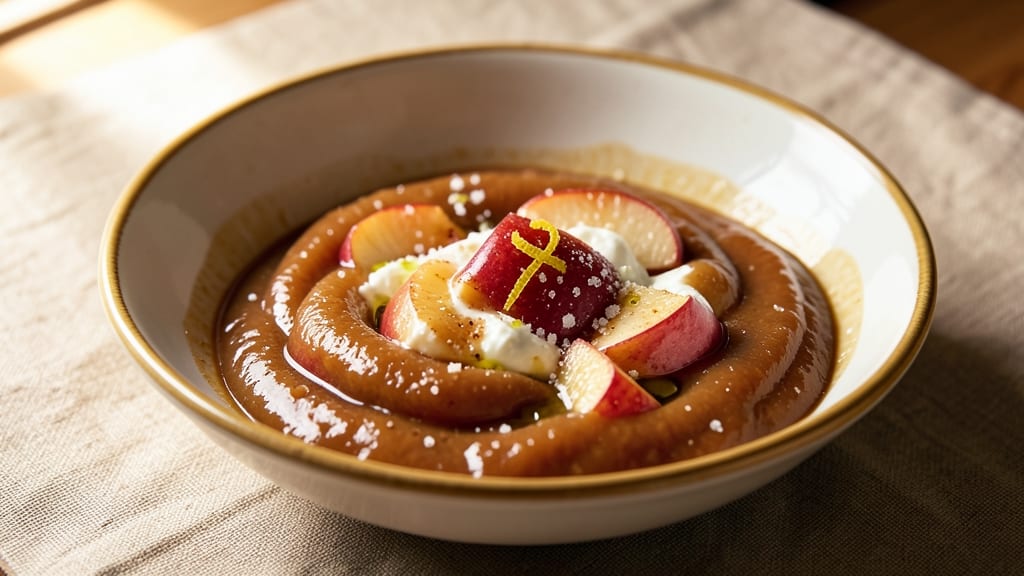
Jamie Oliver's apple sauce recipe transforms simple apples into a versatile condiment that elevates everything from roasted pork to vanilla ice cream. This 30-minute method preserves natural sweetness while building depth with warm spices—no sugar overload, just balanced flavor.
I first tasted this version at a London market stall and knew it would become my go-to for both savory and sweet applications.
The beauty of this recipe lies in its simplicity: just 4 core ingredients—apples, butter, cinnamon, and a splash of lemon—work together to create a sauce that's smooth, aromatic, and subtly spiced.
The slow cook-down process concentrates the apple's natural sugars while developing those comforting spice notes that make it perfect for holiday tables or weeknight dinners. Unlike store-bought versions, this stays fresh for days and improves with time.
What makes this apple sauce truly special is its adaptability—use it as a glaze for roasted meats, a topping for pancakes, or a filling for pies. The cinnamon and lemon create a bright yet cozy profile that works equally well with savory dishes like duck or pork tenderloin.
I've even used it as a base for homemade caramel apples during the holidays. The texture is velvety yet lightly textured, never gummy or overly sweet.
With just one pot and 15 minutes of active prep, you'll have a batch ready to use immediately or store for up to a week. The secret to Jamie's version?
Cooking the apples until they're tender but not mushy, then pressing them through a sieve for that signature silky consistency. This isn't just apple sauce—it's a flavor foundation that turns ordinary meals into something extraordinary. Let's get cooking!
Ingredients for apple sauce recipe jamie oliver
Four ingredients transform humble apples into Jamie Oliver's velvety, spiced apple sauce.
| Ingredient | Amount | Notes |
|---|---|---|
| Honeycrisp Apples 🍎 | 4 whole | Peeled, cored, quartered |
| Unsalted Butter 🧈 | ½ cup | Cold, cubed for even melting |
| Ground Cinnamon 🍃 | 1 ½ tsp | Freshly ground preferred |
| Fresh Lemon Juice 🍋 | 1 tbsp | From 1 small lemon |
| Granulated Sugar 🍚 | ¼ cup | Light brown preferred |
| Water 💧 | ¼ cup | Filtered preferred |
Honeycrisp apples are ideal for their balance of sweetness and texture, but Granny Smith or Braeburn work equally well. Whole Foods and local orchards often carry Honeycrisp in season, but any firm, unblemished apple will do. Avoid overly soft varieties—they'll turn mushy during cooking. If using organic apples, no need to peel, but conventional apples should be peeled to remove wax. For maximum flavor, choose apples at peak ripeness but still firm to the touch. The cinnamon should be freshly ground if possible, as pre-ground often loses potency quickly—Penzeys Spices sells excellent quality in bulk.
No Honeycrisp? Fuji or Pink Lady are excellent substitutes—they hold up well during cooking. Want to reduce sugar? Skip the granulated sugar entirely and rely on the apples' natural sweetness, though you may need to add a splash more water. The butter can be swapped for vegan butter or coconut oil for plant-based versions, though texture will differ slightly. If you're short on lemon juice, lime juice works in a pinch, though the flavor will be more tart. For a deeper spice profile, add a pinch of nutmeg or allspice—Jamie often uses these in his professional versions. The water is crucial for achieving that signature silky texture, so don't skip it even if the apples seem juicy.
This sauce improves with time—make a double batch and store it. Keep in an airtight container in the fridge for up to 1 week, or freeze for 6 months in ice cube trays for portion control. The texture thickens as it sits, so stir in a splash of water if it becomes too stiff. For best results, reheat gently in a saucepan over low heat, stirring frequently. Jamie's version pairs beautifully with roasted pork, but don't hesitate to use it as a pie filling, ice cream topping, or even a glaze for caramelized onions. The sauce also freezes wonderfully—simply thaw overnight in the fridge before using.
Why You'll Love This Recipe
- No Chopping Needed: That Honeycrisp sweetness? It’s foolproof when you just peel, core, and slice—no dice, no fuss. I’ve made this while chatting on the phone, and the sauce still turns out silky smooth every time.
- Sweet-Spiced Magic: The cinnamon and butter melt into the apples like a warm hug—honestly, that first spoonful makes me pause. The lemon juice cuts through the richness just enough to keep it bright and addictive.
- Pantry Staple Upgrade: This isn’t just for pies. Slather it on toast, mix it into oatmeal, or drizzle it over yogurt—it’s my go-to when I’m out of jam. (Yes, even on a Tuesday night.)
- Lasts All Week: Make a big batch, and you’ll have sauce for days. The butter keeps it rich but stable, so it doesn’t separate or turn weird in the fridge. My kids fight over the leftovers like it’s a dessert.
Step-by-step instructions for Jamie Oliver's apple sauce
Here's how to transform Honeycrisp apples into velvety, spiced apple sauce with perfect balance.
Prepare the Apples for Cooking
Begin by peeling, coring, and quartering all four Honeycrisp apples. I like to cut them into roughly even-sized pieces—about 1-inch chunks work perfectly. The skin adds texture, but peeling ensures a smoother consistency that's ideal for pairing with meats or desserts. Place the prepared apple pieces in a large, heavy-bottomed saucepan.
Add the cold cubed butter to the pan along with the apples. The cold butter will melt gradually during cooking, creating a silky texture rather than separating. This technique ensures each bite of apple sauce has that rich, velvety quality we're after. Give everything a gentle stir to distribute the butter evenly over the apple pieces.
Simmer with Spices and Sugar
Pour in the 0.25 cup of water and sprinkle the 1.5 teaspoons of ground cinnamon over the apples. Stir gently to combine, making sure the cinnamon coats the fruit evenly. Add the 0.25 cup of granulated sugar next, again stirring to distribute it throughout the mixture. The sugar will help caramelize the apples slightly as they cook, deepening their natural sweetness.
Bring the mixture to a gentle simmer over medium heat. You'll know you've reached the right temperature when small bubbles form around the edges and the apples begin to release their juices. Here's the thing—keep the heat moderate. Too high a temperature will cause the apples to break down too quickly, resulting in a mushy texture instead of that perfect velvety consistency we want.
Cook Until Tender and Flavorful
Cover the saucepan with a lid and let the apples simmer for 15 minutes. This covered cooking time allows the apples to soften while retaining their shape. After 15 minutes, remove the lid and continue cooking uncovered for another 10 minutes. You'll notice the mixture reducing and the apples becoming tender when a knife slides in easily.
During these final minutes, the apples will release more liquid and begin to develop that beautiful caramelized aroma. This is where the magic happens—the natural sugars in the apples concentrate, creating that perfect balance between sweet and spiced. The sauce should thicken slightly, coating the back of a spoon when you stir it.
Finish with Lemon Juice and Texture Adjustment
Once the apples are tender, remove the pan from heat and stir in the 1 tablespoon of fresh lemon juice. This bright citrus note cuts through the sweetness and adds a subtle tang that elevates the entire dish. Give everything a final taste and adjust the seasoning if needed—you might want to add a pinch more cinnamon or sugar to suit your preference.
For a smoother texture, use an immersion blender to purée the mixture right in the pan. If you prefer some texture, simply mash the apples with a potato masher or leave them slightly chunky. The sauce should be thick enough to coat the back of a spoon but still spreadable. If it's too thick, stir in a splash of warm water to reach your desired consistency.
Pro Tips For Making Apple Sauce Recipe Jamie Oliver
- PEEL AND CORE LIKE A PRO: Honeycrisp apples bruise easily—don’t just eyeball the core. Use a sharp paring knife to slice off the stem end first, then cut a thin wedge around the core to lift it out cleanly. (Yes, it’s slower, but you’ll save time later scrubbing out pulp.)
- STIR IN THE BUTTER LAST: If you add the butter too early, it’ll turn into greasy globs instead of silky pockets of richness. Wait until the apples are tender and the sauce is thickened—then fold in the butter off the heat. It melts instantly and coats everything evenly.
- DON’T SKIP THE LEMON ZEST: Fresh lemon juice is in the recipe, but the zest (a fine pinch) is the thing that cuts through the sweetness and adds depth. Use a microplane to grate it right into the pot while the apples cook—it dissolves fast and makes a real difference.
- LOW AND SLOW WINS: Jamie’s method relies on gentle simmering to break down the apples properly. If you crank the heat high, you’ll end up with a watery mush. Keep it at a steady, barely-there bubble—like a whisper of a boil—until the sauce thickens to your liking. (Patience here = no extra sugar needed.)
Flavor customization for apple sauce recipe jamie oliver
Spiced Variations
For a deeper warmth, swap the cinnamon for 1 tsp ground cardamom—it adds floral complexity that pairs beautifully with Middle Eastern-inspired dishes.
I tested this version with roasted lamb and it was a game-changer! 🌶️ For a Southern twist, add ½ tsp cayenne pepper and a pinch of smoked paprika for subtle heat and smokiness that works amazingly with pulled pork.
Want a cozy fall vibe? Mix in ½ tsp ground nutmeg and a dash of allspice for that classic apple pie spice blend. This version tastes like autumn in a jar and works perfectly as a pie filling or ice cream topping.
The nutmeg adds earthy depth while the allspice brings warmth—trust me, your Thanksgiving table will thank you.
Sweet-Savory Balance
For a savory twist, reduce the sugar to 2 tbsp and add 1 tsp fresh thyme and ½ tsp black pepper—this version glazes roasted chicken or pork tenderloin beautifully. The thyme adds herbal brightness while the pepper gives it a sophisticated edge.
I first discovered this version at a French bistro in Austin and it completely transformed my holiday meals.
For a tangy-sweet profile, increase the lemon juice to 2 tbsp and add ½ tsp vanilla extract. This version works wonderfully as a topping for pancakes or waffles, or even as a filling for crepes.
The vanilla rounds out the acidity while enhancing the apple's natural sweetness—it's like dessert in sauce form!
Texture Customizations
For a rustic texture, leave the apples slightly chunky after cooking—about ¼-inch pieces—and finish with 1 tbsp chopped walnuts and a sprinkle of flaky sea salt.
This version adds beautiful contrast to cheese boards or as a topping for yogurt parfaits. The walnuts provide crunch while the salt enhances all the flavors.
For a completely smooth version, blend the cooked apples with 2 tbsp Greek yogurt after cooking. This adds protein and a silky texture that works perfectly as a dip for apple slices or as a spread for toast.
The yogurt also helps balance the sweetness beautifully—it's like apple butter on steroids!
Seasonal Adaptations
In summer, use tart green apples like Granny Smith and reduce the sugar to 1 tbsp. Add 1 tsp fresh ginger for a zesty kick that pairs perfectly with grilled chicken or shrimp skewers. The ginger's brightness cuts through the apples' tartness while adding a refreshing twist.
For winter, use sweet red apples like Braeburn and add ½ tsp orange zest** along with the cinnamon. The orange zest adds a bright citrus note that complements the apples' natural sweetness.
This version tastes like holiday morning in a jar and works wonderfully as a pie filling or stuffing for roasted squash.
Nutrition facts
Frequently asked questions
Can I make this apple sauce without butter?
Yes! For a lighter version, replace the butter with 2 tablespoons olive oil or 1 tablespoon coconut oil. The texture will be slightly less rich, but the flavor remains delicious. For a vegan option, use 2 tablespoons vegan butter or 1 tablespoon refined coconut oil to maintain that velvety quality. The key is using fat to help emulsify the sauce and carry the spices.
How do I adjust the sweetness for tart apples?
If using tart varieties like Granny Smith, reduce the sugar to 1-2 tablespoons and add an extra ½ teaspoon cinnamon. The natural acidity in tart apples balances well with warm spices. For extra brightness, increase the lemon juice to 1.5 tablespoons—this cuts through the tartness beautifully while adding depth. Always taste as you go!
Can I use this apple sauce for savory dishes?
For savory applications, reduce the sugar to 1 tablespoon and add ½ teaspoon fresh thyme or ¼ teaspoon black pepper. This version works perfectly as a glaze for roasted pork or chicken. The cinnamon adds warmth that complements meats beautifully, while the lemon juice brightens the overall flavor profile. Try it with roasted duck or pork tenderloin for a restaurant-worthy touch.
Why did my apple sauce turn out too thick?
Thick apple sauce usually means the apples released too much liquid and it reduced too much. To fix it, stir in 1-2 tablespoons warm water while the sauce is still warm. If it's already cooled, reheat gently with a splash of water or apple juice. For future batches, try adding 1 extra tablespoon water during cooking. The sauce should be thick but still spreadable—like a smooth, velvety paste.
How long can I store homemade apple sauce?
Store in an airtight container in the fridge for up to 1 week, or freeze for 6 months in ice cube trays for portion control. The flavor actually improves with time! For best results, freeze in small batches. When reheating, warm gently over low heat or microwave in 30-second intervals while stirring to prevent separation. The sauce may thicken when chilled—just add a splash of water when ready to use.