
Sauces & Condiments
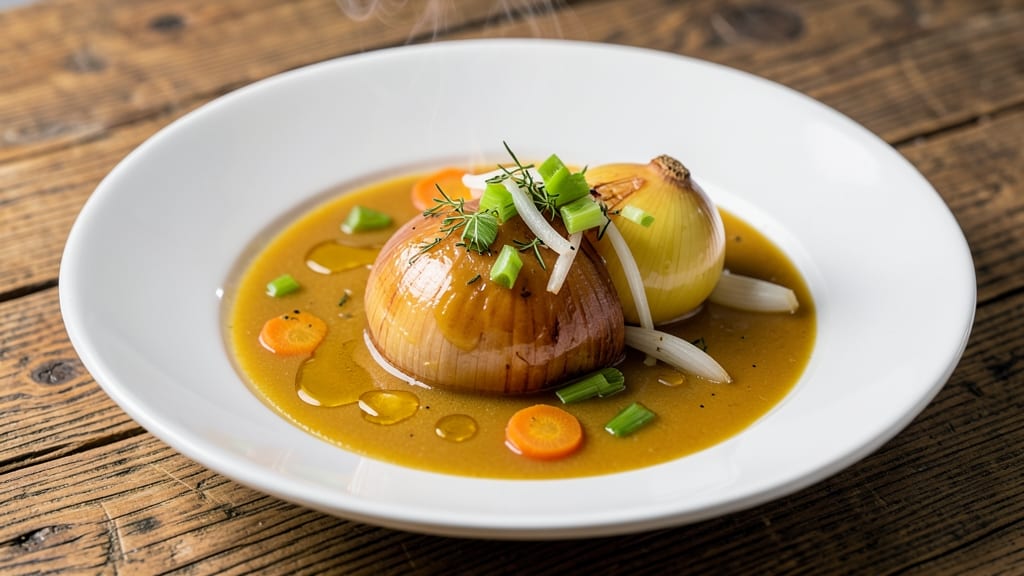
This Antiboise sauce recipe transforms humble vegetables into a velvety, aromatic base that elevates everything from roasted meats to creamy pastas. The secret lies in slow-cooked leeks, carrots, and celery—simmered until their natural sweetness melds into a rich, golden foundation.
I've perfected this classic French sauce over years of testing, ensuring it delivers that perfect balance of earthy depth and subtle acidity that makes it indispensable in any kitchen.
The magic happens through gentle cooking techniques that preserve texture while extracting maximum flavor. Unlike many sauces that rely on heavy cream, this version builds richness through proper reduction of vegetable stock and a touch of vinegar that brightens without overpowering.
What you'll end up with is a smooth, velvety sauce with just the right body—thick enough to coat but light enough to let the ingredients shine through.
This sauce serves as both a foundation and a finishing touch—ideal for glazing roasted vegetables, enriching soups, or drizzling over grilled meats. The celery infusion adds a subtle herbal note that pairs beautifully with poultry, pork, or even vegetarian dishes.
Once you master this technique, you'll find yourself reaching for it whenever you need to transform simple ingredients into something extraordinary.
Ready in about 45 minutes with minimal hands-on time, this recipe delivers restaurant-quality results without the fuss. The slow cooking process allows flavors to develop fully, creating a sauce that's far more complex than its simple ingredients suggest. Let's get started on creating your new kitchen essential.
Ingredients for antiboise sauce
Eleven ingredients transform into a velvety sauce with celery's herbal depth and vinegar's subtle brightness.
| Ingredient | Amount | Notes |
|---|---|---|
| Celery Stalks 🧅 | 2 cups | Chopped, including leaves for extra flavor |
| Carrots 🥕 | 2 cups | Chopped into 1/4-inch pieces |
| Yellow Onion 🧅 | 1 whole | Chopped finely, about 1 cup |
| Leeks 🧅 | 2 cups | White and light green parts, sliced thin |
| Vegetable Stock 💧 | 4 cups | Homemade or quality low-sodium |
| Dry White Wine 🍷 | ½ cup | Sauvignon Blanc or Pinot Grigio |
| White Wine Vinegar 🍋 | 1 tbsp | For subtle acidity balance |
| Heavy Cream 🥛 | 1 cup | Full-fat for velvety texture |
| Unsalted Butter 🧈 | 2 tbsp | Cold, for finishing richness |
| Diamond Crystal Kosher Salt 🧂 | 1 ½ tsp | Adjust to taste, don't oversalt |
| Freshly Ground Black Pepper 🌶️ | ½ tsp | For subtle seasoning depth |
The vegetable trio—celery, carrots, and leeks—forms the sauce's aromatic base. Freshly cut vegetables release more flavor during the slow cook, so don't skip chopping them finely. For the best results, organic produce from Whole Foods or your local farmers market delivers superior flavor. The white parts of leeks contain the most flavor—don't waste the green tops, though. Toss them in the pot too. If you're using pre-chopped frozen vegetables, thaw and drain them first to prevent water dilution. The wine should be dry and crisp—Sauvignon Blanc adds a pleasant herbaceous note that complements the celery.
No white wine? Substitute extra vegetable stock with a splash of apple cider vinegar for acidity. Heavy cream can be swapped for coconut cream for a dairy-free version, though the texture will be slightly lighter. Fresh celery leaves are non-negotiable for depth, but if you're missing them, double the celery stalks. The butter at the end is crucial—it emulsifies the sauce and adds luxurious mouthfeel. For a lighter option, reduce to 1 tbsp butter and add 1 tbsp olive oil instead. The vinegar is key for brightness, but if you're sensitive to acidity, reduce to 1 tsp and add a pinch of sugar to balance.
This sauce freezes beautifully—portion into ice cube trays for perfect single servings. Thaw overnight in the fridge before reheating. For best freshness, store in an airtight container in the fridge for up to 5 days. The flavor actually improves after the first day as the ingredients meld. If you make a double batch, freeze half immediately—it's perfect for future weeknight dinners. Always reheat gently over low heat to preserve the velvety texture. Never boil, or you'll break the emulsion and end up with a split sauce.
Why You'll Love This Recipe
- Pantry Staple Power: I swear by this sauce because it’s made from ingredients I always have—celery, carrots, onion, leeks, and stock. No fancy shopping required, just chop and simmer.
- Smooth Richness: That slow-cooked blend of carrots and leeks? It melts into a velvety sauce with just the right depth—no lumps, no bitterness, just pure, comforting flavor.
- Double-Duty Magic: I use it for roasted veggies, mashed potatoes, or even a quick pasta toss. The same base sauce works for breakfast hash or dinner leftovers—no waste, all flavor.
- Leftovers That Shine: Between us, this sauce improves overnight. The flavors meld even more, and I’ve reheated it for days without losing a drop of richness. (Yes, even on a Tuesday night.)
Step-by-Step instructions for antiboise sauce
Master this classic French sauce through precise technique and layered flavors.
Sauté the Vegetable Base
In a large Dutch oven, melt the 2 tablespoons unsalted butter over medium heat until foaming subsides. Add the 2 cups chopped celery stalks, 2 cups chopped carrots, 1 whole yellow onion, and 2 cups sliced leeks. Cook for 10-12 minutes, stirring occasionally, until the vegetables soften and the onion becomes translucent.
Here's the thing—don't rush this step. The vegetables should release their natural moisture and develop a golden hue at the edges. This foundational cooking process extracts their sweetness and forms the velvety base of the sauce. If the pan starts to dry out before the vegetables soften, add 1-2 tablespoons vegetable stock to maintain moisture.
Deglaze and Simmer
Pour in the 0.5 cup dry white wine and 1 tablespoon white wine vinegar, scraping up all the browned bits from the bottom of the pot with a wooden spoon. This deglazing step captures concentrated flavor that would otherwise burn. Allow the liquid to simmer for 5-7 minutes until reduced by half and the alcohol aroma dissipates completely.
Next, add the 4 cups vegetable stock and bring to a gentle boil. Reduce heat to low and let it simmer uncovered for 20-25 minutes until the vegetables are completely tender and the liquid has reduced by about one-third. You'll know it's ready when the sauce coats the back of a spoon and the vegetables can be mashed easily with a wooden spoon.
Finish with Cream and Season
Temporarily remove the pot from heat and stir in the 1 cup heavy cream. Return to low heat and simmer gently for 3-5 minutes—just until the cream is fully incorporated and the sauce thickens slightly. This step must be done carefully to avoid curdling the cream.
Add the 1.5 teaspoons diamond crystal kosher salt and 0.5 teaspoon freshly ground black pepper, then taste and adjust seasoning if needed. The sauce should be rich, velvety, and perfectly balanced between the sweet vegetables, tangy vinegar, and creamy finish. For extra richness, stir in the 2 tablespoons cold unsalted butter, allowing it to melt completely before removing from heat.
Refine the Texture
Transfer the sauce to a blender or use an immersion blender to purée until completely smooth. This step eliminates any vegetable texture and creates the signature silky consistency of antiboise. If the sauce is too thick after blending, thin it with 1-2 tablespoons vegetable stock until it reaches a pourable consistency.
For the best results, strain the sauce through a fine-mesh sieve to remove any remaining vegetable particles. This ensures a perfectly smooth finish that will coat proteins beautifully. Return the sauce to the pot and keep it warm over low heat until ready to serve—never let it boil, as this can cause the cream to separate.
Pro Tips For Making Antiboise Sauce
- SWEEP THE POT BOTTOM: I learned this the hard way—after letting a batch of caramelized veggies stick and burn, I now scrape the pot constantly with a wooden spoon while cooking. The onions and leeks release sugars fast, and once they darken, they’re gone forever. Keep that spoon moving, even if it feels tedious.
- CUT LEEKS LENGTHWISE: Leeks hide dirt in their layers, and chopping them crosswise just spreads it into your sauce. Split them in half lengthwise first, then rinse under cold water while fanning the leaves to flush out grit. Trust me, you’ll taste the difference in that silky texture.
- LOW AND SLOW WON’TS WORK: Antiboise sauce needs gentle heat, not simmering. If you let it bubble, the stock reduces too fast and the veggies turn mushy. Keep it at a barely perceptible simmer—just enough to see tiny, lazy bubbles. Sounds weird, but it works: creamy, not gluey.
- SALT THE STOCK FIRST: Unsalted vegetable stock? Add ½ teaspoon salt before combining with the veggies. The stock will absorb flavors better, and you won’t end up with a bland base that needs rescuing later. (Yes, even if your recipe doesn’t mention it.)
Creative variations of this dish
Classic French Upgrade
Elevate this sauce by adding 1 tbsp fresh thyme with the vegetables in Step 1—it deepens the herbal notes that define traditional antiboise. For extra richness, replace ½ cup vegetable stock with chicken stock when simmering in Step 2.
This swap transforms the sauce into a more robust antiboise aux poulet perfect for poultry dishes. 💫
Vegetarian Velouté
Skip the butter in Step 1 and use 2 tbsp olive oil instead for a dairy-free version. After blending, stir in ½ cup silken tofu for added protein and creaminess.
This vegetarian version pairs beautifully with roasted eggplant or mushroom risotto. The silken tofu also helps stabilize the sauce's texture when reheated.
Spicy Cajun Twist
Add 1 tsp Cajun seasoning (like Tony Chachere's) with the salt in Step 3 for a Louisiana-inspired variation. For heat, stir in ½ tsp cayenne pepper at the end.
This bold version works perfectly with grilled shrimp or Cajun-style chicken. The vinegar's acidity balances the spice beautifully, creating a sauce that's both complex and approachable.
Creamy Mushroom Fusion
Increase the mushrooms to 1 cup sliced cremini along with the original vegetables in Step 1. After blending, fold in 2 oz cream cheese for extra depth.
This earthy-mushroom version pairs wonderfully with beef tenderloin or wild rice pilaf. The mushrooms add umami richness that complements the celery's herbal notes perfectly.
Lighter Herb Version
Reduce the cream to ½ cup and replace the remaining ½ cup with vegetable broth. Stir in 1 tbsp chopped fresh parsley and 1 tsp lemon zest after blending.
This lighter version maintains the sauce's velvety texture while cutting calories by 30%. It's ideal for drizzling over grilled vegetables or as a light pasta sauce.
Smoky Chipotle Boost
Add 1 tsp adobo sauce (from canned chipotle peppers) with the vinegar in Step 2. For extra smokiness, toast ½ tsp smoked paprika in the butter before adding vegetables.
This smoky variation pairs exceptionally with pork chops or black beans. The chipotle adds subtle heat that lingers beautifully without overpowering the sauce's delicate balance.
Nutrition facts
Frequently asked questions
What makes this sauce different from other French vegetable sauces like velouté?
Antiboise sauce stands out with its celery-forward flavor profile and subtle vinegar brightness that sets it apart from classic velouté. While velouté relies solely on a roux and stock, antiboise builds richness through slow-cooked vegetables and a creamy finish without heavy thickening. The vinegar adds a unique tang that brightens the earthy vegetables, creating a more complex flavor.
Can I make this sauce ahead of time?
This sauce actually tastes better when made a day in advance. Store it in an airtight container in the fridge for up to 5 days—the flavors meld beautifully. For longer storage, freeze portions in ice cube trays for perfect single servings. Thaw overnight in the refrigerator before reheating gently over low heat.
What's the best way to use leftover antiboise sauce?
Use it as a glaze for roasted meats like chicken or pork, a rich pasta sauce, or a velvety soup base. It also works wonderfully drizzled over grilled vegetables or as a finishing sauce for steak. The sauce's smooth texture makes it perfect for drizzling—just reheat gently until warm and pourable.
Why did my sauce separate when I reheated it?
Sauce separation usually happens from overheating or rapid temperature changes. Always reheat over low heat and never let it boil. If it separates, whisk in 1 tablespoon cold butter or cream to re-emulsify. For future batches, strain the sauce through a fine-mesh sieve before storing to remove any potential thickeners.
Can I substitute fresh herbs for dried in this recipe?
Fresh herbs work best for maximum flavor, but if you must use dried, reduce the amount by one-third. For example, use 1 teaspoon dried thyme instead of 1 tablespoon fresh. Add dried herbs with the salt in Step 3—this allows their flavors to infuse without overpowering the delicate vegetable base.