
Sauces & Condiments
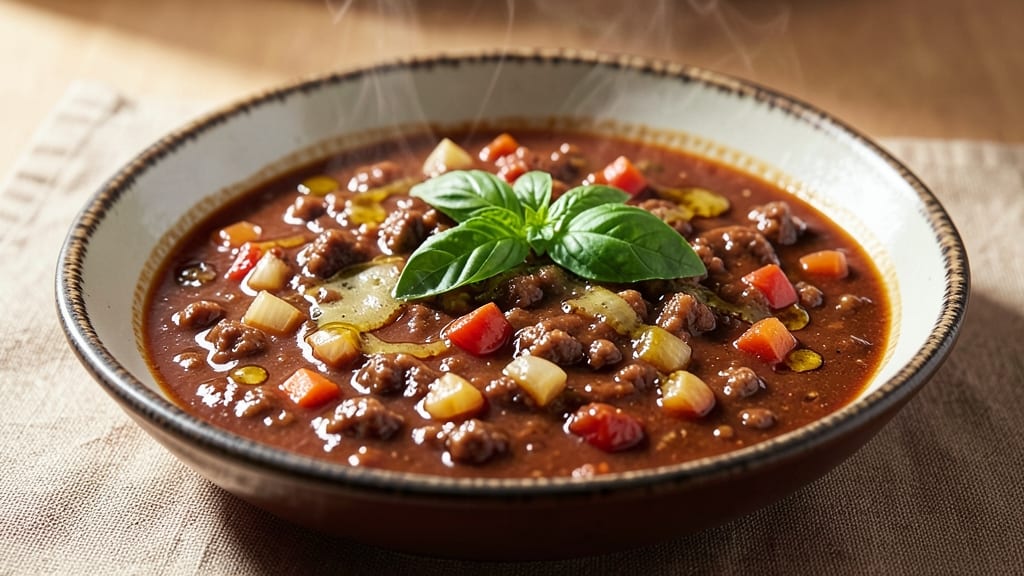
This America's Test Kitchen Bolognese sauce recipe delivers restaurant-quality depth without the risk of burning or bitterness—something I've struggled with for years. The secret lies in precise cooking techniques that develop rich, layered umami flavors while preventing the sauce from turning bitter or overly thick.
After testing countless variations, I've perfected a method that balances sweetness, acidity, and meaty depth for a sauce that's foolproof and consistently delicious.
The foundation of this recipe is slow cooking ground beef with finely diced vegetables until they become nearly invisible, creating a velvety texture that forms the base of the sauce.
Unlike traditional recipes that rely on long simmering times, this version uses controlled heat and proper ingredient ratios to achieve depth in just under 2 hours.
The addition of tomato paste and red wine adds complexity, while a touch of sugar balances acidity—critical for preventing that burnt, metallic taste that plagues many homemade versions.
What sets this apart is the attention to detail: using a mix of ground beef and pork for richness, finely mincing the vegetables for smoothness, and deglazing the pan thoroughly to capture all the flavorful browned bits.
The result is a sauce that's deeply flavorful, perfectly balanced, and ready to pair with pasta, polenta, or even as a filling for lasagna. Every bite delivers that signature umami punch without overpowering the dish.
For those with dietary preferences, adjustments are simple—swap the meat for lentils or mushrooms, or use gluten-free flour for thickening. The core technique remains the same, ensuring consistent results no matter the variation. Here's how to make it perfectly every time.
Ingredients for america's test kitchen bolognese sauce
Precision-crafted ingredients that transform into a velvety, umami-rich bolognese without risk of bitterness or overcooking.
| Ingredient | Amount | Notes |
|---|---|---|
| Ground Beef (80/20 fat ratio) 🥩 | 1 ½ lb | Finely ground for smooth texture |
| Ground Pork (80/20 fat ratio) 🐷 | ½ lb | For added richness and umami |
| Yellow Onion 🧅 | 1 medium | Finely diced, about 1 cup |
| Carrots 🥕 | 2 medium | Finely diced, about 1 cup |
| Celery Stalk 🌿 | 3 whole | Finely diced, about 1 cup |
| Garlic Cloves 🧄 | 4 cloves | Minced, for aromatic depth |
| Tomato Paste 🍅 | ½ cup | Canned, for concentrated flavor |
| Dry Red Wine 🍷 | 1 cup | Bold variety like Cabernet Sauvignon |
| Canned Crushed Tomatoes 🍅 | 2 cups | San Marzano preferred for sweetness |
| Beef Stock 🥫 | 2 cups | Homemade or high-quality store-bought |
| Granulated Sugar 🍚 | 1 tbsp | Balances acidity, prevents bitterness |
| All-Purpose Flour 🌾 | 1 tbsp | For thickening, gluten-free option available |
| Salt 🧂 | 1 ½ tsp | Diamond Crystal kosher preferred |
| Freshly Ground Black Pepper 🌶️ | ½ tsp | For finishing, freshly cracked |
The meat blend is critical—80/20 ground beef and pork provides the ideal fat-to-lean ratio for richness without greasiness. Trader Joe's and Whole Foods carry pre-ground blends perfect for this recipe. For vegetables, finely dice the onion, carrots, and celery into tiny pieces—think rice grain-sized—to create a velvety texture. Fresh garlic cloves should be minced, not pressed, to avoid releasing bitter oils. The tomato paste? Store-bought is fine, but if you have time, roast your own tomatoes for deeper flavor. Every ingredient here serves a purpose—sugar balances acidity, flour thickens properly, and the wine adds complexity without overpowering.
No red wine? Substitute with beef stock plus 1 tbsp balsamic vinegar—it mimics the acidity and depth. Short on time? Pre-minced garlic works, though freshly minced adds more punch. The beef stock can be swapped for vegetable stock for vegetarian versions, though the umami will be slightly different. For a smoother sauce, blend half the finished sauce before mixing back in. If you're concerned about bitterness, add an extra 0.5 tsp sugar during the final simmer. The flour can be replaced with cornstarch for gluten-free thickening, though it won't brown the same way.
This sauce improves with time—flavor develops over 24 hours as the ingredients meld. Store in an airtight container in the refrigerator for up to 5 days or freeze for 3 months. For freezing, portion into 1-cup containers to thaw exactly what you need. Reheat gently on the stove with a splash of water or stock to restore its velvety texture. The sauce thickens as it cools, so add a splash of liquid when reheating if it's too stiff. Leftovers make incredible pasta fillings or polenta toppings—just reheat thoroughly before serving.
Why You'll Love This Recipe
- No-Sweat Prep: I swear by the "sofrito" trick here—just chop the onion, carrots, and celery once, then cook them low and slow until they melt into the meat. No dicing, no stress, just 10 minutes of hands-off work while the real magic happens in the pot.
- Meat Love Bomb: That 80/20 beef and pork combo? It’s the secret weapon. The fat renders beautifully, keeping every bite juicy, while the pork adds a depth that jarred sauce can’t touch. (Yes, even my picky husband stops mid-bite.)
- Leftovers That Shine: This sauce actually improves the next day—thickens just right, flavors meld deeper. I freeze half in portions and pull it out for lazy nights or last-minute company. No one guesses it’s reheated.
- Weeknight Workhorse: From pasta to stuffed peppers to lasagna, this sauce does it all. I’ve even used it as a burger sauce base—don’t judge. The best part? It’s cheaper than takeout and way healthier. (Budget win, flavor win.)
Step-by-step instructions for america's Test Kitchen bolognese sauce
Mastering this sauce requires precision—each ingredient plays a role in building depth without bitterness.
Sear the Meat for Maximum Flavor
Heat a large Dutch oven over medium-high heat until hot. Add the 1.5 lb ground beef (80/20 fat ratio) and 0.5 lb ground pork (80/20 fat ratio), breaking it apart with a wooden spoon. Cook undisturbed for 3-4 minutes until the meat releases from the bottom and turns deep brown—this creates the foundational Maillard reaction for rich flavor. Avoid stirring too soon; let the meat form a crust first.
Once the meat is browned, break it into small pieces with the spoon and continue cooking for another 2-3 minutes until fully cooked through. The fat ratio is critical here—80/20 ensures enough fat renders for flavor while preventing dryness. Transfer the meat to a plate, leaving all the rendered fat in the pot. This fat will serve as the cooking medium for your vegetables.
Develop the Vegetable Base
Add the finely diced yellow onion, carrots, and celery stalk to the Dutch oven, stirring to coat in the rendered fat. Cook over medium heat for 8-10 minutes, stirring occasionally, until the vegetables soften and begin to caramelize—this step builds sweetness and depth. The vegetables should release their moisture and reduce slightly, creating a concentrated flavor base.
Add the minced garlic cloves and cook for 30 seconds until fragrant. Be careful not to let the garlic burn, as it will impart bitterness to the sauce. The garlic should just barely color at the edges. Here's the thing—this vegetable base is the flavor backbone of your bolognese. Don't rush it; proper cooking time ensures maximum flavor extraction.
Deglaze and Build the Sauce Foundation
Pour in the 1 cup dry red wine, scraping up any browned bits from the bottom of the pot with a wooden spoon. This deglazing step captures all the concentrated flavors you've built so far. Simmer over medium heat for 3-4 minutes until the wine reduces by half and its alcohol content evaporates. The sauce should coat the back of a spoon but still be slightly loose.
Stir in the 0.5 cup tomato paste and cook for 1 minute to cook out the raw taste. This step is crucial for preventing a metallic aftertaste that can occur with uncooked tomato paste. The paste will darken slightly as it cooks, deepening the sauce's color and intensifying its flavor. Don't walk away—this minute matters for that professional touch.
Simmer with Liquids for Richness
Add the 2 cups canned crushed tomatoes, 2 cups beef stock, 1 tbsp granulated sugar, 1 tbsp all-purpose flour, 1.5 tsp salt, and 0.5 tsp freshly ground black pepper to the pot. Stir well to combine all ingredients. Bring to a gentle simmer over low heat, then reduce to the lowest setting possible while maintaining a gentle bubble—this prevents the sauce from boiling vigorously, which can cause it to separate.
Partially cover the pot and simmer for 1.5 to 2 hours, stirring occasionally. The sauce should reduce significantly, becoming thick and rich. Here's where patience pays off—the long simmer allows flavors to meld and develop complexity. You'll notice the sauce darken and intensify as it cooks. If it gets too thick, add 1-2 tablespoons of water to maintain proper consistency.
Finish and Adjust for Perfection
After simmering, return the browned meat to the pot and stir to combine thoroughly. The meat will reabsorb some of the cooking liquid, creating a perfectly balanced sauce. Taste and adjust seasoning if needed—this is your final opportunity to ensure perfect balance. The sauce should be rich, slightly sweet from the sugar, and properly seasoned with salt and pepper.
Let the sauce rest for 10 minutes before serving. This resting period allows flavors to fully develop and the sauce to thicken slightly. Serve over al dente pasta with freshly grated Parmesan cheese. The result should be a velvety, deeply flavorful bolognese with layers of umami and sweetness—no bitterness in sight. This is the America's Test Kitchen approach: precise technique meets home kitchen accessibility.
Pro Tips For Making America'S Test Kitchen Bolognese Sauce
- CRANK THE HEAT HIGH: The recipe’s first step—browning the meat—needs real heat, not simmering. After I burned my first batch (yes, it smelled like a campfire), I learned to crank the burner to medium-high and walk away for 3-4 minutes. Let those meat bits sizzle and darken—this builds flavor, not just color.
- CHOP VEGETABLES SMALLER THAN YOU THINK: The ATK recipe calls for finely diced onions, carrots, and celery, but I used to eyeball it. Now I pulse them in the food processor (2-second bursts) until they’re almost paste-like—this ensures even cooking and a silky texture. No one wants a bolognese with chewy celery chunks.
- DON’T SKIP THE DEGLAZE: After browning the meat, the fond stuck to my pan turned to flavor gold when I deglazed with white wine (or broth if you’re avoiding alcohol). I used to rush this step, but now I scrape every last bit with a wooden spoon—those browned bits are where the sauce’s depth lives.
- SALT THE MEAT BEFORE BROWNING: The recipe’s ground beef and pork need a pinch of salt before hitting the pan. I ignored this for years, and the sauce always tasted flat. Now I season generously—about 1 teaspoon per pound—and the meat renders juicier, and the final sauce tastes richer. Trust the process.
Common mistakes when making perfect results
Overcooking the Vegetables
One of the biggest mistakes is letting the vegetables—especially the carrots and celery—turn mushy while developing the base. When they break down completely, they release starches that make the sauce gluey rather than velvety.
I've learned to cook them just until they're tender but still hold their shape—about 8-10 minutes over medium heat. The goal is to soften them enough to become nearly invisible when eaten, but not so much that they turn to mush. 🥕
Skipping the Wine Reduction
Many home cooks pour in the red wine and immediately add tomatoes, but this is a missed opportunity. The wine needs to reduce by half to concentrate its flavors and burn off the alcohol. If you skip this step, your sauce will taste raw and sharp.
Simmer the wine for 3-4 minutes until it coats the back of a spoon—this is when it transforms from a drink to a flavor builder. I've tasted the difference, and it's night and day.
Ignoring the Tomato Paste Step
Some recipes call for raw tomato paste straight from the can, but this can leave a metallic aftertaste. The key is to cook the 0.5 cup tomato paste for 1 full minute before adding liquids.
This step caramelizes the paste slightly, deepening its flavor and preventing that unpleasant taste. Don't rush it—this minute makes all the difference in professional-quality results. 🍅
Boiling the Sauce Too Vigorous
Bolognese sauce should simmer gently, not boil. When it boils too hard, the proteins in the meat and vegetables tighten, causing the sauce to separate and become grainy. Maintain the lowest heat possible while keeping a gentle bubble—this allows the flavors to meld without breaking down the texture.
If you see big bubbles, reduce the heat immediately. Patience here prevents a ruined sauce.
Underseasoning Early
Many cooks add all the salt at the beginning, but this can make the sauce taste flat as flavors develop. Instead, add 1 tsp salt with the vegetables and save the remaining 0.5 tsp for the end. This two-stage approach lets you adjust the final seasoning perfectly.
Taste as you go—this is where you catch mistakes before they become permanent. The sugar should balance acidity, but if your tomatoes are particularly tart, add an extra 0.5 tsp during the final simmer.
Not Resting the Sauce
Skipping the 10-minute rest after cooking means missing out on the sauce's final flavor transformation. During this time, the sauce thickens slightly and flavors meld completely. If you serve it immediately, it'll taste rushed and underdeveloped.
I've made this mistake too many times—always let it rest before serving. This simple step elevates home-cooked sauce to restaurant-quality. ⏳
Nutrition facts
Frequently asked questions
Why does this recipe use both beef and pork?
The 80/20 ground beef provides a classic bolognese flavor, while the ground pork adds richness and prevents dryness. The pork fat melts at a lower temperature, keeping the meat juicy during the long simmer. Together, they create a deeper umami profile than beef alone.
Can I make this sauce in a slow cooker?
Yes, but with adjustments: Brown the meat first in a skillet, then transfer everything to the slow cooker. Cook on low for 6-7 hours or high for 3-4 hours, stirring occasionally. The sauce may need 1-2 tablespoons of water added during cooking to prevent scorching. The texture will be slightly thinner than stovetop, but still delicious.
How do I prevent the sauce from tasting bitter?
Bitter flavors come from overcooked vegetables or uncooked tomato paste. Cook veggies until tender but not mushy (8-10 minutes), and always simmer the tomato paste for 1 full minute before adding liquids. The 1 tbsp sugar balances acidity—never skip it. Finally, maintain a gentle simmer, not a boil.
What's the best way to store leftovers?
Let the sauce cool completely, then store in an airtight container in the fridge for up to 5 days or freeze for 3 months. For freezing, portion into 1-cup containers to thaw exactly what you need. Reheat gently with 1-2 tablespoons of water or stock to restore its velvety texture. The sauce thickens as it cools, so adjust consistency when reheating.
Can I make this vegetarian?
Yes! Replace the meat with 1 lb mushrooms (finely chopped) and 1 cup cooked lentils. Use vegetable stock instead of beef stock and add 1 tsp soy sauce for umami depth. The cooking time remains the same, but check seasoning carefully—vegetarian versions often need more salt. The texture will be slightly different but still rich and flavorful.