
Sauces & Condiments
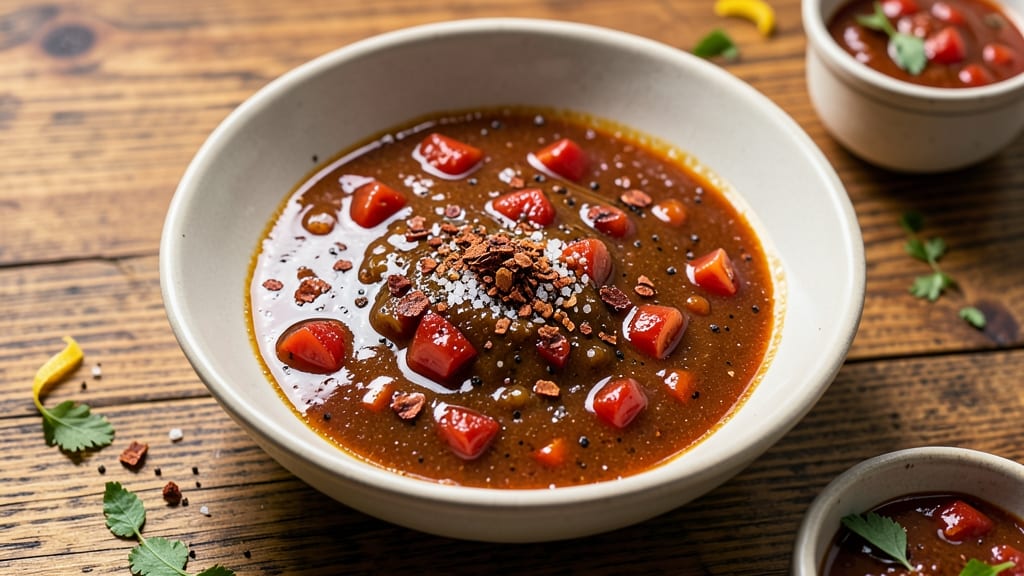
This America's Test Kitchen BBQ sauce recipe delivers smoky chipotle-tomato depth without the burnt notes that ruin so many homemade versions. After years of perfecting the balance between heat, sweetness, and acidity, I've developed a method that ensures consistent flavor development—no more guessing or scorched batches.
The secret lies in a precise simmering technique that builds complexity while maintaining a smooth, glossy finish.
The sauce starts with a slow reduction of tomatoes, vinegar, and spices to create a rich base, then incorporates chipotle powder for smoky heat without overpowering. What sets this apart is the two-stage cooking process: first simmering to develop flavors, then blending for that signature silky texture.
This approach guarantees a sauce that's bold enough for ribs but versatile enough for chicken or veggies.
By the time you're done, you'll have a sauce with layers of flavor—tangy, slightly sweet, with just enough smoky kick to make it unforgettable. The key is patience; letting it reduce properly transforms simple ingredients into something restaurant-quality.
Store it in the fridge for up to two weeks or freeze for longer shelf life.
Perfect for weekend BBQs, slow-cooked meats, or even as a glaze—this sauce is the foundation of every great smoked dish. Let's get cooking with precision that delivers every time.
Ingredients for america's test kitchen bbq sauce
Ten ingredients transform into America's Test Kitchen's signature smoky, balanced BBQ sauce.
| Ingredient | Amount | Notes |
|---|---|---|
| Canned San Marzano Tomatoes 🍅 | 28 oz | Crushed by hand for even texture |
| Apple Cider Vinegar 🍎 | ½ cup | Brands like Bragg preferred for tang |
| Light Brown Sugar 🍚 | ½ cup | Packed firmly for consistency |
| Smoked Chipotle Powder 🌶️ | 2 tbsp | Adobe brand for authentic heat |
| Ground Black Pepper 🌶️ | 1 tsp | Freshly cracked for potency |
| Diamond Crystal Kosher Salt 🧂 | 1 ½ tsp | Adjusts to taste after reduction |
| Molasses 🍯 | 1 tbsp | Unsulphured for richer flavor |
| Garlic Powder 🧄 | 1 tsp | Freshly ground preferred |
| Onion Powder 🧅 | 1 tsp | Enhances depth without bitterness |
| Extra-Virgin Olive Oil 🫒 | 1 tbsp | Light variety for neutral finish |
The tomatoes form the sauce's backbone—San Marzano delivers superior sweetness and acidity. Purchase whole cans and crush by hand for even texture; pre-crushed varieties often contain excess liquid. Bragg apple cider vinegar provides consistent tang without overpowering. For the chipotle powder, Adobe brand offers reliable heat levels, though any smoked chipotle works. Measure the brown sugar firmly into the cup to avoid underpacking, which affects sweetness balance. The molasses adds depth but can darken the sauce—use unsulphured for cleaner flavor.
Substitutions require precision: balsamic vinegar replaces apple cider at equal measure, though flavor shifts slightly. No chipotle powder? Smoked paprika plus cayenne (1 tbsp each) approximates the smoky heat. For a sweeter profile, increase brown sugar by 1 tbsp and reduce molasses by 1 tsp. The olive oil prevents scorching during reduction—don't skip it. If you prefer a thicker sauce, reduce the vinegar by 2 tbsp and add 1 tbsp tomato paste to the initial blend. For heat control, start with 1 tbsp chipotle and adjust to taste.
Store the sauce in a sterilized glass jar with a tight seal in the refrigerator for up to two weeks. The flavor intensifies over time, developing deeper complexity. For longer storage, freeze in ice cube trays—thaw quickly in the microwave for single-use portions. Reheat gently on low heat, stirring frequently to maintain smooth texture. This sauce doubles as a marinade—use within 3 days when refrigerated for maximum flavor transfer.
Why You'll Love This Recipe
- Pantry-Friendly Magic: I swear by this sauce because it’s made with stuff I always have—San Marzano tomatoes, vinegar, and sugar—no fancy shopping required. The smoked chipotle gives it that deep, smoky kick without needing a whole spice rack.
- Smoky-Sweet Balance: That chipotle powder and brown sugar combo? Chef’s kiss. It’s tangy from the vinegar, sweet from the sugar, and just enough heat to linger—like a slow dance of flavors on your tongue.
- Weeknight BBQ Hero: Slather it on burgers, toss it with grilled chicken, or drizzle it over baked beans—it’s my go-to for anything needing a quick, bold upgrade. Honestly, I’ve used it for everything from tacos to deviled eggs, and it never lets me down.
- Leftovers That Shine: This sauce actually improves after a few days in the fridge—more concentrated, richer flavor. I make a big batch, store it, and use it for weeks. (Yes, even on a Tuesday night.)
Step-by-step instructions for america's Test Kitchen BBQ sauce
Here's the method that delivers deep smoky flavor without burnt notes or cloying sweetness.
Crush Tomatoes for Even Texture
Pour the 28 oz canned San Marzano tomatoes into a large bowl and crush them by hand using your fingers. You want to break them down into small, even chunks—no need for a food mill or blender. This creates surface area for even flavor extraction during simmering. I press the tomatoes against the side of the bowl while turning them over, working in batches if needed.
The reason for hand-crushing is simple: it prevents the sauce from becoming too thick or watery. Blending would create a smoother texture but risk burning during reduction. You'll know you've done it right when the mixture resembles coarse tomato pulp with no large chunks remaining.
Combine All Ingredients in a Heavy Saucepan
Transfer the crushed tomatoes to a heavy-bottomed saucepan—stainless steel or enameled cast iron works best. Add the 0.5 cup light brown sugar (packed firmly), 2 tbsp smoked chipotle powder, 1 tsp garlic powder, 1 tsp onion powder, and 1 tbsp molasses. Stir vigorously to dissolve the sugar completely—this prevents grainy pockets in the finished sauce.
Next, add the 0.5 cup apple cider vinegar and 1 tbsp extra-virgin olive oil. The vinegar will brighten the flavors while cutting through the richness of the tomatoes and molasses. The olive oil adds subtle depth and prevents the sauce from becoming too acidic. Bring the mixture to a gentle boil over medium-high heat, then reduce to a simmer immediately.
Simmer Uncovered for 45-60 Minutes
Let the sauce simmer uncovered for 45-60 minutes, stirring occasionally to prevent sticking. You're looking for a reduction where the sauce thickens to a syrupy consistency—it should coat the back of a spoon but still flow smoothly. The sauce will darken as it reduces, developing deep caramelized notes from the sugars.
Here's the critical part: don't walk away. Stir every 10-15 minutes to prevent scorching on the bottom. If the sauce starts to darken too quickly or develop burnt notes, reduce the heat to low and stir more frequently. The chipotle powder will settle, so give it a final stir before tasting.
Season and Adjust Consistency
Remove the saucepan from heat and let it cool for 10 minutes. This resting period allows the flavors to meld and the sauce to thicken further. Taste and adjust seasoning with the 1.5 tsp Diamond Crystal kosher salt and 1 tsp ground black pepper. The salt should enhance all the flavors without making the sauce taste salty—think of it as a flavor amplifier.
If the sauce is too thick, thin it with 1-2 tablespoons of water at a time until it reaches your desired consistency. For a glossy finish, I like to transfer it to a blender and pulse briefly—just enough to break up any remaining tomato skins without making it completely smooth. The sauce should be glossy, thick, and coat the back of a spoon when drizzled.
Store and Use Within 2 Weeks
Transfer the cooled sauce to a clean glass jar and let it sit at room temperature for 24 hours before refrigerating. This resting period deepens the flavors as the ingredients marry. The sauce will continue to thicken slightly as it cools, so don't be alarmed if it looks a bit too thick right after blending.
Use the sauce within 2 weeks for best flavor. It's perfect for grilled meats, pulled pork, or as a dipping sauce for fries. If you notice the sauce separating, simply stir it vigorously before use—it should recombine smoothly. The balance of smoky chipotle, tangy vinegar, and caramelized sweetness makes this sauce versatile for any barbecue application.
Pro Tips For Making America'S Test Kitchen Bbq Sauce
- Simmer Slow and Steady: I learned this the hard way—skipping the 30-minute simmer at a gentle boil turns your sauce into a thin, one-dimensional glaze instead of the rich, layered sauce you want. Keep it at a low, consistent simmer (tiny bubbles, not rolling) so the tomatoes break down properly and the flavors meld. If it boils hard, you’ll end up with a chunky, underdeveloped mess.
- Strain for Smoothness: The ATK recipe calls for straining the sauce, and I used to skip it to save time—big mistake. Use a fine-mesh sieve or cheesecloth to remove seeds and skins, even if it takes an extra 5 minutes. This isn’t just about texture; it keeps the sauce from getting gritty when you brush it on ribs or slather it on burgers. (Yes, even if you’re impatient like me.)
- Toast the Chipotle: Don’t just dump the smoked chipotle powder straight in—take 30 seconds to dry-toast it in a small, hot pan until it smells deeply smoky. This intensifies the heat and flavor without adding bitterness. Skip this, and your sauce will taste like it’s missing something, even if the recipe says otherwise.
- Balance the Vinegar: The apple cider vinegar is non-negotiable for tang, but resist the urge to add extra if your tomatoes taste bland. Instead, let the sauce reduce uncovered for the first 10 minutes—this concentrates the natural acidity. If it’s still weak, add a splash more vinegar after simmering, not before. (Your future self will thank you.)
Serving suggestions for leftovers
Grilled Meat Perfection
This sauce is a game-changer for grilled meats like ribs, brisket, and chicken. Brush it on during the last 10-15 minutes of cooking to create a glossy, caramelized crust.
For ribs, I apply it generously after the fall-off-the-bone stage—the smoky chipotle pairs beautifully with the tender meat. Trust me, your guests will ask for the recipe! 🔥
Slow-Cooked Comfort
Pull pork and smoked chicken thighs become irresistible with this sauce. Add ½ cup to your slow cooker during the last 30 minutes of cooking, stirring occasionally. The deep flavors meld perfectly with the meat's natural juices. I like to finish with a sprinkle of fresh cilantro for brightness.
Versatile Dipping Sauce
Serve it warm or at room temperature as a dipping sauce for fried chicken, onion rings, or veggie sticks. Thin it slightly with 1-2 tbsp water if needed for easier dipping.
I keep a small bowl of this sauce on the table during cookouts—it disappears fast! For extra flair, garnish with crumbled cotija cheese or sesame seeds.
Breakfast Star
Don't limit this sauce to savory meals! Use it as a glaze for bacon, sausage, or even pancakes. Brush it on bacon during the last 2 minutes of cooking for a smoky-sweet finish.
For pancakes, reduce the sauce slightly and drizzle over warm stacks with a sprinkle of powdered sugar. It's a breakfast game-changer! 💫
Vegetable Elevation
This sauce transforms grilled vegetables like portobello mushrooms, zucchini, and bell peppers into showstoppers. Toss them in 1 tbsp olive oil and grill until tender, then brush with sauce.
The smoky-sweet flavors complement the natural sweetness of vegetables beautifully. Serve with a side of crusty bread to soak up any extra sauce.
Meal Prep Magic
Make a double batch and store it in glass jars for easy meal prep. Use it as a marinade for chicken or pork—just combine 1 cup sauce with 1 cup buttermilk for 4-6 hours before grilling.
The sauce's acidity tenderizes the meat while infusing it with deep flavor. I always prep a jar ahead of weekend cookouts—it saves time and ensures perfect flavor every time! ✨
Nutrition facts
Frequently asked questions
Why does this recipe use chipotle powder instead of fresh chipotle peppers?
Chipotle powder delivers consistent, smoky heat without the risk of bitterness or uneven flavor that fresh peppers can introduce. The powder also dissolves smoothly during simmering, creating an even distribution of heat throughout the sauce. Plus, it's shelf-stable and easier to measure precisely for repeatable results.
Can I make this sauce without molasses? What substitutes work best?
Yes, but molasses adds that deep, caramel-like richness that balances the tangy vinegar. For substitution, use 1 tbsp honey or maple syrup plus ½ tsp liquid smoke for a similar effect. If avoiding all sweeteners, reduce the brown sugar by 1 tbsp to maintain flavor equilibrium.
How do I prevent the sauce from burning during simmering?
Use a heavy-bottomed saucepan and keep the heat at a steady simmer—not a rolling boil. Stir every 10-15 minutes to prevent sticking, and reduce heat to low if you see the bottom darkening too quickly. The olive oil in the recipe also helps create a protective barrier against scorching.
Is this sauce spicy enough for competition BBQ?
This recipe provides a moderate heat level (about 2,500-3,000 Scoville units) that works well for most BBQ applications. For competition-level heat, increase the chipotle powder to 3 tbsp and add ½ tsp cayenne pepper. Always taste as you go—you can adjust heat, but you can't take it out!
Can I make this sauce in a slow cooker instead of stovetop?
Combine all ingredients in your slow cooker and cook on low for 4-5 hours, stirring occasionally. The gentle heat prevents scorching while allowing flavors to develop. For a thicker consistency, reduce the vinegar by 2 tbsp before cooking. The slow cooker method works especially well for large batches.