
Sauces & Condiments
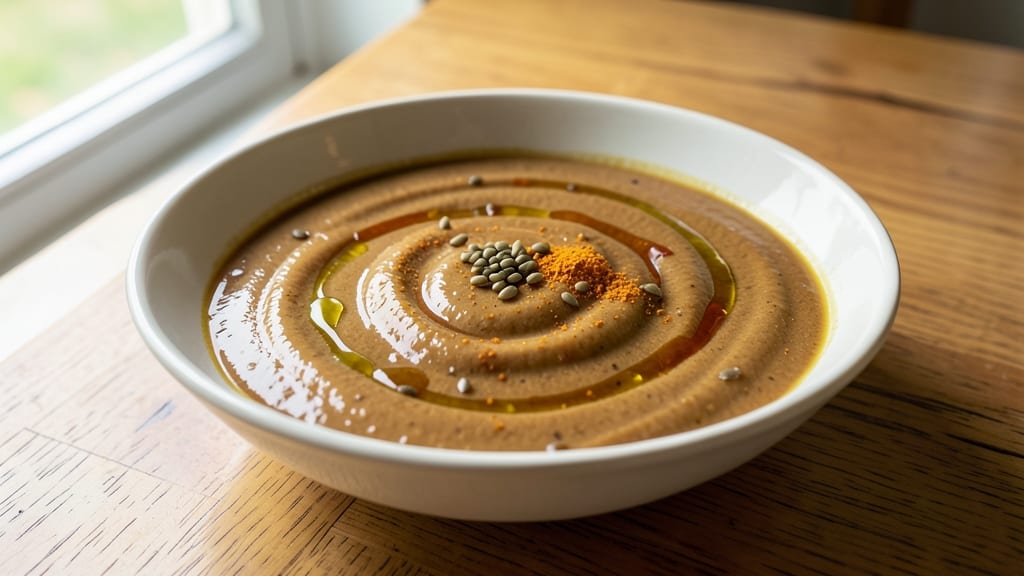
This American mustard sauce recipe delivers that signature tangy-sweet balance that elevates everything from hot dogs to glazed meats. The secret lies in balancing sharp mustard with just enough sweetness and acidity to create a sauce that's bold yet versatile—perfect for dipping, glazing, or drizzling.
I've perfected this version over years of testing, ensuring it's smooth, well-seasoned, and ready in under 10 minutes without any lumps or bitterness.
The foundation starts with a blend of Dijon and yellow mustard for depth, paired with apple cider vinegar for brightness and a touch of brown sugar to mellow the sharpness. A pinch of turmeric adds that classic golden hue, while celery seed and black pepper bring subtle complexity.
What makes this sauce stand out is its adaptability—use it as a tangy dipping sauce for fries, a glaze for grilled chicken, or a condiment for sandwiches and burgers.
What you'll end up with is a smooth, glossy sauce that clings beautifully to food while delivering layers of flavor—tangy, slightly sweet, with just the right amount of heat. The texture is velvety, not grainy, and the balance of ingredients ensures it won't overpower delicate dishes.
This is the kind of sauce that transforms ordinary meals into something special, and it keeps well in the fridge for up to two weeks.
For variations, swap the brown sugar for honey to create a honey mustard version, or use whole-grain mustard for added texture. The possibilities are endless, but the core technique remains the same—simple, foolproof, and always delicious.
Let's get started on making this versatile sauce that will become a staple in your kitchen.
Ingredients for american mustard sauce
Nine simple ingredients blend into a sauce that's bold, tangy, and ready in minutes.
| Ingredient | Amount | Notes |
|---|---|---|
| Dijon Mustard 🌶️ | ½ cup | High-quality, smooth variety |
| Yellow Mustard 🌶️ | ¼ cup | American-style, like French's |
| Apple Cider Vinegar 🍎 | ¼ cup | Unfiltered for depth of flavor |
| Light Brown Sugar 🍚 | ¼ cup | Packed firmly for accuracy |
| Extra-Virgin Olive Oil 🫒 | ¼ cup | Fruity, not bitter |
| Turmeric Powder 🌿 | ½ tsp | Freshly ground for vibrant color |
| Celery Seeds 🧅 | ½ tsp | Toasted lightly for aroma |
| Ground Black Pepper 🌶️ | ¼ tsp | Freshly cracked for heat |
| Water 💧 | ¼ cup | Room temperature preferred |
| Kosher Salt 🧂 | ½ tsp | Diamond Crystal preferred |
The mustards are the heart of this sauce—Dijon for depth, yellow mustard for that classic American tang. I always grab French's yellow mustard from the store aisle, but any good-quality brand works. For the vinegar, Bragg's apple cider vinegar is my go-to—it's unfiltered and has a rich flavor. The brown sugar should be packed firmly; if you scoop it loosely, you'll end up with less than you need. Olive oil matters here too—California extra-virgin adds a subtle fruity note that balances the sharpness perfectly. Store these ingredients in a cool, dark place to preserve their flavors.
No Dijon mustard? Whole-grain mustard at double the amount gives a similar texture. Running out of apple cider vinegar? White vinegar works in a pinch, but you'll lose some complexity. The turmeric is non-negotiable for that signature golden color—no substitutes here. Celery seeds can be skipped if you're sensitive to their flavor, but they add a subtle earthiness that rounds out the sauce. For a sweeter version, swap brown sugar for honey and reduce the amount by half. If you prefer a smoother texture, blend the sauce briefly after combining all ingredients.
This sauce keeps beautifully in the fridge for 2 weeks in an airtight container. For best results, let it come to room temperature before using—it thickens slightly when cold. If it gets too thick, just stir in a splash of water or vinegar. I like to make a double batch and keep it on hand for quick dipping or glazing. The flavors actually improve over time, so don't hesitate to make extra. If you're serving it at a gathering, store it in a glass jar with a tight seal—it's ready to use straight from the fridge.
Why You'll Love This Recipe
- Five-Ingredient Magic: I swear by this—just stir together Dijon, yellow mustard, vinegar, sugar, and olive oil. No peeling, chopping, or waiting for anything. The only tool you’ll need is a whisk, and honestly? I’ve made it in my mug while waiting for dinner to cook.
- Sweet-Tangy Balance: That brown sugar and vinegar combo? It’s the secret. The Dijon adds depth, the yellow mustard keeps it bright, and the olive oil ties it all together—creamy with a little bite. It’s the kind of sauce that makes you go back for seconds without even trying.
- Dresses Up Anything: Slather it on grilled chicken, drizzle it over roasted veggies, or toss it with pasta. I’ve even used it as a glaze for baked potatoes—works every time. It’s my go-to for when I don’t want to fuss but still want flavor that pops.
- Makes Leftovers Shine: This sauce keeps for weeks in the fridge, and it only gets better as the flavors meld. I’ll be real: I’ve had it sit in my fridge for three weeks, and it’s still the star of whatever I toss it into. Plus, it’s cheap—you’re using pantry staples, not specialty ingredients.
Step-by-step instructions for American mustard sauce
Here's how to blend these bold flavors into a tangy, versatile sauce that's perfect for dipping or glazing.
Toast the Celery Seeds for Depth
Heat a dry skillet over medium-low heat and add the 0.5 teaspoon celery seeds. Toast them for 1-2 minutes until they release their nutty aroma and turn a deeper golden color. You'll know they're ready when you can smell that earthy, slightly citrusy scent—this is what gives the sauce its complex character. Immediately transfer them to a small bowl to cool completely before using.
Don't skip this step—raw celery seeds can taste bitter. The toasting brings out their natural sweetness and aroma, which balances the sharpness of the mustards perfectly. If you don't have a skillet, you can toast them directly in a dry measuring spoon over a gas burner for 30 seconds, stirring constantly.
Whisk Together the Wet Ingredients
In a medium saucepan, combine the 0.5 cup Dijon mustard, 0.25 cup yellow mustard, 0.25 cup apple cider vinegar, 0.25 cup light brown sugar, and 0.25 cup extra-virgin olive oil. Using a whisk, stir vigorously for 2-3 minutes until the mixture becomes completely smooth and homogenous. You should hear a faint sizzling sound as the mustards and vinegar begin to react—this is when the flavors start melding together.
The sugar will begin to dissolve completely, creating a thick, glossy base. If you notice any graininess at this stage, don't worry—it will disappear as we heat the mixture. Keep whisking until the texture is perfectly smooth, as any lumps will remain in the final sauce.
Simmer and Thicken the Sauce
Place the saucepan over medium heat and bring the mixture to a gentle simmer. Add the 0.5 teaspoon kosher salt, 0.5 teaspoon turmeric powder, 0.25 teaspoon ground black pepper, and the toasted celery seeds. Stir constantly for 5-7 minutes until the sauce thickens slightly and coats the back of a spoon. You'll notice the sauce will reduce by about 20%—this concentration deepens the flavors and creates that perfect balance of tangy, sweet, and spicy.
Here's the thing—you want the sauce to be thick enough to coat the back of a spoon but still flow smoothly. If it thickens too quickly, add 1-2 tablespoons of water at a time to adjust the consistency. The sauce should be glossy and slightly syrupy, with a vibrant golden hue from the turmeric.
Cool and Adjust the Flavor
Remove the saucepan from heat and let the sauce cool for 10 minutes at room temperature. This resting period allows the flavors to fully meld and the texture to stabilize. Taste the sauce and adjust the seasoning if needed—add a pinch more kosher salt if it tastes flat, or a splash more apple cider vinegar if it needs more tang. The sauce should have a perfect balance of sweet, tangy, and slightly spicy notes.
For a smoother texture, you can strain the sauce through a fine-mesh sieve to remove any remaining seeds or mustard particles. If you prefer a slightly textured sauce, skip this step—the seeds add a nice bite. Transfer the sauce to a clean jar or airtight container and store it in the refrigerator for up to 2 weeks or freeze for up to 3 months. This sauce keeps beautifully and is perfect for dipping, glazing, or drizzling over grilled meats and vegetables.
Pro Tips For Making American Mustard Sauce
- Whisk in stages: Start with the mustards—mix them dry first, then slowly add the vinegar while whisking like you’re trying to dissolve sugar in coffee. If you dump everything in at once, you’ll end up with a grainy, clumpy mess that no amount of shaking later can fix.
- Use real vinegar: Skip the "apple cider vinegar substitute" aisle—real apple cider vinegar has depth. The cheap stuff tastes like it’s been sitting in a jar for years. If you’re in a pinch, use white vinegar, but add a pinch of cinnamon to mimic the warmth.
- Warm the sugar first: Lightly toast the brown sugar in a dry pan for 30 seconds until it smells caramelized. This cuts through the sharpness of the mustards and adds a subtle complexity. (Yes, it’s an extra step—but your sauce will taste like it came from a diner, not a jar.)
- Finish with oil last: Stir in the olive oil at the very end, just before serving. If you add it early, the sauce will split and look unappetizing. A slow drizzle while whisking guarantees a glossy, cohesive finish—no matter how impatient you are to eat.
Wine and beer pairings for this recipe
Crisp White Wine
This tangy-sweet sauce pairs beautifully with dry Riesling or Sauvignon Blanc—their bright acidity mirrors the apple cider vinegar while cutting through the richness. I love Kim Crawford Sauvignon Blanc from New Zealand; its citrus notes complement the mustard's sharpness without overpowering it.
Serve it slightly chilled to enhance the refreshing contrast. 🍷
Hoppy Beer Pairings
A pilsner or American pale ale works surprisingly well with mustard sauce's bold flavors. Try Leinenkugel's Summer Shandy for a crisp, slightly effervescent match that cleanses the palate between bites.
For a bolder option, a hazy IPA like New Belgium Fat Tire adds a fruity counterpoint to the sauce's tang. 🍺
Red Wine Balance
If you prefer red, opt for a light-bodied Pinot Noir or Gamay—their red fruit notes harmonize with the sauce's sweetness. A Beaujolais like Domaine Duboeuf adds earthy undertones that enhance the celery seed's depth. Avoid heavy Cabernets; their tannins clash with the mustard's sharpness. 🍇
Non-Alcoholic Options
For a refreshing non-alcoholic match, try sparkling apple cider—its effervescence and sweet-tart profile echo the sauce's flavors perfectly. San Pellegrino Aranciata (blood orange soda) also works wonderfully, adding citrus brightness. Both options keep the meal feeling festive without alcohol. 🍎
Regional Specialty Pairings
In the South, where mustard sauce often glaze barbecue, pair it with a sweet tea or peach iced tea to balance the heat. For Midwestern-style hot dogs, a light lager like Miller Lite provides a neutral backdrop that lets the sauce shine.
Each region's drink choice enhances the local dish experience. 🌶️
Nutrition facts
Frequently asked questions
Can I make this American mustard sauce without a stove?
For a no-cook version, whisk all ingredients together in a bowl until completely smooth. Let it sit for 30 minutes at room temperature to allow flavors to meld. The texture will be thinner but still delicious for dipping or drizzling. For extra thickness, mix in 1 tablespoon cornstarch with 1 tablespoon water first, then blend into the sauce.
How can I adjust this recipe for a honey mustard version?
Replace the 0.25 cup brown sugar with 0.25 cup honey (or 0.125 cup for a lighter touch). Add 1 teaspoon lemon juice to balance the sweetness. The honey will create a smoother, slightly thicker sauce with floral notes. For extra richness, stir in 1 tablespoon olive oil at the end.
Why did my mustard sauce turn out too thick?
This usually happens from over-simmering or using too much sugar. Thin it with 1-2 tablespoons of water or vinegar at a time while stirring. For future batches, simmer for 5 minutes max and reduce sugar slightly. If using whole-grain mustard, expect a thicker texture—blend briefly to smooth it out.
What's the best way to use this sauce beyond dipping?
Try glazing grilled chicken or pork chops by brushing on during the last 5 minutes of cooking. It also makes an amazing sandwich spread—perfect for Reuben sandwiches or hot dogs. For extra flair, drizzle over roasted Brussels sprouts or use as a marinade base for 1-2 hours before grilling.
Can I substitute whole-grain mustard for Dijon?
Yes! Use 1 cup whole-grain mustard instead of the 0.5 cup Dijon plus 0.25 cup yellow mustard. The texture will be slightly grainier, so blend briefly or strain for smoothness. Whole-grain adds a nice crunch and deeper flavor. For best results, toast the seeds separately as directed in the recipe.