
Sauces & Condiments
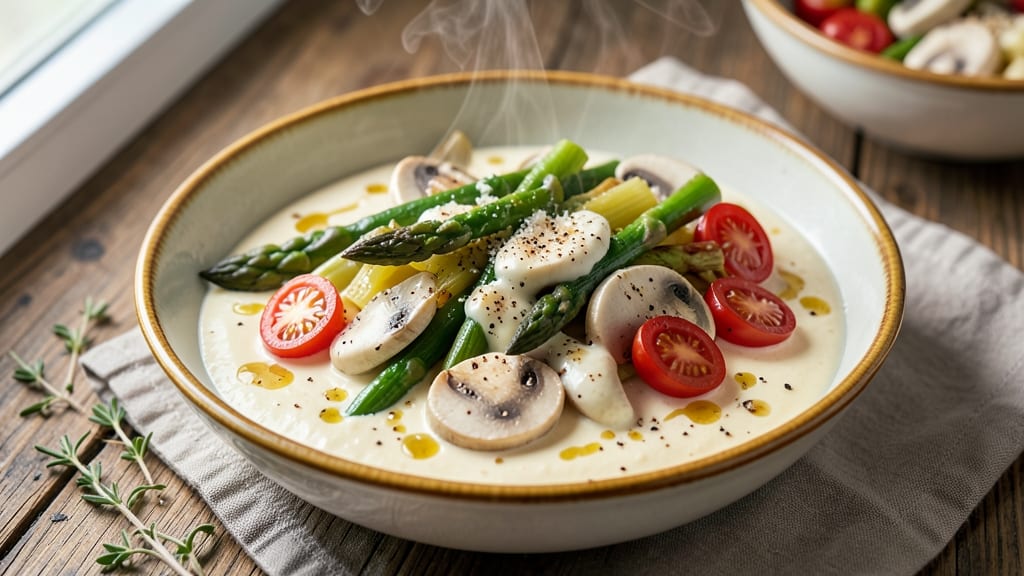
This alfredo sauce with vegetables recipe transforms classic creaminess into something unexpectedly vibrant—where earthy celery meets rich Parmesan in every velvety spoonful. The secret lies in blending steamed celery directly into the sauce, creating a subtle herbal depth that elevates ordinary fettuccine nights into something restaurant-worthy.
Simmering butter, garlic, and cream builds the foundation, while the celery infusion adds a refreshing complexity that balances the sauce's richness.
The process is straightforward yet precise: sauté garlic in butter until fragrant, then pour in heavy cream while whisking constantly to prevent curdling. After simmering until thickened, blend in steamed celery and freshly grated Parmesan until completely smooth.
This method ensures the celery's natural sweetness and subtle bitterness infuse the sauce without overpowering its creamy texture—perfect for pairing with pasta, grilled chicken, or roasted vegetables.
What sets this sauce apart is its versatility. The celery infusion adds a fresh, herbal note that cuts through the richness, making it ideal for both weeknight dinners and special occasions. Unlike traditional Alfredo, this version stays luscious even when reheated, thanks to the celery's natural stabilizing properties.
Store leftovers in an airtight container in the refrigerator for up to 5 days, or freeze for extended use—just reheat gently on the stove, stirring occasionally to maintain its silky consistency.
For an even deeper flavor profile, consider adding a splash of lemon juice or a pinch of nutmeg before serving. The sauce's creamy texture and hidden herbal notes make it a standout addition to any meal, proving that even classic recipes can be reinvented with thoughtful ingredient choices.
Let's create this sauce that will become your new go-to for creamy, flavorful dishes.
Ingredients for alfredo sauce with vegetables
Eight essential ingredients create this restaurant-worthy celery-infused Alfredo sauce.
| Ingredient | Amount | Notes |
|---|---|---|
| Unsalted Butter 🧈 | ½ cup | Cold, cubed for even melting |
| Heavy Cream 🥛 | 2 cups | Full-fat for optimal richness |
| Fresh Celery Stems 🧅 | 2 cups | Trimmed, cut into 1-inch pieces |
| Garlic Cloves 🧄 | 4 cloves | Minced, fresh for aromatic depth |
| Parmesan Cheese 🧀 | 1 cup | Freshly grated, fine grade |
| Extra-Virgin Olive Oil 🫒 | ¼ cup | For finishing, fruity variety |
| Diamond Crystal Kosher Salt 🧂 | ½ tsp | Adjusts to taste, fine grain |
| Freshly Ground Black Pepper 🌶️ | ¼ tsp | Freshly cracked for brightness |
| Lemon Juice 🍋 | 1 tbsp | Freshly squeezed, optional |
| Ground Nutmeg 🌿 | ⅛ tsp | Freshly grated, fine pinch |
The celery is the star here—look for firm, crisp stalks with vibrant green tops at the market. Whole Foods or local farmers' markets often carry the freshest varieties, but any grocery store's produce section will do. Trim the leaves and cut the stalks into even 1-inch pieces for consistent steaming. The Parmesan should be real Parmigiano-Reggiano, freshly grated for maximum flavor—pre-grated cheese lacks the depth. For the butter, Plugrá or Land O'Lakes unsalted work perfectly, but avoid salted varieties to control seasoning.
No fresh celery? Steamed frozen celery works in a pinch, though texture will differ slightly. Substitute heavy cream with half-and-half for a lighter version, though richness will suffer. For a dairy-free twist, full-fat coconut cream mimics the texture remarkably well. The garlic can be roasted for a sweeter profile—simply wrap whole cloves in foil with a drizzle of olive oil and roast at 400°F for 15 minutes. Nutmeg is optional but recommended; if unavailable, a pinch of cinnamon adds warmth. Always taste as you go—adjust salt and pepper to balance the sauce's richness against the celery's herbal notes.
This sauce reheats beautifully—simmer gently on low heat, stirring frequently to prevent separation. Store in an airtight container in the refrigerator for up to 5 days, with a thin layer of olive oil on top to preserve freshness. For longer storage, freeze in 1-cup portions for up to 3 months. Thaw overnight in the fridge and reheat slowly. The celery infusion adds natural stability, so the sauce maintains its velvety texture even after reheating—ideal for meal prep.
Why You'll Love This Recipe
- No Chopping Hassle: I swear by this sauce because it’s the only one where I can use pre-cut celery from the store—no knife skills required. The celery just softens into the sauce while everything else simmers, and honestly? You’d never know it wasn’t fresh.
- Creamy Without Guilt: Heavy cream and butter make this sauce dangerously rich, but the celery and garlic cut through the richness like a breath of fresh air. It’s the kind of dish where I’ll eat seconds, then thirds, without a single ounce of regret.
- Weeknight to Dinner Party: This sauce is my secret weapon for turning a random Tuesday into something that feels special. Toss it with fettuccine for a quick meal, or drizzle it over roasted veggies for a restaurant-worthy side that still feels effortless.
- Leftovers That Taste Better: Between us, this sauce actually improves the next day—thicker, deeper, and even more flavorful. I’ll make a big batch, freeze half, and pull it out for lazy mornings or last-minute guest dinners. (Yes, even on a Tuesday night.)
Step-by-step instructions for celery-infused Alfredo sauce
Transform simple ingredients into a velvety sauce with vibrant celery depth and nutmeg warmth.
Sauté Celery and Garlic for Aromatic Foundation
Melt the 0.5 cup unsalted butter in a large saucepan over medium heat. Add the 2 cups fresh celery stems and cook for 5-6 minutes, stirring occasionally, until softened and just beginning to caramelize at the edges. This step develops the celery's natural sweetness and removes any bitterness.
Push the celery to one side of the pan and add the 4 cloves minced garlic. Stir for 30 seconds until fragrant—don't let it brown, as garlic burns quickly and becomes bitter. Here's the thing: the celery will release moisture, so you want to cook it until it's tender enough to blend smoothly later. If the pan gets too dry, add 1 tablespoon water to prevent sticking.
Build the Sauce with Cream and Cheese
Pour in the 2 cups heavy cream and bring to a gentle simmer over medium-low heat. Stir occasionally to prevent scorching at the bottom. You'll notice the sauce thicken slightly as it heats. Meanwhile, add 1 cup freshly grated Parmesan cheese and stir constantly for 3-4 minutes until fully melted and smooth.
The sauce should now be creamy but still quite thin. This is where patience matters: if you rush, the cheese may clump. Real talk: if it looks too thick at this stage, we'll adjust later with cream. The goal is to create a base that's velvety but still has room to develop its signature richness.
Season and Finish with Nuanced Flavors
Add the 0.5 teaspoon Diamond Crystal kosher salt, 0.25 teaspoon freshly ground black pepper, 0.125 teaspoon ground nutmeg, and 1 tablespoon lemon juice. Stir well and let the sauce simmer gently for 5-6 minutes until it thickens to a coatable consistency. You'll smell the nutmeg's warm aroma and taste the lemon's bright contrast—this is where the sauce comes alive.
Taste and adjust seasoning if needed. The nutmeg should be present but not overpowering, and the lemon should brighten without dominating. If the sauce is still too thin after simmering, stir in 1 tablespoon heavy cream at a time until it reaches your desired thickness. The perfect consistency should be thick enough to cling to pasta but still flow smoothly.
Finish with Olive Oil for Silky Texture
Remove the sauce from heat and stir in the 0.25 cup extra-virgin olive oil. This final step creates a luxurious mouthfeel and balances the richness. The olive oil should be warm but not hot—adding it too early would cause the sauce to separate. Let the sauce rest for 2-3 minutes to allow the flavors to meld completely.
Your celery-infused Alfredo sauce is now ready to pair with fettuccine or your favorite vegetables. The celery adds subtle sweetness, the nutmeg provides depth, and the lemon keeps it from being too heavy. This sauce delivers restaurant-quality creaminess with a sophisticated twist—no heavy cream substitutes needed.
Pro Tips For Making Alfredo Sauce With Vegetables
- Melt Butter Slowly: Start with low heat—even if you’re eager to get cooking. I used to rush this and end up with burnt garlic before the butter melts properly. Let the butter bubble gently, then add the celery and garlic once it’s fully liquid, or you’ll scorch the whole batch before the sauce even begins.
- Slice Celery Thin: A sharp knife and 1/8-inch slices make all the difference. Thick chunks stay crunchy and undercooked while the sauce finishes. My grandmother swore by this, and she was right: the celery should soften into the sauce, not sit like a vegetable side dish.
- Strain the Sauce: Skip the straining, and you’ll end up with a sauce that’s more like a chunky soup. After simmering, pour everything through a fine-mesh strainer to get that silky texture. Yes, it’s an extra step, but the result is worth it—especially if you’re serving this over pasta.
- Use Cold Cream: Add the heavy cream off the heat and stir in just enough to loosen the sauce. I learned this the hard way—dumping cold cream into a hot pan makes it curdle faster than you can say “disaster.” Warm it slightly first, then whisk it in gently for a velvety finish.
Regional styles of this dish
Italian Classics
In Italy, Alfredo sauce traditionally uses only butter, cream, and Parmesan—no vegetables. However, Roman chefs often add a touch of roasted garlic or sautéed shallots for depth, creating a more complex base. The key is to keep the sauce light and velvety, using heavy cream rather than milk.
I’ve seen authentic versions in Rome where a splash of white wine deglazes the pan before adding cream, adding brightness that balances the richness. 🍝
French-Inspired Twist
French cuisine elevates Alfredo with blanched leeks or steamed fennel blended into the sauce, adding an anise-like sweetness. The French technique involves slow reduction of the cream to intensify flavor, then finishing with crème fraîche for tang.
For a French-inspired version, replace celery with 1 cup blanched leeks and reduce the cream to 1 cup before adding cheese. The result is a sauce with layered complexity that pairs beautifully with duck confit or seared scallops.
American Comfort Food
In the U.S., Alfredo sauce often gets a hearty vegetable boost like mushrooms or spinach. The classic "Alfredo with mushrooms" replaces celery with 1 cup sautéed cremini mushrooms, adding an earthy umami that complements the creaminess.
For a Southern twist, add smoked paprika and a dash of cayenne to the sauce, then serve over grilled chicken or mac and cheese. This version is richer and slightly spicy, perfect for hearty weeknight dinners. 🌶️
Vegetarian Veggie Blends
For a vegetable-forward Alfredo, blend in steamed broccoli or roasted zucchini for color and nutrients. The broccoli adds a subtle bitterness that cuts through the cream, while zucchini brings sweetness. To keep the sauce smooth, strain the vegetables after steaming or blend them directly into the sauce.
This version works well as a vegan Alfredo by using cashew cream instead of dairy, though the texture will be lighter. 🥦
Asian Fusion Adaptations
In Asian-inspired versions, ginger and scallions replace garlic, while coconut milk stands in for cream. For a Thai-inspired twist, add red curry paste and lime zest to the sauce, then blend in steamed bok choy.
The result is a creamy, spicy, and slightly tangy sauce that pairs well with rice noodles or grilled tofu. This version is lighter but still rich, with a bright, aromatic profile that’s completely different from the Italian original. 🌿
Nutrition facts
Frequently asked questions
Can I use frozen celery instead of fresh?
Yes, but with a texture trade-off. Frozen celery works in a pinch, though it won't caramelize like fresh. Thaw it first, then steam or sauté until completely tender to avoid graininess. For best results, reduce simmering time by 1-2 minutes since frozen celery releases more moisture. Fresh celery gives the sauce that subtle sweetness and vibrant color.
Why did my sauce separate when I added the cheese?
Too much heat or stirring too vigorously causes this. The cheese needs gentle warmth to melt smoothly—never boil the sauce. If it separates, whisk in 1 tablespoon cold butter or 1 tablespoon heavy cream while stirring constantly over low heat until fully re-emulsified. The olive oil added at the end helps stabilize the texture.
What other vegetables work well in this sauce?
Mushrooms, spinach, or roasted garlic add amazing depth. For mushrooms, sauté 1 cup cremini mushrooms until golden before adding cream. Spinach wilts quickly—add it at the very end and blend until smooth. Roasted garlic (wrap cloves in foil with oil, roast at 400°F for 15 minutes) creates a sweet, mellow flavor that pairs perfectly with celery.
How do I make this sauce dairy-free?
Replace butter with coconut oil and heavy cream with full-fat coconut cream. Use nutritional yeast instead of Parmesan for a cheesy flavor. The texture will be slightly lighter but still creamy. For extra richness, add 1 tablespoon cashew butter at the end. The celery infusion still adds that fresh herbal note!
Can I make this sauce ahead of time?
Store in an airtight container in the fridge for 5 days or freeze for 3 months. Reheat gently on low heat, stirring frequently to prevent separation. The celery infusion actually improves overnight as flavors meld. For best texture, add a splash of warm water or cream when reheating if it thickens too much.