
Sauces & Condiments
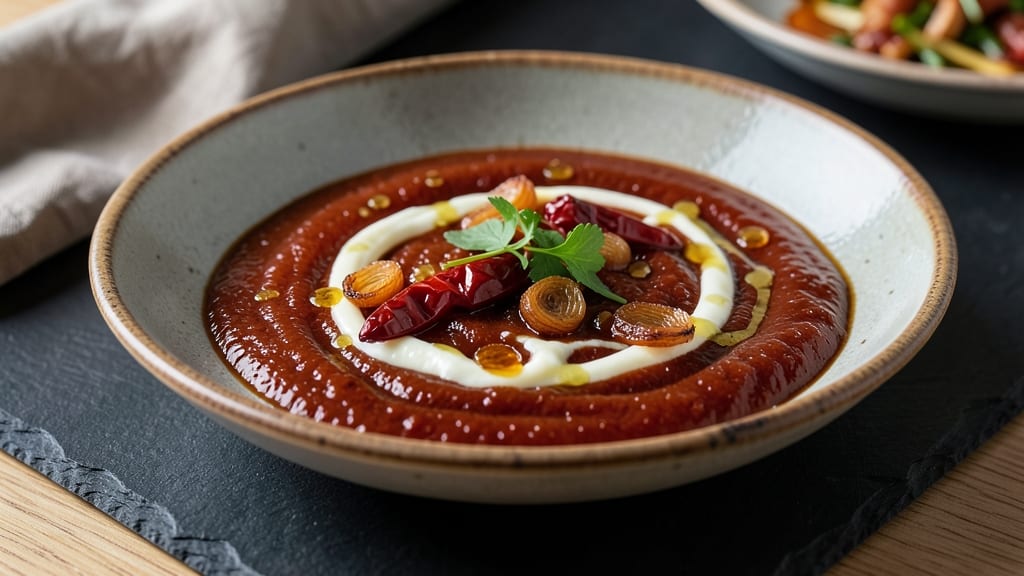
This Albert sauce recipe transforms ordinary roasted meats into restaurant-worthy masterpieces with its velvety texture and bright acidity. A classic French velouté, it builds on a rich stock foundation while vinegar and butter create that signature tangy depth.
The secret lies in patience—slow reduction and careful emulsification—to achieve a sauce that clings perfectly to poultry, game, or even vegetables.
What sets Albert sauce apart is its balance of richness and acidity, achieved through precise technique. You'll start with a light stock base, then incorporate vinegar and butter in stages to create a sauce that's both elegant and bold.
The addition of shallots adds subtle sweetness, while a touch of cognac (optional) elevates it to gourmet status. This sauce isn't just for special occasions—it's a game-changer for weeknight dinners too.
The result is a sauce with a silky-smooth consistency that coats every bite, enhancing rather than overwhelming the natural flavors of your protein. Its versatility makes it perfect for roasted chicken, duck, or even as a drizzle over grilled vegetables.
The acidity cuts through richness, creating a harmonious balance that professional chefs rely on. Once you master this technique, you'll never reach for store-bought sauces again.
For those who love to experiment, variations like adding a pinch of sugar or a splash of cognac can further customize the flavor. The key is maintaining control during reduction—rushing this step will break the emulsion.
With practice, you'll achieve a sauce so refined it'll make you question why you ever bought pre-made. Let's create something truly special in your kitchen.
Ingredients for albert sauce
Nine ingredients transform ordinary stock into a velvety sauce with chipotle heat and vinegar zing.
| Ingredient | Amount | Notes |
|---|---|---|
| Chicken Stock 🍗 | 4 cups | Homemade or high-quality store-bought |
| Shallots 🧅 | 3 whole | Finely minced for sweetness |
| Chipotle Peppers in Adobo 🌶️ | 2 tbsp | Adjusted for heat preference |
| Tomato Paste 🍅 | 2 tbsp | Smooth, not chunky |
| White Wine Vinegar 💧 | ½ cup | High-quality, aged vinegar |
| Unsalted Butter 🧈 | ½ cup | Cold, cubed for emulsification |
| Heavy Cream 🥛 | ½ cup | Full-fat for richness |
| Cognac (optional) 🍷 | 2 tbsp | Brandy substitute works too |
| Salt 🧂 | 1 tsp | Diamond Crystal preferred |
| Black Pepper 🌶️ | ½ tsp | Freshly cracked for depth |
The stock is your foundation—homemade wins, but Kitchen Basics or Pacific Foods brands deliver if you're short on time. Shallots should be fresh and vibrant, not dried out; Whole Foods or local markets often have the best selection. Chipotle peppers in adobo are a must for that smoky depth—La Costeña or Goya are reliable brands. For the tomato paste, Bertolli smooth paste is my go-to—it dissolves perfectly without graininess. The vinegar matters too; Chateau Indigo or Bragg aged vinegars add complexity that cheap vinegar can't match.
No cognac? Brandy or even a splash of rum works in a pinch—just adjust to taste. Running low on heavy cream? Half-and-half with a splash of milk keeps it rich without breaking the emulsion. The butter must be cold when added—let it sit in the fridge until you're ready to whisk it in, or it'll melt too fast. For extra tang, add a pinch of sugar (about 1/2 teaspoon) to balance the acidity. If you're sensitive to heat, reduce the chipotle to 1 tablespoon and boost the tomato paste to 3 tablespoons for depth without spice.
This sauce keeps beautifully—5 days in the fridge sealed tightly, or 3 months in the freezer in ice cube trays for single servings. For reheating, warm gently over low heat, whisking constantly to prevent separation. If it breaks, just whisk in 1 teaspoon of cold water or a bit more butter to re-emulsify. The chipotle heat mellows slightly with time, so it's perfect for storing. Double the batch—it disappears fast on roasted meats or drizzled over pasta.
Why You'll Love This Recipe
- Pantry Magic: I swear by this sauce because it uses things I already have—no last-minute grocery runs. Shallots and chipotle in adobo? That smoky, tangy punch comes from my pantry shelf, not a specialty store.
- Smoky Tang in Minutes: The chipotle and white wine vinegar give it a deep, slow-cooked flavor without hours on the stove. One taste and you’ll forget it’s not simmered for hours—it’s just that good.
- Game Day Hero: Between us, this is my go-to for game nights or lazy Sundays. Drizzle it over grilled chicken or roasted veggies, and suddenly, everything feels like a restaurant dish. (Yes, even on a Tuesday night.)
- Leftovers That Lie: I make a big batch and pretend it’s intentional. The sauce actually improves the next day—richer, deeper—so I don’t even mind the extra effort. Freezer-friendly too, because who doesn’t love a backup sauce?
Step-by-step instructions for Albert sauce
This chipotle-tomato velouté comes together with bold flavors and a perfect balance of acidity.
Build the Flavor Base with Shallots and Tomato
Heat a medium saucepan over medium heat and add the 3 whole shallots, mincing them directly in the pan as they soften. Cook for 8-10 minutes until they become translucent and sweet-smelling—this develops their natural sugars and forms the aromatic foundation. You'll know they're ready when they release their moisture and begin to caramelize slightly at the edges.
Add the 2 tbsp tomato paste and stir vigorously to prevent burning. Cook for another 2 minutes until the paste darkens slightly and blends completely with the shallots. This step creates depth and prevents the sauce from being too acidic later. The tomato paste will dissolve into a rich, velvety base that carries all the other flavors.
Develop the Sauce with Stock and Vinegar
Pour in the 4 cups chicken stock and bring to a gentle simmer over medium-low heat. Once bubbling, add the 2 tbsp chipotle peppers in adobo and 0.5 cup white wine vinegar. Stir well to incorporate the vinegar's bright acidity and the smoky heat from the chipotles. Let the mixture simmer uncovered for 15-20 minutes until it reduces by about one-third—this concentrates the flavors and creates a velvety texture.
Watch for the sauce to thicken slightly and develop a glossy sheen. The vinegar will mellow out as it cooks, leaving just enough tang to brighten the rich, smoky notes. If you prefer more heat, add an extra chipotle pepper or a pinch of cayenne. The sauce should smell complex—like a mix of roasted shallots, smoky chipotle, and tangy vinegar.
Finish with Butter and Cream for Richness
Reduce the heat to low and whisk in the 0.5 cup unsalted butter, cut into small cubes. Let the butter melt slowly into the sauce, whisking constantly to emulsify it into a silky texture. This step is critical—adding butter too quickly can cause the sauce to separate. Once fully incorporated, stir in the 0.5 cup heavy cream and the 2 tbsp cognac (if using).
The sauce will transform into a luxurious, velvety velouté with a delicate sheen. If you skipped the cognac, don’t worry—it’s still delicious, but the brandy adds a subtle depth. Taste and adjust seasoning with the 1 tsp salt and 0.5 tsp black pepper. The sauce should be balanced—slightly smoky, tangy, and rich, with no single flavor overpowering.
Strain and Serve with Confidence
Transfer the sauce to a fine-mesh strainer set over a clean saucepan and press gently with a spatula to remove any shallot bits. Return the strained sauce to the pan and simmer for another 5 minutes to refine the texture. The sauce should coat the back of a spoon and have a glossy finish—this is your cue that it’s ready.
Serve immediately over grilled meats, roasted vegetables, or creamy pastas. The sauce keeps well in the refrigerator for up to 5 days, but it’s best enjoyed fresh. If it thickens too much when reheating, whisk in a splash of warm water or stock to restore its silky consistency. This sauce is the kind of dish that makes you want to make it again and again—each batch better than the last.
Pro Tips For Making Albert Sauce
- Sweat Shallots Low: I learned this the hard way—sautéing shallots on high heat turns them bitter before they soften. Use medium-low and let them bubble gently for 8-10 minutes, stirring occasionally, until they’re translucent and just starting to caramelize. The sauce’s depth depends on this step, so don’t rush it.
- Blend Chipotle First: Pureeing the chipotle peppers before adding them to the sauce prevents clumps that ruin texture. Mash them with a fork in their adobo sauce, then blend with a splash of stock until smooth—this way, every bite gets that smoky heat evenly.
- Deglaze with Vinegar: The white wine vinegar isn’t just for acidity—it’s the secret to lifting browned bits from the pan. Add it immediately after sautéing shallots and tomato paste, then scrape the bottom with a wooden spoon. This adds richness without extra effort.
- Simmer Slow and Steady: Skipping the low simmer (15-20 minutes) leaves the sauce thin and one-dimensional. Keep it at a bare simmer—tiny bubbles, not a rolling boil—to let flavors meld. If it reduces too fast, add a splash of stock, but don’t overdo it or dilute the intensity.
Best sauces and condiments for this dish
Classic French Twist
This chipotle-tomato adaptation keeps the Albert sauce's signature French elegance while adding smoky depth. The traditional version uses just shallots, vinegar, butter, and stock, but I've elevated it with chipotle peppers for warmth and tomato paste for richness.
The key remains the same: slow reduction and butter emulsification for that velvety texture. 🌶️
Vegetarian Adaptation
Skip the stock and use 4 cups vegetable stock instead—just ensure it's rich and flavorful. For extra umami, add 1 tbsp soy sauce when developing the sauce.
This version works beautifully over roasted mushrooms, eggplant, or creamy polenta. The chipotle heat still shines through while keeping it plant-based.
Creamy Pasta Drizzle
Thin the sauce with ¼ cup warm water or pasta water before tossing with fettuccine or pappardelle. The velvety texture clings perfectly to noodles, and the smoky chipotle adds a restaurant-worthy touch. For extra indulgence, top with crispy pancetta or toasted pine nuts.
Grilled Protein Glaze
Brush this sauce over grilled chicken thighs, duck breasts, or portobello mushrooms in the last 5-8 minutes of cooking. The acidity cuts through richness, while the butter creates a glossy finish.
For extra flavor, marinate proteins in 2 tbsp sauce + 1 tbsp olive oil for 30 minutes before grilling. ✨
Storage Hacks
Store in glass jars in the fridge for up to 5 days—the flavors deepen over time. For freezing, portion into ice cube trays, then transfer to a ziplock bag.
Thaw overnight in the fridge and reheat gently, whisking to restore silkiness. A splash of warm water fixes any thickening during reheating.
Flavor Boosters
Need more complexity? Add 1 tsp smoked paprika for depth or 1 tsp honey to balance acidity. For a spicy kick, blend in ½ tsp cayenne with the chipotle. Always taste as you go—this sauce is all about balance between smoky, tangy, and rich. 💡
Nutrition facts
Frequently asked questions
What makes Albert sauce different from other French sauces?
Albert sauce stands out because it's a velouté-based sauce with a signature tangy kick from vinegar and butter. Unlike béchamel (which uses roux) or espagnole (which includes browned meat), it relies on a light stock reduction with shallots and vinegar for its bright, acidic profile. The emulsified butter creates that signature silky texture that clings beautifully to proteins.
Can I substitute white wine vinegar with another type?
Yes, but quality matters! Apple cider vinegar works in a pinch, though it'll add a fruity note. For best results, stick with white wine vinegar—its acidity brightens without overpowering. Avoid balsamic or red wine vinegar, as they'll darken the sauce and alter the flavor balance. If you're out of options, dilute 1 tbsp lemon juice with ¼ cup water to mimic the tang.
Why did my sauce separate when I added the butter?
This happens when the sauce is too hot or the butter melts too quickly. Always reduce heat to low before adding butter, and whisk constantly in small batches. If it separates, whisk in 1 tsp cold water or a bit more butter to re-emulsify. For prevention, let the sauce cool slightly before adding butter—patience is key!
What's the best way to reheat leftover Albert sauce?
Gently reheat over low heat, whisking constantly to prevent separation. If it thickens too much, add 1 tbsp warm water or stock at a time until smooth. Never microwave—it breaks the emulsion. For extra insurance, whisk in a small pat of cold butter while reheating to restore silkiness. The sauce should coat the back of a spoon when ready.
Can I make Albert sauce without cream?
Replace the heavy cream with ½ cup whole milk or even ¼ cup crème fraîche for tang. For extra richness, use ¼ cup extra butter** instead. The sauce will still emulsify beautifully, though it'll be slightly lighter. The vinegar and butter provide enough body without cream—just adjust seasoning as needed.